
David Swartz interviews Melani McAlister about her new book Read more


David Swartz interviews Melani McAlister about her new book Read more

Like his hero Charles Lindbergh, astronaut Neil Armstrong defied conventional categories of religious belief and disbelief. Read more

For pleasure reading, I have lately been dipping into James Boswell’s Life of Samuel Johnson. With the Penguin edition at 1245 pages, it can be an intimidating book to begin. But it is well worth the effort. The language is resplendent; the portrait of Johnson, unrivaled; and the insights into eighteenth-century intellectual life, vivid and compelling. Here are some tidbits, often of Boswell quoting Johnson: On the difficulty of finding a life’s vocation: “Life is not long, and too much... Read more
I recently described the problems that occur in making and understanding social statistics. Now I want to apply some of these lessons to religious numbers, to understanding (for instance) the rise and fall of particular churches. These comments apply particularly to understanding Christian numbers in the world at large, compared with the other great faiths. We often read figures that particular churches have X million members. Some of the problems with such statistics are obvious enough, especially the idea that... Read more
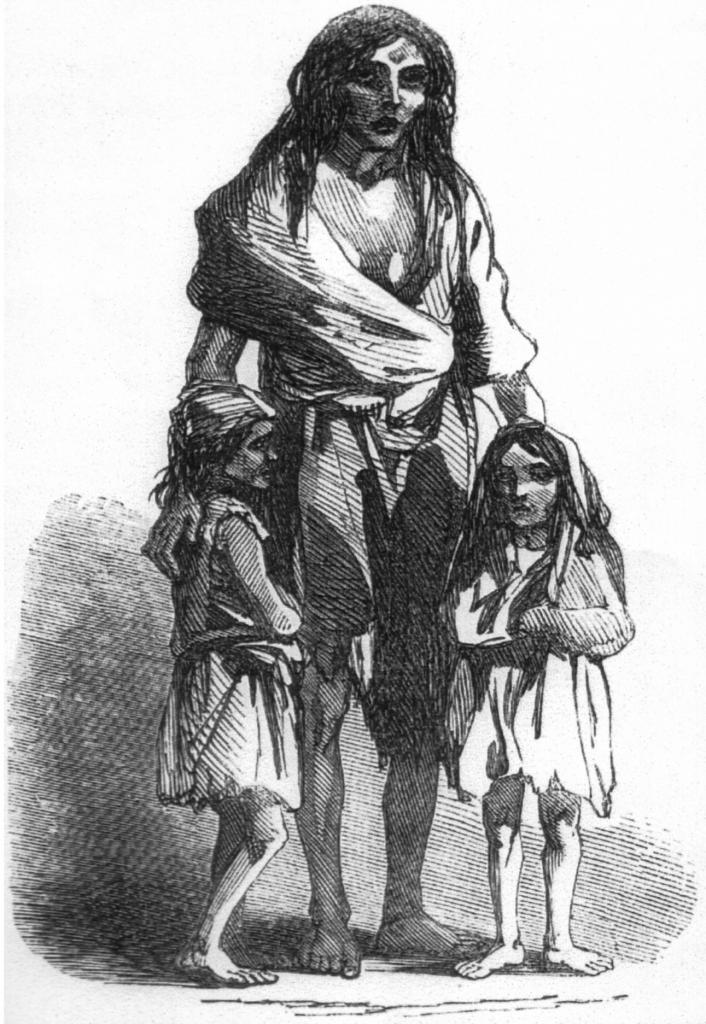
Throughout U.S. history, “public charge” rules have been a powerful instrument of excluding immigrants on the basis of their poverty–and also on the basis of their religion, race, and ethnicity. Last month, the Trump administration announced controversial plans to change the rules for 382,000 immigrants who use public assistance. Under these proposed changes, legal immigrants who lawfully use programs such as food assistance and Section 8 housing could be deemed a “public charge” and therefore denied a green card... Read more
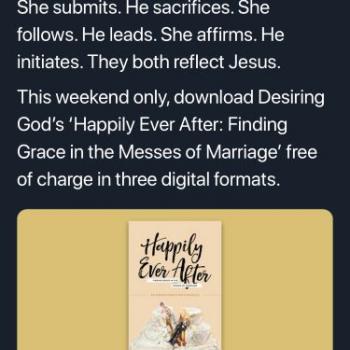
The same afternoon Kavanaugh was confirmed to the Supreme Court, one of my friends sent me a link to a devotional series for married couples from Desiring God. My heart just sank. This is how it was tweeted on October 5, 2018: “She submits. He sacrifices. She follows. He leads. She affirms. He initiates. They both reflect Jesus.” The devotional book, Happily Ever After: Finding Grace in the Messes of Marriage, was a free digital download last weekend. I don’t... Read more
Historians often celebrate the value of empathy. But a recent talk about sexual abuse in the Catholic Church leads guest-blogger Elesha Coffman to consider the importance of disgust and lament as well. Read more

Statistics interpret the world we see, and they make the world we know. When we discuss social problems, we measure them by figures purporting to describe how they grow and fall, how they become “epidemics.” Statistics are inevitably cited when we discuss such issues as homelessness, inequality, sexual abuse, harassment, rape, drug abuse, terrorism, or hate crime. Similarly, we measure religious trends through numbers – growing or shrinking congregations, processes of secularization or revival. Much of my career has involved... Read more
I write a lot about alternative non-canonical scriptures, and the diverse Christianities they represent. One idea I challenge regularly goes something like this: for long centuries, Christians believed there were only the scriptures we know in the New testament. Then, suddenly, a series of amazing discoveries in the mid-late twentieth century (like the famous Nag Hammadi finds in Egypt) transformed our understanding. From the 1970s onward, we began to realize just how diverse and effervescent early Christianity was. These lost... Read more

I do not attend very many conferences. There are several reasons for this. Mostly, I like staying home. My university does not have a very generous travel budget, and while I can get a surprising amount of work done in airports and on airplanes, I can write more at home. Preparing conference presentations, moreover, sometimes detracts from larger projects. There are several exceptions to this rule, because there are several conferences that I love to attend (there are many other... Read more

Select your answer to see how you score.







 Ad-Free & Subscriber Log-In