2022-04-13T10:49:25+00:00

WILLS POINT, TX – Gospel for Asia (GFA World and affiliates like Gospel for Asia Canada) founded by KP Yohannan, issued this 1st part of a Special Report update on winning the ancient conflict against the mosquito and vector-borne diseases.
GFA World, founded by KP Yohannan, issued this Special Report on winning the ancient conflict against the mosquito and vector-borne diseases.

It’s small, this little welt on my hand or the bump behind my ear. The welts come and go and are a minor annoyance during the spring, summer and fall when I am gardening or when my husband and I host outside gatherings or when the grandchildren come to play and explore the path through the woods their grandfather cut for them. These seasons are when mosquitoes buzz in the air and wait to strike humans for the blood the females need to nourish their eggs.
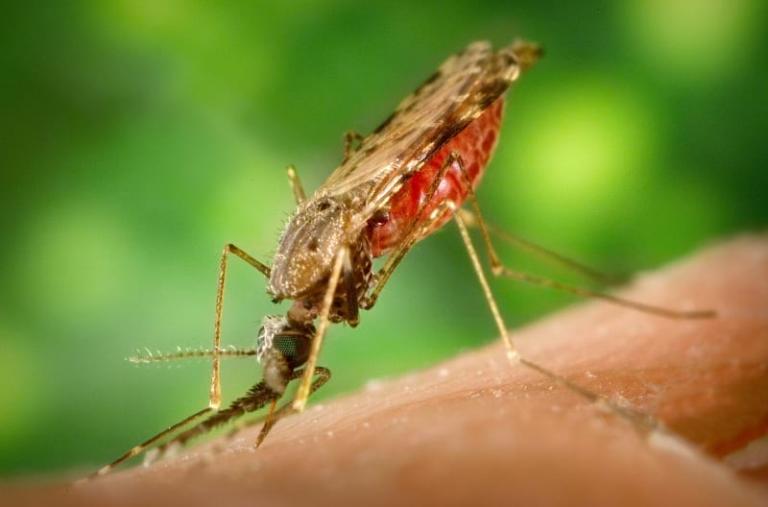
Malaria parasite
Feeding on a human arm, this Anopheles albimanus mosquito is a vector of malaria, so mosquito control is critically important for reducing the incidence of malaria. Photo by James Gathany, Centers for Disease Control and Prevention

It is a little distraction; I bat away the pesky critter or slap it when it sucks my blood, causing a splat on my own skin. The bump caused by this bite swells and itches, but I’ve learned the more I scratch, the itchier the welt becomes.

When a mosquito bite breaks the skin, my immune system sets off a warning; the mini-wound is instantly flushed with increased blood flow and my white-blood-cell count elevates slightly. This reaction causes the swelling; it is really an allergic reaction. On the micro-scale of things, this physiological response is instantaneous. For most of us, a mosquito bite, or multiple bites, is an annoyance causing us to itch, then scratch, and finally, if the bites continue to annoy, seek some kind of salve to soothe and a repellant to prevent.

In some places in the world, however, a mosquito is no small thing. It can bring on fevers, illnesses, work displacement and even death—causing thousands of families sorrow.

In my original special report for Gospel for Asia titled It Takes Only One Mosquito, I explored the impact of faith based organizations on modern medical approaches. This update explores the ancient and ongoing battle between man and mosquitos which transmit vector-borne diseases.
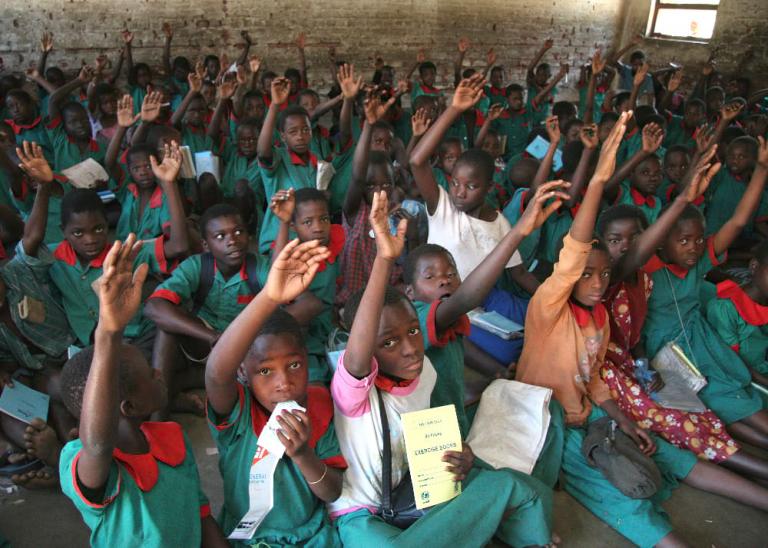
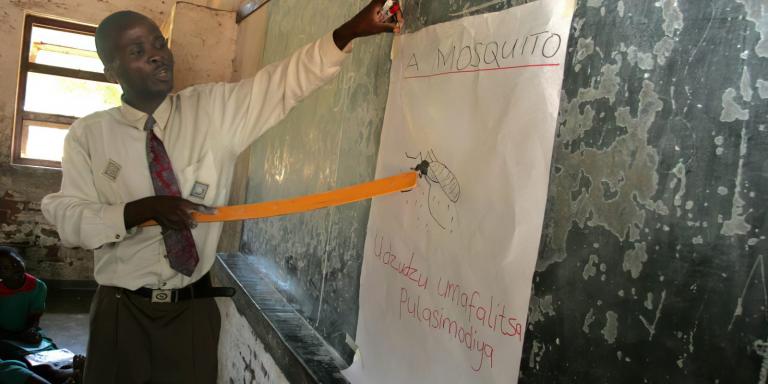
Children participate in a class on malaria and how to protect themselves
Malawi: Education on malaria prevention can be taught in schools as children participate in a class on malaria and how to protect themselves. Photo by WHO / S. Hollyman

Know Your Enemy or Yield to Vector-borne Diseases

Knowing your enemy is well-known advice attributed to Sun Tzu’s ancient Asian manual The Art of War, which is part of a syllabus for potential military-service candidates. Its recommendation for warriors is certainly appropriate for the equally ancient conflict that exists in many parts of the world between Man and Mosquito. In reality, where I live the welt on my hand may be small and annoying but for whole population sectors around the world, the negative impact of mosquitoes and the diseases they may transmit is overwhelmingly huge.

So let’s take Sun Tzu’s advice and get to know our enemy:
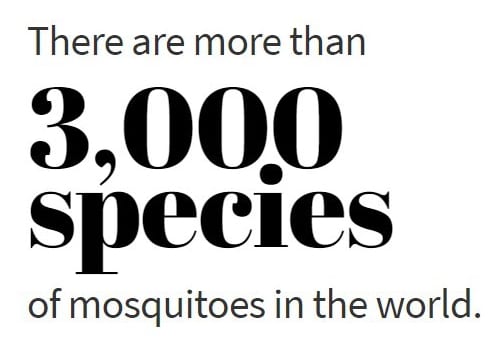
The most common, and most dangerous, are the various species in the Culex, Anopheles and Aedes.

Mosquitoes can live in almost any environment, with the exception of extreme cold. They favor forests, marshes, tall-grass and locales, and ground that is wet at least part of the year. Incredibly, Arctic tundra is a great breeding-place for mosquitoes—the soil that has been frozen all winter thaws in the warming weather, rendering these vast acres huge mosquito incubators. These insects must have water to survive (breeding can occur in as little as one inch of standing water), so areas that border ponds, lakes or puddles are essential to their spread and survival.

Categorized among the group known as “blood-feeding arthropods” which also includes ticks and fleas, mosquitoes are responsible for a wide range of diseases that result in various symptoms such as fevers, rashes, aches and pains, vomiting and death. The World Health Organization classifies such illnesses as “vector-borne diseases,” which are “human illnesses caused by parasites, viruses and bacteria that are transmitted by vectors.”
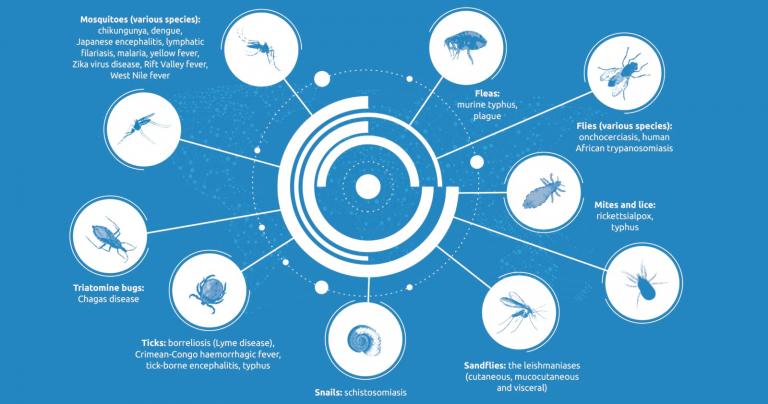
Vectors can cause numerous diseases in humans
WHO/HTM/GVCR/2017.01 (CC BY-NC-SA 3.0 IGO)

The WHO’s report on vector-borne diseases
includes these stunning facts:

  • Vector-borne diseases account for more than 17 percent of all infectious diseases, causing more than 700,000 deaths annually.
  • Malaria is a parasitic infection transmitted by Anopheline It causes an estimated 219 million cases globally and results in more than 400,000 deaths every year. Most of the deaths occur in children under the age of 5 years.
  • Dengue is the most prevalent viral infection transmitted by Aedes More than 3.9 billion people in more than 129 countries are at risk of contracting dengue, with an estimated 96 million symptomatic cases and an estimated 40,000 deaths every year.

“Other diseases transmitted by vectors include chikungunya, Zika, yellow fever, West Nile virus, Japanese encephalitis (all transmitted by mosquitoes) and tick-borne encephalitis (transmitted by ticks).”

Other Odd Facts in the War on Mosquitoes
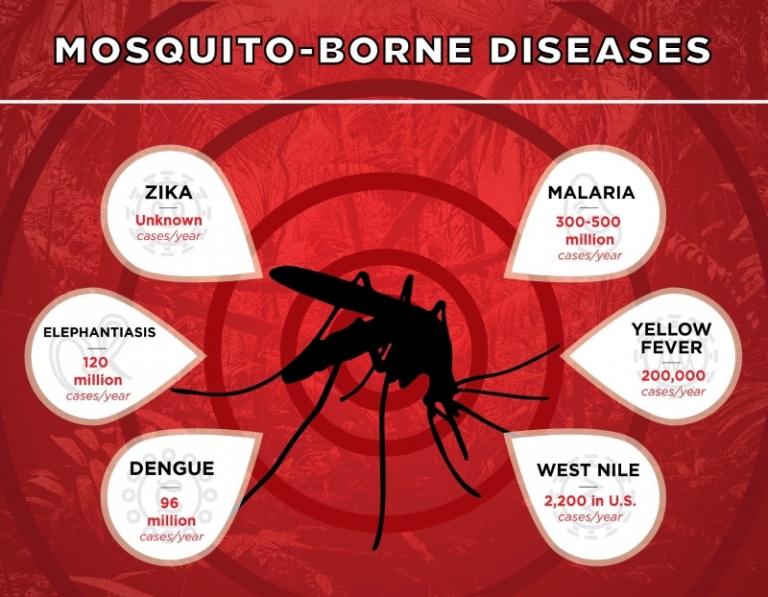
Mosquito-borne diseases
Zika virus, which has caused thousands of infants in Brazil alone to be born with abnormally small heads and neurological problems, joins a suite of emerging and long-established diseases transmitted throughout the world by mosquitoes. The actual disease-causing agents are the viruses, bacteria or parasites that the mosquitoes pick up when they feed on the blood of an infected person or animal. Photo by UC Davis

These vectors can transmit infectious pathogens between humans, or from animal to humans. Mosquitoes, as mentioned, are blood-sucking insects; when doing so, they can ingest pathogens from a host and transfer it to another host once that pathogen begins to replicate. Often, once a vector becomes infected, it is capable of transmitting the pathogen for the rest of its life, becoming a flying, one-insect, disease-delivery machine.

According to the WHO, 700,000 people die each year from malaria, dengue, Japanese encephalitis and other vector-borne diseases.

“The burden of these diseases is highest in tropical and subtropical areas, and they disproportionately affect the poorest populations,” writes the WHO.

Risk, Burden, Mortality of Vector Borne Diseases
Photo by WHO/HTM/GVCR/2017.01 (CC BY-NC-SA 3.0 IGO)

“Since 2014, major outbreaks of dengue, malaria, chikungunya, yellow fever and Zika have afflicted populations, claimed lives, and overwhelmed health systems in many other countries. Other [vector-borne] diseases … cause chronic suffering, life-long morbidity, disability and occasional stigmatization.”

Perhaps that little bump growing on my hand after a summer mosquito attack is not such a little thing after all.
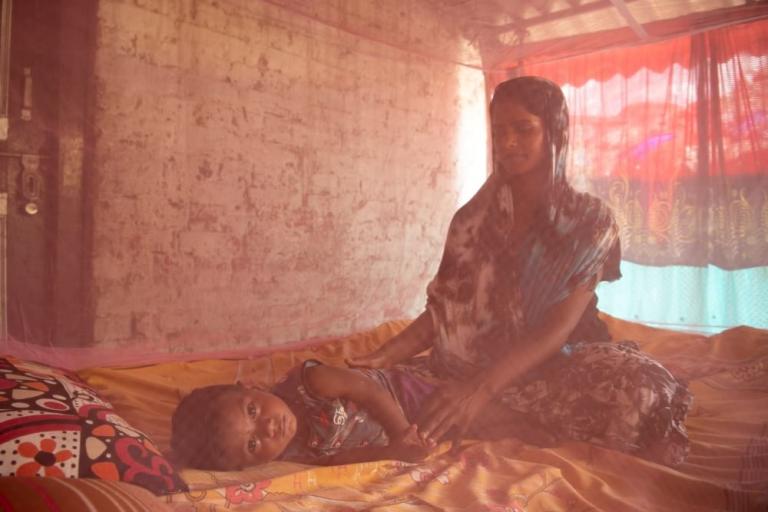
Mother and child resting under mosquito net
This woman and her child in Uttar Pradesh, India, can function without fear of insect bites during the day, as well as sleep safely each night, due to the protective mosquito net they received as a Christmas gift from GFA World.

Mosquito Abatement: Part of Caring for the Least of These
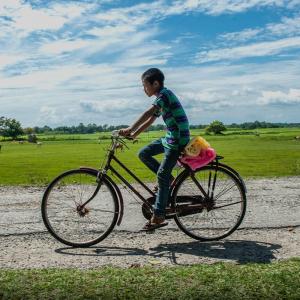
Boy riding bicycle carying mosquito nets
Mosquitos are so dangerous because a single bite can transmit malaria or other parasitic diseases. This boy in South Asia is seen riding home with a new mosquito nets that he was given through a Gospel for Asia (GFA World) gift distribution. These nets are simple, cost-effective solutions to keep families safe from malaria-carrying mosquitoes.

In light of what we know now about that enemy, the mosquito, is it any wonder that mosquito-abatement programs sponsored by faith-based organizations like Gospel for Asia (GFA World) are one of the evidences that fulfill this Gospel imperative: “Love your neighbor as yourself”?

I love the story on GFA’s website reporting how Gospel for Asia (GFA) workers distributed some 9,000 mosquito nets to students living in hostels, now away from their families. Two nets were given to each student, one for them to use and one to send back home.

“I am thankful for the mosquito net,” said Marcus, a ninth-grade student. “I am from a poor family, and there is no one to meet my needs.”

On a broader scale, GFA World has delivered nets to thousands of families in need and held awareness training and awareness programs in many affected areas. In Odisha, a state greatly affected by various vector-borne , Gospel for Asia (GFA) workers led mosquito awareness programs and gave nets to 2,050 impoverished families, including people at a district medical hospital. In the tea-growing state of Assam, Gospel for Asia (GFA) workers conducted awareness training about the need for prevention, distributing 2,000 nets to tea-garden employees.

To date, Gospel for Asia (GFA World) has distributed more than 1,300,000 mosquito nets in malaria-prone areas of South Asia to protect people from life-ending vector-borne diseases.

In some places in the world, a mosquito is no small thing. It can bring on fevers, illnesses, work displacement and even death—causing thousands of families sorrow.

The world’s largest grassroots campaign to protect people from malaria is the United Nations Foundation’s Nothing But Nets campaign. Aiming to be the generation that defeats malaria, Nothing But Nets brings together UN partners, advocates and organizations worldwide to raise awareness, funds and voices to protect vulnerable families from malaria, given that every two minutes a child dies from malaria.

Mosquito nets, as part of a general abatement program in many countries of the world, overcome one of the major deterrents to all of the above: the small, seemingly innocuous welt on the hand, behind the ear, on the ankle or calf. A mosquito bite.


Give Mosquito Nets

Learn how to your gift protects families in Asia from vector-borne diseases.


Read the rest of Gospel for Asia’s Special Report: Winning the Ancient Conflict Between Man and Mosquito: Know Your Enemy or Succumb to Vector-borne Diseases — Part 2

This Special Report originally appeared on gfa.org.

Learn more by reading this special report from Gospel for Asia: Mosquito-Driven Scourge Touches Even Developed NationsMalaria Alone Claims 400,000 Lives Per Year


Click here, to read more blogs on Patheos from Gospel for Asia.

Learn more about Gospel for Asia: Facebook | YouTube | Instagram | LinkedIn | SourceWatch | Integrity | Lawsuit Update | 5 Distinctives | 6 Remarkable Facts | 10 Milestones | Media Room | Scandal of Starvation | Endorsements | 40th Anniversary | Lawsuit Response |

Notable News about Gospel for Asia: FoxNews, ChristianPost, NYPost, MissionsBox
2025-08-02T20:20:11+00:00

WILLS POINT, TX – GFA World (Gospel for Asia) founded by K.P. Yohannan, has been the model for numerous charities like GFA World Canada, to assist the poor and deprived worldwide, issued this first part of a Special Report on the unstoppable compassion force of national missionary workers.

Compassion Sweeps ‘Forgotten Islands’

In what are known as the “forgotten islands” of South Asia, remote outposts dotted along the shoreline of the Indian Ocean, villagers still use oxen as a mode of transportation and wash themselves, their dirty clothes and their dishes in the same stagnant ponds they drink from.

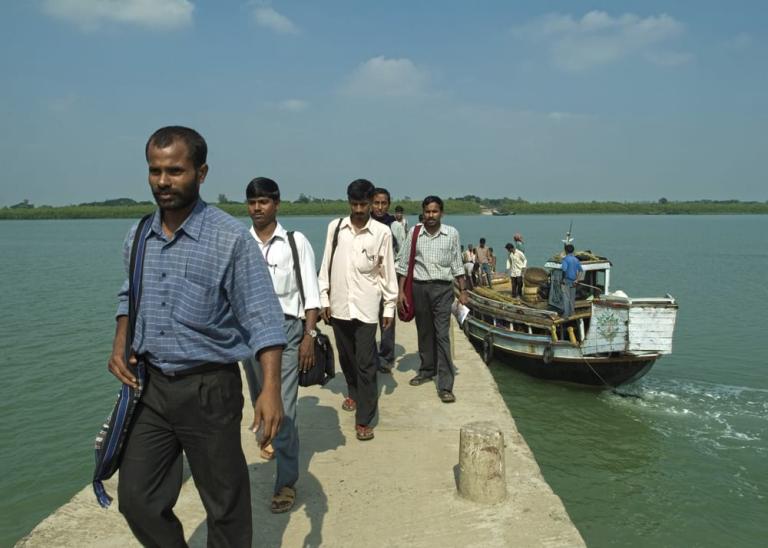
Ritesh and national workers travel between islands through boats to show the love of Jesus
Ritesh and his national missionaries are constantly on the move to show the love of Jesus to the “forgotten islands” in South Asia, to which they sail on boats, walking several miles a day, then riding on bicycles.

No clean water. No schools. No medical clinics. Life seems hopeless—and improvement seems impossible—for many of the “forgotten” people of these islands. But a team of young GFA World national workers was changing all that. Traveling on rickety boats from island to island, these committed young workers brought hope and good news to islanders on the brink of giving up.

“It is not we who have been doing ministry, but it is God who has been doing ministry through us,” said group leader Taj, whose team earned the trust of hundreds of villagers as they prayed for the sick and showed these “hidden” people the love of God.

Their hands-on compassion and care has built strong bonds.

“You are my son,” one elderly widow told a member of the team. “You are my mother,” the young missionary replied.

When Gospel for Asia (GFA World) launched its child sponsorship program on several of the islands, the impact on children who’d never before had the chance to go to school before was staggering, resulting in a new birth of hope and purpose.

But Taj and his team weren’t done yet. “I began to pray that we may have enough resources of water,” Taj said.

Women and children enjoying clean water from Jesus Wells.
Jesus Wells meet practical needs in communities for safe, clean drinking water, and in doing so, convey the love Jesus has for the people in these villages.

The answer to his prayers came: Teams drilled new Jesus Wells, bringing clean water for the first time to thousands of islanders who had only tasted water from filthy ponds, which were contaminated and often caused children to fall sick and even die.

In just two years, the commitment and perseverance of Taj and his team brought new hope and good news to dozens of islands, showering the love of God on everyone they met—including the boat drivers who ferried them from place to place.

Such perseverance is a hallmark of faith-filled national workers who have a deep interest in the well-being and health of their fellow countrymen, propelling them to great lengths to share the wholeness and inner peace they’ve discovered themselves.

GFA Pastor Marty shares the love of Jesus in the slums
As a child, Pastor Marty often dug through garbage to fill his empty stomach. Now he is living in the same slum he grew up in, showing the love of Jesus by meeting practical needs of people who are going through the same struggles he went through.

A Native of the Slums Brings Hope

Marty, an indigenous pastor, has dedicated many years to transforming life for the children in the sprawling South Asia slum he was born in. He recalls digging through the garbage as a boy, desperate to find scraps to relieve his hunger. When his alcoholic father died, Marty, who was still only a boy, became his family’s provider.

GFA Pastor Marty prays for the people living in the slums
Every morning Pastor Marty goes on a neighborhood prayer walk, interacting with residents, praying over the community (shown above) and asking for help in showing the love of Jesus in practical ways. It is only through the power of prayer and tangible help that these communities in South Asia can be transformed.

Having experienced the pain, struggles and addictions that plague children every day in the slums, Marty’s eyes tear up as he describes his heartache for children wallowing in extreme poverty, sifting through the trash without hope—like he once did. That’s why he and his wife, Prina, are so passionate about serving the slum dwellers.

“Most of these children’s parents are my friends. We went to school together,” Marty said. “But most of them dropped out. … They started indulging [in] wrong things. … Some of them are even dead. So I started thinking about their children. Why [don’t] we do something for their children?”

Every morning, Marty goes on a neighborhood “prayer walk.” He prays for each individual by name, and the people in the slum—who embrace him as one of their own—recognize there’s something different about him, something almost heavenly.

“[He] is a great example for us,” says one of his neighbors. “He does what Jesus would have done. Helping the poor and needy and also loving people … He is always willing to help people. … He knows the situation… He understands better than anyone else.”

After serving his neighbors in the slum for 15 years, Marty’s perseverance has turned gray skies into blue. He’s launched two child sponsorship initiatives, turning others’ despair into hope and his own tears into joy.

“Ever since my childhood, the pain and difficult situations and poverty—all those things,” Marty says, “when I look back, [they] were … to make me strong and to trust and [have] faith in [God].”

Pastor Marty … grew up in [this slum] and now is back serving with his family.” says GFA World’s Yohannan. “Serving here is not easy. … Pastor Marty and many other [national workers] are faithfully serving in the slums.”

Across Asia, thousands upon thousands of national missionaries toil and labor every day, trekking miles on foot—often barefoot in extreme heat or cold—to bring hope and good news to their own people who struggle to see any purpose in their lives or reason to go on living.
Women national missionary workers travel from one village to another with the use of a bicycle
With a heavy-duty bicycle like this one, two women missionaries can visit many more ladies than they could on foot, travelling from one village to another, meeting practical needs for personal help, hope and encouragement.

Inspired by Jesus’ love for the poor, these workers press on. Even in the face of hunger, disease, dangerous journeys and other hardships, they refuse to give up.

To reach the remotest villages that are too far to reach by walking, national workers turn to pedal power.

In 2020, amidst the pandemic, hundreds of trained workers on bicycles—a compassion crew on wheels—ventured to remote villages across Asia. Working in conjunction with local authorities within pandemic restrictions, with the heart of Christ they provided help for people in desperate need.

Before the pandemic took hold, bicycles were already helping workers to make the most of their time. Rainer saw how he could help even more people, and he prayed for two years for a bicycle so he could encourage and help a cluster of villages nine miles from his home. Months passed with no sign of a bicycle, but Rainer refused to give up hope. Eventually, he got news that he would receive a bicycle, which was provided through generous donations of people in the West. Rainer cried tears of joy. Today, he rides to 10 villages too far away to visit on foot. His bicycle has even become the local “ambulance,” transporting sick villagers to the nearest clinic. In short, Rainer and his bicycle have been a blessing beyond all expectations.

Rainer, GFA national missionary worker, and his bicycle
Because of a bicycle Gospel for Asia (GFA) national worker Rainer has been able to travel to various communities and their churches to show the love of Christ by encouraging the believers, meeting practical needs within the villages for food, clean drinking water and health care, and to support other national workers present in those neighborhoods.

National & Non-National: A Beautiful Partnership

Rainer’s story is a wonderful example of how missions-minded people all around the world can link their lives with the lives of national workers on the frontlines, bringing hope into places they could never go. By supporting and sponsoring a national missionary—perhaps by purchasing a bicycle for them, providing monthly financial support, or committing to pray for them—a beautiful partnership is formed, blessing everyone involved.

The unstoppable, never-give-up attitude of national workers like Rainer is a soul-searching challenge to all who desire to bring hope and love to their neighbors in their own communities, wherever they live—a challenge presented in Yohannan’s new book, aptly titled Never Give Up.

Dr. K.P. Yohannan, GFA Founder

“A day will come when all your family, friends, responsibilities, possessions, degrees, popularity, all of it will be gone,” Yohannan writes. “It’s just going to be you and Christ and nothing else. Let the decisions you make today be ones that will reflect well in the light of that moment.”

“Let me ask you, when was the last time you actively went out of your way to show the love of Christ to someone, and then to talk to them about His love for them?”

“Do you sense a growing ache for those who do not know the love of Christ?”

“Do you feel a deeper burden to care for the suffering and needy… widows and orphans as He did?”

“The choice not to give up is mine. It is also yours.”

As we ponder how to personally convey God’s love in word and deed to those within our spheres of influence, we can also partner with a national missionary who is dedicated to being an unstoppable force for compassion in areas of the world we could never reach on our own. Our prayers and financial support of their commitment to bring practical help and hope to people desperately in need is one way we can never give up in the effort to share good news to a world in need of Christ’s love.


Give to Support National Missionaries »

If this special report has touched your heart and you would like to help national workers show Jesus’ love by meeting practical needs, then make a generous one time or monthly gift to support a national missionary in Asia or Africa.


Read the rest of this Gospel for Asia – Transforming Communities (GFA World) Special Report: National Workers: Unstoppable Compassion Force Part 1, Part 2


About GFA World

GFA World (Gospel for Asia) is a leading faith-based global mission agency, helping national workers bring vital assistance and spiritual hope to millions across the world, especially in Asia and Africa, and sharing the love of God. In GFA World’s latest yearly report, this included thousands of community development projects that benefit downtrodden families and their children, free medical camps conducted in more than 1,200 villages and remote communities, over 4,800 clean water wells drilled, over 12,000 water filters installed, income-generating Christmas gifts for more than 260,000 needy families, and teaching providing hope and encouragement available in 110 languages in 14 nations through radio ministry. GFA World has launched programs in Africa, starting with compassion projects in Rwanda. For all the latest news, visit our Press Room at https://press.gfa.org/news.


Read more blogs on GFA World, National Missionary Workers, and World Missions on Patheos from Gospel for Asia.

GFA’s Statement About Coronavirus

Learn more by reading this Special Report from Gospel for Asia on the Lord’s work in 2020 through GFA and the partnerships worldwide while following Him in His work in 16 nations, including Sri Lanka, Bangladesh and Nepal.


Learn more about Gospel for Asia: Facebook | YouTube | Instagram | LinkedIn | SourceWatch | Integrity | Lawsuit Update | 5 Distinctives | 6 Remarkable Facts | 10 Milestones | Media Room | Widows & Coronavirus | Endorsements | 40th Anniversary | Lawsuit Response | International Offices | Missionary and Child Sponsorship | Transforming Communities through God’s Love

Notable News about Gospel for Asia: FoxNews, ChristianPost, NYPost, MissionsBox
Read what 25 Christian Leaders are affirming about GFA World.

This Special Report originally appeared on gfa.org.

2025-08-12T08:35:36+00:00

WILLS POINT, TX – GFA World (Gospel for Asia) founded by K.P. Yohannan, has been the model for numerous charities like GFA World Canada, to assist the poor and deprived worldwide, issued this first part of a Special Report on the unstoppable compassion force of national missionary workers.

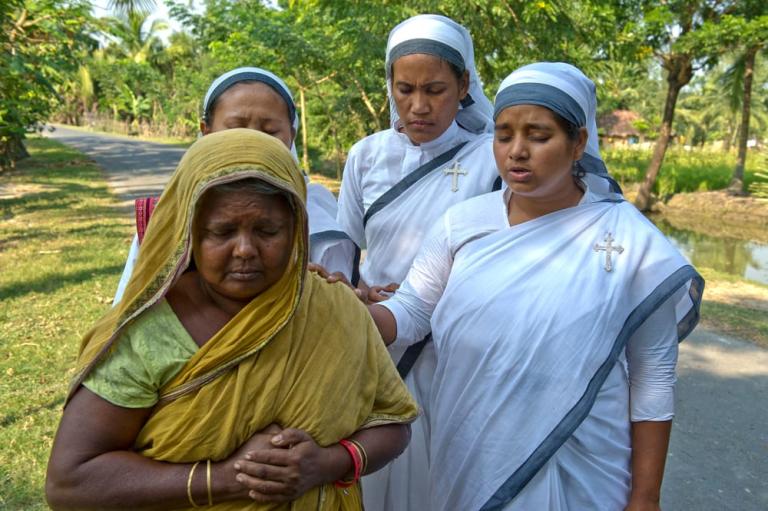
Sisters of Compassion, women national missionary workers, praying for a poor widow
These Sisters of Compassion are praying for this poor widow who lost her husband to a tiger attack. They often find practical ways to assist people who are desperate for help, hope and encouragement, showing the love of Christ throughout the process.

Looking ‘Inside’ for Lasting Solutions

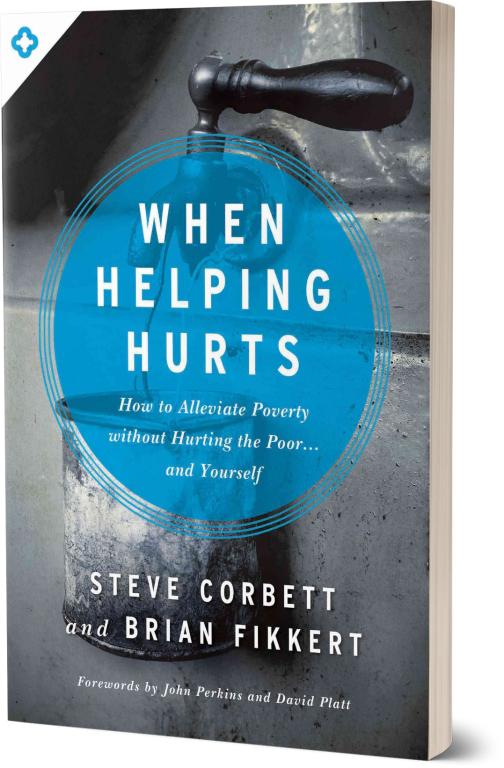
When Helping Hurts book cover
With more than 450,000 copies in print, When Helping Hurts is a paradigm-forming contemporary classic on the subject of poverty alleviation. Photo by Moody Publishers

Instead of looking to the West, many humanitarian and missions groups are looking “inside,” turning their attention to the vast pool of dedicated and talented workers within the nations in which they serve. They’re convinced that national workers are the key to lasting transformation.

It’s an opinion shared by development specialist Steve Corbett and economics professor Brian Fikkert, co-authors of When Helping Hurts: How to Alleviate Poverty Without Hurting the Poor and Yourself.

“God has blessed many of these indigenous workers with amazing talents and strong passions,” they write. “They often minister long term in environments that would be a deep challenge for even the most impassioned outsider. Furthermore, these indigenous workers’ understanding of local cultures and languages makes them far more effective than the outsiders could typically be, either in the short or long term.”

“Moreover, these indigenous workers usually do this work at salaries that are far below mainstream North American standards,” they said. Corbett and Fikkert continue to discuss how one highly respected organization equips and manages national workers across Africa at a total annual cost of $1,540—a total that, according to the authors, includes the worker’s salary, bicycle, backpack, shirt and bedroll.

These are facts that the Church in the West needs to accept, they say: “The North American Church needs to more deeply appreciate the fact that Christians at home and abroad are ministering within their own nations, people groups, and communities at a large and growing rate, particularly in the [developing world]”.

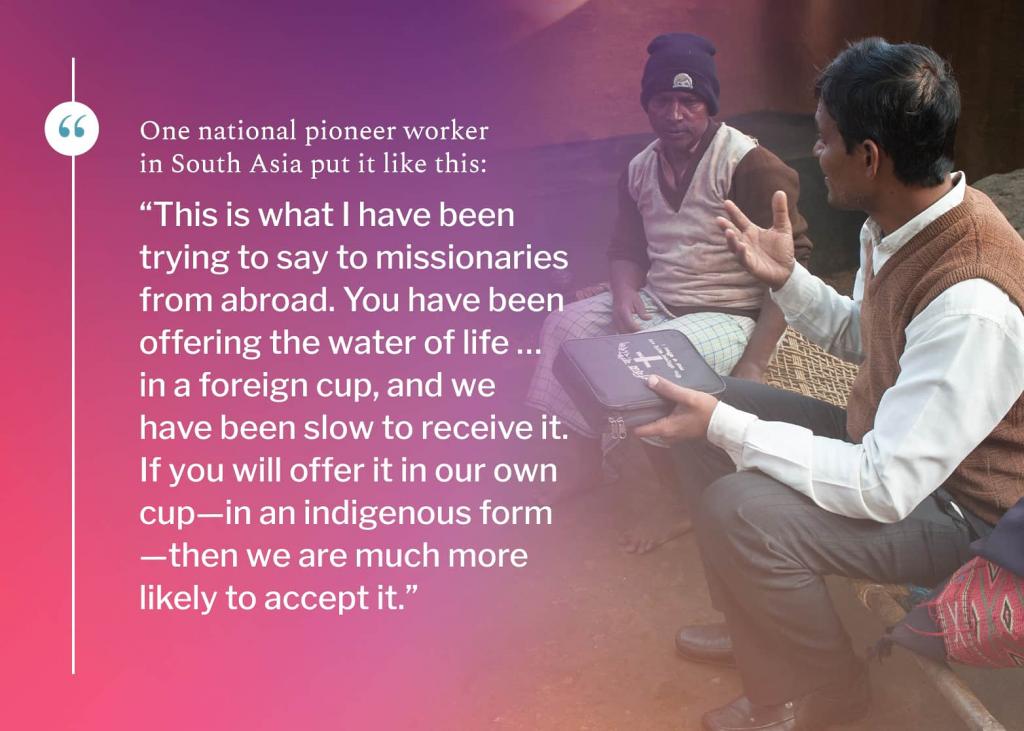
One national pioneer worker in South Asia put it like this: “This is what I have been trying to say to missionaries from abroad. You have been offering the water of life … in a foreign cup, and we have been slow to receive it. If you will offer it in our own cup—in an indigenous form—then we are much more likely to accept it.”

The ‘T’ Word: ‘Transforming’ Communities

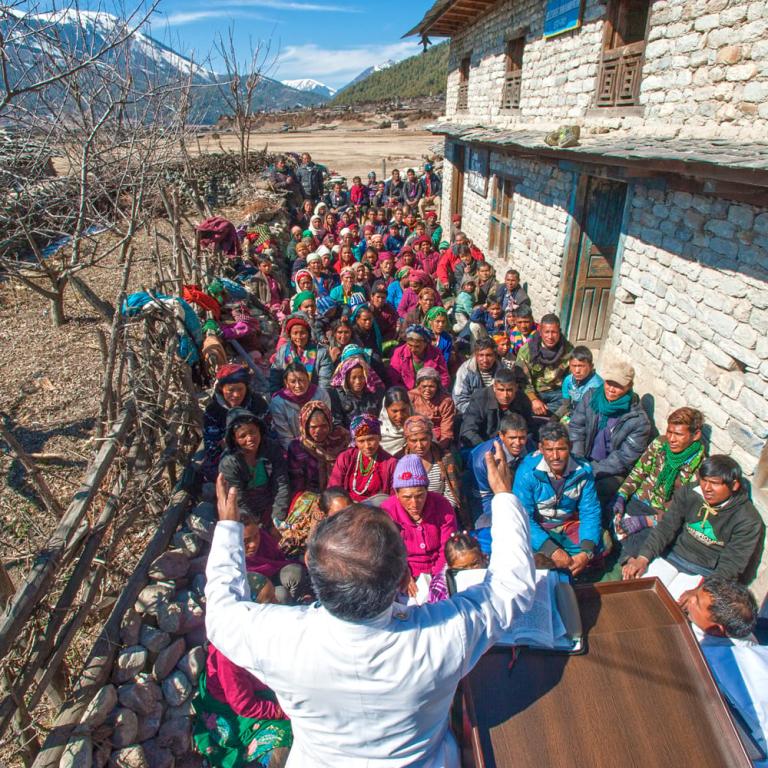
A church in Nepal
Often the area church leaders visit their churches in Nepal to encourage and teach the believers and assist them with practical ways to show the love of Jesus to their communities, like providing health care, clean water, food or medical assistance.

“Transformation” is a buzzword widely used in humanitarian, community development and missions circles, and it means different things to different people. Generally, it refers to a rebirth of a community, a revival of health, wellness, vitality, prosperity and hope. For faith-based organizations, everything is wrapped in God’s love. It’s the goal of all workers who follow Jesus—foreign and native—to bring transformation.

But what does transformation really look like?

Global CHE Network builds what it calls “transformational” movements within thousands of villages and communities across more than 130 countries by equipping and training national workers to spread health, good news and the love of God.

The organization tells the following story. In a small town in the Philippines, the jail sits empty, and the local attorney had to relocate because he didn’t have any clients to defend. The streets are spotless with barely a scrap of litter in sight, and the town sign reads: “Welcome to Bingawan, a Christian Community.”

It wasn’t always like this in Bingawan. The town used to have its share of trouble, crime and vice. But when the local people—impacted by Christ’s love and a revival of hope—decided to make changes in their own lives, the entire town underwent a profound transformation. Gambling joints closed, crime plummeted and the guards at the local jail found themselves staring at empty cells, according to Global CHE workers.

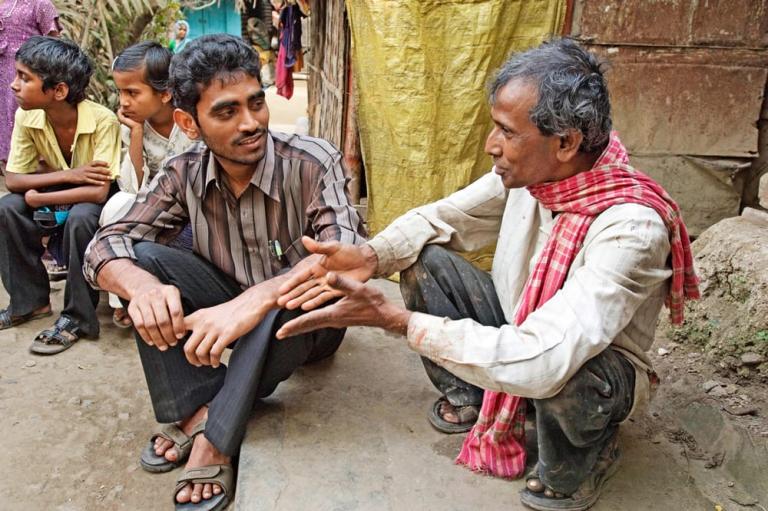
Asian missionary worker shares the love of Christ to his community
This Asian missionary’s goal is to show the love of Christ with every family in his community, by meeting practical needs each person has for help, hope and encouragement.

Other humanitarian agencies also tap into the strengths and connectivity of national workers, putting already-established local networks into action in the pursuit of lasting transformation.

Care Groups in a village
Care Groups are formed with 10-15 community members who build trust, share information, support one another, and then pass on what they’ve learned to others in their village with the end goal of helping their entire community. This approach has reached over 1.4 billion homes in 28 countries bringing awareness, health, and open doors for the hope of Christ.
Photo by World Relief

One inspired approach, known as the Care Group Model, has revolutionized the health and lives of hundreds of thousands of impoverished villagers in Asia and Africa.

Launched by World Relief, the Care Group Model tackles community problems at the grassroots level and operates in the heart of the community by training groups of local volunteers to confront the most serious health threats.

These volunteers, which are nearly all women, each share their newfound knowledge with 10–15 of their neighbors, spreading lifesaving know-how in the most effective way: mother to mother.

In one area, surveys revealed Care Groups:

  • Reduced the number of malnourished children by 45 percent.
  • Improved access to trained birth attendants, saving lives.
  • Increased the number of household latrines.
  • Significantly expanded the use of bed nets to prevent malaria.

The proven impact of the Care Group model, which is sustained and fully operated by national workers, is phenomenal. Across regions containing hundreds of villages, the local volunteers achieve “saturation coverage,” meaning every household is reached.

Thoeun, a local health educator in Cambodia, says if a child fell sick, villagers often suspected supernatural causes and looked to supernatural remedies. Growing up in the culture, Thoeun understands the way the villagers think. But the Care Group introduced her to a new way of thinking about health—and showed her the love of God. The combination of education, care and good news changed her life, she says, and since then she’s encouraged hundreds of others.

GFA World national workers have transformed lives in more than 12,000 parishes across South Asia.“The local people wonder why we’re so positive and friendly. … They ask us why,” Thoeun says, explaining it opens the door to tell them about God’s love.

While different faith-based and humanitarian groups have made a big impact on communities by recognizing the strengths, commitment and drive of local workers, perhaps no agency has done more than Gospel for Asia (GFA World). Its national missionaries have transformed lives in more than 12,000 parishes across Asia, in nations such as Myanmar, Sri Lanka and Bangladesh.

‘Native Shockwave’

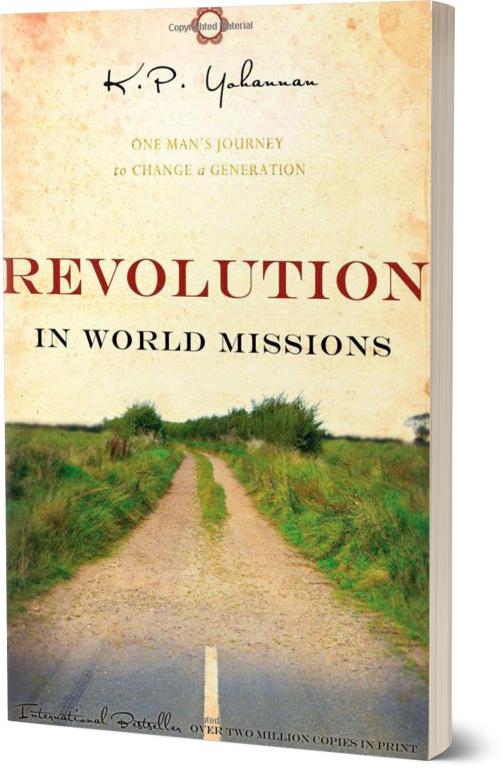
When GFA World’s K.P. Yohannan launched his best-selling book Revolution in World Missions in the mid-1980s, its groundbreaking message sent shockwaves through churches, missions agencies and humanitarian organizations that were used to operating according to the traditional norms of Western missions endeavors.

Lorem ipsum dolor sit amet
From the villages of India to the shores of North America missionary statesman KP Yohannan’s passion is contagious!

Yohannan’s vision helped turn the traditional Western “missions sending model” upside down, instead advocating for people in the West to support and train national workers already in place. Yohannan claimed local workers were better suited to do the work of transforming communities across Asia. They already lived at the same level as the local people: working alongside them, living among them in the villages and slums, dressing the same, speaking the same language, eating the same food, drinking from the same well.

Jager is one such worker. Trained and supported by Gospel for Asia (GFA World), Jager ventured to villages in a difficult area of South Asia, determined to show people the love of God. Jager and his wife lived in a one-room mud house, like the local people, and cooked their food on an open fire.

National workers, Yohannan reasoned, understood the local culture and customs, were more easily accepted and could go where outsiders were not able or permitted to travel.

In effect, Yohannan’s dream is to see thousands of community-transforming national workers across Africa and Asia, equipped with the training and resources to break extreme poverty and offer hope to those in despair, all in the name of Christ.

National missionary workers home fellowship
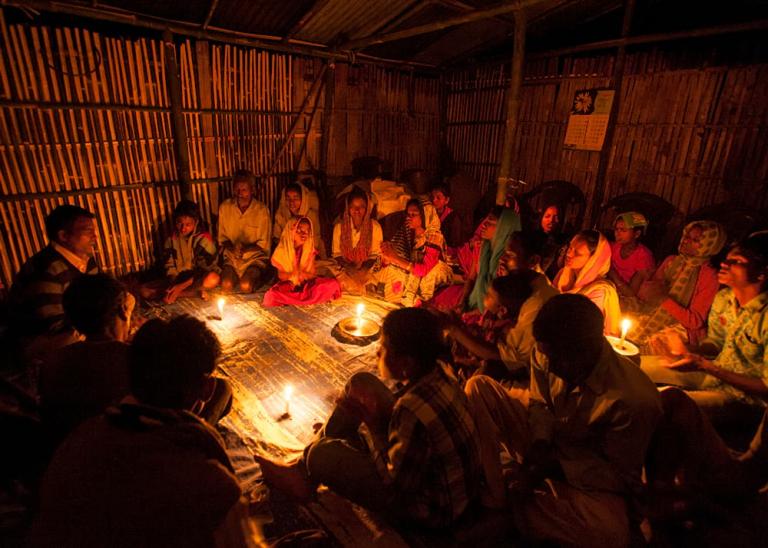
Many national workers live in one room homes like this one which can double up as a location for fellowship and thanksgiving where a local pastor can encourage the villagers in the Lord.

“Filled to overflowing with the love of God, these national workers are passionate to share that love with everyone they meet,” Yohannan said. “Ultimately, the only true lasting transformation can happen through Christ who brings hope for this life and the life to come.” Yohannan continues, “While we must care for the hungry and suffering, we must not forget to share the authentic message of redemption through Christ. The holy Scriptures tell us in Mark 8:36 ‘What shall it profit a man if gains the whole world and loses his soul.’”.

A criticism sometimes leveled at national workers in developing nations is that they lack quality, formal training. The inference is they’re not up to “Western standards” of education and knowledge. But groups like Gospel for Asia (GFA World) don’t expect national workers to operate on passion and enthusiasm alone. Each worker undergoes extensive, in-depth training and preparation for their role of service.

Following a three-year period of intense training, these courageous national missionaries set off into “uncharted territory” where often no missions or humanitarian agency has gone before, bringing clean drinking water through “Jesus Wells” to the remotest villages, launching child sponsorship programs for children who never dreamed they’d be able to go to school, and fighting poverty with vocational training, sewing machines and fishing nets.

Missionary Pastor Ravid shares his compelling story of how he continued to show God’s love and meet practical needs within his community throughout the COVID-19 pandemic and subsequent lockdowns.


Give to Support National Missionaries »

If this special report has touched your heart and you would like to help national workers show Jesus’ love by meeting practical needs, then make a generous one time or monthly gift to support a national missionary in Asia or Africa.


Read the rest of this Gospel for Asia – Transforming Communities (GFA World) Special Report: National Workers: Unstoppable Compassion Force Part 1, Part 3


About GFA World

GFA World (Gospel for Asia) is a leading faith-based global mission agency, helping national workers bring vital assistance and spiritual hope to millions across the world, especially in Asia and Africa, and sharing the love of God. In GFA World’s latest yearly report, this included thousands of community development projects that benefit downtrodden families and their children, free medical camps conducted in more than 1,200 villages and remote communities, over 4,800 clean water wells drilled, over 12,000 water filters installed, income-generating Christmas gifts for more than 260,000 needy families, and teaching providing hope and encouragement available in 110 languages in 14 nations through radio ministry. GFA World has launched programs in Africa, starting with compassion projects in Rwanda. For all the latest news, visit our Press Room at https://press.gfa.org/news.


Read more blogs on GFA World, National Missionary Workers, and World Missions on Patheos from Gospel for Asia.

GFA’s Statement About Coronavirus

Learn more by reading this Special Report from Gospel for Asia on the Lord’s work in 2020 through GFA and the partnerships worldwide while following Him in His work in 16 nations, including Sri Lanka, Bangladesh and Nepal.


Learn more about Gospel for Asia: Facebook | YouTube | Instagram | LinkedIn | SourceWatch | Integrity | Lawsuit Update | 5 Distinctives | 6 Remarkable Facts | 10 Milestones | Media Room | Widows & Coronavirus | Endorsements | 40th Anniversary | Lawsuit Response | International Offices | Missionary and Child Sponsorship | Transforming Communities through God’s Love

Notable News about Gospel for Asia: FoxNews, ChristianPost, NYPost, MissionsBox
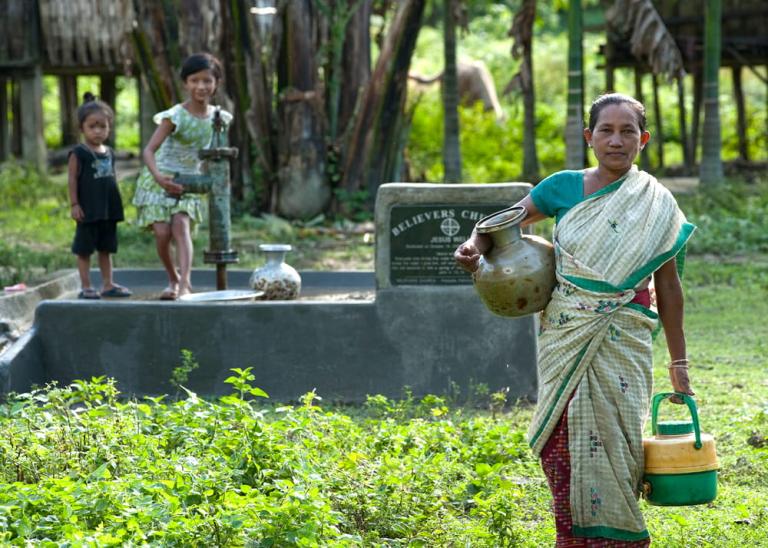
Read what 25 Christian Leaders are affirming about GFA World.

This Special Report originally appeared on gfa.org.

2022-03-31T07:00:22+00:00

WILLS POINT, TX – GFA World (Gospel for Asia) founded by K.P. Yohannan, whose heart to love and help the poor has inspired numerous charities like GFA World Canada, to serve the deprived and downcast worldwide, one of America’s largest Christian organizations is on a quest to help re-energize the faith of those ages 18-30, a group vanishing from the church.

Engaging the Vanishing Generation: GFA World Set Apart 2022 event, June 20-26, aims to help young adults bring faith in God back into focus.
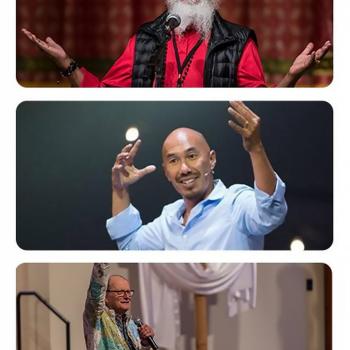
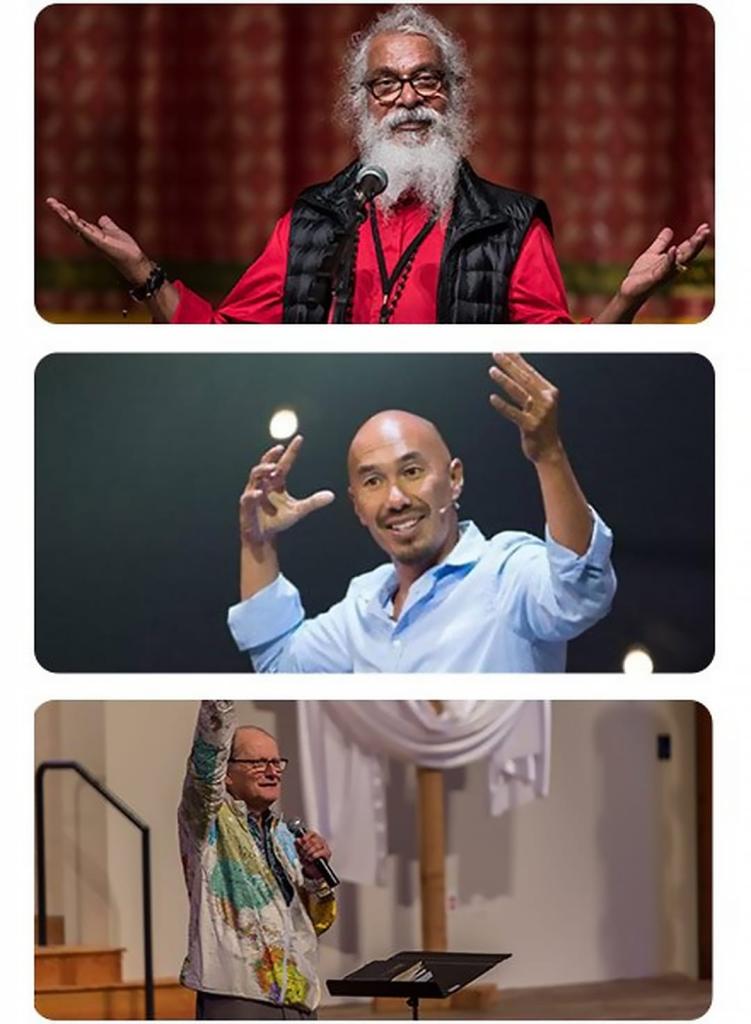
ENGAGING THE ‘VANISHING GENERATION’: Gospel for Asia (GFA World) aims to help re-energize the faith of those 18-30, a group vanishing from the church because many of them say God “seems missing.” Organizers anticipate the Set Apart 2022 conference, featuring ministry leaders Metropolitan KP Yohannan, Francis Chan and George Verwer, will attract hundreds of young adults to GFA World’s campus at Wills Point, Texas, June 20-26. Learn more at gfa.org/setapart/.

Nearly two-thirds of 18-29 year olds who grew up in the U.S. going to church have dropped out, according to research. The number of young church dropouts rose to a staggering 64% in 2019.

A 5-year-long study by faith-based research group Barna found almost a third of the young adults described church as “boring,” one-quarter of them said faith is “not relevant,” and 1 in 5 who attended church as a teenager said God “seems missing” from their experience.

Now Gospel for Asia (GFA World), a key player in global evangelical ministry, aims to ignite a new spiritual zeal among Gen Z (late teens and early 20s) and also Millennials, those age 26 and up.

The Texas-based organization is holding its first-ever Set Apart (www.gfa.org/setapart/) retreat June 20-26, with the goal of helping hundreds of young adults discover a deeper calling and trade their smartphones for a time of “listening to God’s voice.” Watch the Set Apart promo video here: https://youtu.be/JPaQSuxNZ7k

“We’ve become addicted to our phones, getting a buzz out of seeing our posts on Facebook and hearing the ‘ding’ when someone responds,” said Bishop Daniel Punnose, vice-president of Gospel for Asia (GFA World) and leader of the young adult conference to be held at GFA World’s campus in Wills Point, 50 miles east of Dallas.

Experiencing Radical Faith

“We want to give young people an experience of the Christianity that has not only sustained the church for 2,000 years, but has turned the world upside down,” Punnose said. ‘To live a life that’s counter to our self-centered culture, this generation needs to see a purpose for their lives that is not centered on themselves, but on Christ.”

Francis Chan –bestselling author of “Crazy Love” – will be one of the speakers at the event, along with George Verwer, founder of Operation Mobilization, and K.P. Yohannan, founder of Gospel for Asia (GFA World).

“There’s such a busyness and craziness to our minds right now,” Chan said. “People need to understand better than ever before how to just be quiet and rest in the Lord, meditate on his word (and) enjoy his presence.”

During Set Apart 2022, young people will learn to listen to God’s voice, meditate on the Bible, and spend time alone in prayer. The experience, Punnose said, promises to bring them closer to God and help them refocus their lives on things that matter. And long beyond the week-long retreat, participants will return home equipped with the tools to stand firm in their faith and live purposely for Christ even in the midst of a world of distraction.

“Most conferences are about going to hear someone talk about God; this retreat is about spending a whole week meeting with God,” Punnose said.

Those 18-30 can go to www.gfa.org/setapart/ for more information and to sign up.


About GFA World

Gospel for Asia (GFA World) is a leading faith-based global mission agency, helping national workers bring vital assistance and spiritual hope to millions across the world, especially in Asia and Africa, and sharing the love of God. In a typical year, this includes thousands of community development projects that benefit downtrodden families and their children, free medical camps conducted in more than 1,200 villages and remote communities, over 4,800 clean water wells drilled, over 12,000 water filters installed, income-generating Christmas gifts for more than 260,000 needy families, and teaching to provide hope and encouragement in 110 languages in 14 nations through radio ministry. GFA World has launched programs in Africa, starting with compassion projects in Rwanda. For all the latest news, visit the Press Room at https://gfanews.org/news.


2022-04-05T10:42:27+00:00

WILLS POINT, TX – GFA World (Gospel for Asia) founded by K.P. Yohannan, has been the model for numerous charities like GFA World Canada, to assist the poor and deprived worldwide, issued this first part of a Special Report on the unstoppable compassion force of national missionary workers.

GFA World (Gospel for Asia) issued this Special Report on the unstoppable compassion force of national missionary workers.
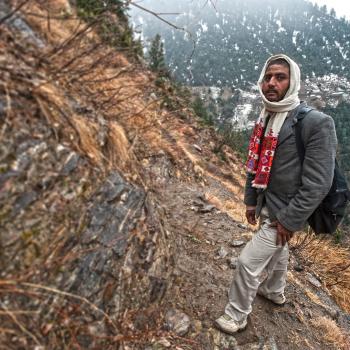
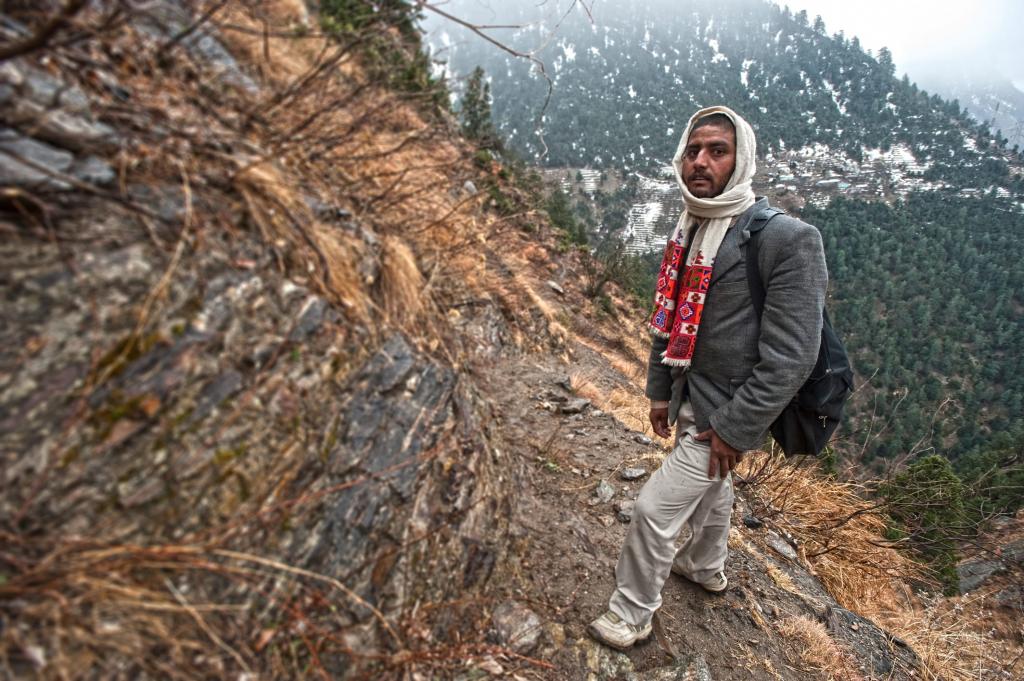
To help a village on top of a Himalayan mountain, this Gospel for Asia (GFA) national worker rode a bus for hours, then hiked uphill for three hours more, to show the love of Jesus by meeting their practical needs.

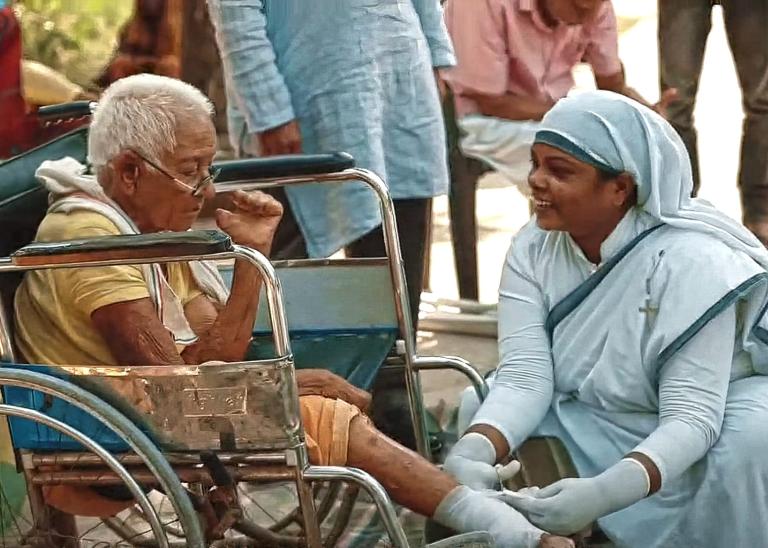
A young Asian woman wearing a white robe and head covering cradles an elderly woman’s feet that are horribly deformed by leprosy and gently washes them in a bowl of water.

The old woman can scarcely believe someone is touching her, caring for her, loving her. Most people would recoil from this woman and avoid the leprosy colony where she lives. The colony is a place of disease, disfigurement and disability. Its residents are used to being treated as outcasts by others and viewed as cursed. They are used to their deformed bodies being seen as objects of ugliness.

Geeta, Sisters of Compassion, cleans and bandages the wounds of a leprosy patient
Geeta (pictured), a Sister of Compassion, works in a leprosy colony where 30 families live. Many of the residents are unable to work, so the Sisters visit regularly to encourage them, clean their wounds, cut their hair and trim their nails, give them baths, wash their clothes, clean their houses and cook for those who are unable to do so themselves.

But to the young woman dressed in white, these feet are beautiful.

She and her companions, known as Sisters of Compassion, come here regularly to clean wounds, cut hair and trim nails. They see beauty amid the truncated limbs and deeply scarred bodies that few are willing to look upon, let alone touch.

As locals and neighbors, the Sisters fully understand the culture and customs into which they pour their compassion. They appreciate and respect the historical and religious traditions, speak the local language and know the nuances of the dialect. And they’re specially trained in leprosy wound care and family counseling.

To all this, they add the unspoken language of Christ’s love.

“We do all this because of the love of God,” says Geeta, one of the Sisters trained to care for people with leprosy.

No one else could have the impact these women are having on their own people, often their own neighbors. Their roots of love go deep, and their branches of compassion reach into places where no one else goes.

While their long white robes, known as saris, might appear like unusual attire to Western eyes, the significance in South Asia is huge. The Sisters’ simple handspun uniform mirrors the traditional sari once worn by the lowliest of servants in Asia. It says to the old woman whose body has been disfigured with leprosy: “I am here to serve you. I see your worth.”

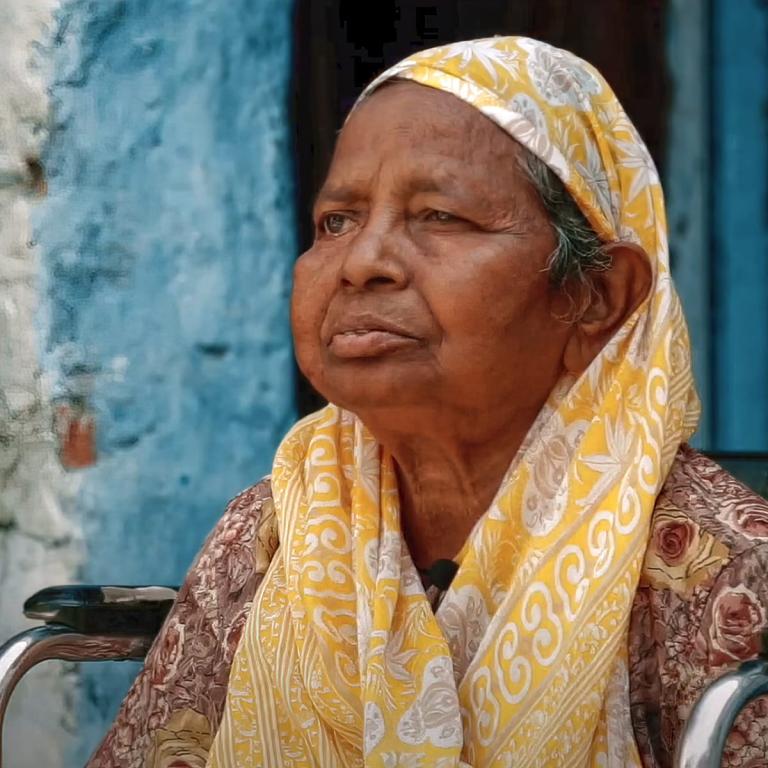
Mungeli Das, a leprosy patient
People like Mungeli Das (above) receive help from the Sisters of Compassion. Says Geeta: “If we didn’t help them, no one would have served them or taken care of them … they would die without any hope. Whether it’s a literacy class or cleaning their wounds, we do all of this because of the love of God.”

Mungeli Das, who contracted leprosy as a little girl more than 50 years ago, was treated for five years, then cured. Because of the deformity left by the disease, the leprosy colony has been her home for decades. She clings to the help and hope that the Sisters of Compassion bring her. The Sisters follow the example of Jesus who, according to the gospels, touched and healed those, like Mungeli, with leprosy.

“Before the Sisters came, there was no one to help trim our hair, cut our nails or help us clean our houses and encourage us,” Mungeli says. “The Sisters help us by cleaning our wounds, and they make us happy and encouraged [us] all the time.”

In places where outsiders, foreigners and foreign mission workers are prohibited or restricted, national workers and national missionaries have much more opportunity to serve. These women and men are welcomed and considered trustworthy counselors and friends of the community.

Outsiders may come and go. But national missionaries, such as GFA World’s Sisters of Compassion, stand the test of time.

“Each woman who serves as a Sister of Compassion is full of sacrificial love, just like Jesus,” explains Gospel for Asia (GFA World). “They do the most unglamorous things, such as bathing someone … or feeding people who’ve been affected by leprosy [and] no longer have any fingers [to] feed themselves.”

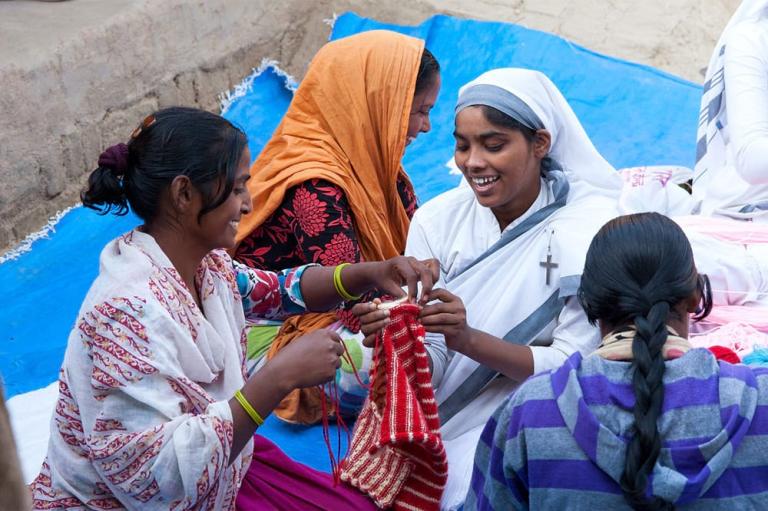
Sisters of Compassion teaching practical skills to struggling women
Teaching practical skills to help struggling women make a living is just one of the many things Sisters of Compassion do as they serve their communities. In all they do, these national missionaries demonstrate the love of Jesus for the poor and impoverished.

Unsung Heroes of the Frontline

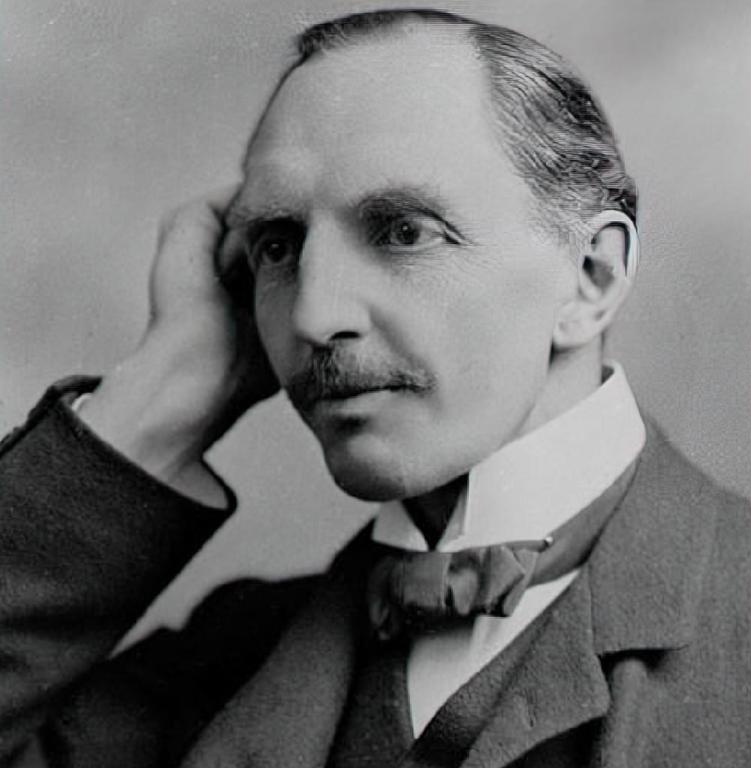
CT Studd
CT Studd was a foreign missionary to China, India, Sudan and the Congo who said: “Nothing in this world would last, but it was worthwhile living for the world to come.”

While Western workers often venture to far-flung places and do amazing things, it’s the unsung heroes of the frontline—the local, indigenous people—who consistently make the greatest impact and bring true transformation to their own communities.

In the past, missions trailblazers like William Carey from England in the 1700s, and C.T. Studd in the late 1850s and early 1900s, paved the way for swarms of foreign missionaries and humanitarian workers, mostly from Western countries.

But the tide has changed.

National workers are the “new pioneers” of the 21st century, and they’re proving to be an unstoppable compassion force.

“[National] workers toil to bring healing and hope,” GFA World says. “They touch thousands of lives with the tangible love of God through slum, leprosy, medical and disaster relief ministries. Thanks to them, men, women and children who otherwise might have gone without help … have been blessed with much-needed aid.”

Beauty of Local Mission Workers

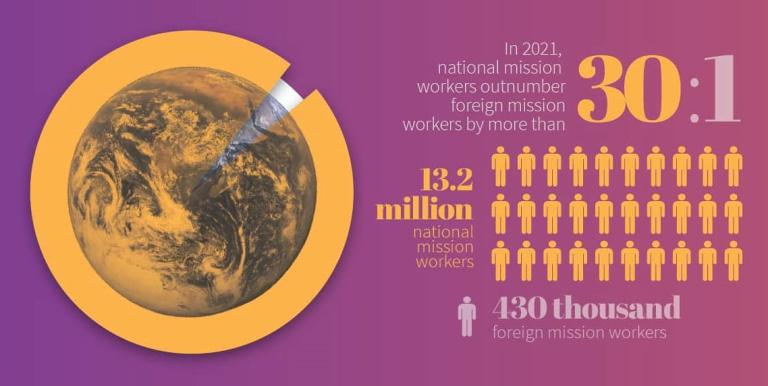
On a worldwide scale, according to the Center for the Study of Global Christianity (CSGC), there were 430,000 foreign mission workers overseas in 2021, compared with 13.2 million national workers (local citizens).

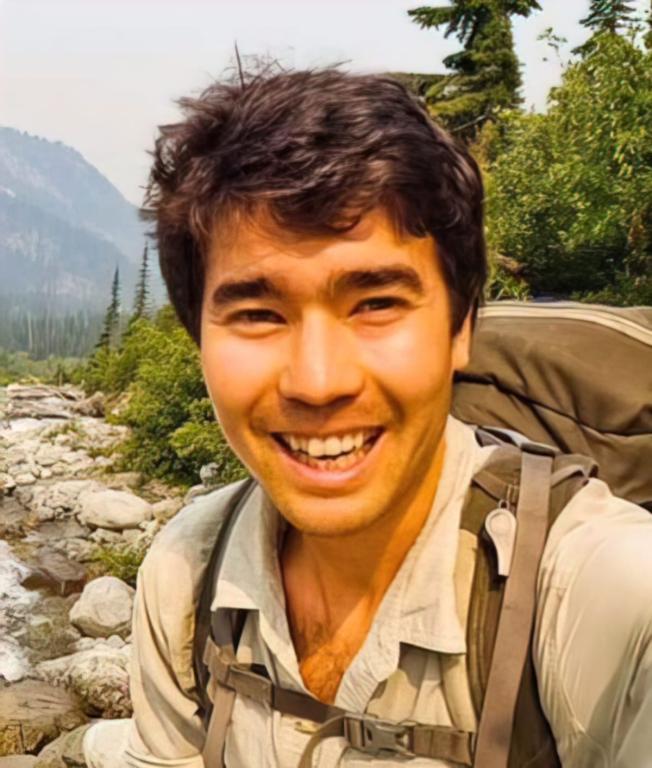
John Allen Chau, American Missionary
John Allen Chau was an American missionary killed by the Sentinelese, a self-isolated people, after illegally travelling to North Sentinel Island in an effort to preach to them.

That means national mission workers—those serving within their own culture and nation—now outnumber foreign workers by more than 30 to 1.

The CSGC predicts the number of national mission workers globally will explode to 17 million by 2050, while the number of foreign workers will increase to 600,000.

To be sure, Western Christians are still drawn to overseas missions in large numbers. But the exporting of expatriates to distant foreign fields can come at a high cost, potentially hindering progress.

In extreme cases, the quest of well-meaning foreigners with a zeal to exercise their faith and do good can end in tragedy, as in the headline-making case of a U.S. mission worker in 2018.

While attempting to make contact with the “unreached” indigenous people of North Sentinel Island, an isolated island in the Bay of Bengal, it’s believed David Allen Chau was speared to death. As of the date this article was published, his body had not been recovered.

Chau’s death was tragic and highlights the very real dangers facing non-nationals in remote areas. But it’s not only the safety of foreigners that’s an issue. It’s also the cost in dollars of sending Western workers and keeping them in their overseas assignment.

Pie chart representation of national mission workers vastly outnumbering foreign mission workers by more than 30:1
Statistics from Center for the Study of Global Christianity, “Status of Global Christianity, 2021, in the Context of 1900–2050.”

Counting the Cost of Foreign Workers vs National Workers

Missions Fest International, an annual global missions conference, spotlighted the financial cost of “sending” a Western mission worker compared with the cost of supporting a national worker in a provocative article on its website titled “Should We Stop Sending Missionaries?”

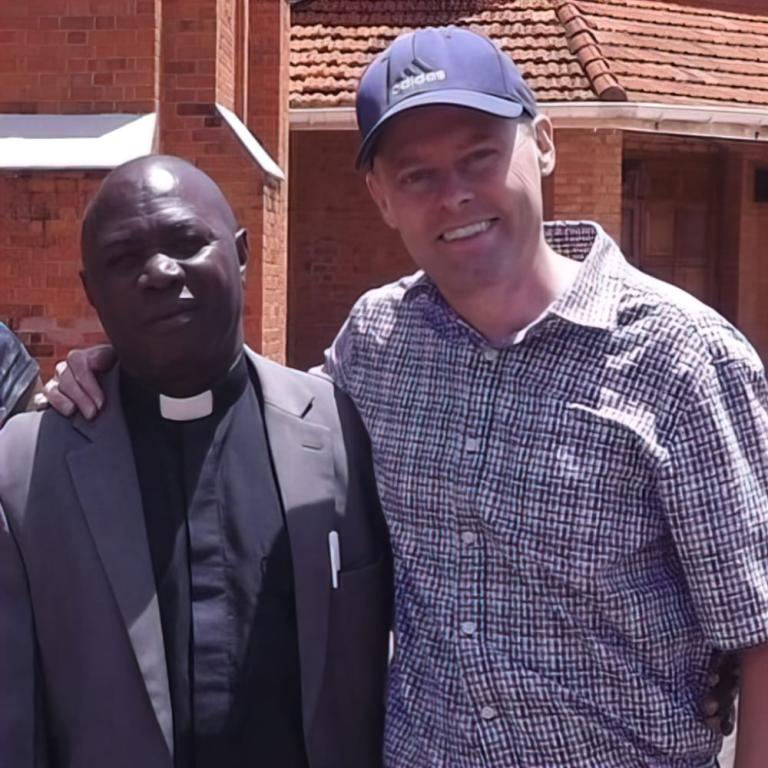
Julian Lukins with Stephen Kaziro of the Church of Uganda
Author Julian Lukins, pictured in Kampala, Uganda, with archdeacon Stephen Kaziro of the Church of Uganda who oversees dozens of village churches, including several that also act as local health clinics in the rural Namutumba district.

While stating there’s still a great need and important role for foreign workers in many parts of the world, the article points out it typically costs more than $50,000 a year to support a Western family in a developing nation such as Africa and Asia—an annual sum that could help support more than 50 national workers, the article says. For example, based on my personal experience in Uganda, an American family of four living in Africa might pay $1,000 a month for expat health insurance coverage that includes emergency medical evacuation. Because of security issues, they might have to live in a secure compound at high rent and pay hundreds of dollars every month for guards 24/7. Legal paperwork and visas can cost hundreds, even thousands, of dollars every year.

Run the numbers and it’s perhaps no surprise, then, that national workers—willing and able to live far simpler and free of immigration restrictions—are increasingly seen as a wise investment.

More than 140 organizations “are now built on the premise of gathering and sending money [to support national workers], not people,” the article says.
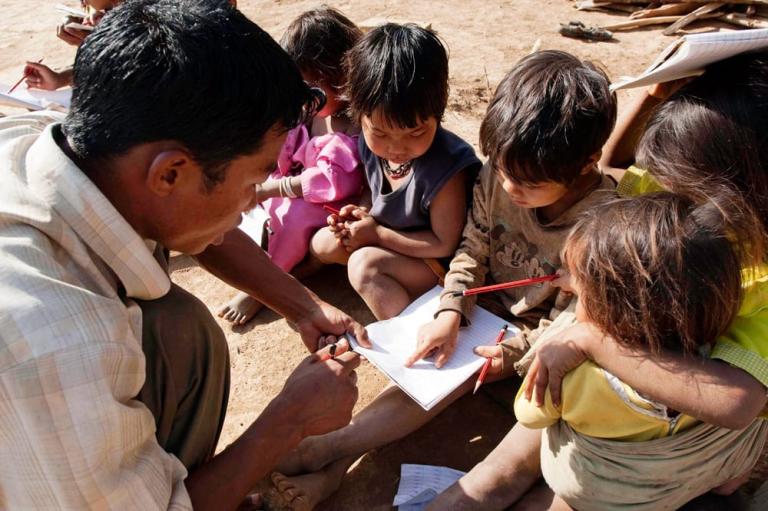
A national missionary worker teaches a group of children how to read
In a village where not one person could read or write, this missionary is showing the love of God by teaching children how to read.

While short-term overseas missions trips still play a huge role in the West, the merit and value of supporting local, native workers over the long haul has become widely embraced as the most effective approach in the quest for the “holy grail” of missions: to bring long-term, total transformation to impoverished communities.

Certainly, over the past couple of decades, it’s become a trend in Western nations for people, especially young people in their 20s, to travel to places in Africa, Asia or South America to volunteer in orphanages, children’s homes and the like.

Photos of young Westerners cuddling babies and surrounded by excited children in Africa and Asia have flooded social media and reinforced the so-called “white savior” label, often unfairly attached to compassionate individuals from the U.S., Canada, U.K. and other wealthy countries who simply want to make a difference in the world.

But now, it seems, this missions phenomenon—undoubtedly impacted further by COVID-19 travel restrictions—could be in decline.

An article in The Atlantic put it like this: “Among the new generation of Western Christian missionaries, the so-called ‘white savior complex’—a term for the mentality of relatively rich Westerners who set off to ‘save’ people of color in poorer countries but sometimes do more harm than good—is slowly fading.”


Give to Support National Missionaries »

If this special report has touched your heart and you would like to help national workers show Jesus’ love by meeting practical needs, then make a generous one time or monthly gift to support a national missionary in Asia or Africa.


Read the rest of this Gospel for Asia – Transforming Communities (GFA World) Special Report: National Workers: Unstoppable Compassion Force Part 2, Part 3


About GFA World

GFA World (Gospel for Asia) is a leading faith-based global mission agency, helping national workers bring vital assistance and spiritual hope to millions across the world, especially in Asia and Africa, and sharing the love of God. In GFA World’s latest yearly report, this included thousands of community development projects that benefit downtrodden families and their children, free medical camps conducted in more than 1,200 villages and remote communities, over 4,800 clean water wells drilled, over 12,000 water filters installed, income-generating Christmas gifts for more than 260,000 needy families, and teaching providing hope and encouragement available in 110 languages in 14 nations through radio ministry. GFA World has launched programs in Africa, starting with compassion projects in Rwanda. For all the latest news, visit our Press Room at https://press.gfa.org/news.


Read more blogs on GFA World, National Missionary Workers, and World Missions on Patheos from Gospel for Asia.

GFA’s Statement About Coronavirus

Learn more by reading this Special Report from Gospel for Asia on the Lord’s work in 2020 through GFA and the partnerships worldwide while following Him in His work in 16 nations, including Sri Lanka, Bangladesh and Nepal.


Learn more about Gospel for Asia: Facebook | YouTube | Instagram | LinkedIn | SourceWatch | Integrity | Lawsuit Update | 5 Distinctives | 6 Remarkable Facts | 10 Milestones | Media Room | Widows & Coronavirus | Endorsements | 40th Anniversary | Lawsuit Response | International Offices | Missionary and Child Sponsorship | Transforming Communities through God’s Love

Notable News about Gospel for Asia: FoxNews, ChristianPost, NYPost, MissionsBox
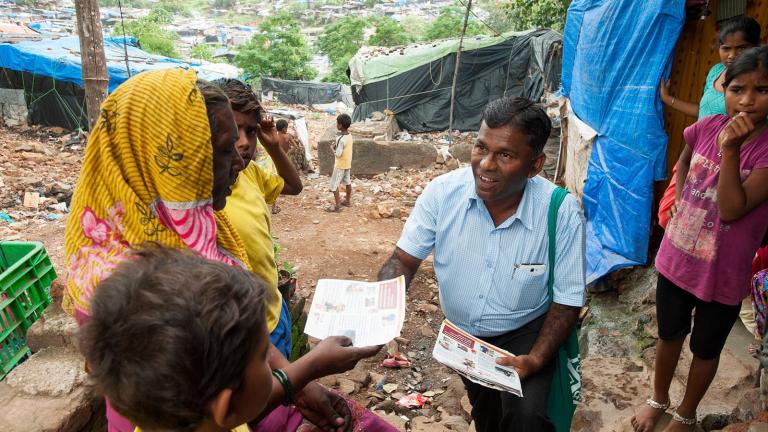
Read what 25 Christian Leaders are affirming about GFA World.

This Special Report originally appeared on gfa.org.

2022-03-11T20:48:12+00:00

WILLS POINT, TX – GFA World (Gospel for Asia) founded by K.P. Yohannan, has been the model for numerous charities like GFA World Canada, to help the poor and deprived worldwide, announces: Nearly 40 years after his landmark book Revolution in World Missions shook the evangelical world, K.P. Yohannan — founder of Gospel for Asia (GFA World) — hosts the brand new radio series, GFA Minute (www.GFAMinute.org).

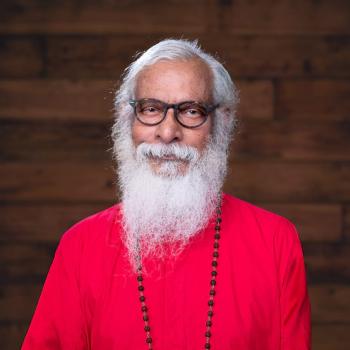
K.P. Yohannan, author of Christian classic Revolution in World Missions, hosts new GFA Minute radio series
60 SECONDS OF HOPE: K.P. Yohannan, founder of Gospel for Asia (GFA World), has launched a brand new radio series, GFA Minute (www.GFAMinute.org), to encourage crisis-weary believers and inspire a generation searching for hope and purpose.

A new series of rapid-fire radio broadcasts aims to inspire a generation searching for hope and purpose as the pandemic drags on and America faces crises on several fronts.

“People are desperate for encouragement right now and want to know their lives really matter,” Yohannan said. “We’re all looking for hope and purpose.”

He aims to encourage America’s crisis-weary believers and challenge the “digital generation” to “live every minute in the light of eternity.”

“The pandemic, steep price increases in the stores, and deep divisions in our country have left many in America demoralized and disheartened,” said Yohannan, who has seen his Texas-based mission organization grow into one of the largest in the world, serving millions of the poorest families in Asia, and now Africa as well.

GFA Minute challenges listeners to share their faith passionately and practically with a world in chaos. “Today, 2.7 billion people are heading toward eternity without Christ. The One who came to seek and save the lost is now looking for us… to pray, fast, send missionaries, and go serve the poor,” said Yohannan.

60 Seconds of Hope

Yohannan’s 60-second radio broadcasts call listeners to avoid materialism and instead live a Christlike lifestyle of compassion, simplicity, and humility.

Gospel for Asia (GFA World) has always been about equipping people to impact their world with Christ’s love,” said Yohannan.

OM International founder George Verwer described Yohannan as a leader with “a pure heart (and) great passion.”

GFA World’s national missionaries minister in 12,000 parishes — or local churches — across Asia. The organization is also expanding into Africa.

Visit www.GFAMinute.org to listen to the broadcasts and download free media files.


About GFA World

Gospel for Asia (GFA World) is a leading faith-based global mission agency, helping national missionaries bring vital assistance and spiritual hope to millions across the world, especially in Asia and Africa, and sharing the love of God. In GFA World’s latest yearly report, this included thousands of community development projects that benefit downtrodden families and their children, free medical camps conducted in more than 1,200 villages and remote communities, over 4,800 clean water wells drilled, over 12,000 water filters installed, income-generating Christmas gifts for more than 260,000 needy families, and teaching providing hope and encouragement in 110 languages in 14 nations through radio ministry. GFA World has launched programs in Africa, starting with compassion projects in Rwanda. For all the latest news, visit our Press Room at https://gfanews.org/news/.


Read more blogs on Radio Ministry and KP Yohannan on Patheos from Gospel for Asia.

Learn more about Gospel for Asia: Facebook | YouTube | Instagram | LinkedIn | SourceWatch | Integrity | Lawsuit Update | 5 Distinctives | 6 Remarkable Facts | 10 Milestones | Media Room | Children in Crisis | Endorsements | 40th Anniversary | Lawsuit Response | International Offices | Missionary and Child Sponsorship | Transforming Communities through God’s Love

Notable News about Gospel for Asia: FoxNews, ChristianPost, NYPost, MissionsBox
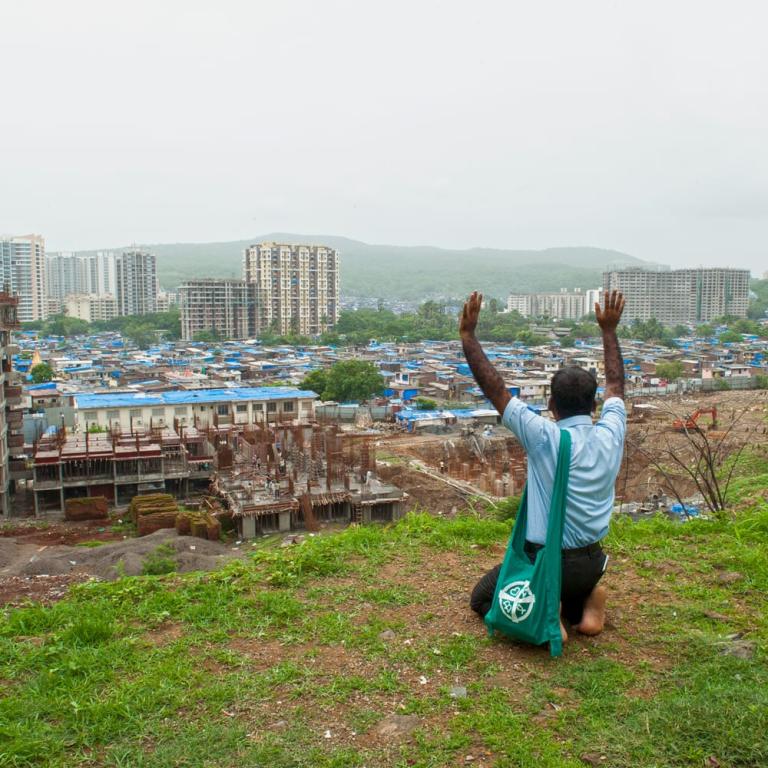

2022-03-01T02:21:41+00:00

WILLS POINT, TX – Gospel for Asia (GFA World) founded by K.P. Yohannan, which inspired numerous charities like Gospel for Asia Canada, to assist the poor and deprived worldwide – Discussing Gospel for Asia (GFA) Pastor Rapoto and his ministry to a village in systemic poverty, and the gift of toilets that helped opened their hearts to God’s love and joy.

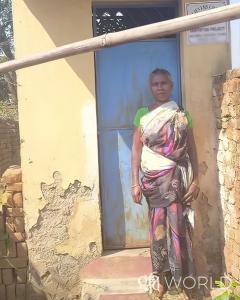
GFA World Toilets: Through the gift of 10 new sanitation facilities (one of which is pictured), a village experienced the gift of God’s love.
Through the gift of 10 new sanitation facilities (one of which is pictured), a village experienced the gift of God’s love.

Pastor Rapoto served a small church of 68 believers, conducting Sunday services, prayer meetings, Sunday school and Women’s Fellowship ministries. Twice a month, he would visit a particular village nearby. Though the villagers followed the traditional religious traditions, Pastor Rapoto had faith that God would enable these people to experience God’s love for themselves.

Villagers in Need

Gospel for Asia (GFA) Pastor Rapoto served in this village for eight years before seeing any fruit from his labor. His heart broke for them and their difficult situations: Most of the villagers earned only a meager income from working in the rice paddy fields, generating barely enough money to survive. They would pray to their gods for protection and prosperity, but their situations never improved.

The village did not have proper sanitation facilities, and many residents were falling ill with diseases like typhoid fever, malaria and cerebral malaria. To make matters worse, because of the systemic poverty in the village, the families of those falling sick could not afford treatment.

A Village’s Heart Opened Through GFA World Toilets

Pastor Rapoto knew the struggles of the people living in this village and submitted applications on their behalf for 10 toilets to be installed in the village. Upon hearing the news and receiving the toilets, the villagers were overjoyed!

With these new toilets, they did not have to worry about using the bathroom during the night and in the rainy seasons. Using the bathroom was once dangerous and uncomfortable for the villagers, but thanks to the new toilets, their health conditions began improving, and they experienced just how much God loved and cared for them.

Their hearts opened to what Pastor Rapoto had to say, and they even began asking him to pray for them in their times of need. Through a simple toilet, God enabled these villagers to experience his love and receive his joy.


Read how the gift of a bicycle increased Shakurah’s faith.

*Names of people and places may have been changed for privacy and security reasons. Images are Gospel for Asia World stock photos used for representation purposes and are not the actual person/location, unless otherwise noted.


Source: Gospel for Asia Field Reports & Updates, Toilets Enable a Village to Experience God’s Love

Learn how to help protect people’s health, prevent diseases and help cure illnesses through donating towards Medical Camps, Mosquito Nets and constructing Outdoor Toilets.

Learn more by reading this GFA World Special Report: Taking the Toilet Challenge – Resolving Open Defecation Continues to Confound the World

Read more on Toilets and Open Defecation on Patheos from Gospel for Asia.

2022-11-26T19:08:47+00:00

WILLS POINT, TX – GFA World (Gospel for Asia) founded by K.P. Yohannan, which inspired numerous charities like GFA World Canada, to assist the poor and deprived worldwide, reveals on a shocking new report, from U.S. border to South Asia, 1.2 billion children in crisis face ‘horrors,’ exploitation on sickening scale.

Children in Crisis: World's Greatest Badge of Shame, released by Texas-based missions GFA World, reveals child exploitation on a global scale
CYBERSEX TO CHILD SACRIFICE: The humanitarian crisis on America’s southern border featured in a shocking new report that examines the horrors facing the world’s children in 2022. “Children in Crisis: The World’s Greatest ‘Badge of Shame'” (www.gfa.org/press/KidsCrisis), just released by Texas-based mission agency Gospel for Asia (GFA World), reveals child exploitation on a global scale.

America’s humanitarian border crisis is featured in a shocking new report that examines the horrors facing the world’s children in 2022.

Many migrant boys and girls fall prey to human traffickers, smugglers, and drug cartels en route to the U.S., according to the report “Children in Crisis: The World’s Greatest ‘Badge of Shame‘” by Texas-based humanitarian agency Gospel for Asia (GFA World).

The report highlights a terrifying U.S. Border Patrol video that shows human smugglers dropping sisters – 3 and 5 years old from Ecuador – over a 14-foot section of the border fence in the New Mexico desert. The smugglers ran off, leaving the young girls alone in the dark.

The border situation, says the report, is a “stark reminder” that children are “in crisis right on our doorstep … wherever we live in the world. And the problem is growing worse.”

Situation Critical

The report estimates 1.2 billion children worldwide are vulnerable to a host of calamities, including abuse, hunger and diseases. It’s a “toxic combination” driven largely by poverty and supercharged by the pandemic, the report says.

Among the horrors are child slavery, sexual exploitation – including the online cybersex industry – and even child sacrifice.

In Uganda, a young mother found the headless body of her 17-month-old son in a shallow grave. The child’s killer turned out to be his own father who was paid $2,000 by a businessman in return for the boy’s head, the report says. It’s believed the child’s head was considered by him to be a “good luck” charm.

The report highlights the following disturbing facts:

Gospel for Asia (GFA World) is helping children escape poverty and protect themselves against such vile abuse and atrocities,” said the organization’s founder K.P. Yohannan, also known as Metropolitan Yohan. “Unless we act now to protect all children and show them God’s love is real, the consequences will be unforgivable.”


About GFA World

Gospel for Asia (GFA World) is a leading faith-based global mission agency helping national workers bring vital assistance and spiritual hope to millions across the world, especially in Asia and Africa, and sharing the love of God. In GFA World’s latest yearly report, this included thousands of community development projects that benefit downtrodden families and their children, free medical camps conducted in more than 1,200 villages and remote communities, over 4,800 clean water wells drilled, over 12,000 water filters installed, income-generating Christmas gifts for more than 260,000 needy families, and teaching providing hope and encouragement in 110 languages in 14 nations through radio ministry. GFA World has launched programs in Africa, starting with compassion projects in Rwanda. For all the latest news, visit the Press Room at https://gfanews.org/news.


Read more blogs on Human Trafficking, Child Labor, Abandoned Children and GFA World on Patheos from Gospel for Asia.

Learn more about the GFA World Bridge of Hope program and how you can make an incredible difference in the lives of children, bringing hope to their lives and their families, transforming communities.

Learn how to provide a chance for children without sponsors. When you give to help unsponsored children, you help supplement the lack of resources when children in Asia don’t have the sponsors they need to stay in a Bridge of Hope center.

Learn more about Gospel for Asia: Facebook | YouTube | Instagram | LinkedIn | SourceWatch | Integrity | Lawsuit Update | 5 Distinctives | 6 Remarkable Facts | 10 Milestones | Media Room | Poverty Solution – Farm Animals | Endorsements | 40th Anniversary | Lawsuit Response | International Offices | Missionary and Child Sponsorship | Transforming Communities through God’s Love

Notable News about Gospel for Asia: FoxNews, ChristianPost, NYPost, MissionsBox
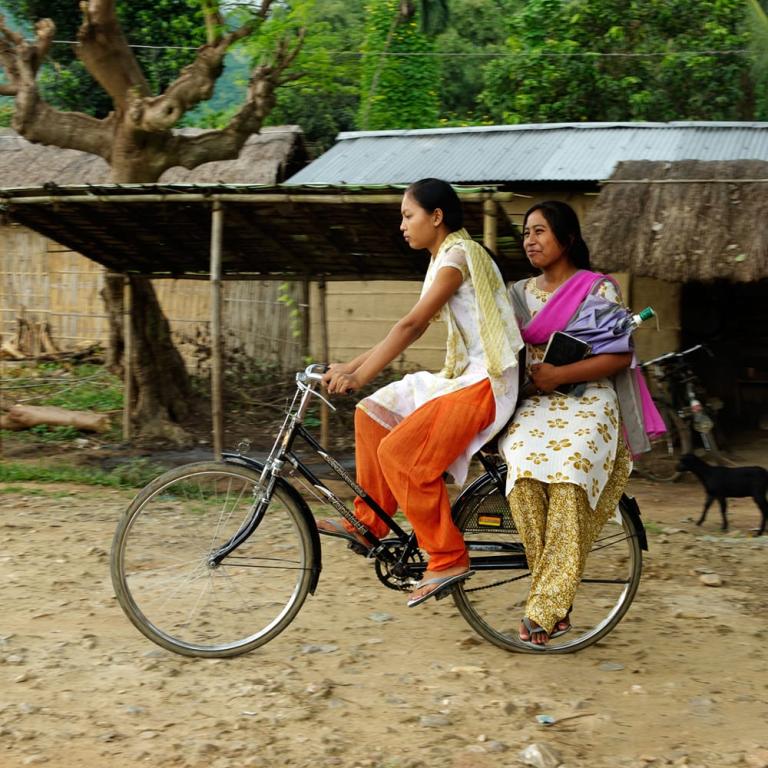

2023-03-22T07:41:55+00:00

WILLS POINT, TX – GFA World (Gospel for Asia) founded by K.P. Yohannan, whose heart to love and help the poor has inspired numerous charities like GFA World Canada, to serve the deprived and downcast worldwide, issued this second part of a Special Report update on girls facing decreased opportunity and increased violence, the young victims who remain hidden in the shadow of the COVID-19 pandemic.

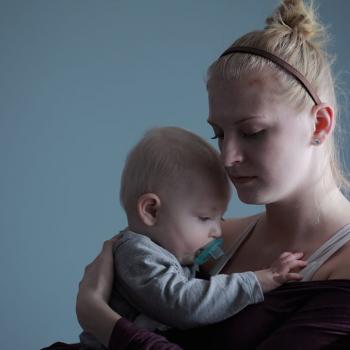
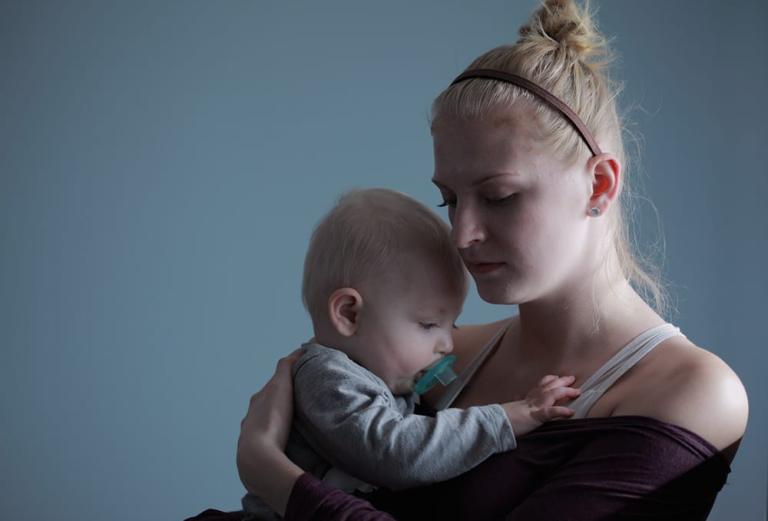
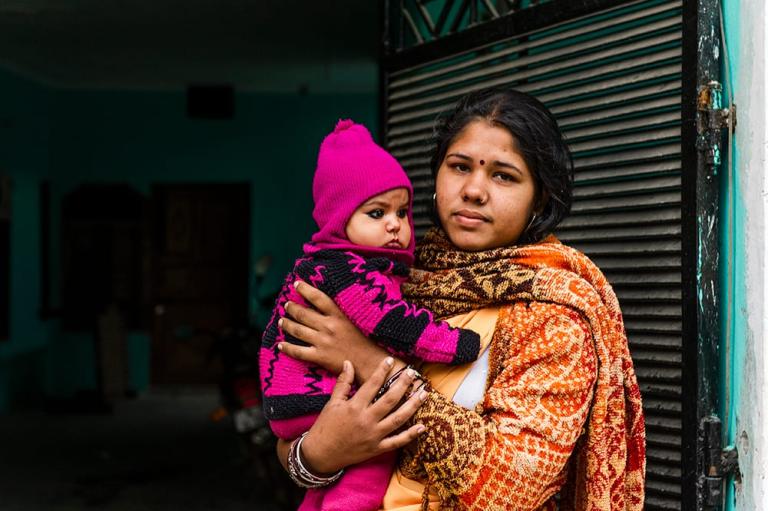
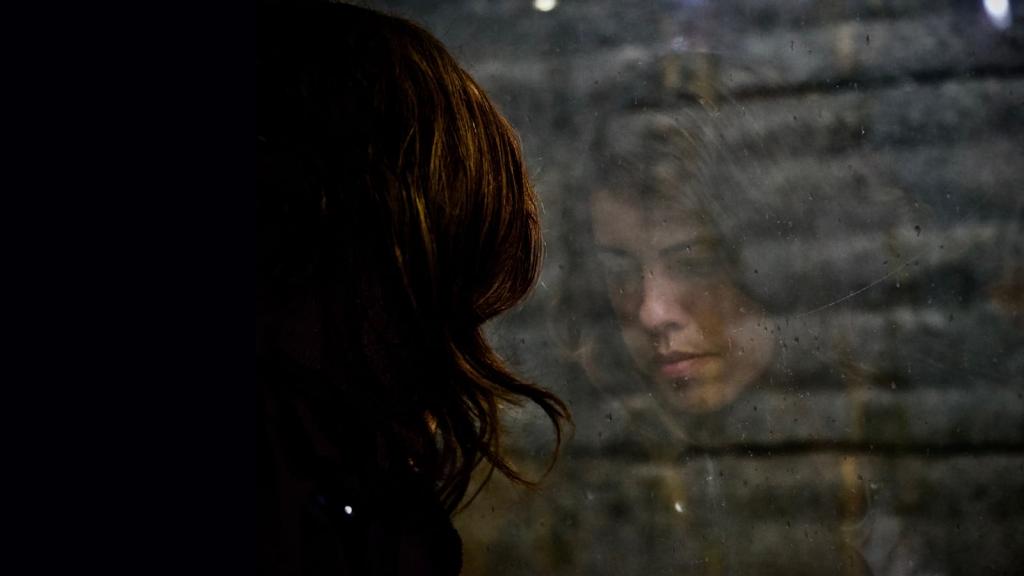
Pensive mother and child
The most pressing question is what will happen to a generation of girls whose lives have been upended by the COVID-19 pandemic?

A Pandemic of Abuse and Exploitation

Woman and little girl from South Asia
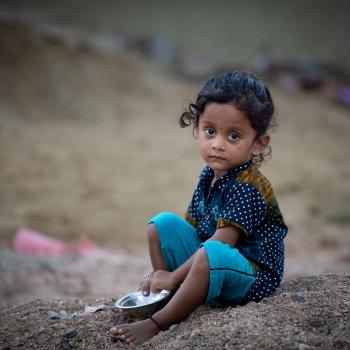
Delhi: Born into an area with one of the highest female suicide rates in the world, this little girl’s mother, most likely, cannot offer a hopeful future to her daughter.

As girls face an increased risk of child marriage, they are also becoming more vulnerable to violence and trafficking.

In May 2020, World Vision, a Christian community development organization, suggested up to 85 million children worldwide would be exposed to physical, sexual or emotional violence for three months over the COVID-19 quarantine.[22] Imagine how many more children have now been impacted—lockdowns in many nations extended to well over a year! And while all children can face violence, girls and young women may also face abuse from a husband or boyfriend, rape, sexual assault or sexual harassment.

UNICEF reports that approximately 120 million girls and young women under age 20 have been raped or forced to perform sexual acts.[23] According to the World Health Organization, around 1 in 3 women endure physical or sexual violence from a romantic partner or sexual violence from some person during their lifetime.[24]

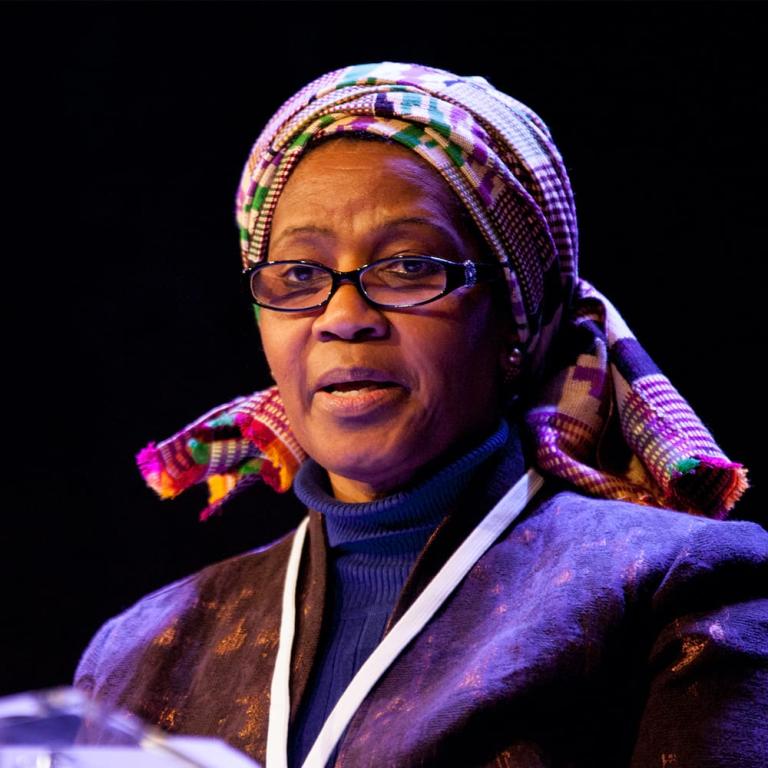
Phumzile Mlambo-Ngcuka, executive director of UN Women
Phumzile Mlambo-Ngcuka,
Executive Director of UN Women
Photo by New African Woman Magazine

“It’s deeply disturbing that this pervasive violence by men against women not only persists unchanged, but is at its worst for young women aged 15-24 who may also be young mothers,” commented Phumzile Mlambo-Ngcuka, executive director of UN Women. “And that was the situation before the pandemic stay-at-home orders. We know that the multiple impacts of COVID-19 have triggered a ‘shadow pandemic’ of increased reported violence of all kinds against women and girls.”[25]

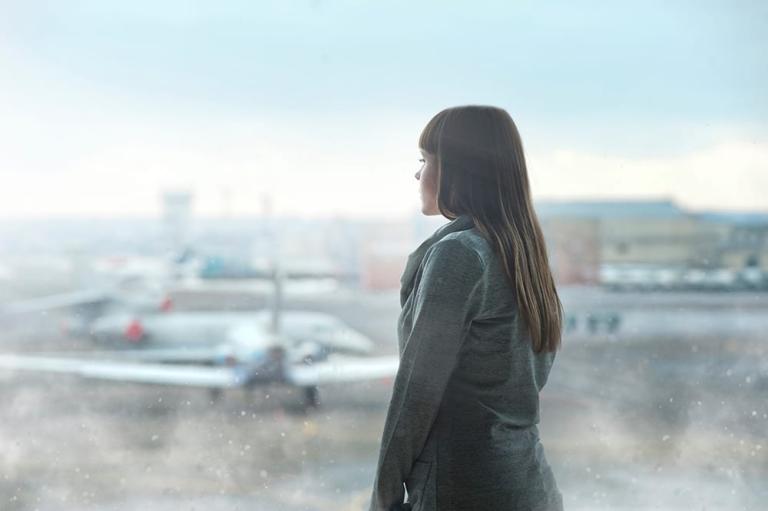
Human trafficking woman survivor enabled to book a rescue flight
Gifts to Polaris enable them to book airplane rescue flights for human trafficking survivors who need to access services, testify in court, and reunite with their families. Photo by Polaris, Facebook

The pandemic has also increased girls’ risk for human trafficking. In April 2020, the anti-trafficking organization Polaris Project observed a 40-percent spike in the number of crisis calls to the U.S. National Human Trafficking Hotline requiring intervention within 24 hours.[26]

This increase in human trafficking didn’t just occur in the United States, though, and it may have the worst impact on developing nations, some of which have been hardest-hit by the virus. The U.N. Office of Drugs and Crime has predicted trafficking rates will increase, especially in places where unemployment rates have rapidly increased, and people from poor communities will likely be trafficked to places recovering more quickly.[27]

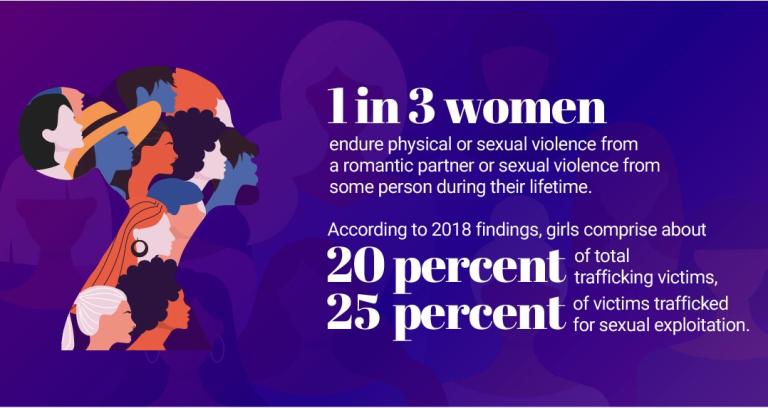
According to the World Health Organization, around 1 in 3 women endure physical or sexual violence from a romantic partner or sexual violence from some person during their lifetime. According to 2018 findings, girls comprised about 20 percent of total trafficking victims and 25 percent of victims trafficked for sexual exploitation.
Vectors by Freepik, www.freepik.com
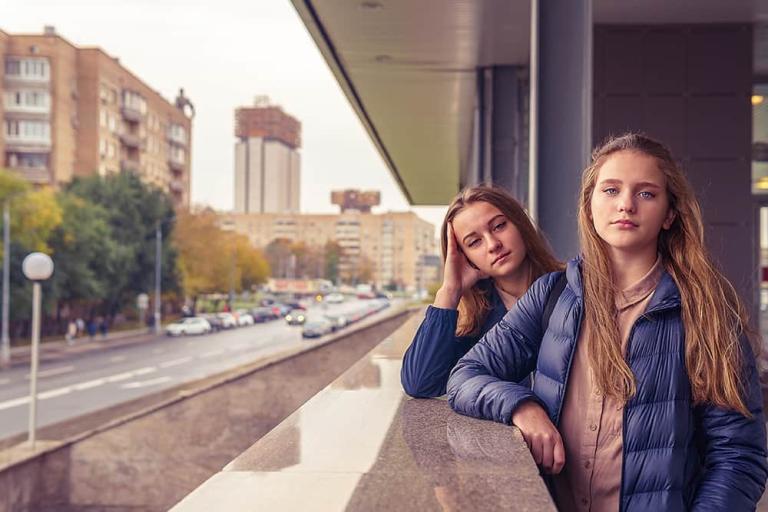
Girl with access to technology
Becuase of COVID girls are spending more time online, which places them at risk to predators who might target them for sexual exploitation or abuse.

This may continue even years from now, due to the pandemic’s ongoing financial and social impacts. Times of economic need make children especially vulnerable to trafficking, and if a girl comes from a dysfunctional family situation or a home where one parent is absent, that also increases her risk for trafficking.[28] Furthermore, in places where children can easily access technology, they are spending more time online, which places girls in the sights of predators who might target them for sexual exploitation or abuse.[29] As the pandemic continues to strain both the economy and family relationships, girls will be increasingly at risk for trafficking. According to 2018 findings, girls comprised about 20 percent of total trafficking victims and 25 percent of victims trafficked for sexual exploitation,[30] but those percentages may increase due to changes in society, such as children’s increased time online, emotional stressors on parents (which may distract their attention from their children) and increased financial burdens on families (which may cause parents, especially in developing countries, to send their daughters to work, thus making them more available to traffickers).

Turning the Tide of the Pandemic’s Impact on Girls

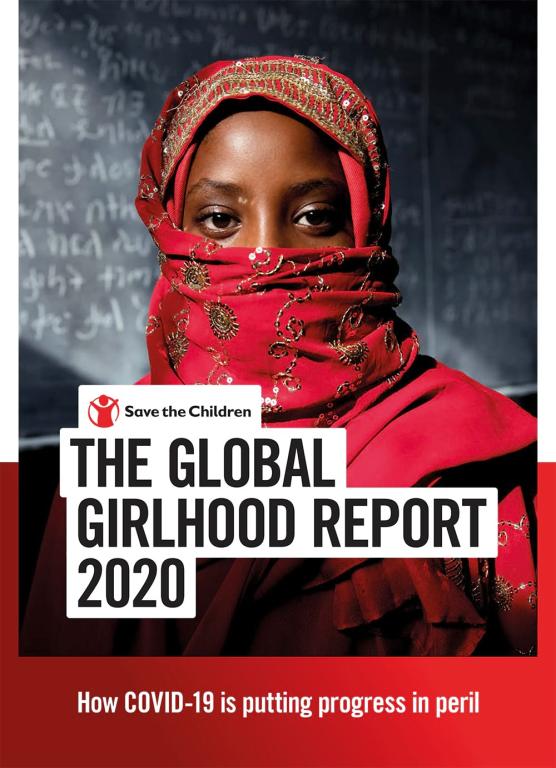
Save the Children’s 2020 Global Girlhood Report
“Even before the COVID-19 crisis hit, progress for girls on some issues was under threat. Now, with reports of gender-based violence increasing across the world … and the number of children living in poverty estimated to climb by around 100 million,” COVID-19 is exacerbating the impacts of gender inequality for girls today. Photo by Save the Children

As reports and predictions increasingly forecast a grim future for girls, it’s clear the COVID-19 pandemic has become a global crisis for girls in a unique way.

Save the Children’s 2020 Global Girlhood Report sums it up: “The worst health impacts for girls might not result from infection with the virus. Instead, the greatest impacts on girls of the COVID-19 crisis are likely to be losing access to other health services, increasing poverty, food insecurity, losing access to education and being exposed to violence.”[31]

Even one year of financial and social upheaval can sow years of consequences. Women like Alexis can attest to the toll taken by years of physical, emotional and sexual abuse or trauma. What will happen to a generation of girls whose lives have been upended by the COVID-19 pandemic? How many years will it take to overcome the consequences of limited or halted education and increased chances for abuse or exploitation?

Now is the time to stand with non-profit organizations and governing authorities to ensure girls don’t fall through the cracks. Fostering safe communities for girls and promoting their nutrition, health and education can help protect and nurture girls to have a strong future despite the setbacks of a long pandemic.

Child sponsorship programs, including GFA World’s, World Vision’s and Compassion International’s, play a key role in creating safe, healthy communities and ensuring girls receive adequate care, even when lockdowns have prevented students from gathering for their usual tutoring programs.

Pervasive violence by men against women is at its worst for young women aged 15-24 who may also be young mothers. And that was the situation before the pandemic stay-at-home orders. Since then, multiple impacts of COVID-19 have triggered a ‘shadow pandemic’ of increased reported violence of all kinds against women and girls.

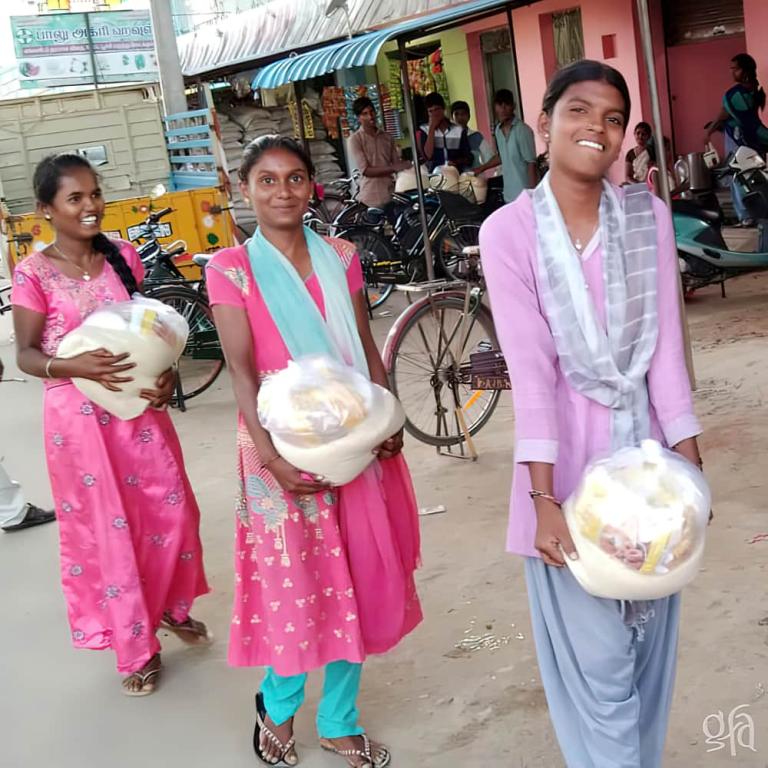
Throughout the pandemic, GFA World’s child sponsorship program has worked to meet the basic needs of children in the program, along with their families and communities. Gospel for Asia (GFA) workers provided COVID-19 relief to 2 million people during the pandemic in 2020 alone, and child sponsorship centers became community kitchens.

GFA wWorld food distribution event during the COVID 19 pandemic
Tamil Nadu: The Gospel for Asia (GFA World) child sponsorship center organized dry ration kit distribution to needy families in August 2020. The center provided rice, oil, toor dhal, turmeric powder, mustard seed and fenugreek seed – 1 packet each to 78 girls and their families.

At one food distribution event during the pandemic, Gospel for Asia (GFA) workers met Ajia, a 13-year-old girl who was caring for two younger brothers. They have parents, but their parents were living in a different country to find work and were sending money home to their children—until they lost work due to the pandemic. This left the children without money for their basic living expenses. The Gospel for Asia (GFA) workers were able to give Ajia and her siblings needed supplies and groceries.

“Thank you for your love and care toward us,” Ajia said. “You are the one who knew about our situation and fulfilled our needs.”

By providing something as basic as food, Gospel for Asia (GFA) workers are helping girls stay healthy—and keeping girls from begging on the streets, which may lead to exploitation. Hopefully, these free meals and groceries will not only provide for girls’ basic nutrition but also ease families’ financial burdens and encourage hard-pressed parents, making the home environment safer and more positive.

To mitigate the effects of the pandemic on girls’ well-being, child sponsorship programs and other non-profits must be able to continue their community development work to meet communities’ basic health and safety needs. Gospel for Asia (GFA World) and other organizations provide practical care to communities that benefits girls, such as clean water and sanitation facilities. Clean water is vital for everyone at all times, but it is even more important for girls so they can practice good menstrual hygiene, which is often compromised during times of emergency.[32] Constructing toilets not only improves the health of entire communities, but it also protects girls. Girls who must walk to a distant field to go to the bathroom risk sexual harassment or assault, especially because many go at nighttime for privacy reasons.


Give to Help Girls at Risk »

If you want to support girls in South Asia and Africa, consider a one-time donation to help young victims who have been delivered from desperate situations in their lives, but are still struggling everyday. Your gift will provide for their pressing needs, while we locate permanent sponsors to cover their monthly needs to remain in school.


Read the rest of this Gospel for Asia – Transforming Communities (GFA World) Special Report: Young Victims Remain Hidden in Pandemic’s Shadow  Part 1, Part 3


About GFA World

Gospel for Asia (GFA World) is a leading faith-based global mission agency, helping national workers bring vital assistance and spiritual hope to millions across the world, especially in Asia and Africa, and sharing the love of God. In GFA World’s latest yearly report, this included thousands of community development projects that benefit downtrodden families and their children, free medical camps conducted in more than 1,200 villages and remote communities, over 4,800 clean water wells drilled, over 12,000 water filters installed, income-generating Christmas gifts for more than 260,000 needy families, and teaching providing hope and encouragement available in 110 languages in 14 nations through radio ministry. GFA World has launched programs in Africa, starting with compassion projects in Rwanda. For all the latest news, visit our Press Room at https://gfanews.org/news/.


Read more blogs on GFA World, National Missionary Workers, World Missions and the COVID 19 Pandemic on Patheos from Gospel for Asia.

GFA’s Statement About Coronavirus

Learn more by reading this Special Report from Gospel for Asia on the Lord’s work in 2020 through GFA and the partnerships worldwide while following Him in His work in 16 nations, including Sri Lanka, Bangladesh and Nepal.


Learn more about Gospel for Asia: Facebook | YouTube | Instagram | LinkedIn | SourceWatch | Integrity | Lawsuit Update | 5 Distinctives | 6 Remarkable Facts | 10 Milestones | Media Room | Widows & Coronavirus | Endorsements | 40th Anniversary | Lawsuit Response | International Offices | Missionary and Child Sponsorship | Transforming Communities through God’s Love

Notable News about Gospel for Asia: FoxNews, ChristianPost, NYPost, MissionsBox
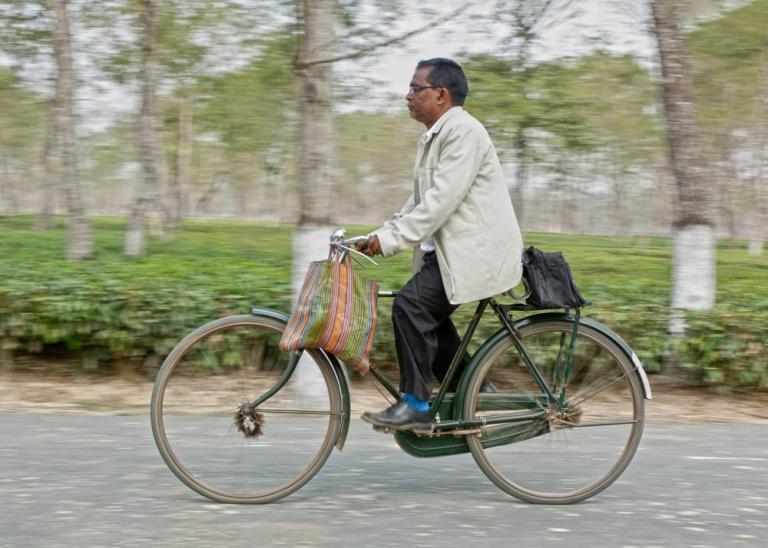
Read what 25 Christian Leaders are affirming about GFA World.

This Special Report originally appeared on gfa.org.

2022-01-06T18:30:57+00:00

WILLS POINT, TX – GFA World (Gospel for Asia) founded by K.P. Yohannan, whose heart to love and help the poor has inspired numerous charities like GFA World Canada, to serve the deprived and downcast worldwide, issued this first part of a Special Report update on girls facing decreased opportunity and increased violence, the young victims who remain hidden in the shadow of the COVID-19 pandemic.

GFA World (Gospel for Asia) issued this Special Report on girls facing decreased opportunity, increased violence, hidden by the pandemic

Alexis Martin
Alexis Ke’Erica Martin, a child sex trafficking survivor, was recently released from life in adult prison for the murder of her trafficker, although another person committed the fatal shooting while Ke was trying to escape from the abuse. Photo by Alexis Ke’Erica Martin Support Fund GoFundMe

In April 2020, most people around the globe were adjusting to life at home as governments instituted lockdown orders intended to curb the spread of COVID-19. To many, the limitations on normal activities, travel and socializing felt confining.

But for 22-year-old Alexis Martin, April 2020 meant a taste of freedom after more than six years in prison—and before that, sex trafficking.[1]

In an article for The Washington Post, Jessica Contrera shares how Alexis ended up in prison. By age 15, Alexis had experienced so many of the most horrific things that can happen to a girl—sexual abuse, rape, a miscarriage and sex trafficking. Her trafficker, Angelo Kerney, didn’t allow her to attend school and beat her when she threatened to run away. In Alexis’ desperation to escape, she became involved in a robbery plot that ended in the murder of Kerney. The teenage girl was then tried as an adult and sentenced to decades in prison.[2]

Then, in April 2020, the Ohio governor commuted Alexis’ sentence, allowing her to go free with parole. Even with this taste of freedom, she continues to face challenges, such as finding a job, due to the trauma she faced as a teenager and the black mark of a prison sentence.[3]

Woman suffering
Pundits were anticipating that the pandemic’s economic strain on families and the shutting down of schools would negatively impact the general well-being of girls, including their safety, health and education.

Alexis’ story is one of many showing how the abuse and exploitation of girls can have devastating consequences. Her story happened in America, a country where girls typically have many freedoms and opportunities that girls in developing nations do not. And Alexis’ story happened before a pandemic that caused far-reaching social and economic impacts for the entire world.

In some places, such as the United States, the availability of COVID-19 vaccines and the easing of many restrictions have made the virus seem more distant. Yet lurking in its shadow is a crisis threatening the safety and health of girls. As social isolation and poverty have increased, girls have potentially become the most under-recognized victim group of the pandemic.

Globally, the pandemic has threatened girls’ education, increased their risk for the kind of abuse and trafficking that devastated Alexis’ teenage years, and made them more vulnerable to child marriage and teen pregnancy. While statistics from 2021 regarding girls’ well-being remain to be counted, in spring 2020 non-profit organizations were already predicting that the pandemic’s economic strain on families and the shutting down of schools would negatively impact the health, education, safety and general well-being of girls if communities didn’t prioritize giving girls needed attention, care and education.

Two girls posing on a school balcony
For the first time in human history, an entire generation of children globally have had their education disrupted. Now, more than a year later, many children have spent more than a year out of the classroom—and many may never return.

COVID-19: A Long-lasting Threat to Education

1.6 billion learners globally—91% of the total—were out of school in an early April 2020 effort to halt the spread of COVID-19.As COVID-19 rapidly spread across the globe in the spring of 2020, governments around the world decided to keep people at home in hopes of slowing the pandemic. Large numbers of people could not work at all, while others lost income as business slowed or stopped due to the drop in customers. This especially hurt low-income workers who could not simply work from home, such as migrant laborers, daily wage laborers and others who lost their livelihood during the lockdowns. Gita Gopinath, an economist and director at the International Monetary Fund, suggests that the pandemic caused the greatest recession since the Great Depression.[4]

Now, with the pandemic further stretching struggling families’ resources, girls likely have faced, and will continue to face, lower chances of receiving needed nutrition and attending school.

As the pandemic curtails girls’ education by forcing them out of the classroom – a problem from which many may never recover – it is also puts them at risk for abuse and exploitation.

Being in a classroom protects girls from sexual predators, unhealthy relationships and abusive parents or relatives. But due to lockdowns, many girls no longer have the classroom as a safe space.

According to the global non-profit Save the Children, “In early April 2020, in an effort to halt the spread of COVID-19, an estimated 1.6 billion learners globally—91% of the total—were out of school. For the first time in human history, an entire generation of children globally have had their education disrupted.”[5]

16 year old Tania
Tania’s once hard-working father was suddenly blind and unable to provide as a result of a brutal mugging and acid attack. Tania immediately dropped out of school and began working the overnight shift in a shrimp factory to support her family; while her father begged on the street. Combined, their income was still not enough to feed the family. Fortunately, peeling shrimp didn’t peel away at Tania’s dreams who has big plans to open her own tailoring business. To help her achieve this dream, World Vision provided her with a sewing machine, and fabric. After two months of training, Tania is now able to work at home, where she is safe and makes enough to afford food for her entire family. While she is still working, she now has more time to rest, watch television, play and… just be a normal 16 year old again! Photo by World Vision USA, Instagram

Now, more than a year later, many children have spent more than a year out of the classroom—and may never return.[6]

As girls stay out of school, they risk devastating consequences to their health, well-being and future opportunities. Studies from the Ebola crisis have suggested that once girls were taken out of school due to Ebola, many didn’t return, even long after schools reopened.[7]

School closures pose the greatest challenge for girls in developing nations, where families may be struggling financially and communities may not have access to the technology needed for distance learning. Sometimes girls bear a greater burden in supporting the family during challenging times. They may be given extra household responsibilities, including caring for younger siblings or sick family members; this can decrease their opportunities to do schoolwork at home—and their chances of returning to school when the pandemic subsides.[8]

As schools in some places reopen, the pandemic’s effects are starting to be seen. In Kenya, for example, only 84 percent of teen girls returned to school, while 92 percent of teen boys came back.[9] This could be just the tip of the iceberg. Malala Fund, an NGO supporting girls’ education, estimates 20 million girls in developing countries will not return to the classroom.[10]

As the pandemic is curtailing girls’ education, it is also putting them at risk for abuse, exploitation and violence. Being in the classroom can help protect girls from sexual predators, unhealthy relationships and even abusive parents or relatives. But due to lockdowns, many girls no longer have the classroom as a safe space.[11]

Girls who miss opportunity for education due to financial reasons
In a culture that de-emphasizes a woman’s education, many girls in South Asia leave school at an early age, often due to financial reasons. It becomes their responsibility to work at home taking care of their siblings, doing household chores, fetching water, or preparing meals, which enable their parents to go searching for work.

Girls Pushed into Adult Responsibilities

2.5 million more girls could be at risk of child marriage, and in 2020 alone teen pregnancies may have risen by up to 1 million.Mayawati, a teenager in Nepal, wanted to continue school and study agriculture. “But her family’s struggles during the pandemic made her feel guilty about being a burden to her parents,” wrote Bhadra Sharma and Jeffrey Gettleman for The New York Times.[12] “She dropped out of school, then married a man who worked as a menial laborer. Her dreams … have quietly slipped away.”

Mayawati’s story reflects that of others in Nepal and around the world.[13] Because of the pandemic, parents struggling to feed their children may feel the need to marry off their daughters to reduce the number of mouths they must feed.[14] In addition, as girls spend time out of the classroom, they may spend more time with men and more unsupervised time with boys, which increases their chances for teen pregnancy and child marriage.[15][16]

Save the Children predicts a “dramatic surge in child marriage and adolescent pregnancy”: Within a five-year span, 2.5 million more girls could be at risk of child marriage, and in 2020 alone teen pregnancies may have risen by up to 1 million.[17]

Dr. Flavia Bustreo
Dr. Flavia Bustreo is a leading physician, public health professional and advocate for the health and human rights of women, children, adolescents and the elderly. Photo by United States Mission Geneva, Flickr (CC BY-ND 2.0)

This means that those girls may lose the chance to ever complete their education, which will limit their chances for jobs in the future. In addition, girls who marry young are more vulnerable to sexual abuse and violence.[18] Child marriage and teen pregnancy also threaten girls’ physical health. Girls who give birth at very young ages can face a host of complications, including miscarriage, obstetric fistula—and death.[19][20]

“Complications of pregnancy and childbirth are the leading cause of death in young women aged 15–19,” says Dr. Flavia Bustreo, a leader in the World Health Organization’s Partnership for Maternal, Newborn and Child Health. “Young girls who marry later and delay pregnancy beyond their adolescence have more chances to stay healthier, to better their education and build a better life for themselves and their families.”[21]


Give to Help Girls at Risk »

If you want to support girls in South Asia and Africa, consider a one-time donation to help young victims who have been delivered from desperate situations in their lives, but are still struggling everyday. Your gift will provide for their pressing needs, while we locate permanent sponsors to cover their monthly needs to remain in school.


Read the rest of this Gospel for Asia – Transforming Communities (GFA World) Special Report: Young Victims Remain Hidden in Pandemic’s Shadow  Part 2, Part 3


About GFA World

GFA World (www.gfa.org) is a leading faith-based global mission agency, helping national workers bring vital assistance and spiritual hope to millions across the world, especially in Asia and Africa, and sharing the love of God. In GFA World’s latest yearly report, this included thousands of community development projects that benefit downtrodden families and their children, free medical camps conducted in more than 1,200 villages and remote communities, over 4,800 clean water wells drilled, over 12,000 water filters installed, income-generating Christmas gifts for more than 260,000 needy families, and teaching providing hope and encouragement available in 110 languages in 14 nations through radio ministry. GFA World has launched programs in Africa, starting with compassion projects in Rwanda. For all the latest news, visit our Press Room at https://gfanews.org/news/.


Read more blogs on GFA World, National Missionary Workers, World Missions and the COVID 19 Pandemic on Patheos from Gospel for Asia.

GFA’s Statement About Coronavirus

Learn more by reading this Special Report from Gospel for Asia on the Lord’s work in 2020 through GFA and the partnerships worldwide while following Him in His work in 16 nations, including Sri Lanka, Bangladesh and Nepal.


Learn more about Gospel for Asia: Facebook | YouTube | Instagram | LinkedIn | SourceWatch | Integrity | Lawsuit Update | 5 Distinctives | 6 Remarkable Facts | 10 Milestones | Media Room | Widows & Coronavirus | Endorsements | 40th Anniversary | Lawsuit Response | International Offices | Missionary and Child Sponsorship | Transforming Communities through God’s Love

Notable News about Gospel for Asia: FoxNews, ChristianPost, NYPost, MissionsBox
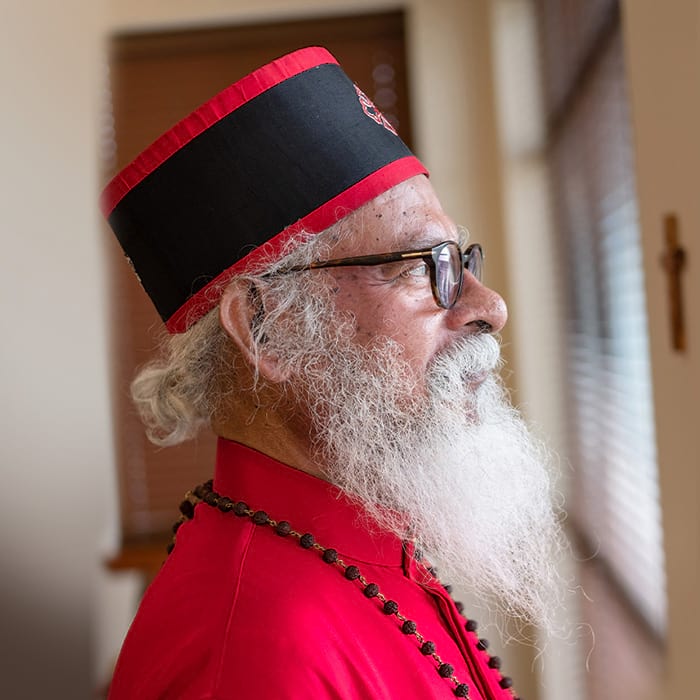
Read what 25 Christian Leaders are affirming about GFA World.

This Special Report originally appeared on gfa.org.

Follow Us!


TAKE THE
Religious Wisdom Quiz

In 2 Corinthians, Paul describes a man being caught up to the third heaven. How many years before writing did this happen?

Select your answer to see how you score.


Browse Our Archives