

As you will know if you have followed these blogposts through the years, I am a devout follower of Halloween. I am also a keen fan of horror, and hence the book project I am currently pursuing on the history of folk horror. But today’s post is different and, well, weird. I take what might appear to be a popular trope of horror literature, namely the belief in mysterious pre-human races living more or less next door to our modern world, and show that these ideas were not just confined to the horror genre. For half a century or more, that idea was utterly standard to very sane and respectable people in the British Isles as a literal truth. They believed that there really, seriously, literally, were elves and gnomes and fairies and little people, and that belief was integral to the racial and biological thought of the time.
Bizarre as it might appear, and however little attention it receives, that really was a thing. (Do note the splendid site “British Fairies” for lots of related material).
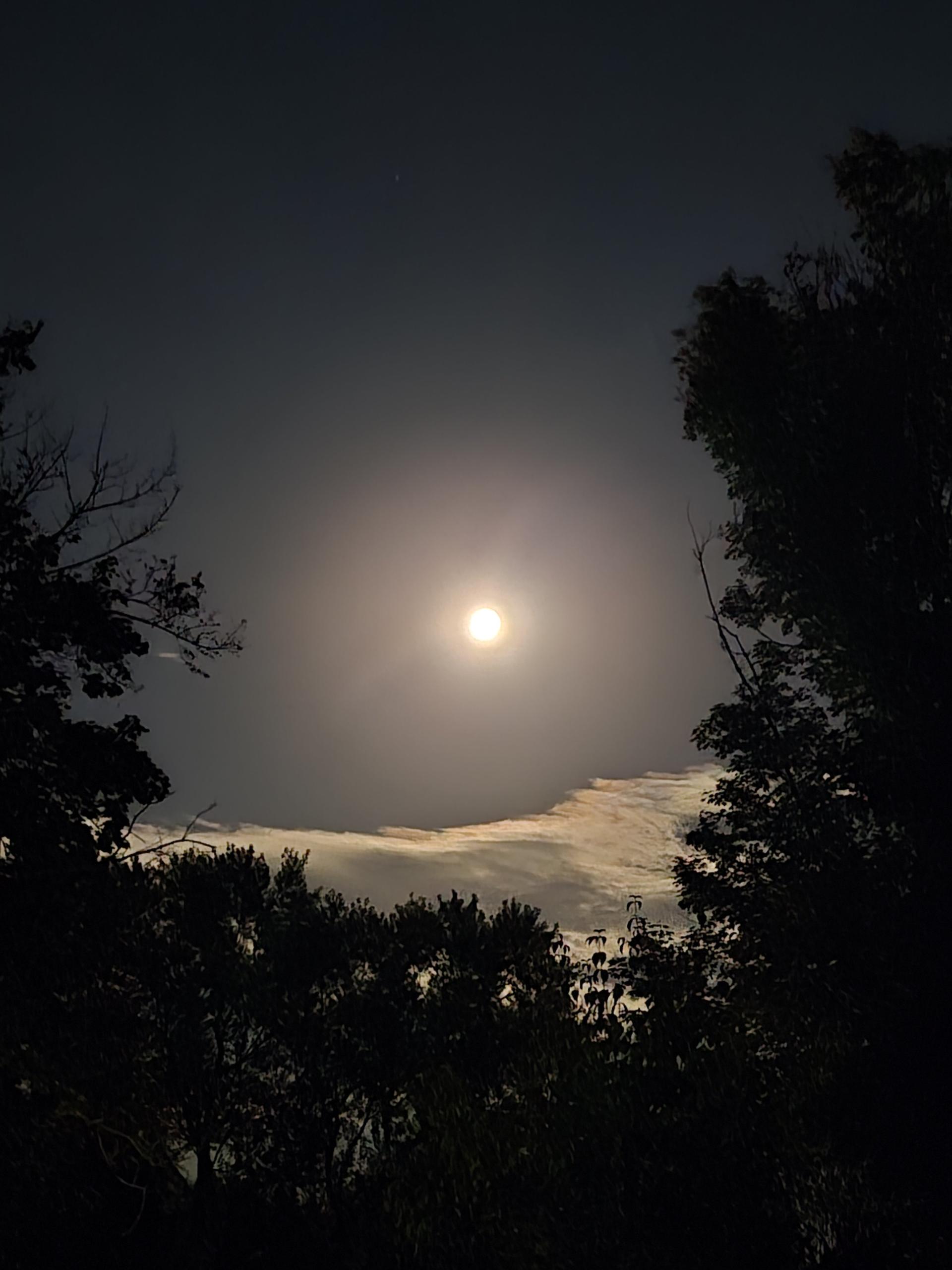 image is my own work
Degenerate Races
If we look back at the horror literature that flourished a century or so ago, we often find ideas of degenerate human types that fell short of full human status. The Darwinian theories that were so much in vogue in these years suggested the varieties of primitive beings that might be found on the evolutionary scale, as was illustrated by the discovery of Neanderthal races.
Fears of degeneracy long agonized ruling elites and drove eugenic responses. In Britain that impulse found draconian expression in the Mental Deficiency Act of 1913, which sought to confine and segregate those believed to be mentally inferior, as defined very broadly. Racial nightmares about the subhuman and near-human manifested in H. G. Wells’ 1895 novel of The Time Machine, which imagines the far future race of the Morlocks, who are underworld-dwelling cannibals.
But very similar ideas manifest frequently in folk horror stories which imagine savage societies living perilously close to the modern world, yet who are still characterized by practices that proclaim their deeply archaic nature, in the form of human sacrifice or cannibalism.
Fairies and Elves
That idea of the literal existence of prehuman populations on British soil was startlingly common in these years. For modern audiences who are so used to the influence of classic cartoons, fairies and leprechauns appear as humorous, playful figures. The whole world of Peter Pan and Tinker Bell dates to the 1904 play Peter Pan, by J. M. Barrie.
But in precisely that era, some theorists of pagan survivals offered a more threatening interpretation. A great many European myths and fairy stories told of small mis-shapen creatures often described as elves, fairies, gnomes, or goblins, who lived underground in concealed kingdoms, and who seized human prey for sacrifice. Some scholars seriously suggested that such tales preserved memories of an authentic “dwarf race” that inhabited Europe until quite modern times, perhaps the remnant of an early near-human species. They long predated the “Aryan” Celtic peoples of the Iron Age, who recorded them in their folklore.
Technically, this argument is “euhemerist,” in suggesting that these myths and “fairy tales” could be traced back to actual living breathing beings, and it had a potent influence on the anthropological world of the ate nineteenth century. The argument was famously made by Scottish folklorist David MacRitchie in his influential book The Testimony of Tradition (1890), who referred to the hidden people as “Turanian,” or possibly they were “Picts.” Also vital was his 1893 book Fians, Fairies and Picts.
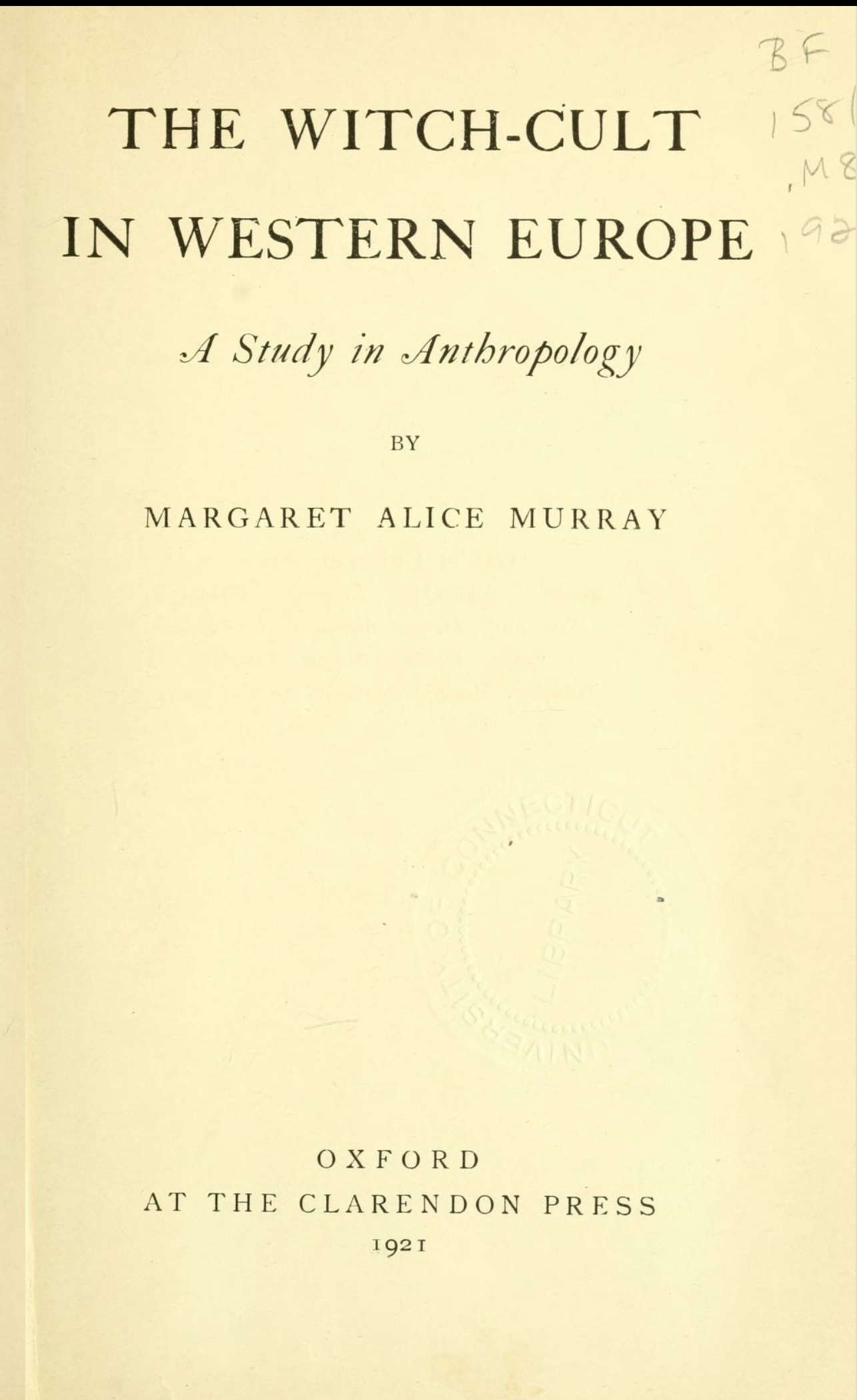
The idea was publicized by anthropologist Margaret Murray, in her wildly successful writings on The Witch Cult in Western Europe (1921) – which sensible people were still treating seriously into the 1970s. As Murray wrote:
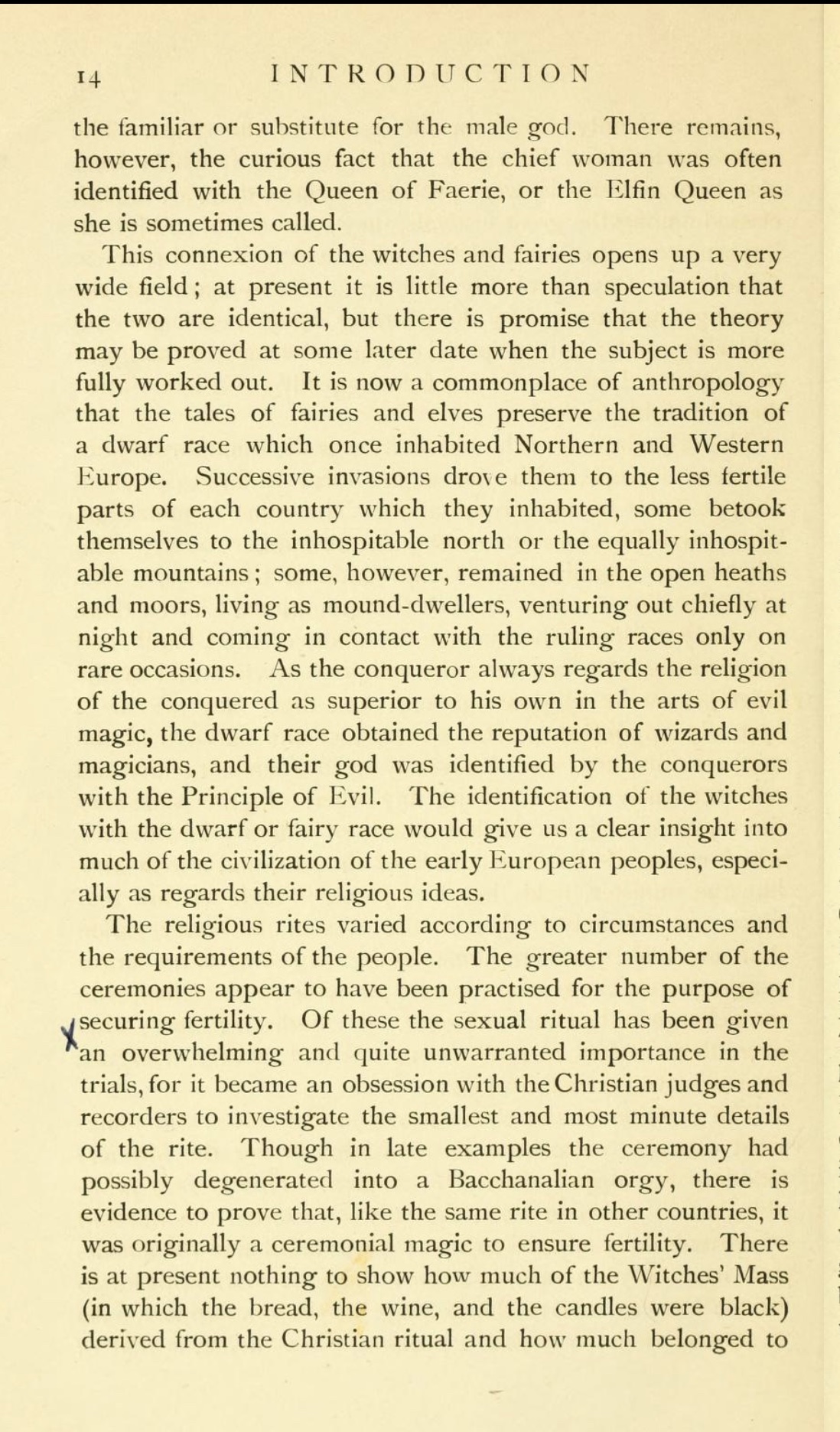
It is now a commonplace of anthropology that the tales of fairies and elves preserve the tradition of a dwarf race which once inhabited Northern and Western Europe. Successive invasions drove them to the less fertile parts of each country which they inhabited, some betook themselves to the inhospitable north or the equally inhospitable mountains; some, however, remained in the open heaths and moors, living as mound-dwellers, venturing out chiefly at night and coming in contact with the ruling races only on rare occasions.
Do read that first sentence again. “It is now a commonplace of anthropology [my emphasis] that the tales of fairies and elves preserve the tradition of a dwarf race which once inhabited Northern and Western Europe.” It took only a little extrapolation to suppose that those supposed races might have continued into the present day. The Stone Age (or the Bronze Age) might quite literally still exist, just over the next mountain. What a gift to writers of horror fiction!
Murray was fascinated by stories that linked fairies to witches, a common feature of Scottish cases. Perhaps, she believed, the rituals that appeared in the witchcraft trials were actually memories of ancient pre-Aryan religion, which those ancient races still pursued in their remote lands.
“Mongol” Races Next Door
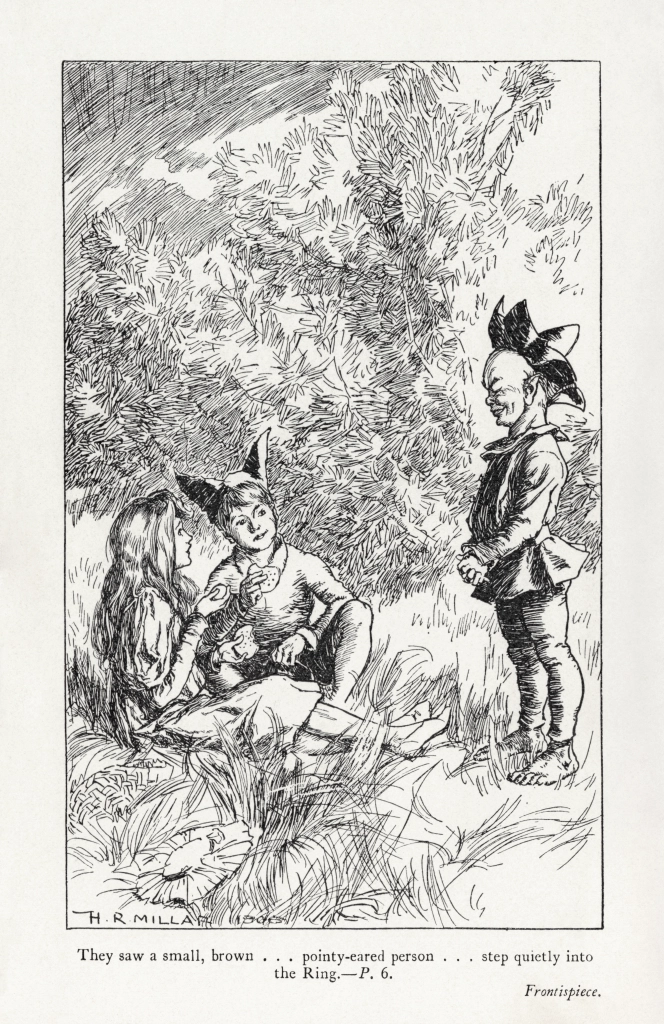
According to some versions of the tale, the former races were “Oriental” or “Mongoloid” in character – perhaps Finno-Ugric? – and thus predecessors of the authentically White Aryan peoples. To put this in context, the earliest and most influential cartoon representations of the Yellow Peril date from 1895, when that concept became such a pervasive and scandalous theme in European media. Even Kipling’s benevolent Puck (in Puck of Pook’s Hill, 1906) has an obviously Asian face.
When physician John Langdon Down discovered the syndrome that bears his name, he applied the terms “Mongol” and “Mongoloid,” reinforcing the Asian context of racial degeneracy.
The Little People
However bizarre their content might appear, folk horror stories gained special force precisely because they were so clearly echoing and enhancing very mainstream social concerns. We find this especially in the work of fantasy writers such as Arthur Machen and John Buchan.
Machen drew effectively on the mythology of the “little people,” its pre- or sub-human races. Although Machen’s 1895 book The Three Impostors is described as a novel, its various sections can easily be read as free-standing stories, and one part in particular has been much anthologized under the title of The Novel of the Black Seal. Machen here uses what would become the standard trope of an academic researching ancient tales, in this case concerning mysterious hieroglyphic marks in the Welsh hills, in a region where several people had recently disappeared.
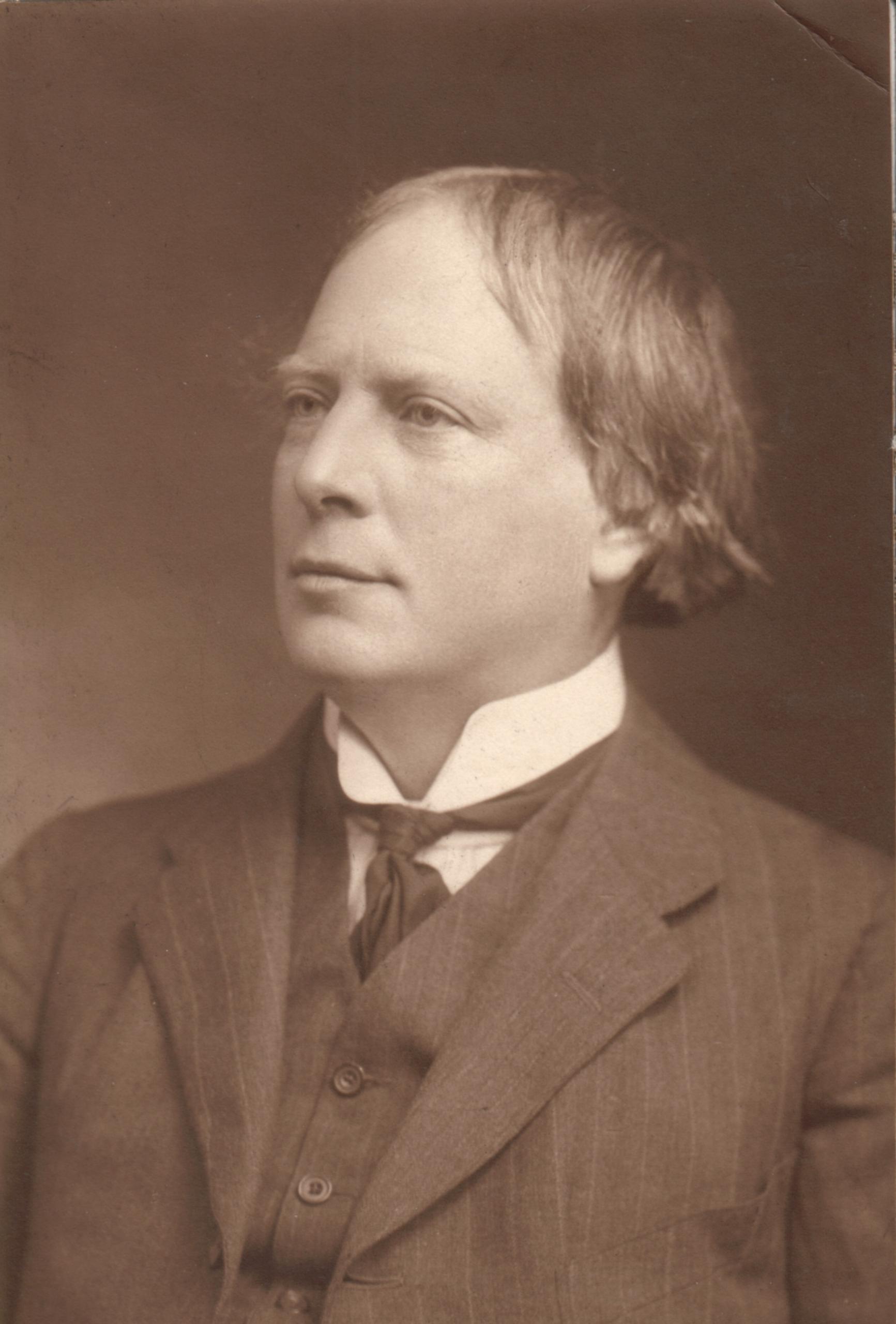
As so often in his work, the setting is near a fictionalized Caerleon, but in “even wilder country, barren and savage hills, and ragged commonland, a territory all strange and unvisited, and more unknown to Englishmen than the very heart of Africa.” The hero, Professor Gregg, knows that the landscape is still the dwelling place of a people that
dwells in remote and secret places, and celebrates foul mysteries on savage hills. Nothing have they in common with men save the face, and the customs of humanity are wholly strange to them; and they hate the sun. They hiss rather than speak; their voices are harsh, and not to be heard without fear.
The Little People are pre-human cave dwellers who still deploy ancient stone weapons, but whose society survives intact, as the hidden neighbors of modern humanity.
Machen used the same subject matter in several stories from about this time, and “The Shining Pyramid” offers a detailed description of the underground race. As they investigate the disappearance of a local girl, the detective Dyson and his friend note the appearance of strange objects in the landscape – flint arrowheads arranged in symbolic patterns or hieroglyphs on walls and stones. They observe the primitive race gathered for a great ritual, “the things made in the form of men but stunted like children hideously deformed, the faces with the almond eyes burning with evil and unspeakable lusts; the ghastly yellow of the mass of naked flesh.” But these are in no sense supernatural figures. As Dyson explains,
They represent a tradition of the prehistoric Turanian inhabitants of the country, who were cave dwellers: and then I realized with a shock that I was looking for a being under four feet in height, accustomed to live in darkness, possessing stone instruments, and familiar with the Mongolian cast of features!
The investigators despair of reclaiming the kidnapped girl, with the implication either that she has been raped and racially polluted by the Mongoloid creatures, or else mutilated.
No Man’s Land
John Buchan used a similar mythology in his story “No Man’s Land,” (published 1902). This concerns an academic traveling in Scotland who explores an area where folk tales circulate of a race of little people or Brownies. He duly finds a surviving tribe of ancient Picts, dark and squat creatures reminiscent of Arthur Machen’s lost Turanians, and Buchan’s “Folk of the Hills” are no less savage. Their life
was a murderous chronicle—a history of lust and rapine and unmentionable deeds in the darkness. One thing they had early recognized—that the race could not be maintained within itself; so that ghoulish carrying away of little girls from the lowlands began, which I had heard of but never credited. Shut up in those dismal holes, the girls soon died, and when the new race had grown up the plunder had been repeated. Then there were bestial murders in lonely cottages, done for God knows what purpose. Sometimes the occupant had seen more than was safe, sometimes the deed was the mere exuberance of a lust of slaying.
The Picts kidnap a local girl with the intention of sacrificing her to their gods.
The Devil’s Mistress
“Historical” fairies also feature prominently in a pioneering witchcraft novel that very rarely receives the attention it deserves. In 1915, Scottish occultist J. W. Brodie-Innes published The Devil’s Mistress, a historical novel set in mid-seventeenth century Scotland, and focusing on the real-life witch of that era, Isobel Gowdie. In the novel, Gowdie is no innocent victim of unjust persecution or religious hysteria but is rather the authentic member of a Scottish witch cult that is organized in covens, each led by a Queen and a Dark Master, as described in the classic accounts of witch trials. The novel’s witch cult operates in close collaboration with a fairy kingdom of Elfinland which exists in parallel to visible Christian society. Isobel travels between known reality and the ancient pagan landscapes that now came fully into view. She meets the fairies at “an ancient stone circle,” which she comes to see not just as bare stones but as marble pillars adorned with flowers, the setting for music and dancing.
Lovecraft’s Mythology
In his “Supernatural Horror in Literature” (1927), Lovecraft offered something like a credal statement that could have been advanced by a great many authors of these years. It assuredly included the idea of barely human dwarf races:
Much of the power of Western horror-lore was undoubtedly due to the hidden but often suspected presence of a hideous cult of nocturnal worshippers whose strange customs—descended from pre-Aryan and pre-agricultural times when a squat race of Mongoloids roved over Europe with their flocks and herds—were rooted in the most revolting fertility-rites of immemorial antiquity. This secret religion, stealthily handed down amongst peasants for thousands of years despite the outward reign of the Druidic, Graeco-Roman, and Christian faiths in the regions involved, was marked by wild “Witches’ Sabbaths” in lonely woods and atop distant hills on Walpurgis-Night and Hallowe’en, the traditional breeding-seasons of the goats and sheep and cattle; and became the source of vast riches of sorcery-legend, besides provoking extensive witchcraft-prosecutions of which the Salem affair forms the chief American example.
The Fairies Endure
As I have suggested, these stories had a very long history, and I can only mention a few titles here. But I will end with a manifestation that is personally dear to me, namely from the British Folk Music revival which developed from 1967-68 onward. Among many other acts, Fairport Convention formed in 1967, issuing the pivotal album Liege and Lief in 1969, which was also the year that Steeleye Span emerged.
Both bands delved deeply into the archives of British folk music, with all its tales of witches and fairies, and some were almost shockingly pagan. “Tam Lin” (1969) by Fairport Convention used an Early Modern ballad from the Scottish borders. The story tells how Janet becomes pregnant by the “elfin” Tam Lin, who was a human being abducted by fairies. Tam fears that he will soon fall victim to the pagan custom of “paying a tithe to Hell” – that is, becoming a human sacrifice. On Halloween, when the fairy folk ride, Janet must rescue him by seizing him, and holding on to him despite all the bodily transformations through which he will pass. She succeeds, to the anger of the Fairy Queen.
I am not suggesting that these folk musicians were treating those stories as literally true. But for a shockingly long time, many scholars certainly did.






 Ad-Free & Subscriber Log-In