

In 1932, Louis Brandeis offered a brilliant justification for American federalism when he remarked that the states are the “laboratories of democracy.” The states can try things out, and if they work, they are adopted on the national stage, and they become so obvious and commonplace that people forget they ever originated at regional level. If they don’t work, not much is lost. I want to offer an analogy, that I coined back in 2000 in my book Mystics and Messiahs, where I suggested that sects and cults constitute the laboratories of American religion (and no, I am not comparing myself to Brandeis).
As I have often remarked at this site, my current book concerns America in the early 1890s, chiefly focused on religious and spiritual affairs. One great resource there is the 1890 religious census, which gives me a terrific opportunity to give some fairly hard numbers for the size of religious denominations. Aside from Catholics, various shades of Baptists, Methodists, and Presbyterians predominate, together with the other usual suspects (Episcopal, Disciples, Congregational), and their adherents together run into the millions. That is all obvious enough. But alongside them, there are groups that were small numerically, but which enjoyed an inordinate cultural influence, and who did much to establish the ways in which we live today – how we think, even how we eat.
Energy flows from the edge.
 all images are in the public domain
I offer a mocking contemporary (1893) comment on the results of that census, by H. K. Carroll:
It is the little bodies, therefore, that give religion in the United States such a divided aspect. If most of them were blotted out we should lose little that is very valuable, but much that is queer in belief and practice. For example, Theosophists, who believe that by cultivating the plane of consciousness which lies between the spirit and the mind things which men call “miraculous” can be accomplished; and Shakers, who practice religious dances and hold that God is both male and female; the Church Triumphant, who look upon their leader as Christ; the Koreshans, who hold that immortality is possible to their disciples here on earth; the Christian Scientists, who believe that good and health are real, and evil and disease unreal—imaginings of the mind—and, therefore, curable by mental instead of spiritual processes; and the Harmonyites, who believe that those who marry may be saved, after a probation of purification, who are noted for the whisky they make at the “Golden Rule” Distillery.
Shakers, of course are back in the news with the film of The Testament of Ann Lee. Some such cult groups ended up as commercial products, some very successful in the mainstream marketplace. Did you ever hear of Amana freezers? How about Ralston Purina? (RALSTON was the cultish acronym of the principles of Regime, Activity, Light, Strength, Temperation, Oxygen, and Nature).
But then we look at some of the other sects that had relatively few members, but which punched far above their denominational weight in the culture. Illustrating this were the small but vigorous communities of Unitarians and Universalists, although we can debate whether groups with such deep roots in communities qualify as sects. Even so, they were very much in the minority, with barely 120,000 members (combined) nationwide in 1890. They were crucial in the emergence of avant garde spirituality: they played a critical role in promoting women’s leadership, and in ordaining women clergy. A number of those women spoke at the great World’s Parliament of Religions in 1893, which gave such a public platform to the great faiths of Asia on American soil, and which marks a critical moment in interfaith relations: the leading Midwestern Unitarian minister Jenkin Lloyd Jones was a prime organizer of the event. Those ordained Unitarian and Universalist women enjoyed a prominent position in organizing feminist and suffragist political causes, and in many social reform movements.
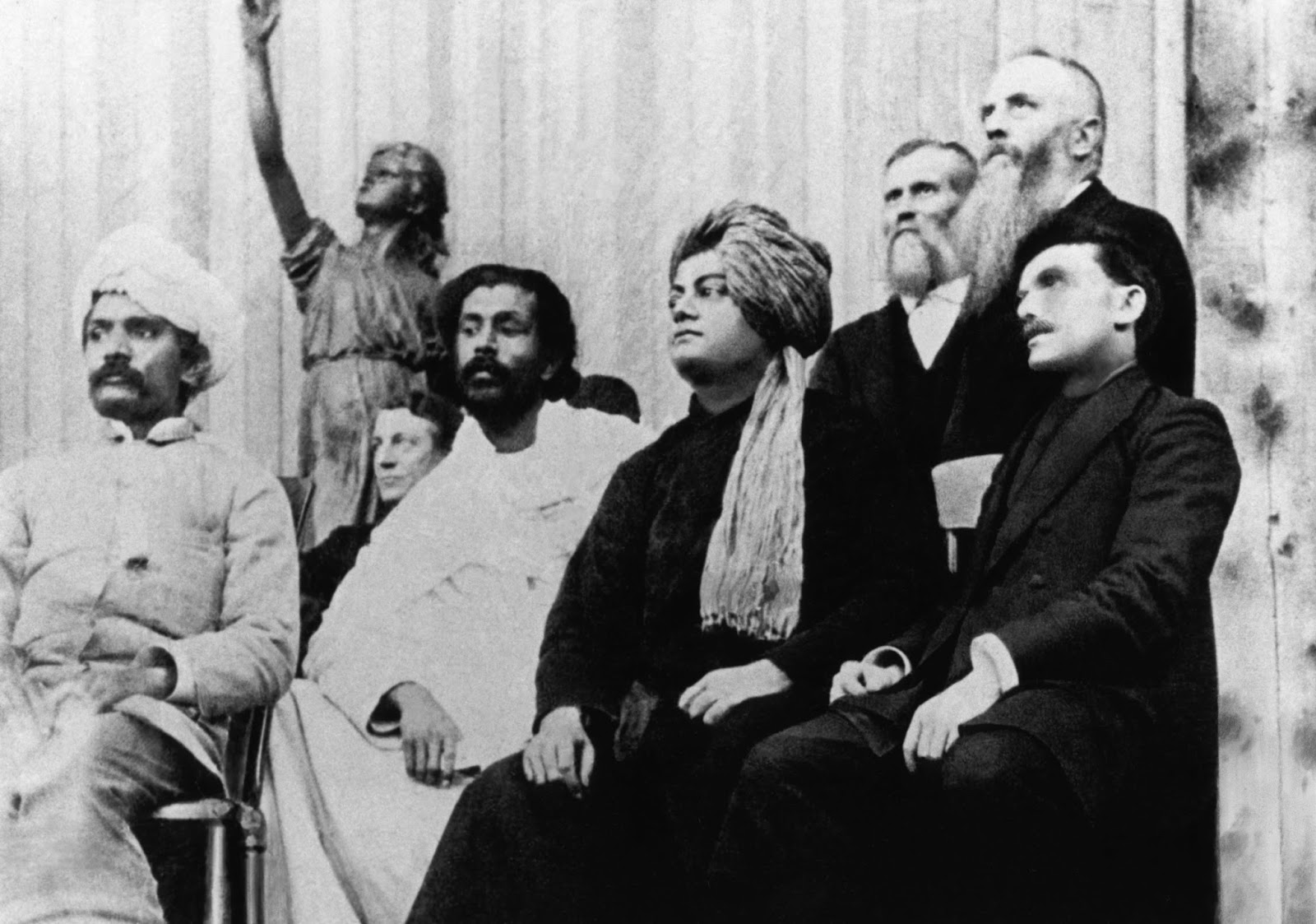
The other driving force in that Parliament was Charles Bonney, a Swedenborgian layman. The Swedenborgian New Church lay on the remote theological fringe of mainline Protestantism, and it followed the prophecies, revelations, and angelic beliefs of the eighteenth-century mystic Emmanuel Swedenborg. The movement in America reached its apogee in the 1890s when it counted over a hundred clergy, serving at most a few thousand believers. But its achievements belied those numbers, and its seemingly eccentric doctrines. In the final tally of speakers at the Parliament of Religions, Swedenborgian speakers outnumbered Muslims or Jains.
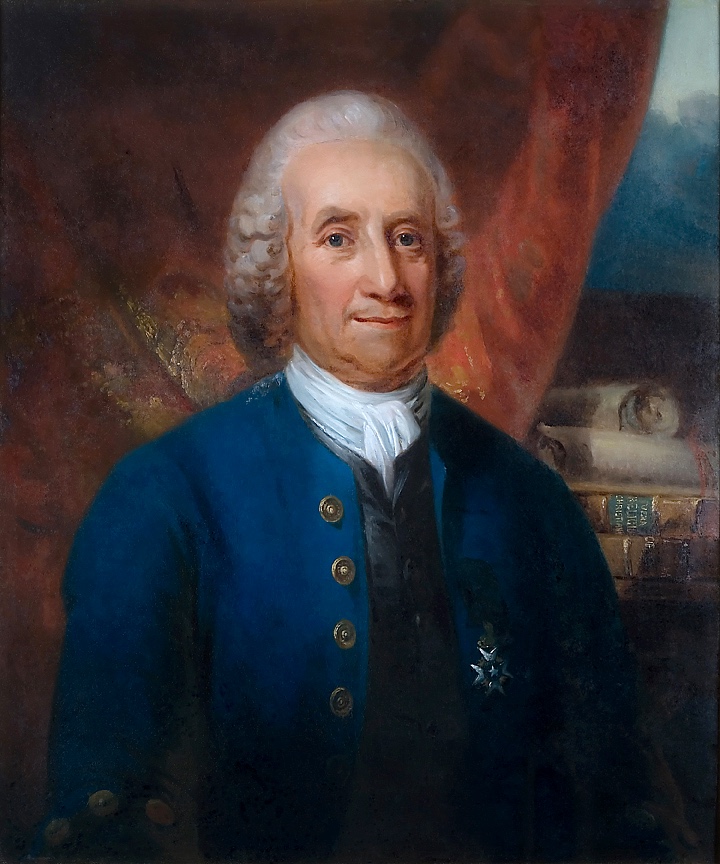
Swedenborgians show up in other surprising contexts. The leading architect of the great Columbian Exposition held in Chicago in 1893, Daniel Burnham, had been raised in the sect. Another layman, Arthur Sewall, was William Jennings Bryan’s vice-presidential candidate in 1896. Although not an active adherent, Andrew Carnegie had grown up in the faith, and that legacy profoundly influenced his attitudes to the proper uses of wealth and the spiritual benefits of philanthropy. As expressed in his essay “The Gospel of Wealth” (1889), those opinions had far-reaching effects on American mainline churches, and on the emerging New Thought movement.
Adventists, meanwhile, with around 40,000 members in 1894, were experimenting with new kinds of diet and lifestyle – the rejection of meat, tobacco, and alcohol – that would ultimately spread throughout mainstream society. Under the influence of Adventist Dr John Kellogg, the Battle Creek Sanitarium was the center for the creation of new foods that were intended to promote the well-being of body and soul. Granola and peanut butter were both developed in these years, and corn flakes date to 1894.
Or let us turn to those Theosophists whom the conservative commentator mocked, and who ranked them alongside truly weird cults like the Koreshans. But that evaluation is seriously misleading, and in many posts through the years, I have written repeatedly of the critical Theosophical role in American culture. At the Parliament of Religions, Theosophical speakers such as William Quan Judge and Annie Besant represented their movement as an independent faith-tradition alongside Hinduism and Buddhism, and the Theosophical Society held its own distinct Congress as an offshoot of the Parliament itself. Crucially, it was the Theosophists who prepared the ground for the rapturous reception of Hinduism and Buddhism that seemingly comes out of nowhere at the Parliament.
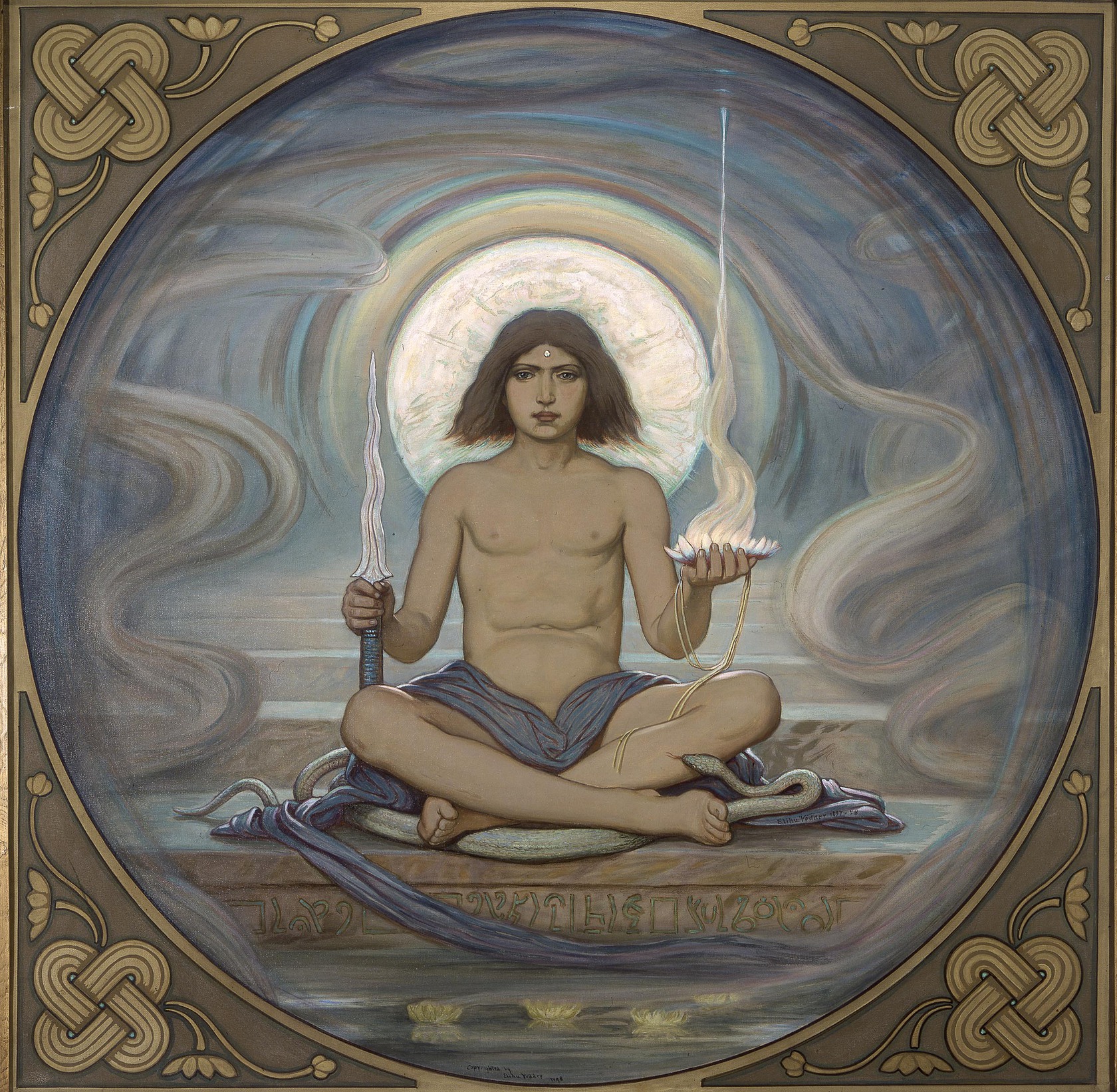
But in order to see the movement’s full impact, we should look at the wide range of mystical, occult, and esoteric ideas that then pervaded American culture in the 1890s. We easily draw parallels with the New Age movement that flourished so energetically in the US from the late 1970s. In the early 1890s too, we find an extraordinary interest in South Asian religions, in gurus, meditation, and reincarnation; in women’s spirituality and feminine visions of divinity; in Kabbalah and Gnosticism; in dietary reform, vegetarianism, and alternative medicine; in the mythology of lost continents. Indeed, we might ask just what aspects of that later New Age phenomenon were not present in that earlier time. Although such proto-New Age ideas never came close to rivaling evangelicalism in the spectrum of American religious life, they often surfaced in mainstream media.
But here is the point. Although some of these ideas had older roots, in the 1890s they were almost entirely discussed through the medium of Theosophy, and they received immense publicity from Theosophy, and from members of that movement. That even includes such seemingly non-esoteric themes as vegetarianism, which I discuss at some length in my book. When Hindu and Buddhist religious traditions such as Vedanta entered the US so powerfully in the years after the Prliament, they found a warm welcome in New Thought, Theosophical, and Unitarian congregations.
The small sects were acting as laboratories in which spiritual ideas could be tried and tested before penetrating the larger American culture, where they became thoroughly normalized.
More next time!













 Ad-Free & Subscriber Log-In