

I’ve not been thinking a lot about teaching this year– while in Norway on a grant, I’ve been immersed in reading, learning, and writing for my third book. But I got an email this week that reminded me that while the fall semester might still feel distant, it will be here before I know it. It is indeed time to choose books for fall classes.
One of my classes this fall is a course on Women in the Church. This course has two very distinct parts: a survey of women in church history, highlighting the work and ministry of women in the church as well as the tensions, ideologies, societies, and cultures that shaped each era of church history. This gives students the needed context and analytical frameworks for the second half of the course, a student-steered conversation about themes, issues, and questions related to women and gender in the church today. Students research topics of particular interest to them and present their findings to the class, resulting in different themes, topics, and conversations each time I teach the course.
I love teaching this class. It brings together my research interests with my desire to speak not just to academic questions, but to questions of belief and belonging in ways that can help my students better engage church and culture at large. One of my hopes for the class is to give students the contexts, tools, and knowledge they need to examine their own questions, hurts, or frustrations in ways that strengthen their faith and point them towards Christ, not cultural answers. This means that the class design has to balance big picture perspectives and tools that we all engage together with creating space for students to pursue their own questions and interests. One way that I do this is through a book discussion day towards the end of the semester. Students pick a book from a lengthy list and read it, reporting back to the class on the book’s sources, argument, strengths, and weaknesses. Because the goal is to help students think critically about often heated conversations, these books are widely sourced to reflect perspectives students will encounter– I try to select books from authors who write good-faith arguments for their positions, with strong qualifications to speak on their chosen topic, thus asking students to engage and critique the strongest iterations of each position.
The last time I taught this course was in Fall 2023, which means a lot of new books have come out for students to choose from! So, what I’m presenting here is a short list of books released since August 2023 that I’m adding to their list of options for this book discussion– some of which I’ve read, some of which I have not, but hope to read soon. In line with the expansive framing for this portion of the course, some of these are memoir, some theology, and some history; I’ve given them here in their order of publication from November 2023 to a forthcoming book due out in September 2026. Read on for a bit about each book and some concluding thoughts as I prepare for a new round of this class:
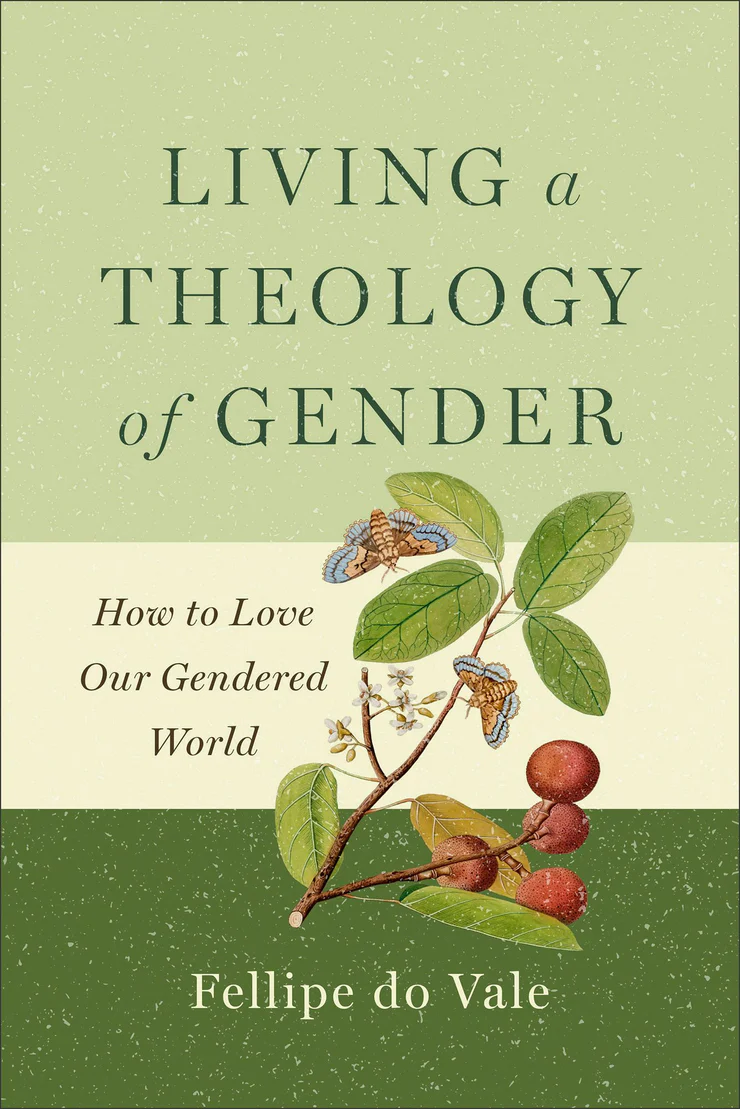
 Fellipe do Vale, Gender as Love: A Theological Account of Human Identity, Embodied Desire, and Our Social Worlds (November 2023): This book came out right after our book discussions last time I taught the course, so I’m glad to be able to include it and its follow-up, Living a Theology of Gender: How to Love Our Gendered World (October 2026), for this year’s version. In both of these, theologian Fellipe do Vale takes a nuanced approach to gender, using biblical exegesis and historical theology to propose a holistic path forward focused on love rather than power, biology, or social constructions.
- Tia Levings, A Well-Trained Wife: My Escape from Christian Patriarchy (August 2024): I’m adding this memoir to other memoirs like Beth Moore’s All My Knotted-Up Life: A Memoir. Tia Levings, perhaps familiar to you from the documentary Shiny Happy People (written about on the Anxious bench here and here), gives insight into the lived experience of women within the Quiverfull movement. Her story is a hard but powerful one, important in showing the human cost of warped theologies.
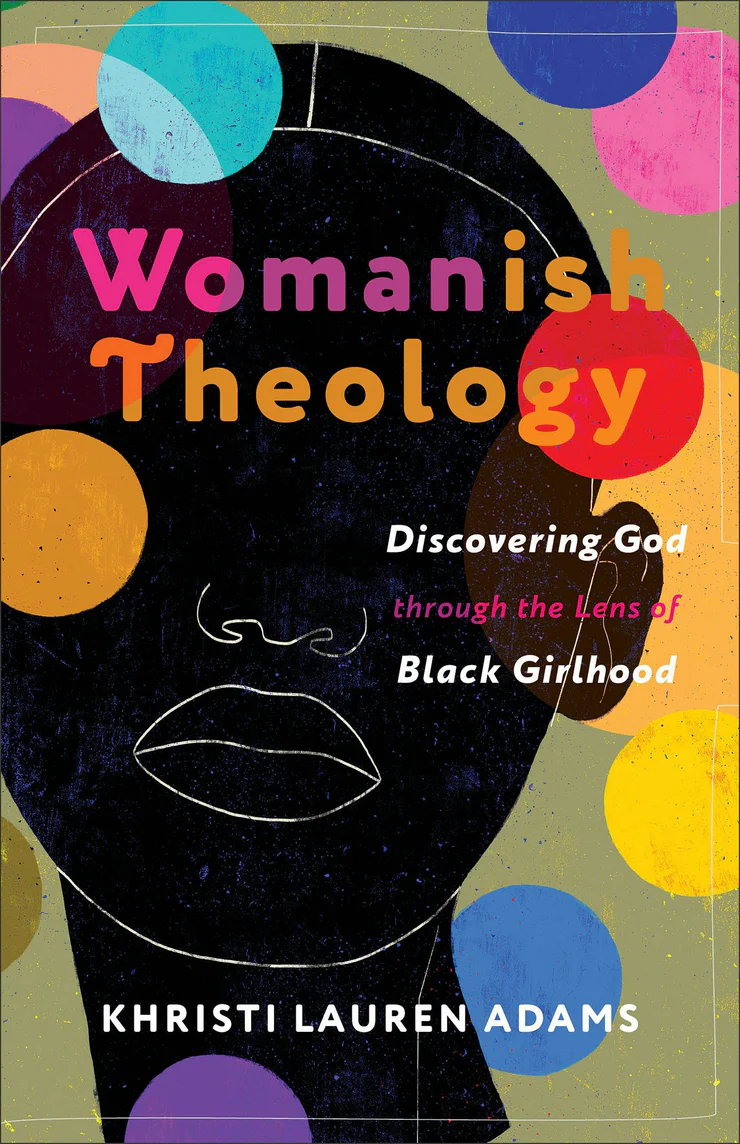
 Khristi Lauren Adams, Womanish Theology: Discovering God through the Lens of Black Girlhood (August 2024): A blend of memoir and robust theological work, this book by author and pastor Khristi Lauren Adams centers Black girlhood, asking “how differently would Black girls see the world or themselves had they [been] represented and treated as imago Dei?”. It draws on Khristi Lauren Adams’ experiences and expertise to teach new ways to see God and those around us, no matter what societal messaging may be.
- Jennifer Powell McNutt, The Mary We Forgot: What the Apostle to the Apostles Teaches the Church Today (September 2024): I wrote about this book here on the Anxious Bench when it came out in the fall of 2024, but haven’t yet been able to include it in a class. Jennifer Powell McNutt’s study of Mary Magdalene as historical figure, as model for Christian witness, and as pastoral encouragement is a rich one that seeks to serve the church of the present through carefully telling the past.
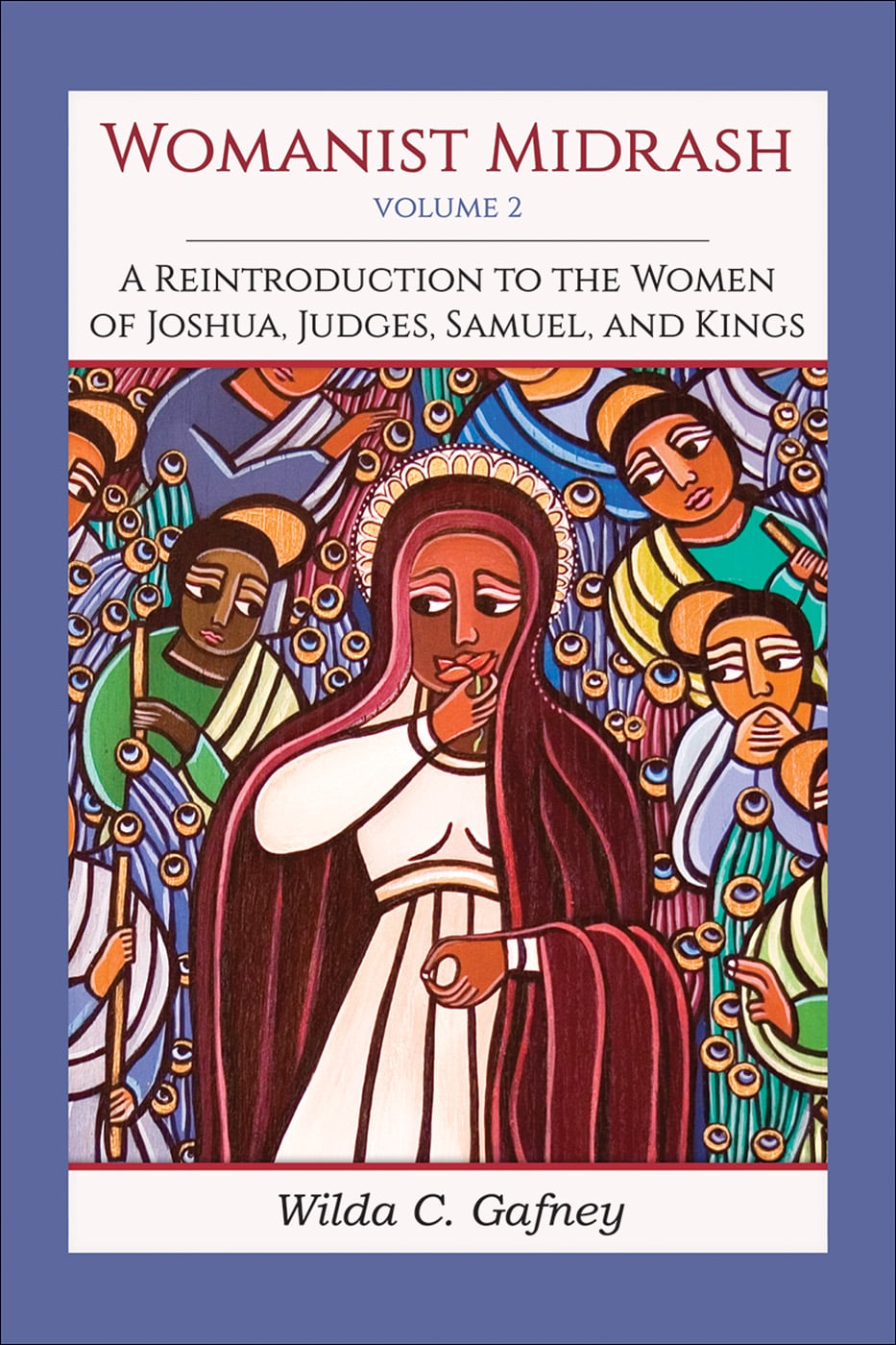
- Wil Gafney, Womanist Midrash, Volume 2 (November 2024): The second volume of Wil Gafney’s influential and important scholarship joins Womanist Midrash, Volume 1 on the reading list. Written by a noted biblical scholar, the Rev. Dr. Wil Gafney, these books offer new translations of the Old Testament text, rooted in African American preaching and rabbinic traditions, that help us better see and understand the women already in the biblical text.
- Nadya Williams, Mothers, Children, and the Body Politic: Ancient Christianity and the Recovery of Human Dignity (November 2024): I also wrote about this one when it came out– but I’m excited for students to encounter this study of motherhood and early Christianity, one that takes up broad questions about parenting, work, church, and culture in both historical and present contexts.
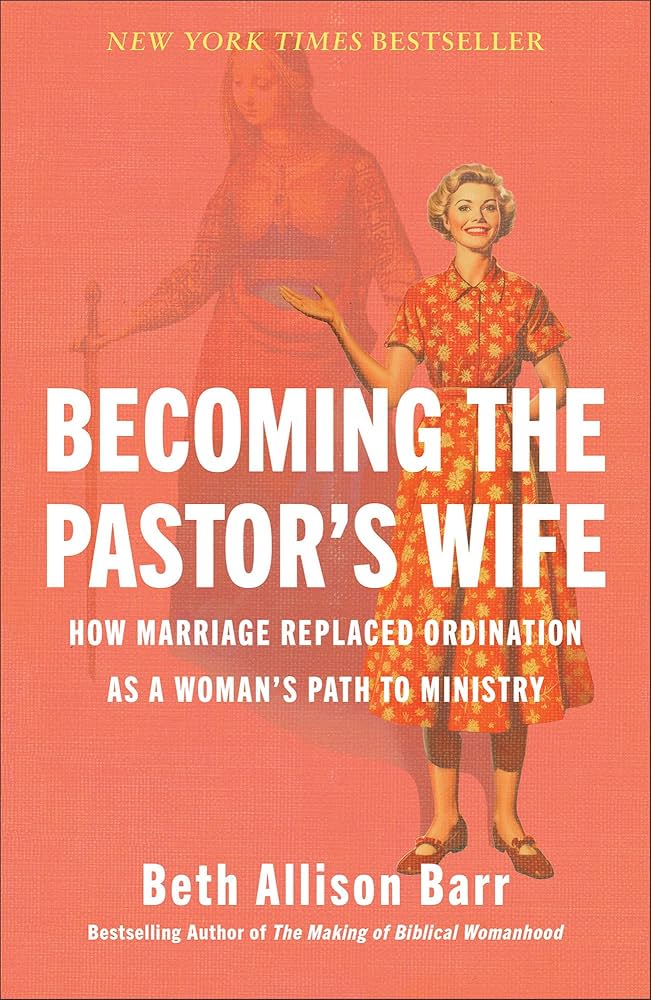
 Beth Allison Barr, Becoming the Pastor’s Wife: How Marriage Replaced Ordination as a Woman’s Path to Ministry (March 2025): Beth Allison Barr’s latest work joins one of our course textbooks, The Making of Biblical Womanhood, for this iteration of the course. It takes up different questions and themes than her first book (one of which I talk about here), but together, both books give scholarly and compelling insights into how remembering (or revising or forgetting) the past has shaped the contemporary evangelical church and its approaches to women.
- Gregg Allison, Complementarity: Dignity, Difference, and Interdependence (May 2025): Like many of the books on this list, this new study proposes a different path forward, proposing the framework of “complementarity” as a way to think about gender, creation, and the church. It makes for an interesting conversation partner with Abigail Favale’s The Genesis of Gender, already on the list from the last time I taught the course.
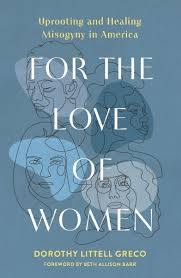
- Dorothy Littell Greco, For the Love of Women: Uprooting and Healing Misogyny in America (October 2025): This new book is much broader than some of the others on the list, blending scholarly research, interviews, biblical study, and experience to explore not just the church, but culture more broadly. With chapters on healthcare, government, work, media and entertainment, the church, and personal relationships, this one is for my students who want a broader perspective.
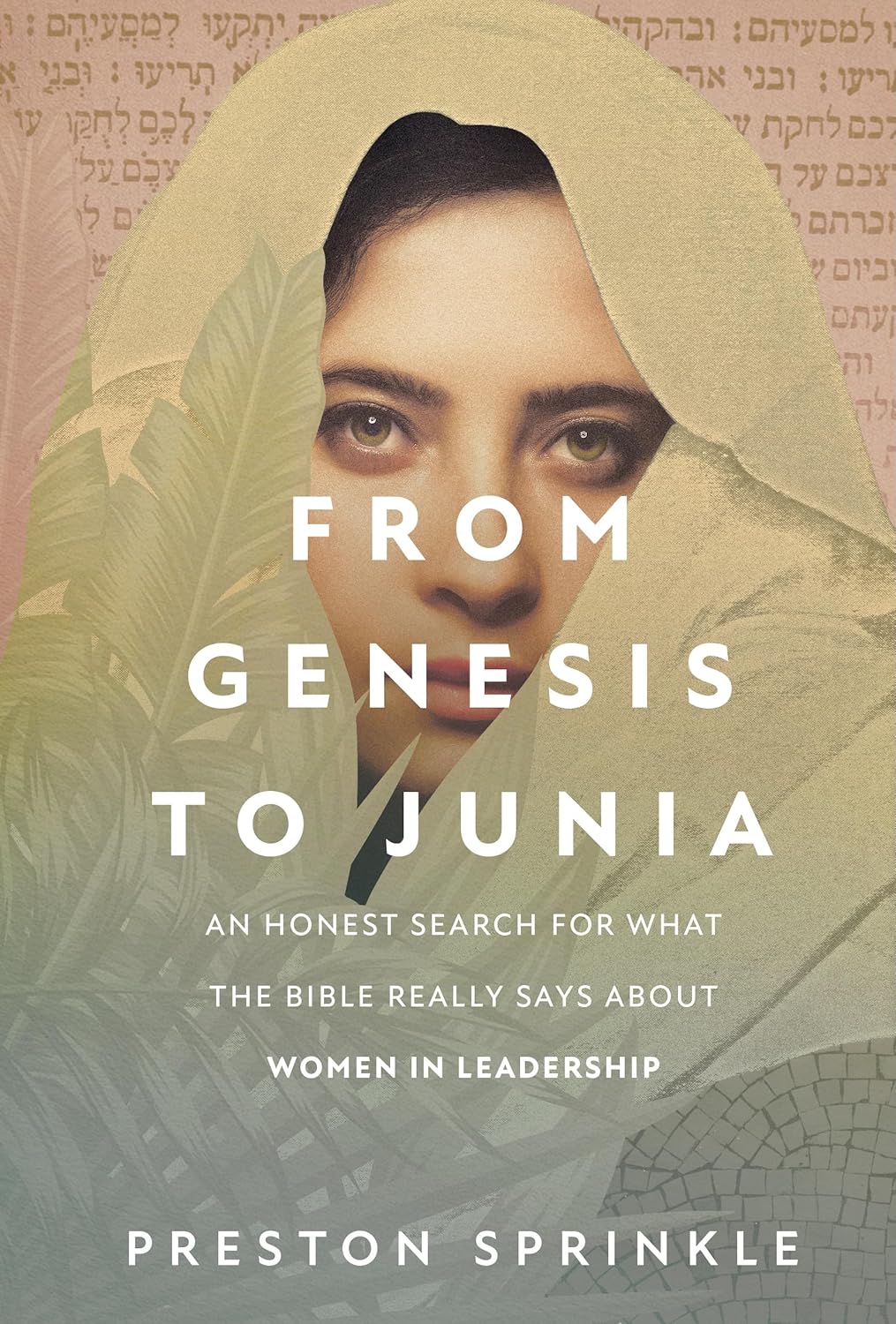
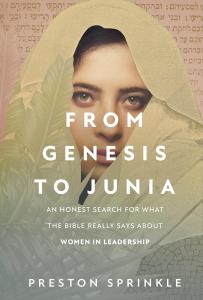 Preston Sprinkle, From Genesis to Junia: An Honest Search for What the Bible Really Says about Women in Leadership (March 2026): Preston Sprinkle’s very recent work focused on exegeting scripture to try to answer questions around men, women, and the church joins two other books on the reading list, Philip B. Payne’s The Bible vs. Biblical Womanhood and Man and Woman, One in Christ: An Exegetical and Theological Study of Paul’s Letters. I am not a biblical scholar, and do not have the training in biblical languages to do the work that Drs. Sprinkle, Payne, and Gafney (highlighted above) do here– so I’m glad to have an abundance of books I can point my students towards who are interested in close exegetical readings.
- Kristin Kobes DuMez, Live, Laugh, Love: The Secret History of White Christian Women and the World They Made(September 2026): This one makes it out just in time to join Jesus and John Wayne for this version of the course. Connecting late nineteenth-century history to present promotions of domesticity and positivity, this is one I can’t wait to read.
Usually, I end the course with Aimee Byrd’s Recovering from Biblical Manhood and Womanhood– a text that will remain on the list of options for students, along with her 2022 The Sexual Reformation. But this time around, we’ll be reaching her more recent book The Hope in Our Scars: Finding the Bride of Christ in the Underground of Disillusionment(April 2024). It’s not directly about women in the church, but it does seem, to me, to be a fitting end to the course. In ending with this book, focused on seeing Christ despite the failings, abuses, and brokenness of the church, I hope to leave my students (and myself) with a focus on Christ that counters the debates around power, debates that so often dehumanize and degrade people. Teaching this course in 2026, it feels particularly important to end with both a recognition of what’s broken and with a reminder that our hope is not in an earthly institution.













 Ad-Free & Subscriber Log-In