2019-10-27T13:47:48+00:00

Wills Point, Texas – GFA (Gospel for Asia) – Discussing where violence against women occurs worldwide, including violence against widows.
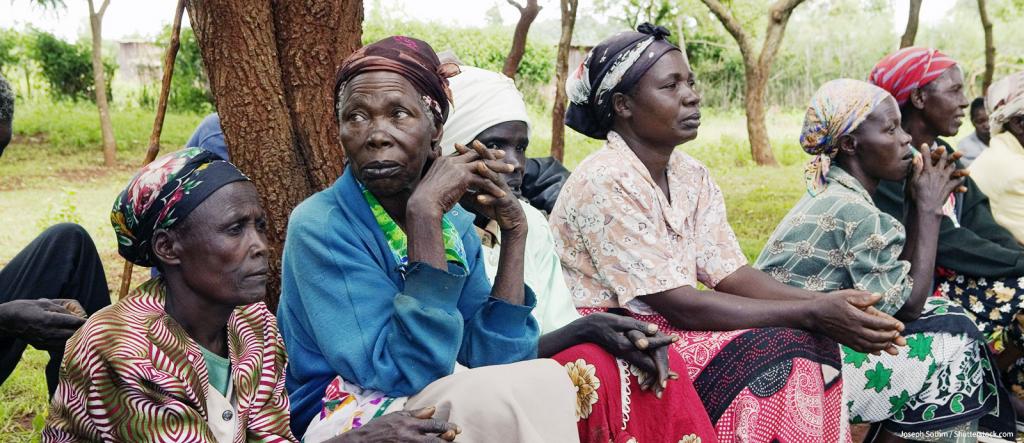
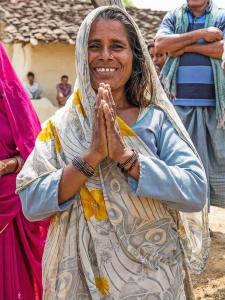
Widows in Meru, Kenya, Africa who have lost their husbands - KP Yohannan - Gospel for Asia
Widows in Meru, Kenya, Africa who have lost their husbands and have only themselves as a group to look after each other.

If a woman happens to escape the abuse so common in marriage, what happens to her once she is no longer married and becomes a widow? Does the violence against widows end?

Violence Against Widows

“Gulika’s life drastically changed the day her husband died. … Bearing the title ‘widow’ was a heavy weight to carry. The sharp, condemning words of the villagers stung Gulika’s already broken heart. Because of this, the pain of losing her husband increased all the more. It seemed that every time she stepped out of her home she wasn’t safe from their harsh criticism.

“The villagers believed Gulika was cursed. They were even afraid that if she passed them on the street, she would bring them bad luck. This shame and rejection, on top of the reality of her husband’s death, grew unbearable. Soon Gulika fell into deep emotional despair.”

Condemnation. Shame. Rejection.
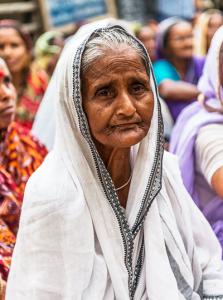
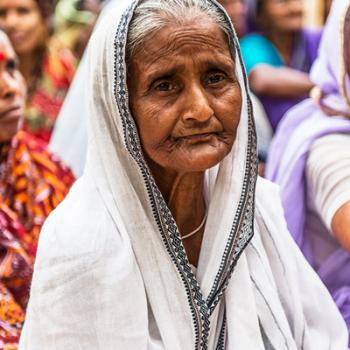
a widow has lost all “color” from her life once her husband has died - KP Yohannan - Gospel for Asia
Wearing a white sari symbolizes that a widow has lost all “color” from her life once her husband has died.

Gulika, like so many other widows in South Asia, incurred the blame for her husband’s death—even though he had died crossing railroad tracks as an oncoming train headed his way. But that didn’t matter. The cause of a husband’s death, no matter how arbitrary or natural, is blamed on the wife.

People believe the husband’s death came about because the wife is a curse, a bad omen. They may strip her of her jewelry, shave off her hair, and force her to wear a white-colored sari, signifying she no longer has any “color” and must spend the rest of her days on earth in mourning. Often, she’s cast out of the home, left with no property and no way to fend for herself. She no longer has any family unless she has dependent children. In order to survive, she may need to beg or turn her body over to prostitution.

There are more than 57 million widows in Asia—and it transcends ages and social statuses. A person can become a widow as young as 7 years old (depending on if they were forced into a child marriage) or can come from a wealthy, high-class family. But once a girl or a woman bears the name “widow,” who they were before no longer matters. They’re obligated to live out the rest of their lives forgotten, shamed and without any hope.

The cause of a husband’s death, no matter how arbitrary or natural, is blamed on the wife.

In an article published by National Geographic, journalist Cynthia Gorney was able to get an insider’s view on the plight of widows. In one interview, she noted the “fury” a social worker named Laxmi Gautam had when talking about the condition of widows:

“We asked whether Gautam had ever imagined what she would change if she were given the power to protect women from these kinds of indignities. As it turned out, she had. ‘I would remove the word ‘widow’ from the dictionary,’ she said. ‘As soon as a woman’s husband is gone, she gets this name. This word. And when it attaches, her life’s troubles start.’”
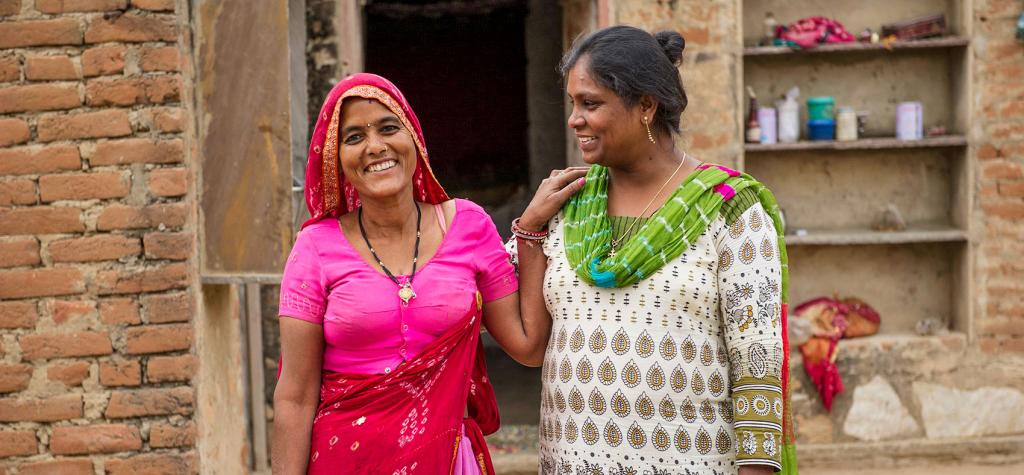
There are more than 57 million widows in Asia - KP Yohannan - Gospel for Asia
There are more than 57 million widows in Asia

When Will the Violence Against Widows End?

From one stage of life to the next, it would seem the women of Asia hardly get any reprieve from abuse and discrimination. Violence against women is “from the womb to the tomb,” as the old saying goes.

But in the midst of such gloom, Gospel for Asia—and other governmental and non-governmental organizations working on behalf of women’s rights in Asia—is seeing a new dawn rising for hundreds of thousands of women.

As women experience the love of fellow human beings who are willing to serve and minister to them, their understanding of their worth and value in society is elevated. Gospel for Asia-supported workers, including men, treat each girl and woman they meet with respect. They speak words of life into the hearts of women who’ve silently suffered violence, letting them know they matter, they are important, they are valuable, they are loved—even if the rest of society doesn’t believe so.

Remember Aamaal, the woman who tied a noose and was planning on hanging herself to escape her husband’s abuse? She didn’t jump. She didn’t kill herself. Instead, a relative offered her hope in the name of Jesus and led her to a compassionate GFA-supported pastor. Because of that, her life changed—and her husband experienced renewal too! He no longer drinks. He no longer beats his wife, and Aamaal is no longer living the life of an abused woman.
Geeta and her two young children rebuilt their lives - KP Yohannan - Gospel for Asia
Geeta and her two young children rebuilt their lives after their abusive father left, through the support of their local church.

When Geeta’s abusive husband left her, she went from fear to despair—not relief. She faced pressure to sell her body as a prostitute, and she eventually started working as one. But one of her friends, a believer, knew there was a better way to live. She shared loving counsel with Geeta, something she had been searching for.

The hunger and poverty Geeta and her children faced remained a problem, however, until Geeta’s children were enrolled in a Gospel for Asia-supported Bridge of Hope center. The local church has also came alongside the family, helping them find a safer place to live and provided help and encouragement.

As GFA-supported workers lead their congregations to truly value women, whole portions of society are showing women respect they’ve never experienced before. Believers can be heard thanking God for their newborn baby girls. They educate their daughters to give them a future of their own. They refuse to receive dowry as a testimony to the love of Christ. And when their sisters in Christ become widows, they embrace and support them rather than reject them.

Gospel for Asia-supported Initiatives Helping to End Violence Against Widows, Women

Through various GFA-supported initiatives, girls and women have opportunities to reach heights they were once barred from reaching because of their gender.
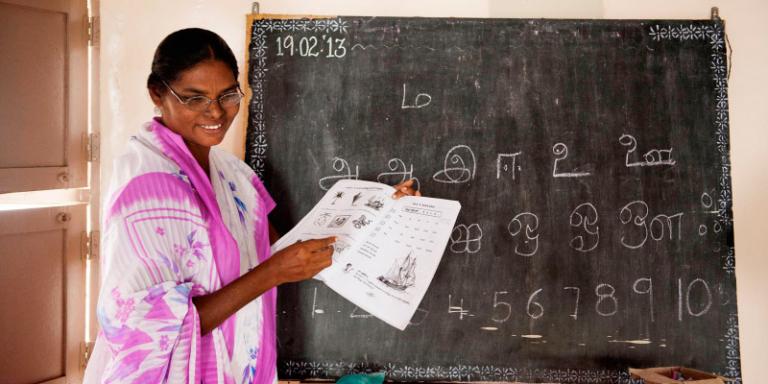
Literacy Training - KP Yohannan - Gospel for Asia
Literacy Training is key for helping women and widows get back on their feet.

Literacy Training

provides adult women with the opportunity to learn how to read and write—skills they never had the chance to learn, most likely because in the minds of many parents, a girl’s education is not worth investing in.
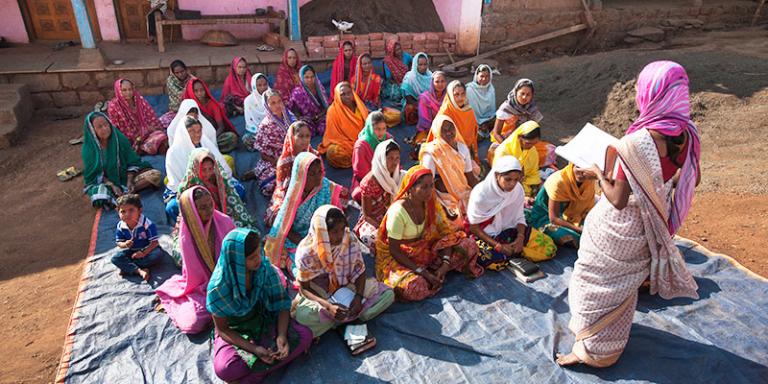
Health care seminars - KP Yohannan - Gospel for Asia
Health care seminars give women and widows practical training in personal hygiene.

Health Care Seminars

teach women how to properly take care of their pregnancies, their babies, their homes and families, which empowers them inside the home.
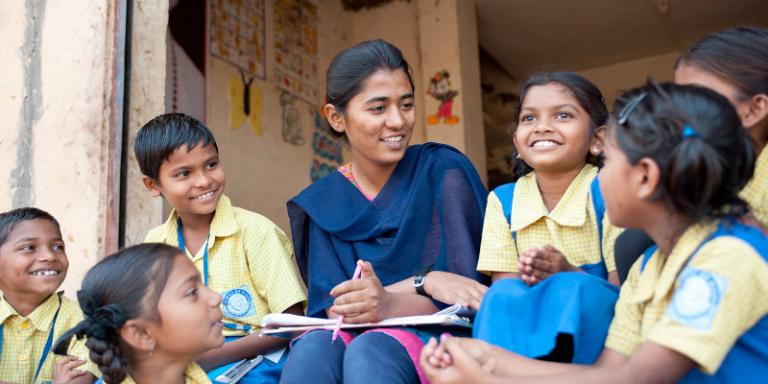
Gospel for Asia's bridge of Hope program - KP Yohannan - Gospel for Asia
Gospel for Asia’s Bridge of Hope program helps widows with children keep them in school.

Gospel for Asia’s Bridge of Hope Program

is a child sponsorship program that helps keep young girls off the streets and provides them with an education—while teaching every student how boys and girls are created equal in God’s sight.
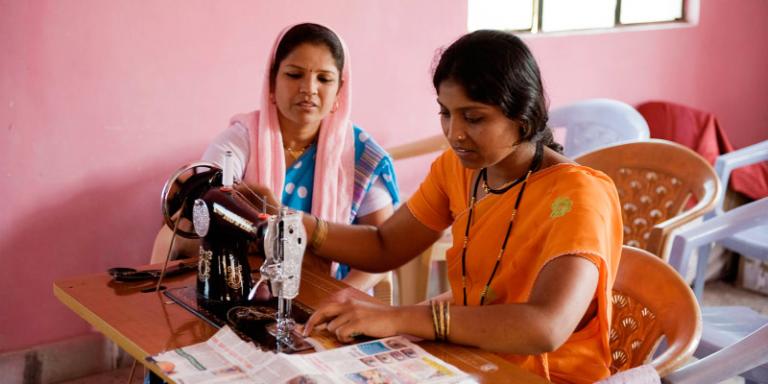
Vocational training and Income-generating gifts - KP Yohannan - Gospel for Asia
Vocational training and Income-generating gifts like sewing machines give widows practical skills to earn a living.

Income-generating Gifts

give impoverished women the ability to take care of themselves and their families if their husbands are struggling to provide, unemployed, or incapacitated due to alcohol or other addictions. Vocational training makes it possible for women to learn skills that will help them find good jobs—or even start their own business!

At the heart of many of these initiatives are GFA-supported women missionaries and Sisters of Compassion, specialized women missionaries. They stand beside and advocate for the rights of abused and neglected women. They show others how to love and care for the people around them, regardless of their gender. Through them—and the guidance and teaching of male pastors and missionaries who see each woman as precious, valuable and made in the image of Almighty God—violence against women is ending. Women are enjoying new life safe from hands that once sought to abuse them.
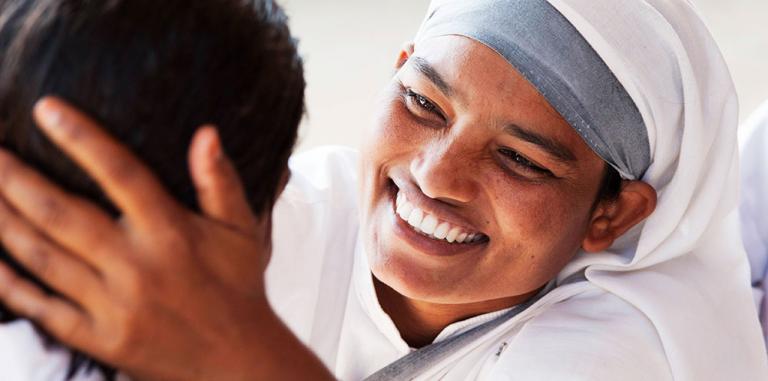
Sisters of Compassion - KP Yohannan - Gospel for Asia
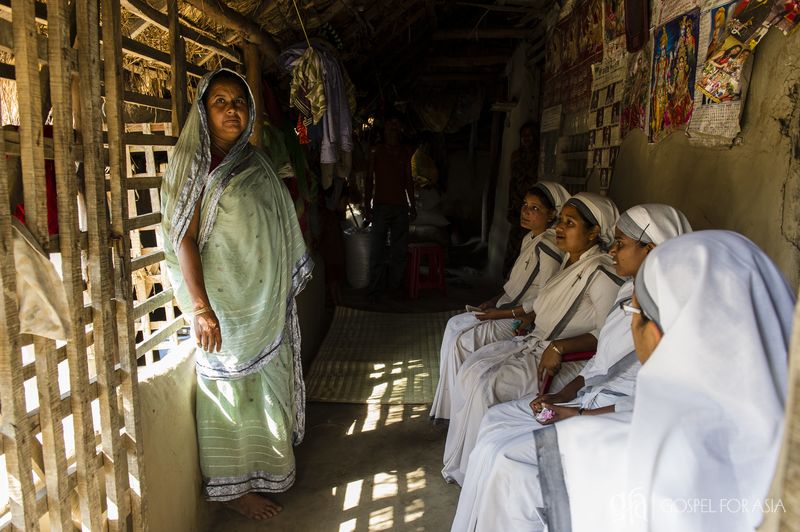
Sisters of Compassion help widows in need of support, encouragement or medical attention.

As for Geeta, she has a solid group of people who have stood with her through her hardships. We, too, can come alongside women like Geeta. Through our prayers and support of national workers, we take part in helping end the violence against women in Asia.

When we come alongside GFA-supported workers, we empower them to empower others. We have seen the fruit of these efforts over and over again, and by God’s grace, we will see more and more women set free—physically, emotionally and mentally—from the abuse and neglect they’ve known their entire lives.


For more on Patheos about violence against widows, their plight and need, go here.

This article originally appeared on gfa.org.

=====

Click here, to read more blogs on Patheos from Gospel for Asia.

Go here to know more about Gospel for Asia: Facebook | Youtube | Twitter | GFA Reports | My GFA
2019-08-09T23:01:34+00:00

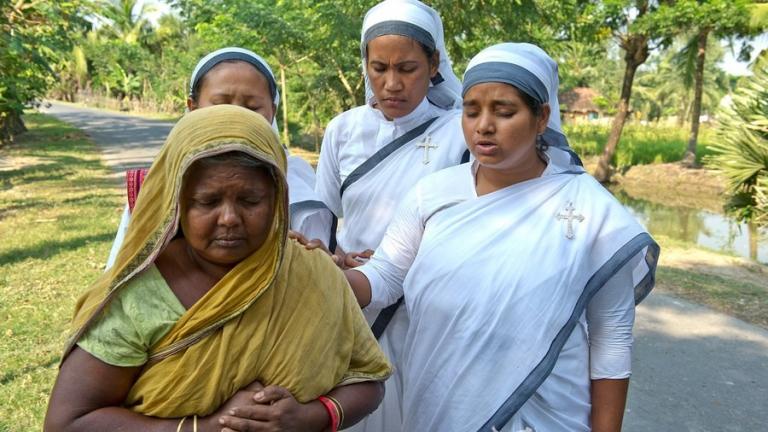
Widowhood is a State of Social Death Asserts Gospel for Asia - KP Yohannan - Gospel for Asia
In places where traditional women missionaries face persecution, Sisters of Compassion are welcomed as trustworthy counselors and friends of the community.

Widowhood.

No one can imagine the pain that follows the death of a spouse until they have experienced it. Suffice it to say that the only way to describe that pain is that it is, indeed, unimaginable. It doesn’t matter who you are or where you live, the indescribable pain of the loss lingers long after you expect it to.

Two Scripture verses have been a comfort to me as I have experienced the pain of which we speak. One is from the Old Testament; the other from the New.

“A father of the fatherless, a defender of widows, Is God in His holy habitation.”
(Psalm 68:5)

“Pure and undefiled religion before God and the Father is this: to visit orphans and widows in their trouble, and to keep oneself unspotted from the world.”
(James 1:27)

A Biblical perspective on widowhood is essential for Christians everywhere. As followers of Jesus, we have a sacred responsibility to care for and comfort widows. This is especially true in some Asian nations where widows are treated as outcasts.

In some of the poorest regions of these countries, widows are a burden. In times past, they would be burnt alive while their husbands’ bodies were cremated. Today, many widows are made to leave their families and forced to beg in the streets. Some are sent away by their husbands’ families who want to prevent them from inheriting money or property. Despite legislation aimed at protecting widows, regressive customs are difficult to overcome.

The treatment of women in general and widows, in particular, is nothing new. Even during his earthly ministry, Jesus condemned the Jewish scribes and Pharisees for devouring widow’s houses (see Mark 12:38-40). Mistreatment of widows is common, especially in developing countries and in places where Christian compassion is nonexistent.

One source observed that widows in India have a “pronoun problem.” The estimated 40 million women widows in the country go from being called “she” to “it” when they lose their husbands.

Mohini Giri, a former Nobel Peace Prize nominee, says that “Widowhood is a state of social death,” and women are forced to live with “many restrictions which affect them both physically and psychologically.” In many cases, they are forbidden from working or associating with mainstream society.

Widows are trapped in an emotional prison because of the bad luck they are thought to bring. According to Hopegivers, a faith-based non-profit organization, widows are “easily set aside, much like you would toss out an old chair. But that is not God’s way. All lives have value, regardless of age, gender, or circumstances. He has a plan and purpose for every person – and that plan and purpose exist until death.”

These are some of the reasons why one of the major ministries of GFA-supported Sisters of Compassion is caring for widows throughout widowhood.

With hearts that ache for hurting widows, Sisters of Compassion honor them by sharing the love of Jesus, providing clothing and other basic essentials, teaching them income-generating skills, and providing them with the tools necessary to use those skills.

Sisters of Compassion are specially trained women missionaries with a deep burden of showing Christ’s love by physically serving the needy, underprivileged and poor. After completing Bible college—and sometimes several years of ministry—they go through an advanced six-month course of study, learning about leprosy care, family counseling, hygiene education and other practical ministries.

Before these women missionaries re-enter the field, they don a uniform of humility. Made of handspun fabric, the traditional saris they wear mirror the clothing once worn by the lowliest servants in Asia, immediately showing everyone that the women missionaries have come without any agenda but to love others. Although it looks foreign to Western eyes, their uniform has a special and easily recognized meaning in Asia. Over the years, women from many Christian denominations have taken on this uniform to demonstrate a desire to serve the needy without thought of personal gain.

In places where traditional women missionaries face persecution, Sisters of Compassion are welcomed as trustworthy counselors and friends of the community. With this acceptance, they freely share Christ’s love where they otherwise couldn’t even set foot.

Sisters of Compassion are eagerly welcomed as caregivers, counselors, teachers and friends. Without the uniform, they would be greeted with speculation.

The Sisters of Compassion are a select group of women missionaries who have chosen to participate in extra training and to spend three years working among the widows, orphans, lepers and others living in abject poverty and in need of the love and care that others are withholding from them simply by ignoring them.

Demonstrating compassion is, in and of itself, the calling of every believer. However, it is the miracles the Lord does through our compassion that best demonstrate His care.

Perhaps the best way to understand the plight of widows in Asia and the impact of Sisters of Compassion is to watch this short excerpt from the acclaimed movie, “Veil of Tears.” Our prayer is that it will touch and break your heart and stir you to pray for this special ministry  supported by GFA. Please take just five minutes to let the Lord open your eyes to the need and to the sacrificial and caring work of the Sisters of Compassion among the widows.

For more on the plight of widows and widowhood, go here.

For more on Sisters of Compassion go here.

=====

Click here, to read more blogs on Patheos from Gospel for Asia.

Go here to know more about Gospel for Asia: Facebook | Youtube | Twitter | GFA Reports | My GFA
2019-11-05T17:08:34+00:00

Gospel for Asia (GFA) Report, Wills Point, Texas

You know that awkward moment when you’re stopped at a red light, and you can feel the presence right outside your window. You study the road in front of you, trying, unconvincingly, to look casual and nonchalant. Before, when you slowed down for this stop light, you saw the panhandler standing at the corner. You knew you were going to end up idling right next to him. You quickly think to yourself, What do I do? Do you smile and look away? Do you give him money? What are the chances it won’t go straight to the liquor store till? His sign says he has a family. Does he really? Will they see a cent of any money you give him? What about if you give him a gospel tract? Isn’t that really his greatest need: Jesus?

I have often wrestled through these questions and settled on one of the actions above, but never with complete satisfaction that it was the best way to help or exactly what Jesus would have done.

Usually, when Jesus was approached by the needy, disabled or downcast, He met their immediate physical needs, often through healing. But He also fed people, just because they were hungry. In fact, He told us that when we meet the immediate physical needs of people in front of us, we are ministering to Him directly.

“Then the King will say to those on His right hand, ‘Come, you blessed of My Father, inherit the kingdom prepared for you from the foundation of the world: for I was hungry and you gave Me food; I was thirsty and you gave Me drink; I was a stranger and you took Me in; I was naked and you clothed Me; I was sick and you visited Me; I was in prison and you came to Me. Then the righteous will answer Him, saying, ‘Lord, when did we see You hungry and feed You, or thirsty and give You drink? When did we see You a stranger and take You in, or naked and clothe You? Or when did we see You sick, or in prison, and come to You?’ And the King will answer and say to them, ‘Assuredly, I say to you, inasmuch as you did it to one of the least of these My brethren, you did it to Me.’” —Matthew 25:34–40

Our field partners in Asia see the same kind of desperate needs that we read about in the gospels. People affected by leprosy. People without access or means for medical treatment. Families too poor to send their kids to school or even feed them. There are so many natural disasters in rural Asian countries that don’t have the infrastructure to respond.

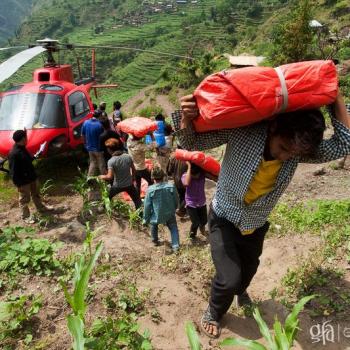
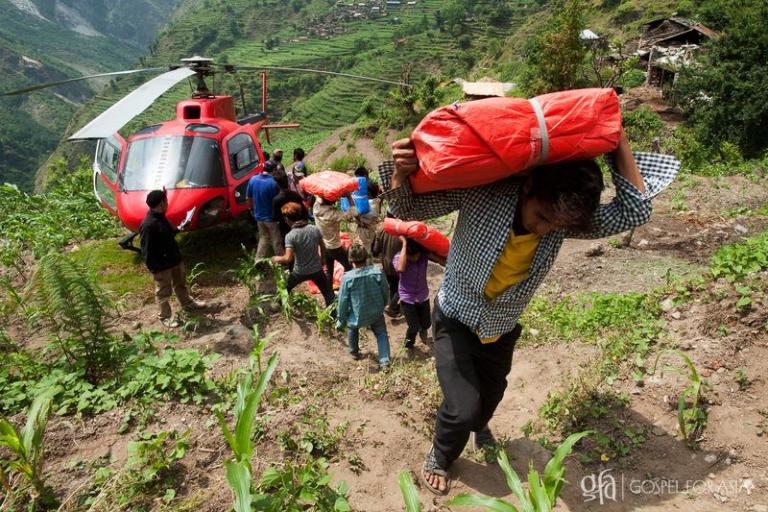
Compassion Services workers - KP Yohannan - Gospel for Asia
Relief packets, distributed by Gospel for Asia-supported Compassion Services workers, being helicoptered into remote locations in Nepal following the catastrophic earthquakes in 2015.

Gospel for Asia-supported Compassion Services teams are there to meet people’s real-time, immediate needs. Things like medical checkups and flood relief. These are vehicles for people to experience the real love and compassion of Jesus. Jesus sees their need. He sees their plight. He is not deaf to their cries, they reach His throne in heaven.

Compassion Services is where heaven touches earth. Washing a leprosy patient’s wounds gives physical representation to the spiritual reality of God’s cleansing forgiveness. Rebuilding the home of a family who lost everything in an earthquake speaks of an eternal home that cannot be destroyed.

When we reach out to the immediate physical needs of those around us in the name of Jesus, He ministers to them through us. We become the very hands and feet of Jesus on earth.

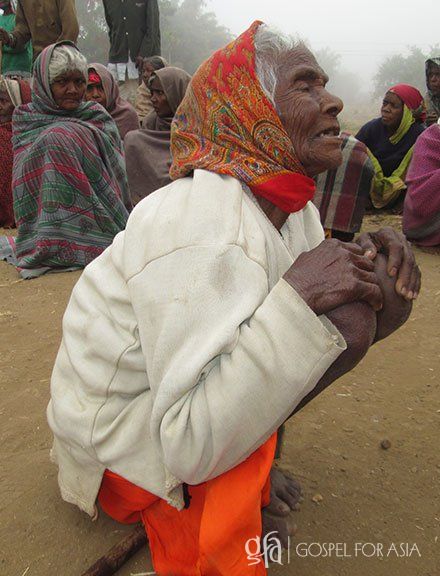
old woman who received a blanket - KP Yohannan - Gospel for Asia
This is Rayna, a 125-year-old woman who received a blanket.

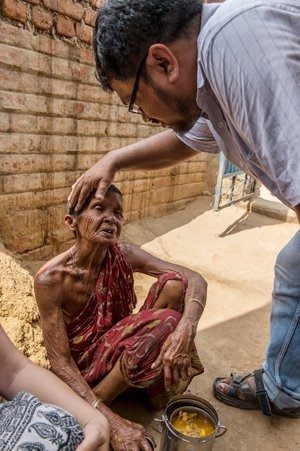
In a tiny farming village in Asia, two Sisters of Compassion met 125-year-old, Rayna, a poor widow who has lived her whole life in this village. The sisters made weekly visits to Rayna to hear her stories culled from 125 years of love and heartache and to pray for her. They noticed the torn and smelly blanket she used for warmth and realized she and her family couldn’t even afford a new blanket, because they used all their income on daily survival. There was no money left for improving their lives. The sisters were able to provide a new, warm blanket for Rayna through a gift distribution.

“During night time, I feel cold because there were no warm clothes in my house, and I struggled a lot,” Rayna said. “I could not afford to buy a blanket to protect me. But thank you very much for giving this blanket.”

Gospel for Asia partners work right in the middle of some of the most difficult plights of human need. Our partners work in 44 leprosy colonies in Asia, where leprosy still has a life-long stigma. As people affected with leprosy are often cast out of society, they gather in groups or “colonies” for safety. Our partners are busy ministering to these outcasts by cleansing their wounds, getting them medical attention, and providing livelihoods, such as goats, through GFA’s Christmas Gift Catalog so they have a sustainable means of living. We even have an onsite cobbler at one of the colonies to provide custom shoes for those with feet too disfigured to wear normal shoes.

Our field partners also work in slums spread across Asia, providing toilets and blankets to those who do not have access to these items of basic human need. We host medical camps in slums, leper colonies and poor rural areas that have no access to any sort of health care. Often in these areas, people’s only resource for medical care are traditional practices that spread more disease than cure.

After the decimating series of earthquakes in Nepal in 2015, coordinated relief efforts came from many Gospel for Asia (GFA)-supported partners in Indian states. Supplies of clothing, food and medicine were assembled to meet immediate needs. Building supplies were collected to help with reconstruction. Even school supplies were provided for thousands of children that lost everything. In times of crisis, when warning is impossible, Gospel for Asia (GFA)-supported Compassion Services are poised to respond immediately and remain for the long haul.

Jesus made time for the needy around Him. Even when He was busy, on His way somewhere, a desperate woman who reached out to Him was not turned away, but healed (Mark 5:21-34). Men would cry out to Him from the side of the road, and Jesus paused to listen and minister to their physical needs (Matthew 20:29-34). Often this led to spiritual transformation as well.

By touching people’s lives by meeting immediate physical needs, the door is open for deeper healing as well.

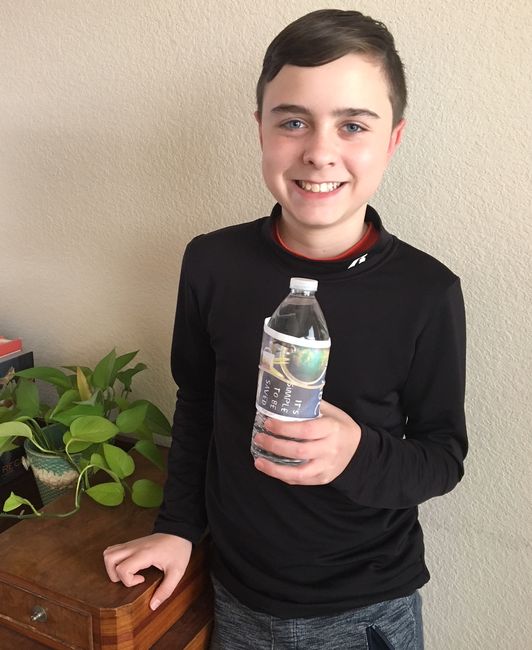
Bottled water and a gospel tract - KP Yohannan - Gospel for Asia
Bottled water and a gospel tract for those standing in 100-degree weather.

You remember the panhandler at the intersection? This is my someone-asking-for-help-while-I’m-busy-on-my-way-somewhere moment. How will I respond? Once I had kids and knew that these four little people were watching my life, I determined to come up with a way to reach out to panhandlers. I was done looking the other way and feeling embarrassed, not knowing what to do. So I put together a plastic bin that sits in my van, right between the two front seats filled with bottles of water. Each water bottle has a gospel tract rubber-banded around the outside. Tucked into the gospel tract is $1. My kids and I pray over the gospel tracts and write a warm note of encouragement before we wrap them around the water bottles. Now that we live in Texas, bottled water is perfect. When we lived in Washington State, it was cans of soup.

There are so many ways that Jesus continues to minister to the needs of people around the world. And He does it through the small and big acts we carry out every day. When we, as the Body of Christ, show up in a recently flooded village where all the crudely constructed homes have been washed away, Jesus is there. When we give a bottled water to someone standing on a street corner in 100-degree weather, Jesus is there. We are the literal hands and feet of Jesus reaching out in our local communities and across the globe, meeting people’s immediate physical and spiritual needs. Being the conduit for heaven to touch earth.

=====

Click here, to read more blogs on Patheos from Gospel for Asia.

Go here to know more about Gospel for Asia: GFA.net | Wiki | Flickr

For more information about this, click here.

2018-06-28T21:33:41+00:00

How Love Responds to Leprosy - KP Yohannan - Gospel for Asia

“While Jesus was in one of the towns, a man came along who was covered with leprosy. When he saw Jesus, he fell with his face to the ground and begged him, ‘Lord, if you are willing, you can make me clean.’

“Jesus reached out his hand and touched the man. ‘I am willing,’ He said. ‘Be clean!’ And immediately the leprosy left him. ” —Luke 5:12–13 (NIV)

Some things about love and leprosy seem to be diametrically opposed. For several millennia, people with leprosy have been regarded as “unclean,” even in the Levitical law of the Old Testament (see Leviticus 13).

Our natural response to anything characterized as unclean is to avoid it. Even more so, we naturally avoid that which is unsightly to our own eyes, whether it has been labeled “unclean” or not.

If we are willing to be excruciatingly honest with ourselves, we must confess that association with disease, especially if it is disfiguring, is something that we naturally want to avoid and that we may go out of our way to avoid.

This is undoubtedly the case with Jesus’ encounter with the leper described by Dr. Luke.

Why do you suppose that Luke included this account in his record of the Jesus’ ministry?

Because Luke was a doctor? That doesn’t seem likely. Because Matthew and Mark recorded the event (see Matthews 8 and Mark 1)?

Because it was a miracle? When we consider that Jesus healed many people of many diseases and that John said that Jesus did so many more wonders (in just three years!) that it would have been impossible to record them, this, too, seems unlikely. There must be something more.

The leper’s healing demonstrates the power of God revealed in His Son. But Jesus did two other things that even the leper didn’t expect.

He reached out, and He touched him. Jesus could have—actually, He did—healed the leper by willing it to be so. But even before he revealed His power, Jesus showed His love by doing what no one else would even think to do by reaching out and touching him.

The Apostle Paul explained that love “does not dishonor others” (I Corinthians 13:5 NIV). Matthew, Mark and Luke included this critical act because Jesus demonstrated His love as love should be demonstrated. He did not ignore the leper or his disease. He expressed compassion flowing from the same love that would take Him to the Cross for all of us.

There is no record of how old the man was or of how long he had had leprosy. All that we can know for sure is that he had become an outcast because of his disease. People avoided him, but Jesus reached out and touched Him.

Gospel for Asia supports ministry in a part of the world where leprosy remains a curse and people with leprosy are treated as outcasts. Our mission is to share the love of God to all people. If we are to share it, we must first demonstrate it. Just like Jesus did.

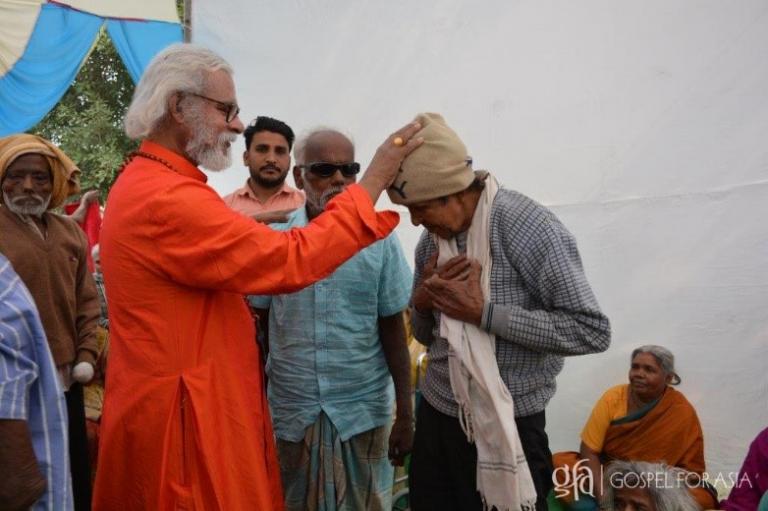
Dr. KP Yohannan visits a leper colony and extends Christ's love - Gospel for Asia
Dr. KP Yohannan Metropolitan visits a leper colony and extends Christ’s love to those who have been rejected by their loved ones.

In a recent post, Gospel for Asia (GFA) Founder K.P. Yohannan shared how GFA-supported workers have been caring for people stricken with leprosy across Asia by providing medical and personal care in 44 leper colonies. The story of one of his recent trips to a leper colony includes a photo of brother K.P. reaching out and touching two men in that colony—just as his Lord, Jesus, would have.

Describing the people in the leper colonies as “vulnerable and forgotten,” Dr. Yohannan explained how 500 Gospel for Asia (GFA)-supported Sisters of Compassion minister to leprosy patients by cleaning their wounds, holding their hand, praying for them, and helping to provide food, blankets and other daily needs, including hygiene awareness and education for both adults and children.

January 28, 2018, was World Leprosy Awareness Day. But those who are afflicted with leprosy still have to endure the stigma of the disease on January 29, January 30 and every day that follows.

And every day that follows, they desperately need the love that natural and cultural aversion to their disease can deprive them.

We can’t all go to where these precious people are, but we can pray for those ministering to them, such as the Sisters of Compassion and the Gospel for Asia (GFA)-supported pastors who selflessly share the love of Christ with a group of people who have come to believe that they are unloved and unlovable.

Read more about the loneliness of leprosy.

Read more about how you can bring love and life to people suffering from leprosy.

Read more about how GFA is helping leprosy patients.

Read about K.P. Yohannan’s recent visit to a leper colony.

=====

Click here, to read more blogs on Patheos from Gospel for Asia.

Go here to know more about Gospel for Asia: Twitter | GFA Reports | My GFA
 

2019-12-06T14:13:10+00:00

I brought my rubber garden clogs for this very reason.

I remember very well the warm, sweaty, sunny day I found myself on the other side of the world—in a slum in Asia.

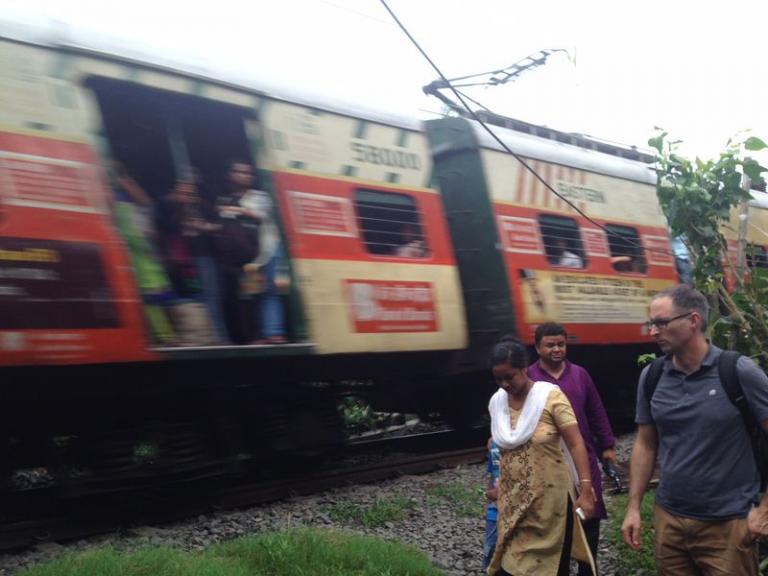
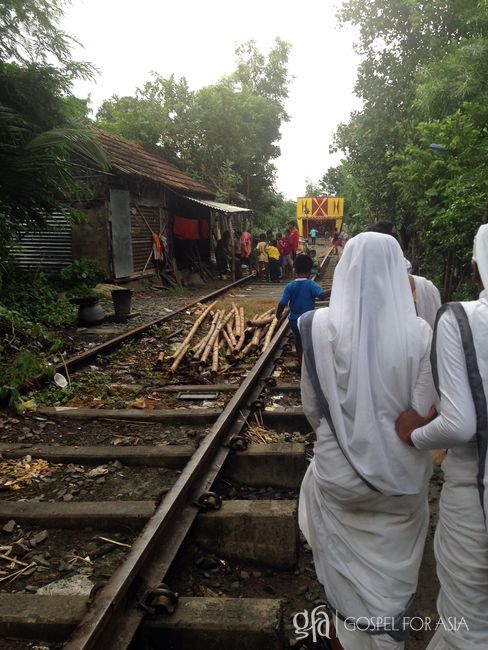
The sights and smells of the slum we visited assaulted me at every step. As I walked through the mud, avoiding piles of trash and keeping a sharp eye out for mice, I was glad to be wearing my trusty rubber clogs. Our guide, Sanjeep, a Gospel for Asia (GFA)-supported missionary, lead us through a maze of leaning patchwork dwellings. We crossed active train tracks as trains screamed past us at a very uncomfortable proximity. We navigated around garbage heaps bigger than any city garbage dump I’ve seen.

train speeds through the middle of the slum - KP Yohannan - Gospel for Asia
This train speeds through the middle of the slum several times a day.

As we neared our destination, I watched Sanjeep disappear through the doorway of a corrugated metal structure slightly bigger than a shed. It was raised three feet above the ground on a foundation of mud and sand bags to avoid flooding in the monsoon season. I climbed up the mud steps to the opening and found myself in a cramped family dwelling.  As my eyes adjusted to the darkness, I could see the inside was divided into two rooms by a half wall.  One large bed took up most of the space in the front room.

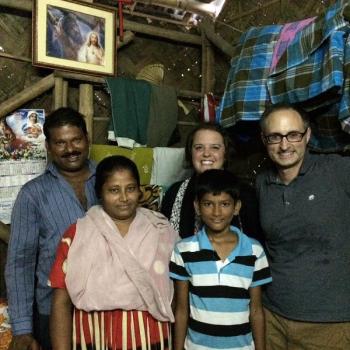
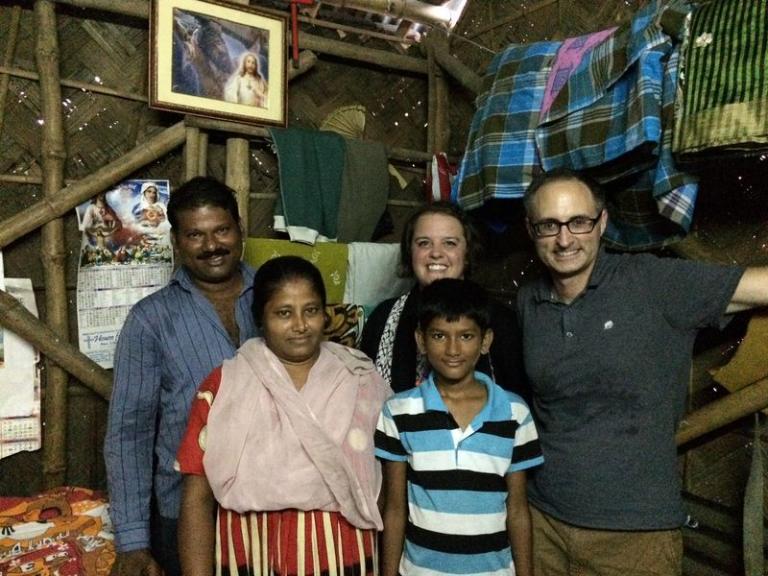
Our host, Bharat, husband and father of the family who lived here, urged us all to sit. My husband, our guide Sanjeep, and Bharat’s wife and son all piled on the bed. I shared a plastic chair with Naya, a Sister of Compassion who had accompanied us. She and two other sisters lived and worked in this slum alongside Sanjeep.

Our host, Bharat, greeted us with a thousand-kilowatt smile. He did not speak English, but he communicated eager hospitality and excitement very clearly. As Sanjeep translated for him, Bharat asked if he could share how he came to know of Jesus. His face beamed with eagerness as he began.

Bharat and his family - KP Yohannan - Gospel for Asia
With Bharat and his family

Bharat had been living in this slum for many years. He remembers when Sanjeep first came to this slum several years ago.  Sanjeep had been sharing God’s love for several weeks and offered to pray for people’s needs.  There was no interest, however, and many of the men in the slum threatened Sanjeep. He decided to visit another area in the city instead and left the slum.

But there was one man who had been impacted by Sanjeep’s offering of God’s love. At one point, he read a tract about Jesus and was overwhelmed with the love of God displayed through Him.  Bharat was immediately transformed.  He eagerly shared with his family, who also embraced the Lord’s love.

Bharat was so excited about the new life he had, he couldn’t help but tell others in the slum about Jesus’ great love. Many more people in the slum decided to follow the Lord, and more than 25 people began gathering together for prayer in Bharat’s home.

Sisters of Compassion serving in the slum - KP Yohannan - Gospel for Asia
Gospel for Asia-supported Sisters of Compassion serving in the slum.

About a year later, Sanjeep came back to the slum he had been chased from.  When he came, he was astonished to find Bharat was already gathering people into his home for prayer.  That was the beginning of the church in this slum.

I sat spell bound by the amazing testimony of this brother.  Through the power of God’s Word found in a tract, Bharat was transformed by Christ’s love, and a church was born from the passion of his heart.

As we picked our way back home, slipping through the mud, all I could see was the beaming faces of this family who had so little but were so rich. They were rich in gratitude, rich in hope and rich in faith. I took that gratitude, hope and faith home with me and continue to be inspired by it to this day.

=====

Click here, to read more blogs on Patheos from Gospel for Asia.

Go here to know more about Gospel for Asia: GFA | GFA.org | Facebook

2019-11-28T14:58:53+00:00

Gospel for Asia (GFA) News, Wills Point, Texas

Mani entered the world infected with HIV. Soon after birth, he lost his parents to the deadly disease. His uncle, Dhiraj took him in and cared for him. He made sure Mani had the medicine he needed to stay healthy, but his wife was not so welcoming. Fear and suspicion filled her heart when she thought of Mani. Her ignorance about HIV/AIDS led her to reject her desperately needy nephew. She continually pressured her husband to send Mani away, but Dhiraj would not abandon the boy. Instead, he found help from three GFA-supported Sisters of Compassion that served in the area.

On Dec. 1, World AIDS Day will be observed around the globe, bringing needed awareness to the HIV/AIDS epidemic. All across the globe, organizations work together to promote the prevention of AIDS, to emphasize the compassionate care needed for those living with the disease and to remember those who have died from it, like Mani’s parents.

World AIDS Day Rally - KP Yohannan - Gospel for Asia
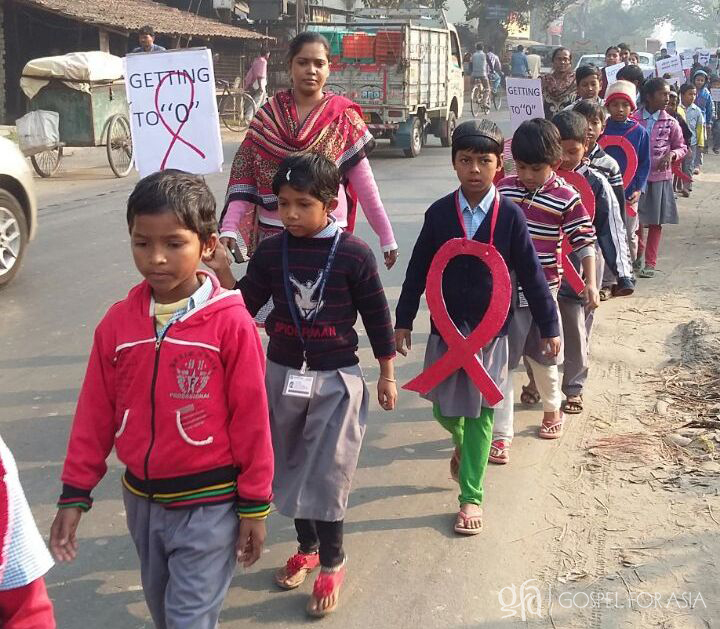
Students from GFA-supported Bridge of Hope centers across Asia participated in World AIDS Day rallies last year.

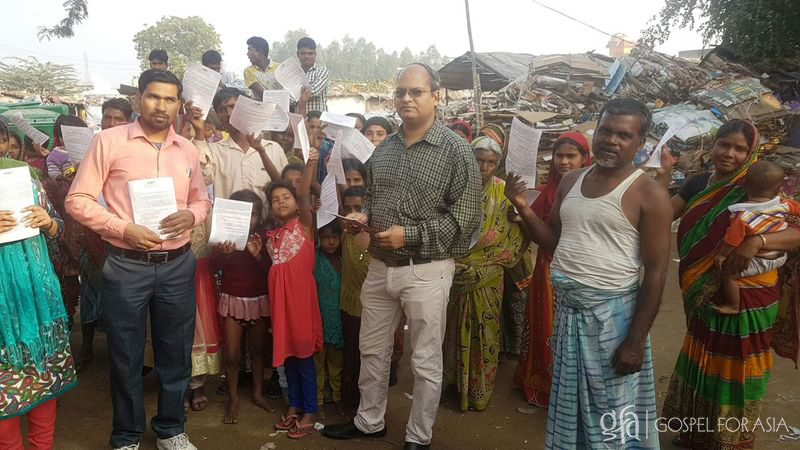
Many GFA-supported pastors, Bridge of Hope centers and bible college students and staff took to the streets in honor of World AIDS Day. Last year, 31 Bridge of Hope centers located in Kolkata, West Bengal, came together and held rallies in the red light district. In one rally, participants shouted slogans, such as “Lets aid each other to combat AIDS” and “Know AIDS, no AIDS.” They also carried banners sharing God’s love for victims of the deadly disease. More than 50,000 people were impacted by the rallies.

In the Delhi area, GFA-supported bible college students and staff worked with the local Red Cross AIDS Team to distribute pamphlets in slum areas where the disease is known to spread quickly.

A representative from the Red Cross said, “The church is doing a great job… We are with you for any help in regards [bringing] awareness of this disease. We will work jointly.”

According to UNAIDS, “36.7 million people globally were living with HIV in 2016.” They estimate 35 million people have died from the disease since the time HIV/AIDS was recognized as a global epidemic. India is estimated to have the third largest population with HIV/AIDS-infected individuals. With concentrated effort, India has been able to reduce the new HIV infections by 46 percent and AIDS-related deaths by 22 percent since 2010, UNAIDS reports. And when community organizations, such as GFA-supported Bridge of Hope centers and local churches, work in partnership with government authorities to educate high-risk populations on prevention, treatment and care for those living with HIV and AIDS, we can continue to see the percentages decrease.

A senior medical officer who attended a GFA-supported World AIDS Day event encouraged such cooperation saying, “The humanitarian work of the church will really generate mass awareness in the general public.”

World AIDS Day awareness - KP Yohannan - Gospel for Asia
GFA-supported workers and Bible college students went into the slums on World AIDS Day last year to bring awareness to the disease that has claimed millions of lives.

Gospel for Asia supports those affected by HIV/AIDS in many ways. In addition to awareness rallies on World AIDS Day, GFA-supported medical workers provide free HIV/AIDS testing during medical camps throughout the year. Bridge of Hope centers help children orphaned by the disease. And Sisters of Compassion support affected families, like Mani and his uncle and aunt. Through this multifaceted approach, in partnership with other organizations, we can impact thousands of lives ravaged by this disease and see thousands more prevented from becoming victims.

Just as Jesus cared for the sick and ostracized in His community, GFA reaches out in love and compassion to those affected by HIV/AIDS. We are grateful for opportunities like World AIDS Day to communicate God’s love and redemption.

“For … I was sick and you visited Me; I was in prison and you came to Me. Then the righteous will answer Him, saying, ‘Lord … when did we see You sick, or in prison, and come to You?’ And the King will answer and say to them, ‘Assuredly, I say to you, inasmuch as you did it to one of the least of these My brethren, you did it to Me.’” —Matthew 25”36–40

=====

Click here, to read more blogs on Patheos from Gospel for Asia.

Go here to know more about Gospel for Asia: GFA.net | GFA Wiki | GFA Flickr

2019-11-28T15:27:42+00:00

Gospel for Asia (GFA) News, Wills Point, Texas

Imagine. You’re a woman in Asia with no rights.

You’ve just been married to a man who wants to use you to get rich. You really don’t have the money he’s looking for, yet you’re family’s required to provide a “wedding gift” — a dowry. Your father takes out a loan to pay the groom and his family, yet it’s still not enough. The husband’s family demands even more while your family is left impoverished with nothing more to give. Now your fate is to be burned in a blazing fire because what your family had to offer him didn’t make the cut.

Sound unbelievable? Bride burnings and dowry deaths still occur in Asia, even today.

Imagine. You wake up one day to find your husband went to work one morning then suddenly went missing. Days pass and you find out he was mauled by a fierce tiger, or lost his life in a work-related accident. You’re a widow now. But instead of getting support from your family during your grief, everybody who loved you before now abandons you and no longer cares for you, because they believe you have bad Kharma, which makes you responsible for your husband’s death. Is there any hope for you now?

Sound incredible? Millions of widows in India suffer alone and abandoned due to this social stigma.

Is there any hope for the women of Asia who find themselves living out these scenarios?

Veil of Tears Movie Features Plight of Women & Widows - KP Yohannan - Gospel for Asia
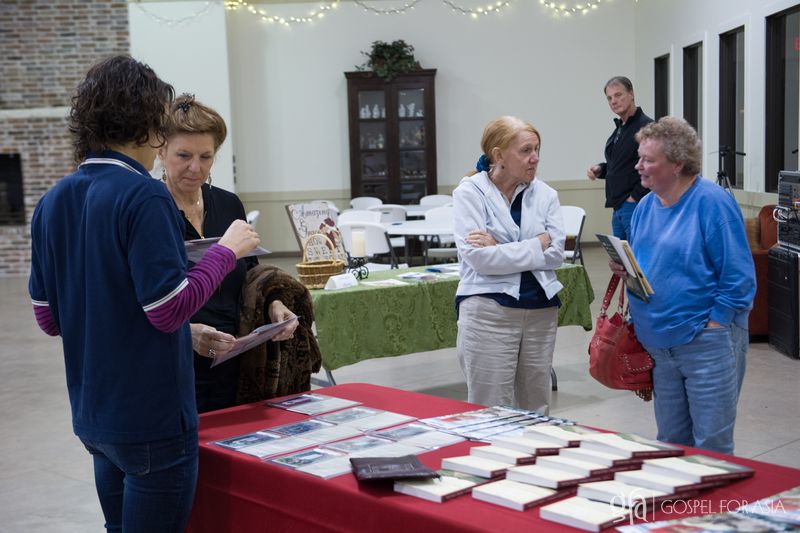
After the movie was finished, people wanted to know how they could help the suffering women in Asia.

Movie Night at Local Church Raises Awareness

On Nov. 10, a few Gospel for Asia (GFA) staff and members of a local church came together to watch GFA’s documentary film, “Veil of Tears.” One couple who came to view the film was so shocked at the treatment of women in Asia that they covered their mouths throughout the movie as they considered what could be done to help these precious women that God loves so much.

Mary, a member of the local church, was overwhelmed by the reality that many women in Asia face.

“It’s overwhelming. You wonder how you can help,” Mary explained. “I’m just one person.”

Pastor David Cartwright, senior pastor of the local church, was gripped by compassion seeing the way some women are treated.

“My heart breaks when I see how deep evil and sin go in our world,” Pastor Cartwright said. “It’s hard to believe groups of people are so unloved and despised and treated like they are. It is beyond anything we see in our culture.”

Sisters of Compassion - KP Yohannan - Gospel for Asia
Sisters of Compassion takes care of the lowest of the low and listen to their stories.

Gospel for Asia-supported Workers Bring Hope to Suffering Women

Near the end of “Veil of Tears,” the mood of the movie turns from the abuse and violence against women in Asia to hope as Gospel for Asia-supported women missionaries and Sisters of Compassion—women who are specifically trained to minister to the least of the least—enter the scene.

These national workers are changing the lives of hundreds of thousands of women in Asia simply by ministering to and loving them. They also offer programs that help improve a woman’s quality of life. One of those programs is literacy classes, which will keep a woman from signing bad contracts or being cheated at the marketplace.

“I’m really impressed with the literacy of the children and the women, because I think that changes lives,” Mary explained. “I think that’s one thing that no matter what country you’re in or who you are, literacy changes lives.”

The film also shows the ministry Sisters of Compassion have on an island that is home to millions of widows who have been overlooked and abandoned by their family and friends.

“When I stand before my God,” one Sister of Compassion explained, “He’ll say to me, ‘You’ve done a good job, and because of you, these widow mothers are in heaven also.’”

One Person Can Make a Difference for Women in Asia

After the film ended, a Gospel for Asia staff member stood before those who were in attendance and pointed out that we may not be able to do everything, but all of us can do something.

“If God cares about our personal struggles,” she said, “certainly He cares much more about the bigger things.”

Then everyone gathered in groups to pray for women missionaries and those women who are suffering. Mary was impacted by the call to prayer.

“It’s going to make me think and pray differently, and hope I don’t get callous,” Mary said.

The question I’m going to leave with you is a question I asked before: Is there hope? Through people’s prayers and support of the women missionaries and Sisters of Compassion, many women who have no hope will finally find it.

=====

For more blogs by Gospel for Asia on Patheos, go here.

For more details on the powerful documentary movie, Veil of Tears, go here.

Go here to know more about Gospel for Asia: GFA.net | GFA Wiki | GFA Flickr

2026-03-17T17:24:39+00:00

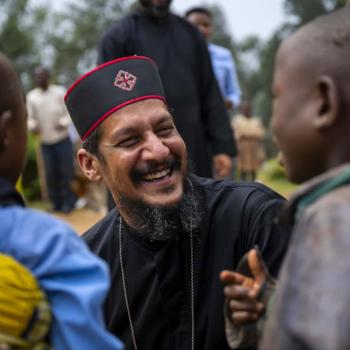
WILLS POINT, TX — A vision to launch “Christ-centered healthcare” and help bring transformation to communities across Africa is underway with the construction of a new state-of-the-art hospital, medical university and research center in Rwanda.

GFA World’s latest undertaking aims to equip African doctors, nurses, and researchers to lead a faith-centered healthcare movement in their own communities — a critical need in a continent where millions lack access to both medical care and the Gospel.

Epicenter for Healthcare Training Center in Africa Transforms Care
NEXT GENERATION OF AFRICA HEALTHCARE: GFA World (www.gfa.org) is helping to lay the foundation for a new state-of-the-art hospital, medical university and research center in Rwanda — with its sights set on establishing “Christ-centered healthcare and transforming communities” across the African continent. The hospital is projected to open its doors in June.

June will mark the launch of a landmark medical initiative in East Africa: a 300-bed specialist hospital and medical university designed to serve as a training hub for the entire continent. Watch here.

The aim of the project is to expand beyond Rwanda in the next decade, launching “community transformation projects across the African continent,” an area three times the size of the U.S.

“We’re already seeing community transformation in Rwanda, through the brothers and sisters ministering there now,” said GFA World president Bishop Daniel. “This hospital will be a catalyst for impact, bringing both much-needed medical care as well as the love of Christ to people in need of both.”

A Vision for Continental Transformation

The project includes building a network of local and international partnerships, training thousands of new African medical professionals and missionaries, with African nationals central to the future.

In the next decade, the organization aims to help train 10,000 local African missionaries, help serve 100,000 African communities with programs such as medical camps and clinics in remote areas, and help provide clean drinking water for millions of Africans through its “Jesus Wells” and other innovative water projects.

The organization’s vision began to take shape in 2019 when Rwandan church leaders extended an invitation to begin working in Rwanda, including establishing a hospital to serve the nation. GFA World founder K.P. Yohannan met the challenge, following God’s leading to serve communities across Africa through “Christ-centered healthcare”.

Launchpad for Medical Missions

The new medical hub in Rwanda will be the launchpad for community projects across Africa — creating a sustainable model for faith-based healthcare.

The facility will provide extensive specialist services including cardiology, neurology, and intensive care, and is projected to treat more than 500,000 patients with “world-class medical care” in the first two years.

In the future, the project will also include the construction of a medical university and campus on-site, along with an advanced medical research center that will focus on oncology, transplants, and other specialized sectors.

The hospital is modeled after an established hospital and training center in Asia that has been operating for more than a decade and helps about 2,000 outpatients every day.

“Together, we can lay the foundation for transformational, Christ-centered change across the continent,” Bishop Daniel said.


About GFA World

GFA World (www.gfa.org) is a leading faith-based global mission agency, helping thousands of national missionaries bring vital assistance and spiritual hope to millions across the world, especially in Africa and Asia, and sharing the love of God. In a typical year, this includes thousands of community development projects that benefit downtrodden families and their children, free medical camps conducted in hundreds of villages and remote communities, and more than 150,000 families provided with the means to break the cycle of poverty through income-generating gifts. More than 40,000 fresh water wells have been drilled since 2007, hundreds of thousands of women are now empowered through literacy training, and Christ-motivated ministry takes place every day throughout 18 nations. GFA World has launched programs in Africa, starting with compassion projects in Rwanda. For all the latest news, visit the Press Room at https://gfanews.org/news.

MEDIA: To arrange an interview, please contact Palmer Holt at 704-662-2569 or [email protected].


2025-09-12T04:20:09+00:00

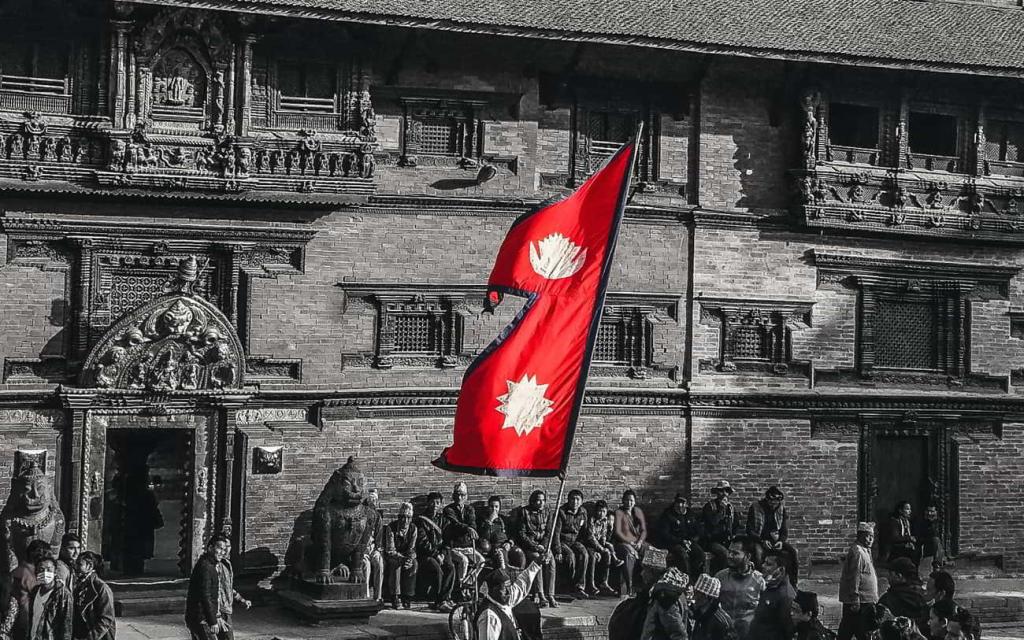
WILLS POINT, TX — With Nepal facing unrest, Bishop Daniel of GFA World issues the following statement:

“Please take some time to pray for the Nation of Nepal. Recent riots have left the nation in a state of emergency. While the situation on the ground remains volatile, we believe our God can restore peace. Pray for peace to return to the streets. Pray for wisdom for every leader and all those in authority. And pray for protection over churches there and for all of our brothers and sisters throughout Nepal. God hears us, and prayer matters. Please keep Nepal in your prayers.”

Bishop Daniel on the unrest in Nepal: Keep Nepal in your prayers
Photo by binaya_photography on Unsplash

About Bishop Daniel

Bishop Daniel Timotheos Yohannan is the President of GFA World and is consecrated bishop of the Believers Eastern Church. In his role as president of GFA World, Bishop Daniel serves as a primary link between thousands of Christian workers and missionaries serving throughout Asia and Africa and the rest of the Church worldwide.

About GFA World

GFA World is a leading faith-based global mission agency, helping thousands of national missionaries bring vital assistance and spiritual hope to millions across the world, especially in Africa and Asia, and sharing the love of God. In a typical year, this includes thousands of community development projects that benefit downtrodden families and their children, free medical camps conducted in hundreds of villages and remote communities, and helping more than 150,000 families break the cycle of poverty through income-generating gifts. More than 40,000 fresh water wells have been drilled since 2007, hundreds of thousands of women are now empowered through literacy training, and Christ-motivated ministry takes place every day throughout 18 nations. GFA World has launched programs in Africa, starting with compassion projects in Rwanda. For all the latest news, visit the Press Room at https://gfanews.org/news.


Read more on Nepal on Patheos from GFA World.

2026-03-17T17:26:32+00:00

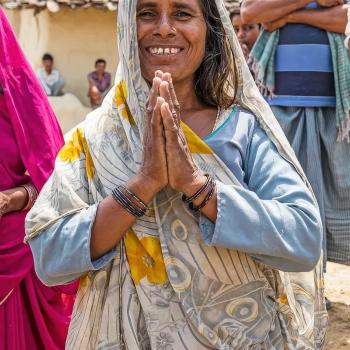
WILLS POINT, TX — A Texas-based missions agency helping thousands of widows in crisis across Asia and Africa is spotlighting their agonizing plight to mark International Widows Day, June 23.

“Millions of widows live in societies where they’re considered a curse, shunned, abused, and abandoned,” said Bishop Daniel Timotheos Yohannan, president of GFA World. “They’re often blamed or neglected for their husband’s death, regardless of the circumstances.”

Widows Island

Missions agency GFA World is spotlighting the desperate plight of widows around the world to mark International Widows Day, June 23.
HOPE FOR SUFFERING WIDOWS: Missions agency GFA World (www.gfa.org) is spotlighting the desperate plight of widows around the globe to mark International Widows Day, June 23.

The ministry supports specially trained national — or local — missionaries called Sisters of the Cross, including those who serve “forgotten” widows on an isolated island.

Many of the widows living there lost their husbands in the perilous fishing waters that surround the island. Alone and cut off from the mainland, they struggled to survive — but the Sisters have forged deep friendships with them, living among them, and showing them “the love of God.”

With GFA World’s support, they’ve provided food, shelter, and farm animals that help generate income. The impact has been life-transforming — creating mother-daughter type bonds between the older widows and the younger missionaries.

It’s a model for the organization’s widow ministry in other parts of the world where millions of widows are overlooked — even despised.

Greatest Tragedy

Across Africa and Asia, many older widows are forced to scavenge or beg to survive, while younger widows may be forced into prostitution or exploited for slave labor.

Stigma, shame and despair can drive many to suicide, the mission organization says.

Globally, it’s estimated there are more than 258 million widows, and that 38 million of them live in extreme poverty. The annual International Widows Day aims to put their plight front and center.

Shocking mistreatment of widows includes:

  • In Nigeria, widows were locked in a room with their husbands’ corpses and forced to shave their own heads — a ritual of shame­
  • In Afghanistan, outcast widows had to establish their own “colony” on a hillside above a cemetery, cut off from mainstream life
  • In sub-Saharan Africa, widows can be forced to take part in abusive “cleansing” rituals, including having sex with relatives of their dead husband­­
  • Across Africa and Asia, widows often lose everything after their husband dies, including their home and possessions

“As tragic as their situation is, the greatest tragedy is that millions of widows worldwide have never heard that God loves them,” Bishop Daniel said. “We’re dedicated to giving widows hope today and hope for eternity.”

GFA World is one of many faith-based organizations helping the most vulnerable widows in Africa and Asia. The organization provides food, income-generating farm animals such as cows and goats, medical care, literacy classes, and vocational training.

More information is available at http://www.gfa.org/widows.


About GFA World (formerly Gospel for Asia)

GFA World is a leading faith-based global mission agency, helping thousands of national missionaries bring vital assistance and spiritual hope to millions across the world, especially in Africa and Asia, and sharing the love of God. In a typical year, this includes thousands of community development projects that benefit downtrodden families and their children, free medical camps conducted in hundreds of villages and remote communities, and more than 150,000 families provided with the means to break the cycle of poverty through income-generating gifts. More than 40,000 fresh water wells have been drilled since 2007, hundreds of thousands of women are now empowered through literacy training, and Christ-motivated ministry takes place every day throughout 18 nations. GFA World has launched programs in Africa, starting with compassion projects in Rwanda. For all the latest news, visit the Press Room at https://gfanews.org/news.


Follow Us!


TAKE THE
Religious Wisdom Quiz

What does Paul say is hidden in Christ according to Colossians?

Select your answer to see how you score.


Browse Our Archives