2022-08-18T08:25:39-04:00

I research and publish a lot in history. The more I do, the more struck I am – astounded would be a better word – at the revolution wrought by Google and other search engines. Literally, they allow you to find things that a hundred well-trained and -funded research assistants could never have dug up just a couple of decades ago. Having said that, there is a certain art in using this resource. Excuse me if I am stating the... Read more
2022-08-17T13:11:06-04:00

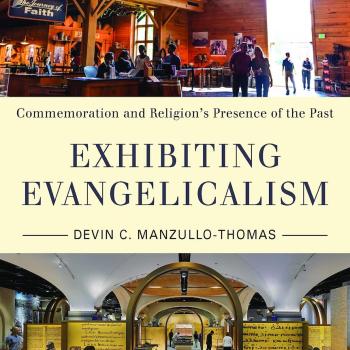
I’m pleased to welcome Devin Manzullo-Thomas to the Anxious Bench. He is assistant professor of American religious history, director of the E. Morris and Leone Sider Institute for Anabaptist, Pietist and Wesleyan Studies, and director of archives at Messiah University. What follows is a conversation we recently had about his new book, Exhibiting Evangelicalism: Commemoration and Religion’s Presence of the Past, which looks at how evangelicals have narrated themselves in museums.  —David R. Swartz *** DRS: What led you to... Read more

2022-08-16T15:37:07-04:00

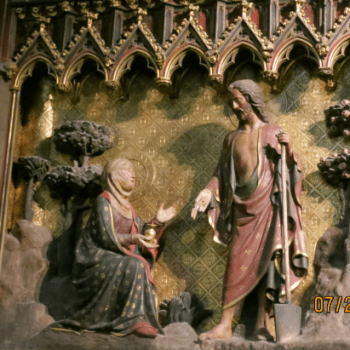
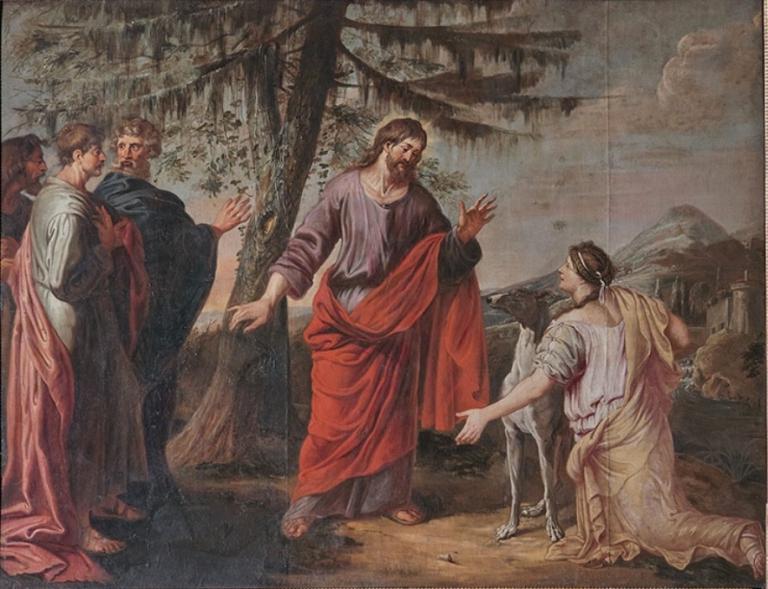
“Where does it say that?” he asked. I handed him my iPad. We stood on the staircase, me traveling down to my office while he traveled up to his. I casually mentioned how the medieval sermon I was currently reading contradicted the resurrected Christ’s directive to Mary Magdalene in John 20:17: whereas the Latin Vulgate records Christ saying “noli me tangere” (do not touch me), the sermon recorded that Christ, “when he rose from death to life, he appeared to... Read more

2022-08-14T08:52:30-04:00

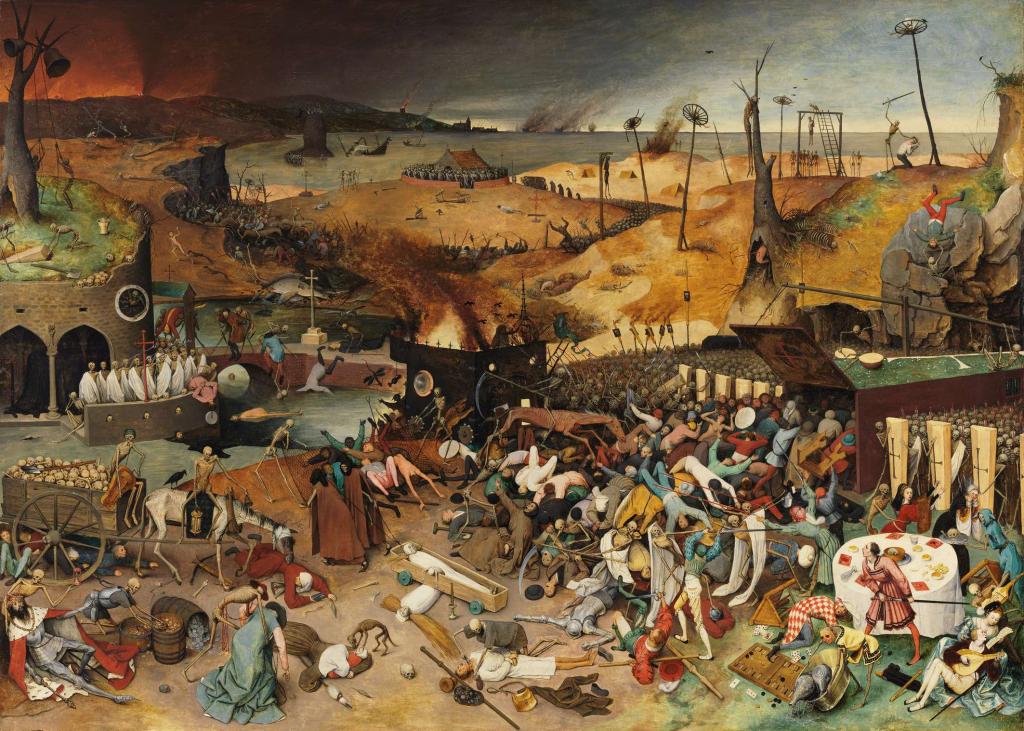
This blogpost concerns the apocalyptic crises that periodically afflict the world. I choose that A-word deliberately. We conventionally speak of the Four Horsemen of the Apocalypse, of famine, plague, death, and war, and during times of worldly catastrophe, people in many societies – not just Christian – turn readily to broadly apocalyptic movements and sects. Some endure long enough to become potent religious and social movements, and historians of religion neglect them at their peril. But as I will argue,... Read more

2022-08-11T12:36:08-04:00

I am leaving Academia for homeschooling. There. I said it. In three days, I am leaving a fulfilling career as a Latin American historian – while my application for full professor is under review and promises to be favorable – for classical education. To assume the role of Director of the Great Books Program en español for the Angelicum Academy, a fully online Catholic homeschooling program, I find that I must pause my scholarship. Or must I? Like most academics,... Read more

2022-08-11T12:24:44-04:00

I have the pleasure of welcoming Dr. Veronica Gutierrez as a new regular contributor to The Anxious Bench! I have known Veronica for many years as a fellow Christian historian and member of the Conference on Faith and History. She is both an incisive scholar and a kind and generous colleague. Dr. Gutierrez’s research focuses on colonial Mexican history, specifically indigenous expressions of Christianity. She also researches and teaches in Latin American history more broadly. As such, she brings a... Read more

2022-08-11T08:58:42-04:00

I have been writing about the alarming Bible passages in which God commands the destruction of the older peoples of the land of Canaan, ordering what by any common sense understanding we would call genocide. Early Christians were not too troubled by such texts, because they mainly saw them as allegorical, and they saw no need to confront the moral dilemmas in their own writings, particularly the New Testament. But here is one exception, and a significant one. It appears... Read more

2022-08-09T18:38:08-04:00

The story sounds familiar in some respects. A member of the royal family, enthralled with the beauty of a married woman in his city, secretly raped her while her husband was away from the city on military campaign. In this case, however, events turned out differently than what we may remember from the Bible. Instead of keeping the secret, the way Bathsheba did, this woman immediately summoned her father and husband, asking them also to bring witnesses. When they arrived,... Read more

2022-08-10T10:46:22-04:00

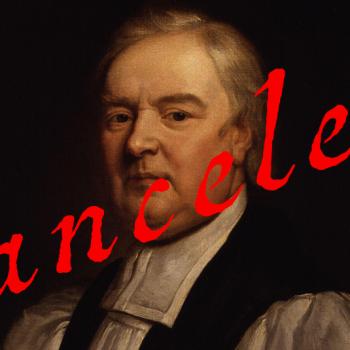
George Whitefield canceled John Tillotson. Tillotson was one of the most influential ecclesial figures during the seventeenth century, on both sides of the Atlantic basin and continental Europe. He garnered the regard and friendship of philosophes like Voltaire and Locke. Increase Mather esteemed him. Jonathan Edwards referred to him as “one of the greatest divines on the other side of the question in hand”—the “other side” being Arminianism. Many considered this former Lord Archbishop of Canterbury to be the hallmark... Read more

2022-08-08T11:12:50-04:00

If the invasion of Ukraine at the instigation of a former KGB agent were not enough to focus the mind on the legacy of the Soviet Union, 2022 also marks the one-hundredth anniversary of Lenin’s infamous secret memo to the Politburo, expanding the Revolution to include butchering Orthodox priests. Thus began an age of brutal religious persecution wrought by secularist states. By the estimation of leading religious demographers, over thirty million Christians perished under atheist regimes in the twentieth century.... Read more

Follow Us!


TAKE THE
Religious Wisdom Quiz

Which mountain did Jesus ascend from at His ascension?

Select your answer to see how you score.


Browse Our Archives