2022-08-25T11:47:00+00:00

WILLS POINT, TX – Gospel for Asia (GFA) Special Report Part 2– Discussing the global water crisis and the quest for access to clean water.
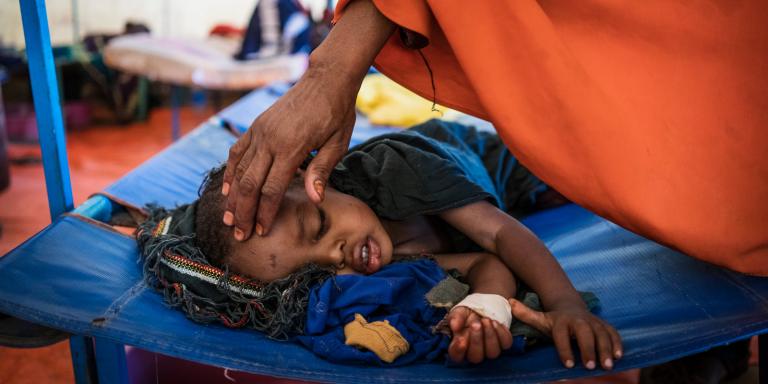
Dying of Thirst: The Global Water Crisis (#2 by Gospel for Asia) - KP Yohannan - Gospel for Asia
A mother cares for her son who is being treated for cholera at a UNICEF-supported cholera treatment center in Baidoa, Somalia Photo by Mackenzie Knowles-Coursin, UNICEF

Waterborne Diseases Caused by the Global Water Crisis

Even under normal conditions, people in many regions are exposed to life-threatening diseases from their water, including typhoid, polio and hepatitis A. Among the most common waterborne diseases is diarrhea, which can be caused by any of several pathogens. It kills about 1.5 million children every year, more than 80 percent of them in Africa and South Asia. World Health Organization (WHO) estimates that 88 percent of those deaths are caused by unsafe water, inadequate sanitation and poor hygiene.[1] Diarrheal diseases kill by depleting the body’s fluids, often very rapidly.

Children are most vulnerable because their metabolisms use more water than adults’, and their body weight consists of more water proportionally than an adult’s. Their kidneys are also less able to conserve water.[2]

Diseases that are so deadly can be prevented
with changes that are simple.

Children with malnutrition and weakened immune systems are especially susceptible to the worst effects of diarrhea. This explains why diarrheal disease is one of the primary killers in poorer countries but not in the developed world. Some diarrheal diseases target adults and older children. One of the most familiar and deadly of these is cholera, which afflicts between 1.4 million and 4 million people each year, killing thousands.[3]

In some documented cases, improving the quality of water at the source, combined with treatment of household water and safe water-storage systems, has reduced the incidence of diarrhea by 47 percent. And studies show that simply handwashing with soap can reduce the incidence by 40 percent.[4] These figures underscore a tragic truth: Diseases that are so deadly can be prevented with changes that are simple.
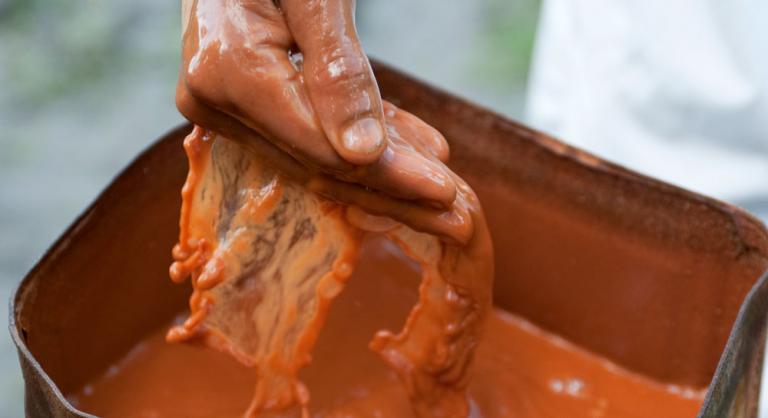
 

Trace Element Contamination Adds to Global Water Crisis - KP Yohannan - Gospel for Asia

Trace Element Contamination Adds to Global Water Crisis

Sometimes it isn’t living organisms that make people sick, but it’s the naturally occurring elements in the water. Heavy metals and other trace elements are usually present in our diets, and in fact, many of them are essential—but only in tiny quantities. When we ingest more than the safe levels, we can experience illness and even death.
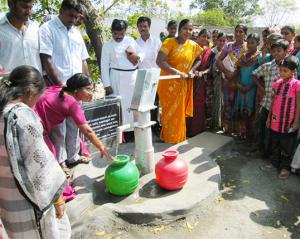
 Jesus Wells were dug by Gospel for Asia-supported workers - KP Yohannan - Gospel for Asia
In 2014, four Jesus Wells were dug by Gospel for Asia-supported workers in one drought stricken region—now approximately 5,300 people benefit from these wells. Read the story »

Some of these elements are in the ground and leach naturally into the water we use, while others are introduced into the water supply through industry, mining and agriculture.

This was the problem facing four Asian villages when Gospel for Asia (GFA)-supported workers came to the scene in 2014. This area typically experienced several months of drought, followed by heavy monsoon rains. But the water left by the rains was contaminated with chemicals. Villagers with enough money could buy their own water, but the poor had to walk long distances every day to ask for water from local landlords. Gospel for Asia (GFA)-supported pastors in the area arranged for wells to be installed in all four villages, bringing clean water at last to approximately 5,300 people.

One of the most well-known water contaminants is lead. Lead poisoning can cause headaches, abdominal pain, mood disorders, high blood pressure, joint and muscle pain, and difficulty with memory or concentration. As always, children experience the worst effects. Lead poisoning can delay their development and cause learning difficulties. They may also experience fatigue, vomiting, hearing loss and seizures.

Water is a fragile resource, and its problems
are not limited to the developing world.

Since lead paint was identified as a major problem in the United States during the 1970s, a concerted national campaign reduced its impact over time. But Americans received a wake-up call in 2014 when the water supply in Flint, Michigan, came under scrutiny—as described by Karen Burton Mains in GFA’s special report “The Global Water Crisis: Finding Solutions to Humanity’s Need for Pure, Safe Water.”[5]

Residents complained about the color, taste and smell of their water. It turned out that the service lines from water mains to individual homes in Flint were made of lead and were not treated with corrosion inhibitors, which keep the contamination at acceptable levels. Eighty-seven cases of Legionnaire’s disease were associated with the contaminated water, leading to 12 deaths. Overall, more than 100,000 people had been exposed to a dangerous poison.

The Flint saga reminded everyone that water is a fragile resource, and its problems are not limited to the developing world.
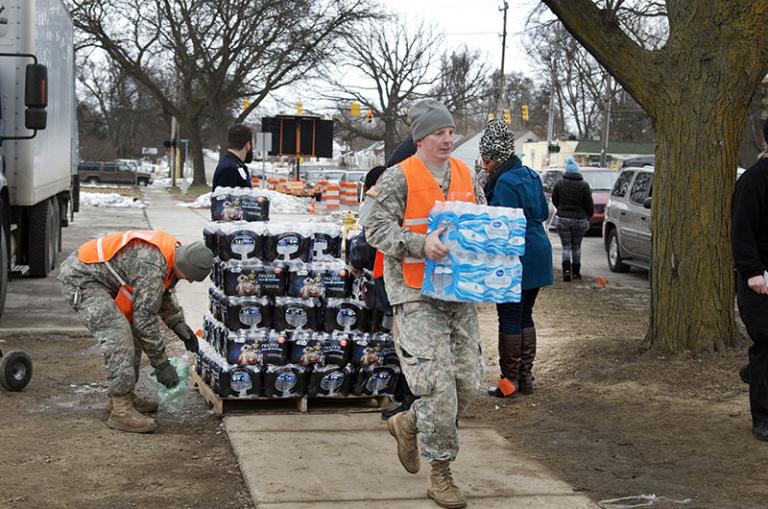
The National Guard delivers bottled water to residents of Flint, MI - KP Yohannan - Gospel for Asia
The National Guard delivers bottled water to residents of Flint, MI.

In 2017, the Reuters news agency conducted an investigation that revealed how widespread such issues really are even in the United States. Their reporters discovered 3,810 areas in the U.S with childhood lead poisoning rates twice as high as those found in Flint. And 1,300 areas showed lead levels four times greater than those found in Flint.[6] The affected locations included 34 states and Washington D.C. In the best of outcomes, such a national scandal should at least inspire compassion for others around the world who struggle to find clean water.

Arsenic is well known as a poison, but it’s actually an element that occurs naturally throughout the world. When it enters a water supply, however, it can cause unimaginable suffering.

In 1983, scientists discovered arsenic in the water of 33 villages in West Bengal, India. Subsequent investigations revealed similar contamination in 2,417 villages along the flood plains of the Ganges River.[7]

Arsenic poisoning can cause severe abdominal pain, nausea, vomiting and diarrhea. Other symptoms include abnormal heart rhythm, muscle cramps and tingling extremities. Some victims first notice unusual lesions and growths on their skin, and many then discover they have cancer. Victims of arsenic poisoning can recover if the source of their illness is removed in time.

Several other disease-causing trace elements—most of them heavy metals—contaminate water supplies today. Cadmium accumulates in the kidneys and hepatic system and can cause cancer. Chromium, likewise, can cause liver and skin cancer when it reaches high levels. Zinc and copper can also be dangerous to health.
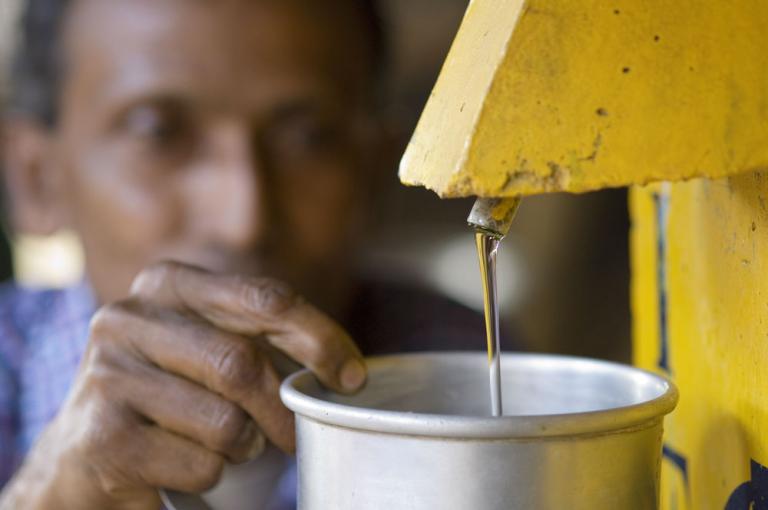
A Simple Solution to the Global Water Crisis - KP Yohannan - Gospel for Asia
A simple family solution to the global water crisis are biosand water filters.

A Simple Solution to the Global Water Crisis

People in the developed world rely on their water providers to protect them from such threats. For those who can afford it, a home filtration system offers added security. But people living in poorer areas have no such protection. They often collect their water from fetid ponds or polluted streams. They’re exposed to all the worst dangers that may be hidden in their water.

Fortunately, a solution exists that can offer them protection similar to what the rest of us enjoy. And it’s amazingly simple, portable, effective and affordable. It’s called a BioSand water filter.

BioSand water filters use mechanical and biological processes to remove heavy metals, bacteria, viruses, protozoa and other impurities from water. They are widely recognized as effective and are small enough to fit easily in virtually any home. Most importantly, they are inexpensive—just $30 for a filter that can serve an entire family with clean water for decades. Seeing the dramatic impact BioSand water filters have, Gospel for Asia (GFA)-supported workers have built and provided 85,000 of them for Asian families since 2008.

Aanjay, a farmer in Asia, saw firsthand the effects of contaminated water on his family and his entire village.

“We were forced to use dirty and filthy water for cooking and drinking,” he recalls. “Thus, we suffered stomachache, jaundice, typhoid and diarrhea.”

The villagers also had to use the tainted water for bathing, which caused skin infections.

That changed when some Gospel for Asia (GFA)-supported pastors provided BioSand water filters for Aanjay’s family and several others.

“Along with receiving a filter, families also received health and hygiene training that works to significantly lower the incidence of waterborne illness,” Aanjay says. “Now the villagers are getting purely filtered water for drinking. Since [the Biosand water filters] were installed, all water-caused and waterborne diseases have ceased.”
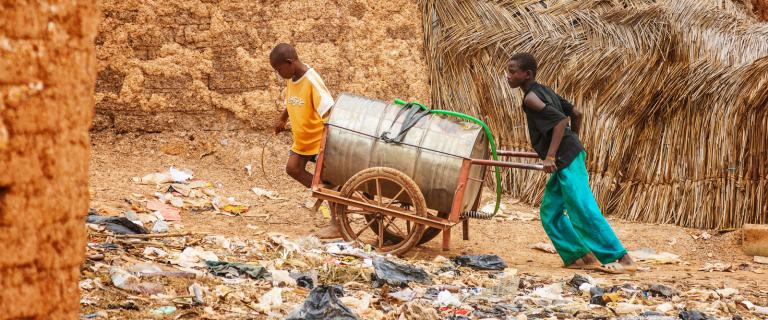
Burkina Faso: Africa’s Anguish - KP Yohannan - Gospel for Asia
Two young boys towing a can of water in the slums of Ouagadougou, Burkina Faso, in order to distribute water to the inhabitants.

Burkina Faso: Africa’s Anguish

Recurring drought, contamination and lack of funds have all contributed to Africa’s severe water problems. A vivid example of all three can be found in the little landlocked country of Burkina Faso.

Located in the vast savanna region south of the Sahara Desert, Burkina Faso endures up to eight months of dry weather each year.[8] When drought makes conditions even worse, as it did in 2016, a true crisis occurs. That year, the capital, Ougadougou, was able to provide only intermittent water service for its 2 million residents. People were forced to travel far into the countryside to find usable water.[9] Water shortages like this, and the power outages that accompany them, have become a normal part of life for city residents.

Nearly half the residents of Burkina Faso live without clean water.

For people in rural areas, the hardships are even worse. Eighty percent of Burkina Faso’s people are subsistence farmers,[10] so droughts are especially devastating for them. The country is also plagued by waterborne diseases common to undeveloped areas—diarrhea, hepatitis A and typhoid fever.[11]

According to Water Aid UK, 4,500 children under the age of 5 die of diarrhea each year in Burkina Faso, and nearly half the residents live without clean water.[12] When the rains do come, mosquitoes that breed in the standing water spread malaria, yellow fever and dengue fever.
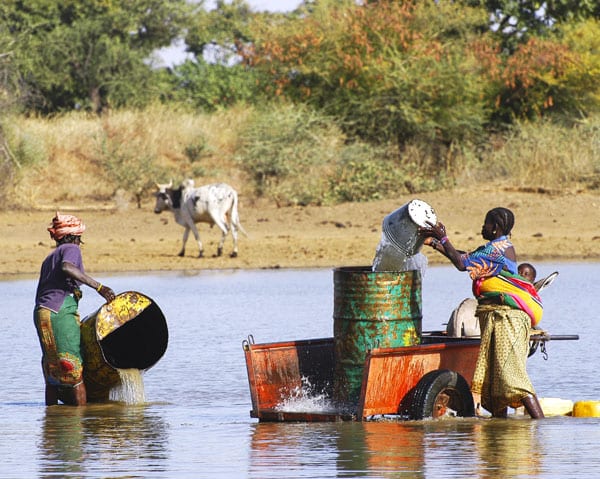
 women are collecting water for crop irrigation in Burkina Faso - KP Yohannan - Gospel for Asia
These women are collecting water for crop irrigation in Burkina Faso, where the global water crisis is severe.

One of the main industries in Burkina Faso is gold mining. But the mining process has introduced deadly arsenic into the groundwater.[13] On top of all these challenges, the rapidly-growing population is putting unprecedented stress on the water supply. War and disruption in neighboring countries have displaced millions of people, many of whom seek refuge in Burkina Faso. This has only exacerbated a problem that was already severe.[14]

Efforts to improve conditions in Burkina Faso haven’t always been effective. Relief workers from Water Aid UK found that many existing wells there were unusable because of broken handpumps. And toilets provided by the government to improve hygiene were going unused—because people don’t know what to do with them.[15] This underscores the importance of education to go along with physical improvements. One without the other leads to failure.

Against this stark backdrop, a number of entities are working valiantly to reverse the cycle of despair in Burkina Faso. Since 2000, the government has taken real steps to address the crisis, creating five water basin committees to protect and preserve water resources throughout the country.[16] Meanwhile, many non-governmental organizations are helping by drilling new wells, repairing old ones and training local people to manage their water effectively. Among these are the aforementioned Water Aid UK, Myra’s Wells, SIM missionary organization, The Water Project, Hearts for Burkina, Engage Burkina, and Living Water International.


Dying of Thirst: The Global Water Crisis – The Crucial Quest for Access to Clean Water: Part 1 | Part 3

This Special Report article originally appeared on gfa.org.

Read the Global Clean Water Crisis Report: Finding Solutions to Humanity’s Need for Pure, Safe Water.

Learn more about how to provide clean water to families and villages through Jesus Wells and BioSand Water Filters.

To read more on the Global Water Crisis on Patheos, go here.

Click here, to read more blogs on Patheos from Gospel for Asia.

Go here to know more about Gospel for Asia: Radio | About | Integrity | Facebook | Lawsuit

For more information about this, click here.

Footnotes
2023-02-15T10:06:29+00:00

WILLS POINT, TX – Gospel for Asia (GFA) Special Report – Discussing the misunderstandings and social stigma that are kept alive toward leprosy patients, despite the disease being a curable worldwide problem.

Leprosy: Misunderstandings & Stigma Keep it Alive (Gospel for Asia #2) - KP Yohannan - Gospel for Asia
Sakshi, who ministered to leprosy patients, once had leprosy herself before Jesus healed her.

Misunderstanding Leprosy: ‘I Deserve This Disease’

Sakshi was rejected by her family when, as a teenager, she found out she had leprosy. Read her story »

“Don’t open my bandage!” the leprosy patient cried out. For years the patient believed it was because of their sin that the destructive disease controlled their body. Now, they thought they must suffer and settle with bearing it alone.

But after the leprosy patient’s exclamation, Sakshi, a Gospel for Asia (GFA)-supported missionary, revealed her own hands and feet to the patient, deformity clearly marking what leprosy’s nerve killing illness left behind.

“No, no, this is not some sin,” Sakshi said. “I myself have gone through this.”

This conversation, shared by Gospel for Asia (GFA) in 2017, gives a glimpse into the despair and belief of personal guilt many leprosy patients carry.

Sakshi understood only too well the shame and grief of those she served. Leprosy was detected in her body when she was only a teenager. Dreams of living life as a normal young woman shattered with that diagnosis. Her disease barred her from visiting her neighbors or from making friends, and it even estranged her younger siblings.

“[My brother and sister] used to love me so much, but when I got this sickness, they hated me, and they don’t want to come to me for anything,” Sakshi recalls of her early days as a leprosy patient.

Acceptance and kind words from her community were replaced with rejection and accusations. People said it was her fault she contracted leprosy, and over time, that lie took hold of her heart. Guilt and hopelessness consumed her, and she began wondering why she should endure life.

In her hopelessness, Sakshi tied a noose to hang herself.

Although Sakshi’s story does not end here, many leprosy patients’ stories end on a tragic note of despair. Whether they choose to end their lives or plod through the rest of their days alone and abandoned, the moment they discover leprosy in their body is the moment society defines them by their disease—not by their value as human beings.

Gospel for Asia calls Leprosy Patients 'Friends' - KP Yohannan - Gospel for Asia

Gospel for Asia calls Leprosy Patients ‘Friends’

In 2007, Gospel for Asia-supported workers began ministering among leprosy patients with an aim to change that definition.

“We thought we would name the ministry differently,” says Pastor Tarik, who helped start the leprosy ministry,

“Where they won’t have to remember their sickness or feel the stigma of it. So, while praying and discussing, we thought, ‘Let us call them “friends” because they have been created in the image of God, like us. It is only the sickness that keeps them different, but let us not make that a barrier. Let us accept them as friends.’”

And so, Reaching Friends Ministry began. What started in 2007 as a handful of men and women pursuing opportunities to care for outcasts of society has since expanded to minster to patients in 44 leprosy colonies. Each colony is home to as many as 5,000 patients. Through this ministry, thousands of hurting hearts have found a glimmer of love and hope to cling to.

Let us call them “friends” because they have been created in the image of God, like us.

Sakshi’s testimony proves the impact of even one kind word in the midst of isolation. Although Sakshi planned to end her life, today her story continues. On that pivotal day, her father saved her from suicide and spoke words of life into her weary soul. He told Sakshi she was a precious child and urged her to strengthen her heart through the pain and hardship.

After the conversation with her father, Sakshi gave up trying to end her own life, but she still felt alone and worried.

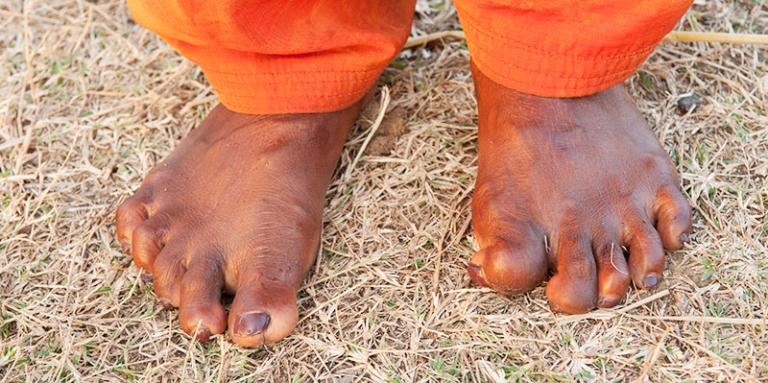
Sakshi's feet still bear the marks of leprosy, though she is now cured.
Sakshi’s feet still bear the marks of leprosy,
though she is now cured.

After the conversation with her father, Sakshi gave up trying to end her own life, but she still felt alone and worried. Leprosy still disfigured her limbs and even threatened to remove one of her legs to amputation.

But then she met some Gospel for Asia (GFA)-supported missionaries who prayed for her and shared with her about the Great Healer. She joined them in faith and asked Jesus to heal her body. God moved on her behalf; she was miraculously healed of leprosy!

Like Sakshi, many leprosy patients are discovering that physical healing—through both prayer and medical treatment—is possible. Now, it is time for communities around the globe to be healed of the negative mindset toward those with leprosy.

Changing the Mindset Toward Leprosy

Over the passing of time, leprosy has drawn increased attention around the globe. The last Sunday in January has been observed as World Leprosy Day for more than 60 years. But while most countries have been freed from the grip of leprosy as a result of leprosy elimination programs, other areas are still high in battle against the disease.

Brazil, India and Indonesia account for more than 80 percent of new cases detected globally, and areas of Africa also detect leprosy in high numbers. The transmission of leprosy is slowly decreasing, but more must be done, especially regarding the elimination of stigma.

These efforts have strong obstacles to overcome. The UN notes,

“Historically held fears and assumptions about leprosy continue to promote the pervasive exclusion of persons affected by leprosy from mainstream efforts to include them in society and development.”

The transmission of leprosy is slowly decreasing, but more must be done, especially regarding the elimination of stigma.

In 2016, The World Health Organization launched their new Global Leprosy Strategy. Included among the increased effort to detect and care for new patients is a high emphasis on the removal of stigma and discrimination toward those with leprosy.

Gospel for Asia wholeheartedly desires to see the plight of leprosy patients improve, and its work in Asia is helping make strides in both the emotional and physical healing of those affected by leprosy.

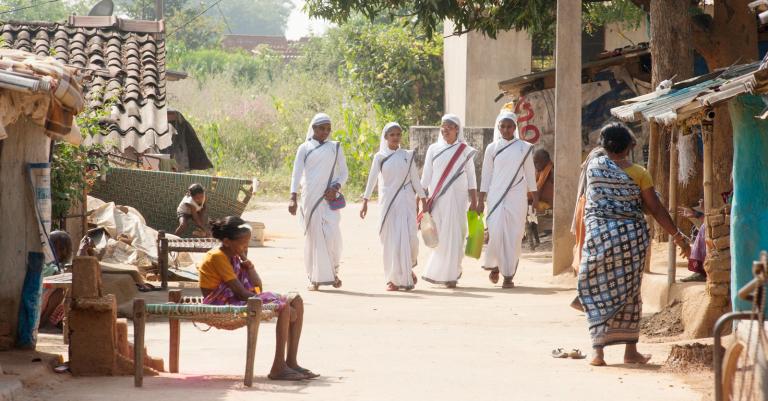
Sisters of Compassion are specially trained to minister to the hurting, rejected and downtrodden of society - KP Yohannan - Gospel for Asia
Sisters of Compassion are specially trained to minister to the hurting, rejected and downtrodden of society—ministering to both their physical and spiritual needs in the name of Christ.

While you’ve been reading this article, national workers, including around 500 specially trained women called Sisters of Compassion, are helping care for leprosy patients throughout the Indian Subcontinent as part of Gospel for Asia (GFA)-supported leprosy ministry.

Sakshi herself became one of those faithful workers. After she experienced God’s healing, she dedicated her life to serving Him and enrolled in a training course. Her passion for ministry among leprosy patients soon placed her alongside other Gospel for Asia (GFA)-supported workers serving in a leprosy colony. Through Gospel for Asia (GFA)-supported Reaching Friends Ministry, she became part of bringing hope to others still trapped in the desperation she felt when she held the rope in her hand.

“Nobody is there to comfort [the leprosy patients] and to give any kind of encouragement,” Sakshi explained.

“Nobody wants to love them, hug them or to come near to them to dress them. … They have so many inner pains in their heart, because they also are human beings. They also need love, care and encouragement from other people.”

Sakshi shared about her love for the leprosy patients she serves - KP Yohannan - Gospel for Asia
“I will become their daughter, I will become their grandchildren, and I will help them and encourage them and I will love them.” —Sakshi shared about her love for the leprosy patients she serves

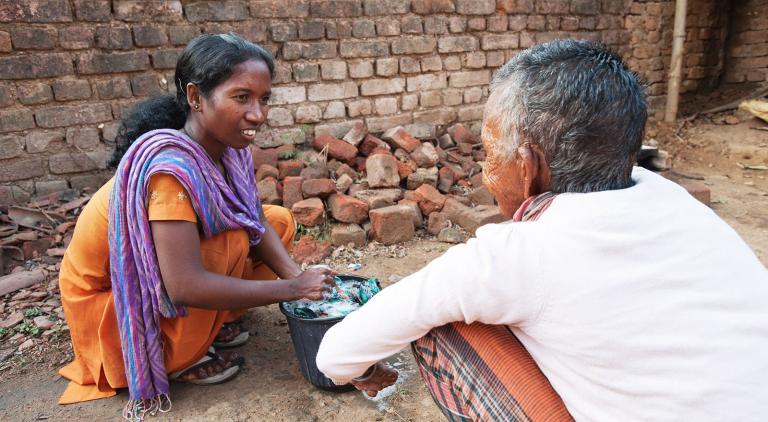
She and other servants of God serve these precious patients in practical ways, such as by cleaning wounds, doing housework, cooking meals and helping with personal hygiene. Through every sweep of a broom and touch of their loving, helpful hands, these workers convey how much God values His creation—even those abandoned by their own families.

“By seeing [the leprosy patients], I am thinking that I will fill the gap,” Sakshi said.

“I will give that love, which they are not getting from their grandchildren and daughters… I will become their daughter, I will become their grandchildren, and I will help them and encourage them, and I will love them.”

Through love like Sakshi’s, many leprosy patients are finding new hope and lasting joy that helps carry them through their troubles.

KP Yohannan, founder and director of Gospel for Asia, wrote about his experience of witnessing leprosy ministry take place.

Sisters of Compassion to clean the wounds of leprosy patients - KP Yohannan - Gospel for Asia
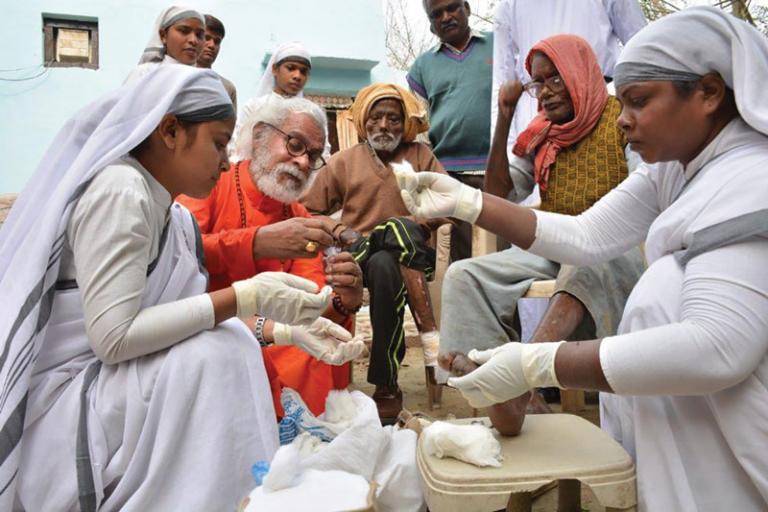
Gospel for Asia founder KP Yohannan worked alongside Sisters of Compassion to clean the wounds of leprosy patients during a recent trip in November 2017.

“I recently got to visit one of the many leprosy colonies where Sisters of Compassion are working,” he writes.

“As I joined these Sisters of Compassion in giving out medicine and bandaging wounds, I was once again amazed by how these precious sisters embrace those afflicted by leprosy, serving them so faithfully in the name of Jesus. These leprosy patients, some without fingers or nose or ears, have faced so much rejection in their lives. But now they are finding hope, knowing that someone cares about them.”

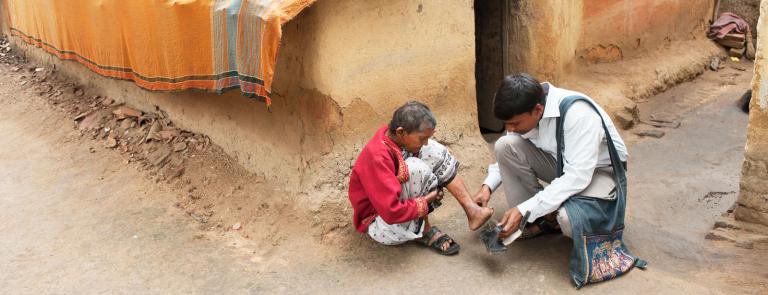
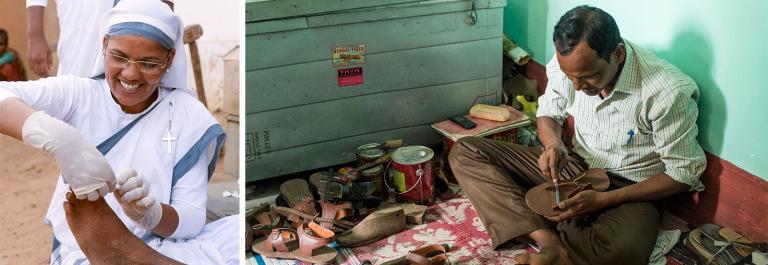
These workers, like Sakshi, are diligently bestowing love, medical care, assistance and dignity to those suffering with Hansen’s Disease. Some specialize in making customized shoes for leprosy patients, carefully measuring each individual’s feet to accommodate the sores or disfigurement the person has experienced. Other workers make warm meals for those who cannot cook—or even eat—by themselves; clean homes; wash and comb the tangled hair for those who can no longer perform even these most basic functions for themselves.

GFA-supported workers minister in whatever way is needed - KP Yohannan - Gospel for Asia
GFA-supported workers minister in whatever way is needed—here, a Sister of Compassion cleans a leprosy patient’s wounds, and a man makes custom shoes for leprosy patients.

Workers serving at a GFA-supported leprosy hospital offer tender care for patients afflicted with Hansen’s Disease. Beyond addressing the physical needs of medication, procedures and bandages, this hospital gives its patients emotional support, acceptance, respect and genuine concern for their holistic well-being.

Hospital staff members routinely visit neighboring leprosy colonies to examine patients and determine who should go to the hospital for medication or treatment. They also host events to increase awareness of basic health and hygiene practices, as well as speak words of truth and life to those who feel overcome by their sorrowful plight.


Leprosy: Misunderstandings and Stigma Keep it Alive: Part 1 | Part 3

This Special Report article originally appeared on gfa.org

To read more on the experience of leprosy patients on Patheos, go here.
Click here, to read more blogs on Patheos from Gospel for Asia.

Go here to know more about Gospel for Asia: RadioAbout | Integrity | Facebook | Lawsuit


2018-12-24T07:57:10+00:00

It’s fairly well known that in many parts of the world, women are second-class citizens. “Second class” might be a bit generous, considering the shocking treatment so many women face. When a woman has the unfortunate experience of becoming widowed, her standing may plummet further without anyone to help or even care. And she may live that way for the rest of her days.

This is reality for widows in some developing countries. It’s inescapable unless someone steps in to speak out on their behalf, offer assistance and help them find their way back into life again.

A Public, Tragic Secret - KP Yohannan - Gospel for Asia

God loves and cherishes every person equally. No one has an extra share of that love, especially not because of their sex, social standing or where they happened to be born. As for us, Mark 12:31 says clearly that we are commanded by God to love our neighbors as we love ourselves, and there is no greater commandment.

If only the most vulnerable of women, those who have lost their husbands, could experience the same in their family and community.

Inheritance is a Right for Some, a Myth for Others

“Remember, God commanded us to love our neighbor as we love ourselves.”
When a woman’s husband dies, life permanently changes. She is without her partner. If she is older or has no children, she is alone. Fortunately, inheritance laws in many countries protect her to a certain extent. Depending on where she lives and whether or not her husband left a valid will, she may inherit all or a legislated portion of her deceased husband’s estate.

Every state in America has established some type of spousal-inheritance protection for both men and women. Those protections vary, and they’re quite complicated. But the meaning is clear: Just because a husband or wife didn’t leave a will or get around to writing their spouse into a will doesn’t mean the spouse will inherit nothing. In parts of Asia and certain developing countries, that is not the case.

In Nigeria, there is no pretense of support or inheritance after a woman’s husband dies. She is, according to The Africa Report, essentially the property of her husband. As property, she has no right to inherit anything upon his death.

How should these forgotten women survive? Tragically, many of them have no one to turn to for help.

Inheritance is a Right for Some, a Myth for Others - KP Yohannan - Gospel for Asia

Where There’s No Will, There’s No Way

One of the prevailing threads that run through the fabric of widow inheritance is the existence, or not, of a will. Legislation may plainly state how and how much a widow may inherit from her deceased spouse. With an existing will, she still has little chance of inheriting.

It doesn’t matter how clearly a will was written or who affirmed it. Tradition, not law, tends to govern who receives property. And tradition holds that male heirs take all, especially the eldest male heir.

It doesn’t help that many countries have laws that further restrict equality, inheritance and property ownership rights for women. A 2016 report by The World Bank explains that 155 of the 173 economies studied impose restrictions on women that don’t exist for men.

Without a valid will or testamentary document in place, a widow may be fully without hope. It doesn’t appear to matter what a court has held in the past or what legislation demands. If she’s lucky, her family will take her in (after first taking away her property). But even then, her life may become one of servitude. That’s true, regardless of whether she is a young woman or if she’s elderly and in poor health. Too often, elderly women face the most abuse at the hands of their adult children or extended family.

Life is already difficult when a spouse dies. Imagine, if you can, having life transformed in such a way that rights cease to exist, and the most basic necessities of life must come from a person kind enough to care.

Now imagine being blamed for all of it.

In Some Cultures, Women are Accused of Their Husband's Death - KP Yohannan - Gospel for Asia

In Some Cultures, Women are Accused of Their Husband’s Death

What might happen in the United States if, on a man’s deathbed, his doctor turned and told his widow that she was to blame? There would be outrage, for certain. The doctor would probably face at least some sort of disciplinary action. Even so, this scenario isn’t as far-fetched at it seems.

Right now, husbands around the world are working in fields, in factories and in any number of jobs. Wives may have their own jobs, or they may be devoted solely to keeping the home and raising the children. Before the day is finished, one of these men may suffer a tragic accident or suddenly fall ill. Maybe he will never come home again. Or maybe he will return, only to die at home later. In parts of Asia, this scenario usually has one ending:

His wife is viewed as the cause of his death, no matter how or why it happened.

It’s difficult to believe, but it’s true. Certain religious traditions, cultures and social norms have long held that any time a man dies, his wife is to blame. More specifically, her sins are the real cause.

Where women in the Western world may turn to family and friends for love and support, women in other parts of the world may be shunned. They can face harsh treatment. They may be stripped of rights and property for no other reason than a supposed curse or vengeance for their sins.

Some women of any age are forced to beg in the streets just to have something to eat. But even the small charities of passing strangers can’t be counted on; not even if she has small children who are also hungry. If a woman is shunned, people may pass her by in fear, outrage or a combination of both.

GFA Ministers to These Disenfranchised Women

“In the presence of God, they learn they are His precious children, no less worthy of kindness than any other person.”
Left to survive in a world that only shows hatred, fear and distrust at every turn, it’s no wonder that many widows feel hopeless. But remember, God commanded us to love our neighbor as we love ourselves. That’s one of many reasons why Gospel for Asia (GFA) offers ongoing support for the precious few who are willing to help. Sisters of Compassion are some of those few.

These special women are trained in ministering to and helping the disenfranchised. They aren’t afraid to pour out love to widows who’ve been hurt, neglected and wronged. It’s part of God’s work, and they do it with compassion. Being women themselves, it’s easier for them to minister to those who need them most.

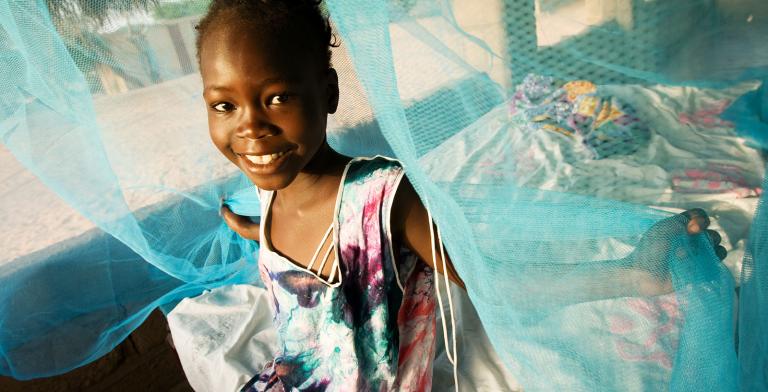
Women’s Fellowship groups also receive support from GFA. Their work includes a range of programs, such as organizing special events for women and the distribution of gifts of mosquito netting, sewing machines, small livestock and much more.

In the care of Godly women, widows find training that can help them earn income. That’s important for a woman living on her own, and even more so for a younger widow with children to provide for. They also find fellowship and support for when the burdens of life as a family and community outcast are too much to bear.

In the presence of God, they learn they are His precious children, no less worthy of kindness than any other person.


Image Source: Gospel for Asia, Photo of the Day

To read more on Patheos on the plight of widows around the world, go here.
Click here, to read more blogs on Patheos from Gospel for Asia.

Go here to know more about Gospel for Asia: GFA | GFA.org | Facebook | Youtube | Twitter

2019-11-21T15:16:57+00:00

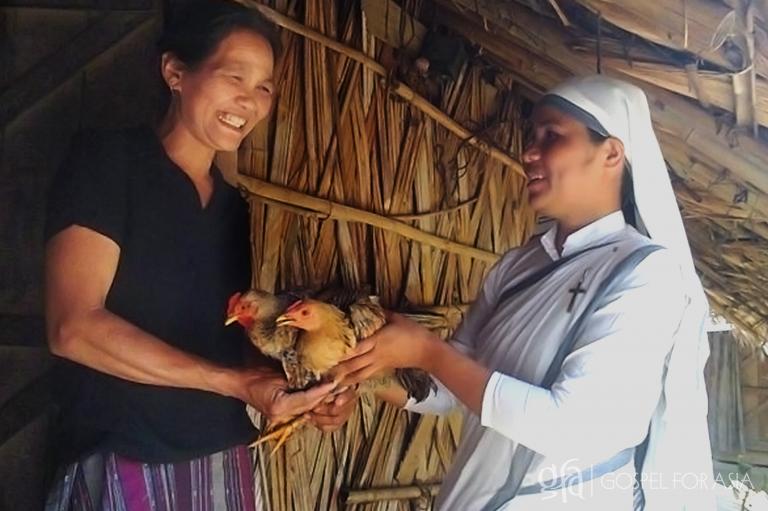
It’s that time of year again when Gospel for Asia (GFA) and many other faith-based organizations (FBO) publish their Christmas gift catalogs. Two of the seemingly ubiquitous gifts available are chickens and goats.I know what you are thinking. “Chickens and goats? How can chickens and goats really have any impact?” Altruistically speaking, we tend to see more value in things like Bibles, blankets, sewing machines, pull carts or rickshaws. I know this because I had thought that way for years. I was wrong.

My mistake was that I was perceiving the value of chickens and goats from a Western worldview. A chicken has little value to me, and my neighbors would not appreciate me owning a goat (nor would the Home Owners Association by-laws permit it).

The Amazing and Empowering Impact of Chickens and Goats - KP Yohannan - Gospel for Asia

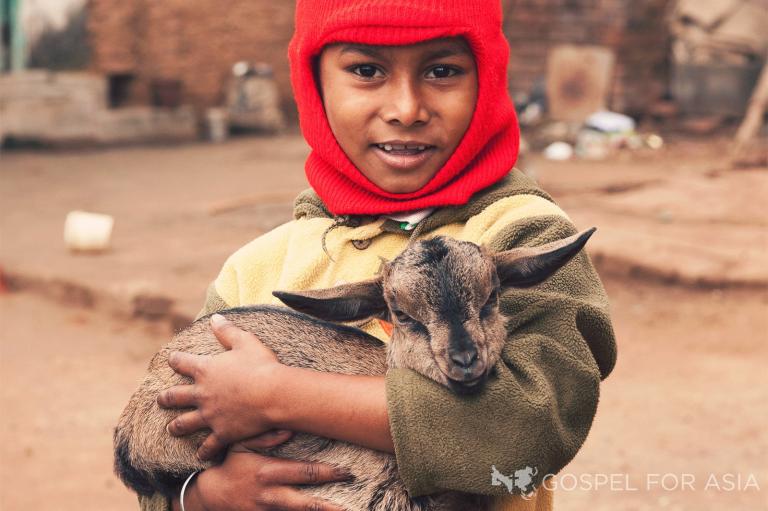
Consider, however, the value of chickens or goats for a family living in generational poverty in Asia. When you have absolutely nothing, a couple of chickens or goats is a big deal. They are gifts that can be life-altering.

GFA’s Christmas Gift Catalog says:

“The gift of chickens supplements a family’s income and often helps a family get on its feet financially. Families can eat or sell the nutritious eggs, or they can hatch chicks to increase their flock and later have more eggs and chicks to sell. These birds of a feather multiply quickly, taste just like chicken and are really ‘cheep!'”

Another FBO says:

“With a pair of chickens and a goat, you’ll provide a steady supply of eggs, milk, and protein to feed children and help families . . . Chickens are equally easy to raise and will naturally multiply to impact generations of children.”

If this sounds like marketing propaganda, think again. The Population Council is an international, not-for-profit NGO that was established in 1952 by John D. Rockefeller III with funds primarily from the Rockefeller Brothers Fund. The Council conducts programs to the most vulnerable people in more than 50 countries in Africa, Asia, Latin America and the Middle East. It conducts detailed research to ensure the effectiveness of their programs.

“Because our objective is to transform one community at a time… We help them to realize that there is hope for every man, woman and child in that community.”
Would you believe that the Population Council conducted a study that demonstrated the impact of chickens and goats? They did.

In addition to addressing the overarching issue of poverty, the project focused specifically on developing sustainable approaches to help delay childhood marriage.

That raises another question. How can giving chickens and goats help reduce childhood marriages?

The plan was to offer chickens or goats to families as the significant, empowering element of the program. It had already been apparent that education alone was inadequate to change the cultural mindset or the dilemma faced by families with insufficient resources that, therefore, would sell their daughters into a forced marriage.

The empowerment to effectively reduce childhood marriage was the gifting of chickens and goats.

The empowerment to effectively reduce childhood marriage was the gifting of chickens and goats - KP Yohannan - Gospel for Asia

In Ethiopia, families were offered two chickens each year if they agreed to keep their daughters in school and unmarried. The animals were offered in conjunction with a program of informing the communities about the dangers of child marriage. They also offered assistance with educational supplies and an understanding of good animal husbandry.

Because the chickens and goats provided a source of income, the results indicated that girls between the ages of 12 and 17 were far less likely (by two-thirds) to be offered in marriage during the time of the project. Similar results were achieved in Tanzania.

Gospel for Asia does not require a similar commitment from the families to whom you donate chickens and goats. GFA-supported workers give these gifts to demonstrate the love of Jesus to “the least of these” and provide those families with a source of income.

“Chickens and goats may not change your life, but they can make a radical transformation for the poor in Asia.”

Because our objective is to transform one community at a time, our ministry through our partners in Asia takes a holistic approach within each community. We help them to realize that there is hope for every man, woman and child in that community. Our field partners live in or regularly visit those communities to create an environment of hope, love, education and enablement for the entire community to prosper and grow.

To them, we are the hands and feet of the living God and His Son, Jesus Christ. The gifts of chickens or goats are just one of the ways you can enable us to be His representatives in the villages that are most in need.

Chickens and goats may not change your life, but they can make a radical transformation for the poor in Asia. When you give, and when you realize the impact of chicken and goats, you may discover that the Lord is transforming your heart and mind as well.


Sources:


Click here, to read more blogs on Patheos from Gospel for Asia.

Go here to know more about Gospel for Asia: GFA.org | Facebook | Youtube | Twitter | GFA Reports

2019-11-21T15:27:32+00:00

We have pretty much bought into the saying that, “It’s not the gift that counts; it’s the thought behind it.” But what if that is not true. Doesn’t the gift really count?

When we place more value on the intent than on the gift, it’s not long before the gift we give fills no real need of the recipient. Walk into any big box store during the Christmas holiday season, and notice how people are filling their carts with expensive but perhaps meaningless things to be able to say that it is the thought that counts.

There is one Bible passage that speaks the truth about the gift being important based on the need.

“If a brother or sister is poorly clothed and lacking in daily food, and one of you says to them ‘Go in peace, be warmed and filled,’ without giving them the things needed for the body, what good is that?” —James 2:15–16 (ESV)

This verses alone should be enough to change the way we think of giving. Not to mention that the Lord has offered to each of us the gift we need the most: His Son, Jesus Christ. What is more, the Bible tells us that every gift that God gives us is good and perfect.

GFA Asks How Should We Then Give?

We have, in fact, already answered that question. We should give as the Bible teaches, and in the pattern of God’s gracious giving.

Which brings us to goats.

That may seem like the ultimate non sequitur, but it is not. Our responsibility in giving gifts is to understand what is needed, then to do what we can to help meet that need. Goats are one of the best gifts to give to families stuck in abject poverty in South Asia, Africa and elsewhere. If that seems odd, it is only because we do not understand the impact goats can make for a family.
When we give goats and teach families how to care for them, those goats open a door to comparative prosperity that is beyond those families’ wildest dreams.

"Here Comes the Freedom!" Gospel for Asia Shares the Impact of a Gift of Goats - KP Yohannan - Gospel for Asia

GFA Explains How It Works?

Goats provide a source of nutrition. Goats milk is high in protein and calcium and is more easily digestible by the human body than milk from cows. A healthy goat will give up to 16 cups of milk per day. Did you know that 65 percent of the world drinks goat milk?

Goats are an asset that can be used to generate income. Goat milk, cheese and yogurt can be sold to generate income.

If a family chooses to breed their goats, they can transform the original gift into a growing enterprise in their community.

One past recipient of a pair of goats from GFA-supported workers started a farm that today has 75 goats. By using the gift of goats wisely, that man and his family are no longer slaves to abject poverty.

Another man rejoiced when he accepted his gift and exclaimed, “When I received the goats, I told myself, ‘Here comes the freedom.'”

Some families may sell a portion of their herd to acquire other animals such as cattle and water buffalo. Or they may use the proceeds to open a small business in their village. The goats that they sell empower other families in their community with the same sustainable gift.

The gift of goats is a way to share the gift of Jesus Christ and His love for us.

GFA’s Christmas Gift Catalog features the gift of a pair of goats for only $140.

GFA Asks What Will You Do?

That is, of course, up to you. We encourage you to consider the very practical and needed gift of goats for at least one family in Asia. Imagine empowering a family in Asia to come out of poverty with a gift of goats. What a blessing we can be.


Sources:

Image Source:


Click here, to read more blogs on Patheos from Gospel for Asia.

Go here to know more about Gospel for Asia: GFA.org | Facebook | Youtube | Twitter | GFA Reports

2019-10-26T21:14:51+00:00

literWills Point, Texas – Gospel for Asia (GFA) Special Report Part 1 – Discussing the impact of education on the eradication of extreme poverty and illiteracy.When considering the issues of poverty and lack of education, an old saying comes to mind: “Which came first, the chicken or the egg?”

Poverty and low education are each self-perpetuating: Those born into poverty (or illiterate households) often live the remainder of their lives in that same condition and have nothing more to offer their children.[1] What’s more, it is as if poverty and low education have a magnetic attraction, relentlessly pulling those who are caught in one cycle deep into the other too.

Why is that?

Solutions to Poverty Line Problems of the Poor & Impoverished Part 1 - KP Yohannan - Gospel for Asia

Kristina Birdsong, a writer for Scientific Learning, sums up the relationship between poverty and education by saying,

“Today more than ever, education remains the key to escaping poverty, while poverty remains the biggest obstacle to education.”[2]

Let’s look at one example:

Dayita was forced to become the sole provider for her four children - KP Yohannan - Gospel for Asia
With her husband out of the picture, illiterate Dayita was forced to become the sole provider for her four children.

Dayita is a mother in Asia living with four children. Poverty and illiteracy permeated her village and her life. Dayita’s husband had consumed so much alcohol that he became too sick to work or even get out of bed, which meant Dayita had no choice but to be the family’s sole breadwinner.

But she was illiterate.

What job opportunities did she have? Manual labor. She and many other illiterate women in her area collected firewood from nearby forests and sold it to provide for their families. It was physically taxing work that kept her from being with her children and still paid very little. But it was all she could do.

Education remains the key to escaping poverty, while poverty remains the biggest obstacle to education.

Dayita’s illiteracy and poverty set the trajectory of her children’s lives, too. The fight to obtain morsels of bread for their hungry tummies consumed all her strength; sending her children to school was not even something to dream about. And Dayita couldn’t teach her children anything of the alphabet or of mathematics, knowing none herself. Instead of going to school, her four kids roamed around the village, “cared for” by the eldest child, 7-year-old Kasni.

The cycles of poverty and illiteracy were continuing in Dayita’s family, and there was nothing she could do to arrest them.

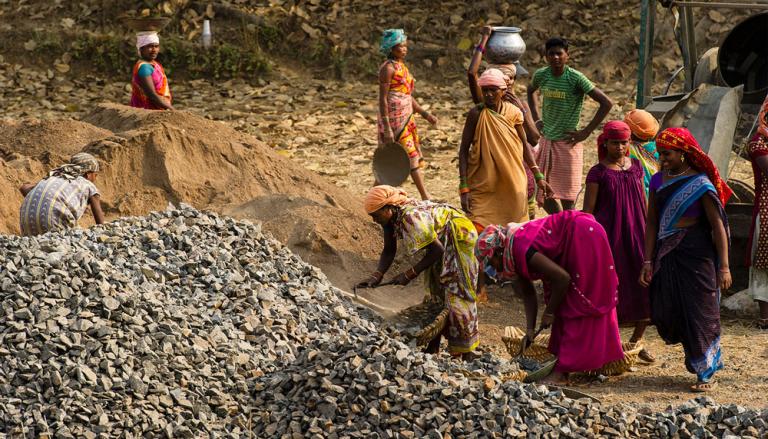
These women are working on road construction project in Asia - KP Yohannan - Gospel for Asia
These women are working on road construction project in Asia. Around the world, women are more likely to be paid less than men and to face unemployment.

Poverty and It’s Pervasive Stranglehold

Dayita was not alone in her plight.

An estimated 767 million people lived below the poverty line of $1.90 per day in 2013, according to the UN.[3] In 2014, some 263 million children and youth were not attending school, and more than 70 percent of the out-of-school children who should have been in primary or secondary education lived in sub-Saharan Africa and Southern Asia.[4] In the United States, a report revealed that in 2014, “approximately 15 million children under the age of 18 were in families living in poverty.”[5]

Living hand to mouth
KILLS DREAMS.

Many impoverished families know education is the long-term solution to their financial troubles, but it is out of reach. A family’s financial position influences more than you might think upon initial consideration.

The father who works from sunup to sundown seven days a week will have little time to mentor his children. The same could be said of the mother who labors in the fields all day.

During their most formative and vulnerable years, millions of children are left alone during the day to wander in their villages. Many will adopt poor social habits and learn nothing of respect or self-discipline. School is out of the picture for them; all the family’s energy must be focused on providing food and shelter.

A young boy in Pakistan. One in three Pakistanis lives below the poverty line - KP Yohannan - Gospel for Asia
A young boy in Pakistan. One in three Pakistanis lives below the poverty line. Photo Credit Muhammad Muzamil / Unsplash

Often, a family’s financial plight is so desperate that even young children must contribute to the family income. For the roughly 150 million child laborers in the world,[6] there is no school, no delving into their nation’s history, and no adventuring to museums to learn about science and art.

No money means no food, which means malnutrition and increased health problems. No money means no doctor visits, and in the case of a medical emergency, no money may mean indenturing a child to work off the incurred debt after receiving critical treatment.

“Living hand to mouth kills dreams. For many, ambition becomes unrealistic amid the ever-present fight against starvation.”
Living hand to mouth kills dreams. For many, ambition becomes unrealistic amid the ever-present fight against starvation. How many of us have asked a young child what they want to be when they grow up? In many poverty-stricken areas, however, a child might respond to that question with a look of confusion. The only future they can see is following their parents in becoming a farmer, a daily laborer or, if they’re lucky, maybe a skilled tradesman.

For the majority of children raised in poverty-stricken communities, the fruit of their harsh childhood is more of the same. When they become parents, they will raise their children as they themselves were raised—unless they can manage to find a way out, into a new way of life.

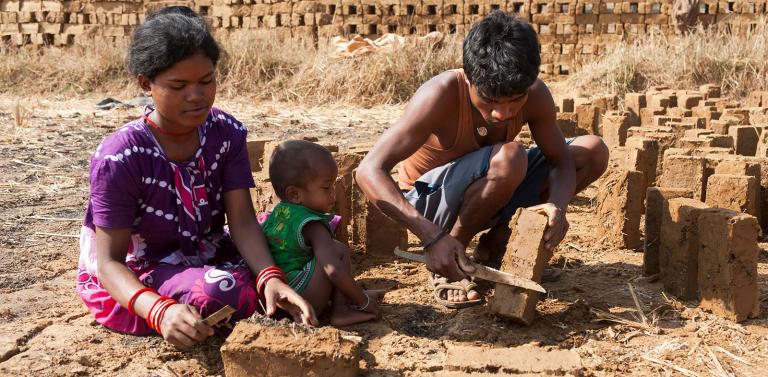
Both men and women work hard in rural villages to try to make ends meet - KP Yohannan - Gospel for Asia
This woman works alongside her husband to make bricks, bringing her infant with her. Both men and women work hard in rural villages to try to make ends meet.

Solutions to Poverty Line Problems of the Poor & Impoverished: Part 2 | Part 3

This Special Report article originally appeared on gfa.org

To read more on the ongoing worldwide problem of Poverty on Patheos, go here.
Click here, to read more blogs on Patheos from Gospel for Asia.

Go here to know more about Gospel for Asia: Facebook | Youtube | Twitter | GFA Reports | My GFA


2019-11-25T08:18:40+00:00

Wills Point, Texas – GFA Special Report (Gospel for Asia) – Discussing the worldwide strategies and efforts for malaria prevention, to one day create a world where no one dies of malaria.

Bringing Hope to the World

The fight against malaria has been a multi-faceted one, receiving renewed attention in the late 1990s with the 1998 formation of the Roll Back Malaria Partnership, a global network to coordinate efforts among governments, UN agencies, international organizations and affected countries. Following that, the Global Fund, which fights malaria, AIDS and tuberculosis by providing grants to countries addressing those problems, was established in 2001.

Numerous charities have formed in the wake of these actions; one of the largest is Malaria No More. Its inception came at a White House event in 2006 that launched former President Bush’s malaria initiative. Nothing But Nets is the United Nations’ campaign to end malaria and enjoys broad support. Imagine No Malaria was launched by the United Methodist Church and partners with Nothing But Nets. In addition to raising money for nets, Imagine works on malaria prevention and education, including distributing malaria advocacy kits for churches.

Major Christian ministries are also active in anti-malaria work, such as Samaritan’s Purse, Compassion International and World Vision. The latter’s Malawi arm announced in mid-February that it would distribute 10.9 million treated mosquito nets by the end of 2018 as part of that African nation’s malaria-control program.

“As World Vision Malawi (WVM), we have never undertaken such a mass campaign, but through close collaboration with the Ministry of Health and the Global Fund Country Coordinating Mechanism, we are going to achieve this,” said Charles Chimombo, WVM’s director of programs.

Among lesser-known, but no less effective, efforts on the ground are those by such ministries as Gospel for Asia (GFA). Based in Wills Point, Texas, for more than 30 years GFA has provided humanitarian assistance and spiritual hope to millions across Asia.

In addition to such services as feeding and educating thousands of needy children, offering free medical care and training, and drilling clean water wells, the ministry distributed 600,000 mosquito nets in 2016.

Fighting Malaria – A Chilling Disease (Part 3) - KP Yohannan - Gospel for Asia
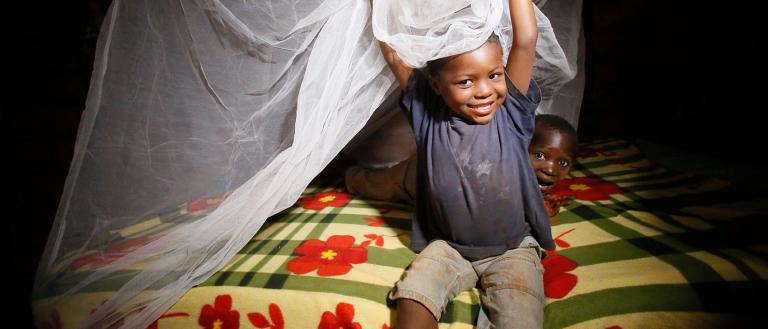
On World Malaria Day in 2016, GFA-supported workers distributed 2,000 mosquito nets to needy families in a community in Asia. Mosquito netting is one of the most cost-effective protections from the spread of diseases transmitted by mosquito bites.

“In many cases, simple changes can create a profound difference in everyday health,” said KP Yohannan, founder and director of GFA. “Christ calls upon us to care for the poor, which is why we are there to offer tools like mosquito nets, which can literally make the difference between life and death.”

One case study of a family helped by such gestures involves a couple named Jitan and Shara and their two children. Living in an area where temperatures commonly soar above 100 degrees for weeks left Jitan, a laborer in the fields, a prime target for the mosquitoes breeding in nearby stagnant ponds and water reservoirs.

Strategic Battle on Malaria Prevention - KP Yohannan - Gospel for Asia
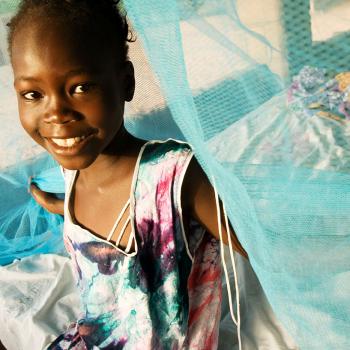
Shara and her family are now protected from disease with a mosquito net.

In 2015, one of those mosquitoes bit Jitan and injected malaria parasites into his body.

Fortunately, medical treatment (and prayers from Shara and her father) enabled Jitan to recover after three weeks.

Five months later, the GFA-supported pastor at Shara’s church put her name down as one of 150 recipients for an upcoming GFA-supported mosquito net distribution. Not only did the fabric mean safety at night from mosquito bites, but to Shara it also symbolized how God saw even their smallest needs.

“My husband suffered with malaria fever,” she said. “Consequently, he is physically weak. But this mosquito net will be protection for my family now.”

The gift touched Jitan’s heart as well.

“Christians not only pray for people, but they also fulfill the basic needs of people in the community,” he said.

One night, as they crawled under the safety of their net, he told Shara: “Really, the Lord Jesus is fulfilling our basic need.”

Strategic Battle on Malaria Prevention

When the Gates Foundation adopted its “Accelerate to Zero” strategy in late 2013, it established a core set of foundational principles to make progress toward the goal of eradicating malaria, which it defined as removing the parasites that cause malaria, not simply interrupting transmission.

It sees new drug regimens and strategies as key to that goal, saying clinical cures for individuals do not eliminate the parasites responsible for transmission.

The majority of infections occur in asymptomatic people, who are a source of continued transmission. A successful eradication effort will target such infection through community-based efforts.

Emerging resistance to current drugs and insecticides is a threat to progress, which must guide the use of current tools and development of new ones. And since malaria is biologically and ecologically different throughout the world, strategies must be developed and implemented on a local or regional level.

Nearly five years later, how is the fight proceeding? WHO’s latest malaria report shows some bright spots, such as 44 countries reporting less than 10,000 malaria cases in 2016, compared to 37 nations in 2010.

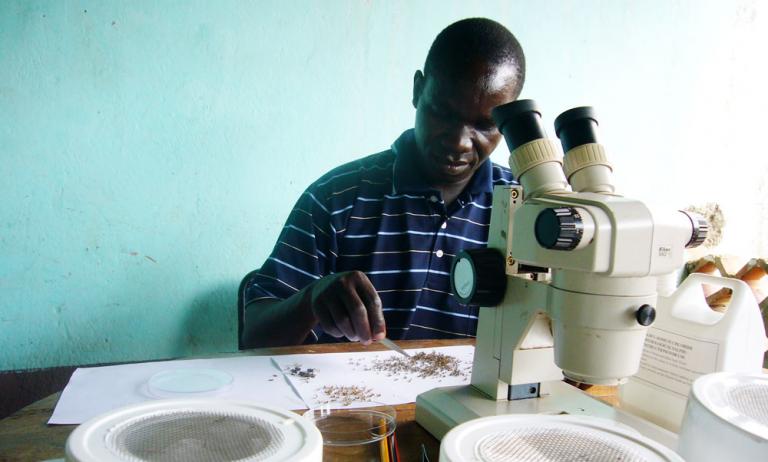
A malaria researcher sorts mosquitoes - KP Yohannan - Gospel for Asia
A malaria researcher sorts mosquitoes. (Photo by Malaria Consortium on Flickr / CC BY-NC-ND 2.0)

There is also better access to tools for malaria prevention, such as insecticide-treated bednets, and the testing of suspected cases in the public health sector has increased in most regions. Except for the eastern Mediterranean region, where mortality rates have remained unchanged, all regions reported declines in mortality between 2010–2016.

Yet, despite an unprecedented period of success, Dr. Noor says the corresponding slowdowns in mortality decline in some regions, coverage gaps and lack of medical care have slowed progress.

“Identifying what is behind this trend is difficult to pinpoint,” he says. “In any given country, there may be a multitude of reasons as to why the burden of malaria is increasing. Factors impacting progress could range from insufficient funding and gaps in malaria prevention intervention to climate-related variations.”

In its latest report on malaria, WHO set global targets for 2030 to achieve its vision of a world free of the disease. The three pillars of its plan:

  1. Ensure universal access to malaria prevention, diagnosis and treatment
  2. Accelerate efforts toward elimination
  3. Transform malaria surveillance into a core intervention.

Accompanying each target are preceding milestones in 2020 and 2025. The four include:

  1. Reduce malaria mortality rates globally compared with 2015 by at least 90 percent.
  2. Reduce malaria case incidence globally compared with 2015 by at least 90 percent.
  3. Eliminate malaria from countries in which malaria was transmitted in 2015—at least 35 countries.
  4. Preventing re-establishment of malaria in all countries that are malaria free.
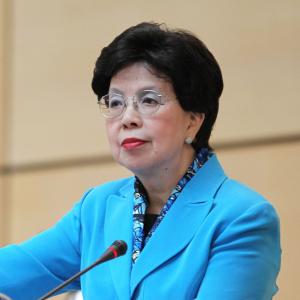
Dr. Margaret Chan, former Director-General of the World Health Organization - KP Yohannan - Gospel for Asia
Dr. Margaret Chan, former Director-General of the World Health Organization (2006-2017). (Photo credit WHO/Pierre Albouy)

Director General Dr. Margaret Chan said a major “scale-up” of malaria responses would not only help countries reach 2030’s targets but would also contribute to poverty reduction and other development goals.

“Recent progress on malaria has shown us that, with adequate investments and the right mix of strategies, we can indeed make remarkable strides against this complicated enemy,” she said.

“We will need strong political commitment to see this through, and expanded financing. We should act with resolve, and remain focused on our shared goal to create a world in which no one dies of malaria.

Few would argue with those words.


Fighting Malaria – A Chilling Disease: Part 1 | Part 2

This article originally appeared on gfa.org

To read more on Patheos on the problem of Malaria, go here.

Click here, to read more blogs on Patheos from Gospel for Asia.

Go here to know more about Gospel for Asia: GFA.net | Wiki | Flickr | GFA | GFA.org

2019-11-25T08:30:15+00:00

Wills Point, Texas – GFA Special Report (Gospel for Asia) – Discussing the continuing battle in fighting malaria worldwide via mosquito netting and medical care to combat this parasitic genius.

Hippocrates (460–370 B.C.) described malaria in the ancient world - KP Yohannan - Gospel for Asia
Hippocrates (460–370 B.C.) described malaria in the ancient world.

Combating a Tough Disease

Malaria has a history extending back thousands of years. The legendary Greek doctor, Hippocrates (born in 460 B.C.), described periodic fevers. It was so common in the Roman Empire that one report said it may have contributed to the empire’s decline. At one time, it was also common across Europe and North America.

Malaria needs a combination of high population density, high anopheles mosquito density, and high rates of transmission from humans to mosquitos and vice versa. If any of the factors is lowered sufficiently, the parasite will eventually disappear from the area. However, unless eliminated entirely, it can be re-established if conditions revert to a combination favorable to the parasite.

The battle against the disease has raged for centuries. Scientific studies on malaria saw their first major advance in 1880, when a French army doctor working at a military hospital in Algeria observed parasites in the red blood cells of infected patients. Alphonse Lavern suggested that malaria was caused by this organism, which along with other later discoveries, earned him the Nobel Prize in 1907.

More than a century later, the battle fighting malaria continues. It is expensive. According to one report on research and development challenges in the health field, one drug costs $150–200 million and seven to 10 years to develop, one vaccine costs $600–800 million and takes 10–15 years, one diagnostic costs up to $50 million and takes three to five years, and one vector control product takes $60–65 million and 10–12 years. It projects the annual research and development need for malaria over a decade ending in 2022 will range from $5.5 billion to $8.3 billion.

Still, it is a war worth waging. Not only can severe cases cause lifelong intellectual disabilities, but its economic impact can cost billions of dollars annually in lost productivity. WHO says certain population groups are at higher risk of contracting malaria and developing serious disease: children under 5, pregnant women, patients with HIV/AIDS, non-immune immigrants, and mobile populations and travelers.

Gospel for Asia Reports: Fighting Malaria – A Chilling Disease (Part 2) -KP Yohannan - Gospel for Asia
Young children are often at higher risk of contracting malaria. In 2012, an estimated 207 million people suffered from malaria. About 627,000 people died, and 77 percent of those deaths were among children under the age of 5. (Photo credit Nothing But Nets)

To date, vaccines have been lacking, but WHO hopes Mosquirix™ will prove to be a game changer. It will be administered to at least 360,000 children in areas of Ghana, Kenya and Malawi, with some regions selected for participation to serve as comparison groups to areas where the vaccine will not be available initially.

Developed by the PATH Malaria Vaccine Initiative and GlaxoSmithKline with support from the Gates Foundation, Mosquirix™ was engineered with genes from the outer protein of a malaria parasite, a portion of a hepatitis B virus, and a chemical component to boost immunity. The vaccine works to prevent infection by blocking the parasite from infecting the liver.

Although WHO has yet to make a policy recommendation for large-scale distribution beyond the pilot program, it saw some encouraging—though limited—results in a five-year-long trial (phase three of the program).

“In its ability to adapt and survive, the malaria parasite is a genius. It’s smarter than we are.”

The trial, which concluded in 2014, enrolled approximately 15,000 infants and children in seven sub-Saharan nations. Among participants who received four doses, the vaccine prevented approximately four in 10 cases of malaria (39 percent) over four years of follow-up and just over three in 10 cases of severe malaria (32 percent). Significant reductions were seen in overall hospital admissions and those for malaria and severe malaria.

It will be evaluated for use as a complementary tool, along with the preventive, diagnostic and treatment measures WHO recommends, such as indoor residual spraying with insecticides and the use of anti-malarial medicines.

Challenges Ahead for Fighting Malaria

Progress has been made in the past. WHO’s long-term strategy report, which outlines steps to attack the problem by 2030, says between 2001–2013 an expansion of intervention contributed to a 47 percent decline in mortality rates worldwide. That meant an estimated 4.3 million fewer deaths.

Still, malaria remains a persistent foe. The ability of parasites to evolve and develop resistance is one of the leading challenges. According to one report, a particular class of parasites has demonstrated the capability—through the development of multiple drug-resistant forms—for evolutionary change, which can affect the efficiency of vaccines and other treatments.

As malaria mutates, it can gain resistance to common drugs - KP Yohannan - Gospel for Asia
As malaria mutates, it can gain resistance to common drugs like this one. Photo by Arne Hoel / World Bank on Flickr / CC BY-NC-ND 2.0

Such possibilities surfaced recently in the United Kingdom. Like the U.S., the UK is largely malaria-free but still sees about 2,000 cases annually among travelers returning from other nations. In early 2017, researchers found a drug commonly used in the UK that had been highly effective at treating malaria, but it had failed to cure four patients who contracted the disease while visiting Africa.

Although the patients recovered after receiving alternative treatment, research by the London School of Hygiene and Tropical Medicine said the failure was due to strains of the disease showing reduced susceptibility. It was also a possible first sign of drug resistance to a drug known as AL, for artemether-lumefantrine.

Dr. Colin Sutherland led a study on malaria's resistance - KP Yohannan - Gospel for Asia
Dr. Colin Sutherland led a study on malaria’s resistance to certain treatment drugs. (Photo credit sverigeradio.se)

Dr. Colin Sutherland, who led the study, told the London Telegraph that treating patients there with AL “might need reviewing.”

“Fortunately, there are other effective drugs available,” Dr. Sutherland said. “(But) frontline doctors should be alert to the possibility of artemisinin-based drugs failing, and assist with the collection of detailed information about specific travel destinations. A concerted effort to monitor AL outcomes in UK malaria patients needs to be made. This will determine whether our front-line malaria treatment drug is under threat.”

In addition, Sutherland told the newspaper that drug resistance is one of the “biggest threats we face” in fighting malaria, and it had already started occurring in parasite strains prevalent in parts of Southeast Asia. Mutations found in genes previously implicated in drug failure in Africa warrant further investigation, the doctor said.

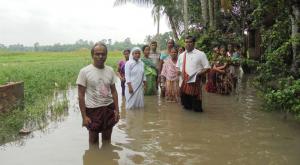
A GFA-supported pastor helps those affected by flooding in South Asia - KP Yohannan - Gospel for Asia
A GFA-supported pastor helps those affected by flooding in South Asia. Standing water after a flood provides a breeding ground for mosquitoes, and the danger of malaria can increase.

In addition to the medical challenges, there are social and environmental factors. WHO’s 15-year strategy report outlines such problems as social unrest, conflict and humanitarian disasters as major obstacles to progress. So are outbreaks of other diseases, like the Ebola virus in West Africa, which affected countries endemic for malaria and diminished their ability to control malaria.Climate change is another factor.

“Given the association between malaria transmission and climate, long-term malaria efforts will be highly sensitive to changes in the world’s climate,” the report says. “It is expected that—without mitigation—climate change will result in an increase in the malaria burden in several regions of the world that are endemic for the disease, particularly in densely-populated topical highlands.”

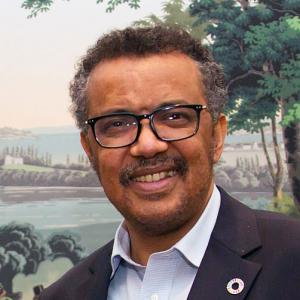
Director-General World Health Organization - KP Yohannan - Gospel for Asia
Dr. Tedros Adhanom Ghebreyesus, the Director-General World Health Organization (2017-present). Photo by itupictures on Flickr / CC BY 2.0

In the 2017 World Malaria Report, WHO Director-General Dr. Tedros Adhanom Ghebreyesus—former health minister for Ethiopia—termed the malaria response as “at a crossroads.” He said continuing with a “business as usual” approach with the same level of resources and interventions means a likely increase in malaria cases and deaths.”It is our hope that countries and the global health community choose another approach,” Ghebreyesus said in his foreword, “resulting in a boost in funding for fighting malaria programs, expanding access to effective interventions and greater investment in the research and development of new tools.”


Fighting Malaria – A Chilling Disease: Part 1 | Part 3

This article originally appeared on gfa.org

To read more on Patheos on fighting Malaria, go here.

Click here, to read more blogs on Patheos from Gospel for Asia.

Go here to know more about Gospel for Asia: Youtube | Twitter | GFA Reports | My GFA | Instagram

2019-11-25T08:56:39+00:00

Wills Point, Texas – GFA Special Report (Gospel for Asia) – Discussing the fight against malaria, prevention via mosquito netting and medical care to combat a parasitic genius.

Gospel for Asia Reports: Fighting Malaria – A Chilling Disease (Part 1) - KP Yohannan - Gospel for Asia

Fighting Against Malaria

Though eradicated in many developed nations, malaria still claims thousands of lives around the world. One victim who survived this mosquito-borne disease compared its chills to “lying down between two blocks of ice.”

Each year, more than 400,000 people don’t survive those terrifying shudders.

As part of its long-term goal to eradicate malaria, this year the World Health Organization (WHO) is launching the first field test of a vaccine in real-world settings. Known as RTS,S, or Mosquirix™, the United Nations agency says this is the first vaccine shown to provide partial protection against malaria in young children by acting against the deadliest parasite globally. It will be made available to select residents of three countries in Africa, the continent linked to the highest number of cases. In addition to combating it, the organization hopes to train a spotlight on the need for dramatically increased funding for the fight against malaria.

Dr. Pedro Alonso, director of the World Health Organization's Global Malaria Program - KP Yohannan - Gospel for Asia
Dr. Pedro Alonso, director of the World Health Organization’s Global Malaria Program. (Photo credit Malaria World Congress)

“Progress in the global malaria response has unquestionably stalled,” said Dr. Pedro Alonso, director of WHO’s Global Malaria Program, in a letter last December.

“Clearly, to get the response back on track, increased funding is urgently needed from international donors and endemic countries. Critical gaps in access to tools that prevent, diagnose and treat malaria must be found and filled.”

To get an idea of the obstacles presented by malaria, consider the toll during 2016. Worldwide, there were 216 million cases, an increase of 5 million over the previous year. The death toll of 445,000 nearly matched that of 2015.

Although $2.7 billion was invested in the fight against malaria in 2016, WHO estimates a minimum of $6.5 billion will be needed annually by 2020.

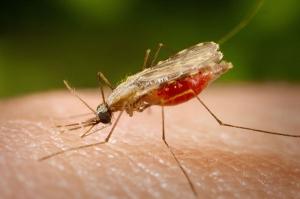
Malaria is transmitted by infected female mosquitoes called anopheles - KP Yohannan - Gospel for Asia
Malaria is transmitted by infected female mosquitoes called anopheles. (Public domain)

A life-threatening disease, malaria is caused by parasites transmitted to people through bites of infected female mosquitoes, known as anopheles. In people lacking immunity—especially pregnant mothers and young children—symptoms appear 10 to 15 days after the bite. Fever, headache, chills and vomiting are among the symptoms.

Severe cases in children can include severe anemia and respiratory distress, while in adults, the disease can affect multiple organs. Without treatment within 24 hours, certain kinds of malaria can cause death.

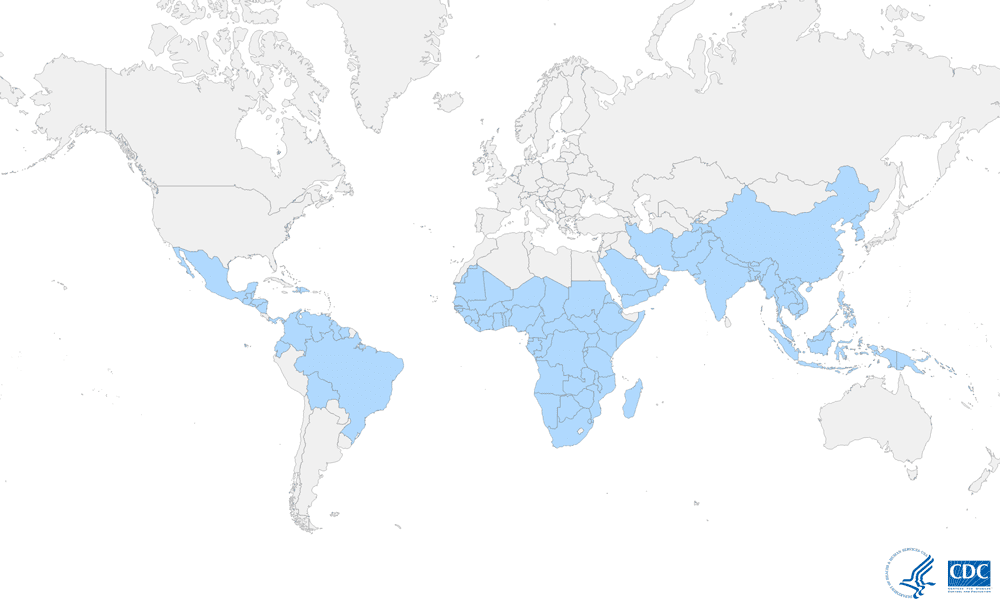
The Centers for Disease Control (CDC) says malaria occurs mostly in poor tropical and subtropical areas of the world and is a leading cause of illness and death in those regions. Some 3.3 billion people live in areas at risk of transmission.

Although Africa is home to the majority of cases, the problem exists across the globe, as evidenced by its presence in 91 countries. For example, to the east of the continent, CDC maps show malaria is prevalent across South Asia. That includes all of Laos, Bangladesh and India (except at higher elevations), and much of Cambodia and Pakistan (below 2,500 feet altitude). It is also present in areas of eastern Indonesia and some areas of Thailand, Vietnam, Burma (Myanmar) and Papua New Guinea.

The CDC Malaria Map shows where malaria is prevalent in the world - KP Yohannan - Gospel for Asia
The CDC Malaria Map shows where malaria is prevalent in the world.

Even in the United States, which largely eradicated the problem in the early 1950s, the CDC says 1,700 cases are diagnosed annually. The majority are among travelers and immigrants returning from countries where transmission occurs, many from South Asia and sub-Saharan Africa. There were also 63 outbreaks of locally transmitted, mosquito-borne malaria between 1957 and 2015.

This fight goes on despite the awarding of five Nobel Prizes in physiology or medicine for work associated with malaria between 1902 and 2015. Small wonder that a National Institutes of Health researcher once commented, “In its ability to adapt and survive, the malaria parasite is a genius. It’s smarter than we are.”

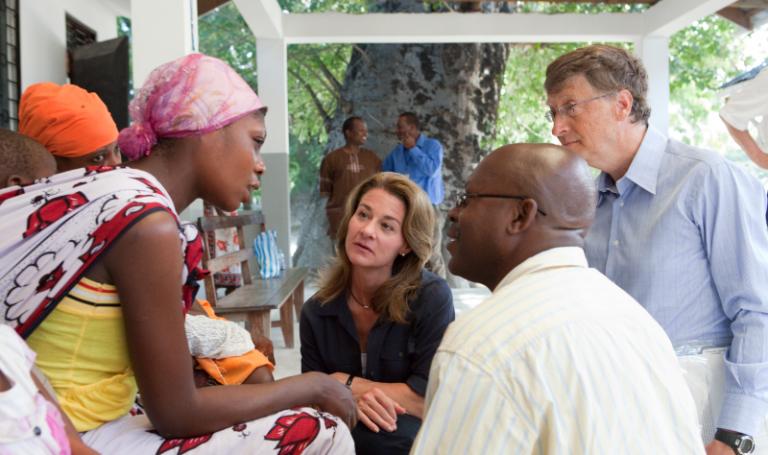
Bill and Melinda Gates discuss malaria at the Bagamoyo District Hospital in Tanzania - KP Yohannan - Gospel for Asia
Bill and Melinda Gates discuss malaria at the Bagamoyo District Hospital in Tanzania. (Photo credit Bill & Melinda Gates Foundation, 2018 Annual Letter)

Spotlight on World Malaria Day

It isn’t just WHO focusing attention on malaria. In January, the Bill and Melinda Gates Foundation (long involved in anti-malaria causes), the Inter-American Development Bank and the Carlos Slim Foundation announced they would provide a collective total of $83.6 million in new funding for fighting against malaria in seven nations in Central America and the Dominican Republic.

The Regional Malaria Elimination Collective is also aimed at ensuring malaria treatment remains a health and development priority. The funds are to help leverage more than $100 million in domestic funding and $39 million of existing donor money by 2022. Although Central America has seen a 90 percent drop in cases since 2000, “progress against the mosquito-borne disease has stalled and several countries in the region still have significant problems with malaria,” reported Reuters News Service in late January.

These developments occur amid the upcoming World Malaria Day (Apr. 25), which has been an annual emphasis since 2007. The international observance was established by WHO’s decision-making body to provide education and understanding of the disease and to spread awareness of strategies to curtail its spread.

Former President George W. Bush gestures during an address in honor of Malaria Awareness Day - KP Yohannan - Gospel for Asia
Former President George W. Bush gestures during an address in honor of Malaria Awareness Day on Friday, April 25, 2008. (Photo credit George Bush Archives)

On its first year, former President George W. Bush designated Apr. 25 as “Malaria Awareness Day” and called on Americans to join the effort to eradicate the disease on the African continent.

Among the initiatives announced were a $3 million challenge grant from ExxonMobil, a fundraising promotion by Major League Soccer, a challenge by Pastor Rick Warren to 300,000 churches to take on malaria as a cause, and a campaign against malaria by the Boys and Girls Clubs of America.

A number of countries participate, spanning such nations as the U.S. to Germany to India, Nigeria and Uganda. In addition to governmental action, businesses, non-governmental organizations and individuals use the day as an opportunity to engage in fundraising, while many media outlets help publicize public awareness campaigns.

World Malaria Day helps shine a spotlight on prevention, a crucial strategy in reducing the incidence of the disease. WHO says that since 2000, this has played a key role in reducing cases and deaths, with the indoor spraying of insecticides and distribution of insecticide-treated nets leading the way.

What difference has this made? Across sub-Saharan Africa, just over half the population slept under nets in 2015, compared to less than a third five years earlier. During that time period, preventive treatment for pregnant women increased five-fold in 20 African nations. Globally, new malaria cases fell 21 percent between 2010–2015, while death rates declined by 29 percent. However, much remains to be done.

WHO’s global technical strategy has a goal of a 40 percent reduction in malaria cases and deaths by 2020, but less than half of the countries facing the threat are likely to meet that target.

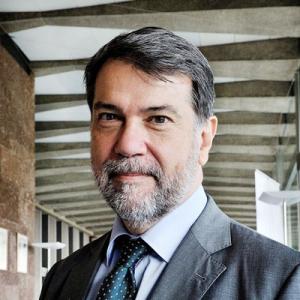
Indeed, Dr. Abdisalan Noor, team leader of WHO’s Global Malaria Program Surveillance Unit, says the declining trend in malaria cases and deaths has slowed and even reversed in some regions over the past three years.

In commenting on the 2017 World Malaria Report issued last November, Dr. Noor said there are continued gaps in coverage of basic prevention, diagnostic and treatment tools.

“As noted in the report, less than half of households in countries in sub-Saharan Africa have sufficient bednets, and only about one-third of children in the African Region with a fever are taken to a medical provider in the public health sector,” he said.

Dr. Abdisalan Noor of the World Health Organization's Global Malaria Program Surveillance Unit - KP Yohannan - Gospel for Asia
Dr. Abdisalan Noor of the World Health Organization’s Global Malaria Program Surveillance Unit. (Photo credit Wellcome Trust Blog)

Indeed, Dr. Abdisalan Noor, team leader of WHO’s Global Malaria Program Surveillance Unit, says the declining trend in malaria cases and deaths has slowed and even reversed in some regions over the past three years.In commenting on the 2017 World Malaria Report issued last November, Dr. Noor said there are continued gaps in coverage of basic prevention, diagnostic and treatment tools.

“As noted in the report, less than half of households in countries in sub-Saharan Africa have sufficient bednets, and only about one-third of children in the African Region with a fever are taken to a medical provider in the public health sector,” he said.


Fighting Malaria – A Chilling Disease: Part 2 | Part 3

This article originally appeared on gfa.org

To read more on Patheos on the fight against Malaria, go here.

Click here, to read more blogs on Patheos from Gospel for Asia.

Go here to know more about Gospel for Asia: GFA | GFA.org | Facebook | Youtube | Twitter

2022-08-20T18:39:21+00:00

Wills Point, Texas – GFA Special Report (Gospel for Asia)Discussing the horrors of modern day human trafficking, slavery and forced labor throughout the world.

Human Trafficking: Cashing In on Chaos

Like a virus, human trafficking continues to mutate. Women have long been considered to be the main victims, and that is certainly true in the sex trade, where they comprise 99 percent of those used and abused.

However, GRETA (Group of Experts on Action against Trafficking in Human Beings) found that, in some countries, labor trafficking has emerged as “the predominant form.” And while there are “considerable variations in the number and proportion of labour trafficking victims amongst evaluated countries, all countries indicated an upward trend of labour exploitation over the years.”

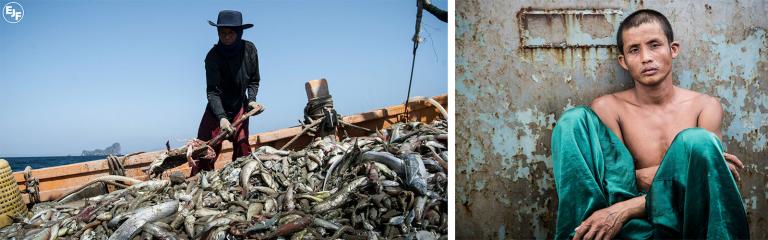
As the numbers of those trafficked for forced labor have increased over the last decade, so has the number of trafficked men, who can be subject to particularly brutal treatment. Survivors of forced labor in the Thai fishing industry have told of being made to take amphetamines to enable them to work long hours and of being dragged through the water with a rope around their neck for complaining.

Those who tried to escape were executed and their bodies thrown overboard.

Some men working on fishing boats in Thailand are subject to forced labor - KP Yohannan - Gospel for Asia
Some men working on fishing boats in Thailand are subject to forced labor and brutal working conditions, according to recent Human Rights Watch research. (Photo credit Environment Justice Foundation)

Human trafficking has also grown and morphed in the wake of the refugee crises in Europe and parts of Africa and Asia.

“Refugees and unaccompanied children are some of the most vulnerable targets of labor and sex traffickers,” warns the UN.

Mass movements of people in times of great upheaval leave many vulnerable to being taken advantage of and provide opportunities for traffickers to move even more freely.

“In the chaos of conflict and violence, a perfect storm of lawlessness, slavery, and environmental destruction can occur—driving the vulnerable into slave-based work that feeds into global supply chains and the things we buy and use in our daily lives,” say the GSI publishers.

“Modern forms of slavery prosper in these environments of conflict, corruption, displacement, discrimination and inequality,” they add. “Given this, it is critical that national and international responses to humanitarian emergencies and mass migration take account of the very real risks of modern slavery on highly vulnerable migrant and refugee populations.”

“In 1850, an average slave in the American South cost the equivalent of $40,000 in today’s money. Today a slave costs about $90 on average worldwide.”

If selling trafficked bodies is grievous, then selling trafficked body parts is gruesome, but it happens. As many as 7,000 kidneys are illegally obtained by traffickers every year as demand outstrips the supply of organs legally available for transplant, says Fight Slavery Now. This organization references a refugee camp given the nickname Kidneyvakkam, or Kidneyville, because so many women there had sold their kidneys.

“A black market thrives as well in the trade of bones, blood and other body tissues,” says the organization.

A particularly disturbing aspect of human trafficking is how often perpetrators take advantage of people’s hopes and desires to prosper. Many migrant workers are lured from their home country by promises of a new life—only to find a darker reality.

Maya was 22 when she fled the fighting in her native Syria, destined for Lebanon where she had been promised a job working in a factory. But upon her arrival, she found herself forced into prostitution with many others, enduring “severe physical and psychological violence,” before finally being rescued.

It’s all too common for migrants trying to get into a new country without the proper papers to be tricked by those claiming to help them, but they are not the only ones to find they have been duped.

Hundreds of welders and pipe-fitters who were recruited to help fix oil rigs damaged by Hurricane Katrina arrived in the United States legally—some having paid as much as $25,000 in recruiting fees for the opportunity.

But upon arrival, things were very different. They found themselves in an isolated, barb-wired compound with armed guards, where they were forced to live in crowded shipping containers—as many as 24 men in one unit—and for which they were charged $1,000 monthly rent. Underfed, they had to work round the clock for virtually nothing by the time a slew of deductions was made from their wages.

After 2005's Hurricane Katrina, Signal International allegedly recruited hundreds of workers to fix oil rigs - KP Yohannan - Gospel for Asia
After 2005’s Hurricane Katrina, Signal International allegedly recruited hundreds of workers to fix oil rigs like this one—but unfortunately many of the workers were forced into terrible working conditions with little pay.

Traffickers lure their victims with false promises and then keep them imprisoned, sometimes literally and sometimes by threats of violence. When victims have been taken to a different country, they can be reluctant to go to the authorities for help for fear of being deported. As a result, traffickers may not keep their victims in locked rooms but “hide them in plain sight,” knowing they will not try to escape.

That “plain sight” may include the local hand car wash. In the U.K. there is concern that “endemic exploitation” occurs at the 20,000 such operations in the country.

“The truth is that ordinary people everywhere in the world … unwittingly come into contact with victims of modern slavery every day,” says Forrest. “We might walk past a little girl trapped in a forced marriage, a hotel cleaner that has had her passport confiscated, or touch this crime through the clothes and products made through illegal forced labor that we use every day.”

Traffickers will also play on victims’ vulnerabilities. When Gowri, who was tricked into bonded labor, tried to leave the brick kiln where she was being held, the owner attacked her children and then her.

Nigerians recruited for supposed good jobs in the U.K. have been made to take part in spiritistic practices, locked in coffins and making a blood oath not to try to escape or speak to the authorities.

The widespread exploitation of children isn't limited to working in fields and factories - KP Yohannan - Gospel for Asia

Children at Risk

The widespread exploitation of children isn’t limited to working in fields and factories. Cruelly, they also may be enslaved in a place that is supposed to be a haven.

Many children are at risk of being exploited in orphanages, home to some 8 million children worldwide—and four out of five of whom are not actually without a parent or parents.

They may have ended up in care because their desperately poor parents thought they would be better cared for by others.

But that does not always turn out to be the case. Some orphanage operators have deliberately withheld food and proper living environments to keep the youngsters looking malnourished “to attract more sympathy and therefore more money via donations.”

So-called “paper orphans” are said to be used as moneymakers in countries like Nepal, Cambodia, Ghana, Uganda, Guatemala and Haiti, tapping into the growing “voluntourism” market of the West, combining travel with a dash of doing good.

And there is “a strong but largely unrecognized connection between institutionalization and trafficking.”

It is bad enough that many of those who volunteer at orphanages don’t have any credentials and that the high turnover of visiting caregivers is believed to lead to attachment disorders among the children. Yet even more alarming is that orphanages can be a rich target for pedophiles.

“Modern forms of slavery prosper in these environments of conflict, corruption, displacement, discrimination and inequality.”

For being such a large criminal operation, human trafficking sees limited disciplinary action. According to the U.S. State Department’s 2017 Trafficking in Persons report, there were only 14,897 prosecutions and 9,071 convictions for human trafficking globally the previous year. In South and Central Asia, the number of prosecutions rose between 2010 and 2016—but only from 1,500 (with 1,000 convictions) to 6,250 (2,200 convictions).

Partly this is because of limited manpower and other resources. International Justice Mission (IJM) notes that many police departments in Asia “often lack the most basic office supplies—paper, folders, functional phones, copiers and computers—let alone forensics evidence kits, DNA testing equipment, and cameras necessary to do their job.”

Gary Haugen, Founder and CEO of International Justice Mission (Photo Credit IJM.org)

But there is a darker reason for the widespread impunity with which many human traffickers work: corruption. As the UN has observed, “most poor people don’t live under the shelter of the law, but far from the law’s protection.”

IJM founder and CEO Gary Haugen says the last half-century has seen “the almost total collapse of functioning criminal justice systems in the developing world.”

When cases are investigated, it’s not uncommon for them to be settled out of court in parts of Asia because the victims’ need for money trumps justice, allowing the offenders to continue their trade.


21st Century Slavery & Human Trafficking: Part 1 | Part 3

This article originally appeared on gfa.org

To read more on Patheos on the desperate issue of ongoing human trafficking, go here.

Click here, to read more blogs on Patheos from Gospel for Asia.

Go here to know more about Gospel for Asia: GFA.org | Facebook | Youtube | Twitter | GFA Reports

Follow Us!


TAKE THE
Religious Wisdom Quiz

What did the Israelites have to gather twice as much of before Sabbath?

Select your answer to see how you score.


Browse Our Archives