2022-06-28T14:08:15+00:00

WILLS POINT, TX – Gospel for Asia (GFA World) founded by Dr. K.P. Yohannan issues an extensive Special Report on the deadly diseases brought by the mosquito and the storied impact of faith-based organizations on world health, fighting for the Kingdom to “come on earth as it is in heaven.”

This is Part Two of a Three-Part Series on FBO Initiatives to Combat Malaria and Other World Health Concerns. Go here to read Part 1 and Part 3.

Faith-Based Organizations as Seen Through the Bite of the Mosquito

Let’s look at that mosquito again, the anopheles that carries some form of the genus Plasmodium, which is the genesis of several strains of potentially deadly malaria parasites. In addition to malaria, the bite of various mosquitoes can also transmit dengue and yellow fever as well as the Zika, West Nile and African Sleeping Sickness viruses. The long battle against the lone mosquito multiplied by millions of its kind presents a simulacrum through which an enormous topic—modern medicine outreaches as influenced by faith—can be viewed.
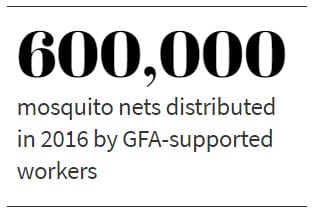
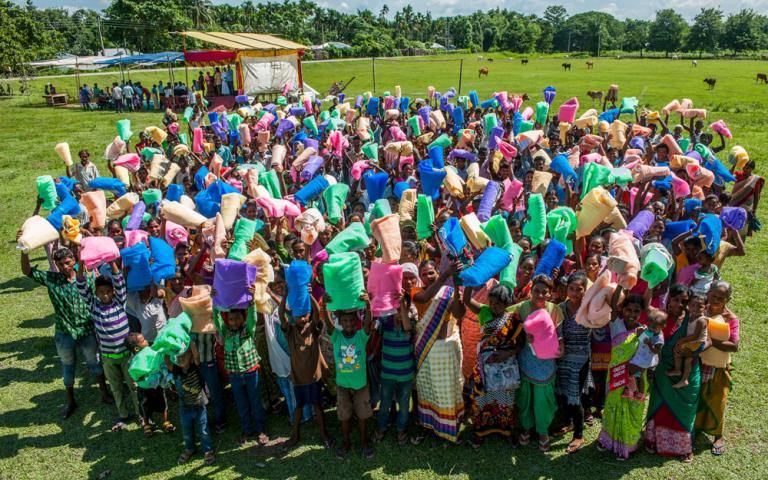
600,000 mosquito nets distributed in 2016 by GFA-supported workersOne of the specific health ministries Gospel for Asia (GFA) initiated in 2016 was to participate in World Mosquito Day, observed every August 20 to raise awareness about the deadly impact of mosquitoes. This global initiative encourages local governments to help control malaria outbreaks, and it also raises funds from large donor organizations and national governments to underwrite worldwide eradication efforts. Discovering and applying means of mosquito control in overpopulated areas of the world is essential, but the task is so large and the enemy so canny that planners have discovered they must rely on a combination of efforts that activate local communities and the leaders in those communities, non-governmental organizations (NGOs), faith-based organizations (FBOs) and faith-based development organizations (FBDOs).
Gospel for Asia - founded by Dr. K.P. Yohannan issues a Special Report on the deadly diseases brought by the mosquito and the storied impact of faith-based organizations on world health care
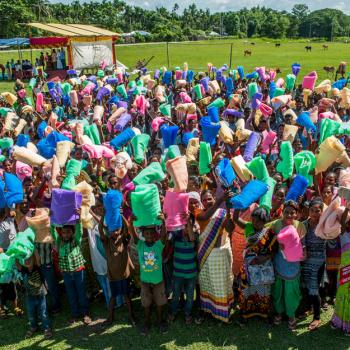
At a Gospel for Asia (GFA)-supported gift distribution, these villagers were grateful to receive a mosquito net.

In 2016, workers collaborating with Gospel for Asia (GFA) distributed some 600,000 mosquito nets, many of which were given to people living in districts where there are high malaria risks and high poverty levels. Due to poverty, these folks were unable to procure the simplest of means to prevent mosquito-borne diseases. In addition to the nets, which were given away without charge, Gospel for Asia (GFA) conducted disease-awareness training in order to heighten understanding about preventive measures.

[su_qoute]In the majority of rural areas, there are no clinics, no hospitals, no medical professionals and no treatment protocols.[/su_quote]

This effort was compatible with the movement back to a primary health care emphasis as delineated in the 1978 Alma-Ata Declaration encouraged by the World Health Organization, which proclaimed the principles of what was meant by the concept of primary health care and the overreaching need for it. While a few populations in developing countries have access to tertiary health care—hospitals and clinics and professionals trained in medical schools, drugs and diagnostic equipment—the vast majority of the rest of the populace can access extremely limited or next-to-no available health care. In the majority of rural areas, for instance, there are no clinics, no hospitals, no medical professionals and no treatment protocols. (This medical desert is also becoming a problem in the United States; as rural populations shrink, hospitals and clinics cannot afford to stay open.)

The Alma-Ata conference recommended a redirection of approaches to what is termed primary health care. Charles Elliott, an Anglican priest and development economist, summarized the suggested changes as follows:

  1. An increasing reliance on paraprofessionals (often referred to as community health workers) as frontline care givers;
  2. The addition of preventive medicine to curative approaches;
  3. A noticeable shift from vertical, disease-specific global health initiatives to integrated, intersectoral programs;
  4. A willingness to challenge the dominant cost-effectiveness of analysis, particularly as it was used to justify a disproportionate distribution of health care resources for urban areas; and
  5. A heightened sensitivity to the practices of traditional healing as complementary rather than contradictory to the dominant Western medical model.
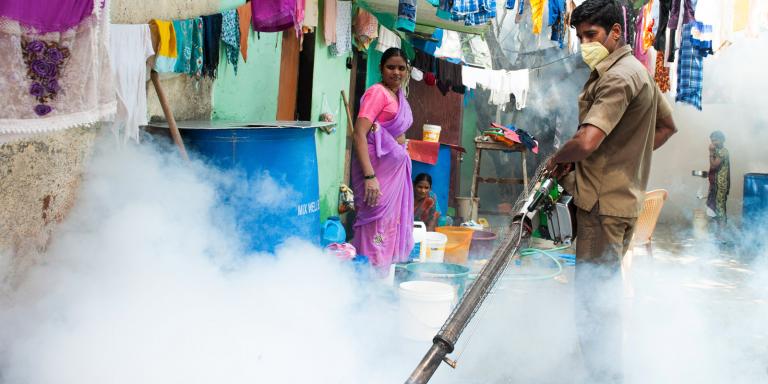
Gospel for Asia founded by Dr. KP Yohannan: The government working is spraying mosquito repelling smoke in a Mumbai slum to prevent malaria and other mosquito-spread diseases.
The government working is spraying mosquito repelling smoke in a Mumbai slum to prevent malaria and other mosquito-spread diseases.

India’s Progress in Combating Malaria

In 2015, the World Health Organization set a goal of a 40 percent reduction in malaria cases and deaths by 2020 and estimated that by that deadline, malaria could be eradicated in 11 countries. The first data reports were extremely encouraging, but attrition began to set in, due to what experts feel is a lag in the billions of donor funds needed to combat the disease. The 2018 World Malaria Report health data now indicate a slowing in the elimination of the disease and even growth in disease incidents and deaths. This slide is disheartening to world health officials, particularly since early reports gave evidence of real impact against morbidity.

India, however, according to the 2018 report, is making substantial progress: “Of the 11 highest burden countries worldwide, India is the only one to have recorded a substantial decline in malaria cases in 2017.”

The report goes on to state that the country, which accounted for some 4 percent of global malaria cases, registered a 24 percent reduction in cases over 2016. The country’s emphasis has been to focus on the highly malarious state of Odisha. The successful efforts were attributed to a renewed government emphasis with increased domestic funding, the network of Accredited Social Health Activists (ASHAs)—an intended 900,000 women assigned to every village with a population of at least 1,000—and strengthened technological tracking, which allowed for a focus on the right mix of control measures. The aim of India’s National Vector Borne Disease Control Programme is the eradication of malaria.

Of the 11 highest burden countries worldwide, India is the only one to have recorded a substantial decline in malaria cases in 2017.

Remember the ever-present mosquito? Studies conducted by WHO released the findings of a major five-year evaluation reporting that people who slept under long-lasting insecticidal nets had significantly lower rates of malaria infection than those who did not use a net.

In coordination with this national effort, Gospel for Asia (GFA)-supported workers distributed nets to villagers, in student hostels, among workers in the tea-growing district of Assam and many other areas while at the same time leading disease-awareness programs to tea-garden employees.
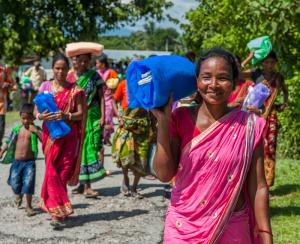
Gospel for Asia founded by Dr. K.P. Yohannan - These women were happy to receive a free mosquito net for their families from GFA-supported workers.
These women were happy to receive a free mosquito net for their families from GFA-supported workers.

Imagine a dusty village filled with women wearing vibrant-colored clothing. Little children dance around or stand intrigued, their huge brown eyes open. Nets are placed into outstretched hands. Women smile; gifts are always appreciated. Men listen carefully to the reasons why bed nets are essential and why it is necessary to spray the home and rooms. People bow their heads; they raise pressed hands to their faces. “Namaste,” they say giving thanks.

Envision a room at night with six to eight buzzing, dive-bombing mosquitoes and give thanks that there are organizations around the world that pass out the free gift of bed nets that not only keep humans from being stung but also prevent them from becoming wretchedly ill.

Historical Cooperation

The possibility of eradicating malaria rests in the efforts of Dr. Ronald Ross, born in Almora, India, in 1857 to Sir C.C.G. Ross, a Scotsman who became a general in the Indian Army. Reluctant to go into medicine, the son nevertheless bowed to his father’s wishes to enter the Indian Medical Service.

At first, Ross was unconvinced that mosquitoes could possibly be carriers of malaria bacteria, yet his painstaking, mostly underfunded laboratory discoveries eventually convinced him that the hypothesis of a mentor, Patrick Manson, an early proponent of the mosquito-borne malaria theory, was correct. (Manson is also considered by many to be the father of tropical medicine.) Another contemporary, the French Army doctor Alphonse Laveran, while serving at a military hospital in Algeria, had observed and identified the presence of parasitic protozoans as causative agents of infectious diseases such as malaria and African Sleeping Sickness.
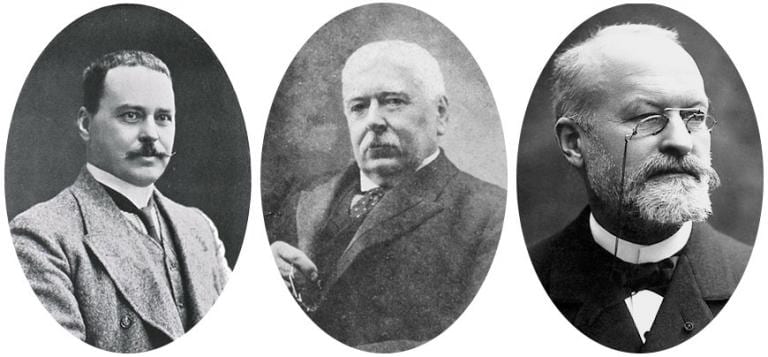
Gospel for Asia shares about Dr. Ronald Ross, Patrick Mason, Alphonse Laveran
From left to right: Dr. Ronald Ross, Patrick Mason, Alphonse Laveran

On August 20, 1897, in Secunderabad, Ross made his landmark discovery: the presence of the malaria parasite in humans carried by the bite of infected mosquitoes. (For obvious reasons, Ross was also the founder of World Mosquito Day.) Disease can’t be combated unless its source is identified, nor can it be optimally controlled. Certainly, without this knowledge, it can’t be eradicated. In 1902, Ronald Ross was awarded the Nobel Prize in Medicine.

Here again, through the bite of the mosquito, we see the collaborative effort that undergirds progress. Three doctors intrigued with conquering the morbidity of disease take painstaking efforts to prove their theories, and each one builds on the discoveries of the other, with eventual dramatic results.
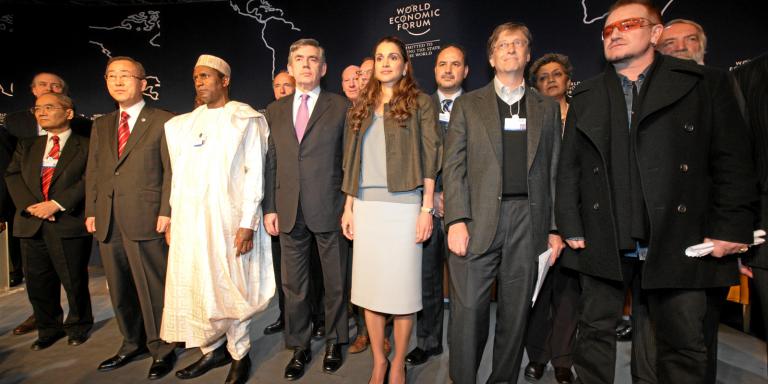
Gospel for Asia shares on Government leaders, among others, came together during the Annual Meeting 2008 of the World Economic Forum for the “Call to Action on the Millennium Development Goals.
Government leaders, among others, came together during the Annual Meeting 2008 of the World Economic Forum for the “Call to Action on the Millennium Development Goals.” Photo by World Economic Forum on Wikipedia / CC BY-SA 2.0

Change Involves Everyone

Progress is not possible without collaborative work. Statisticians, medical teams and universities, as well as local village training centers, governments of developing countries and local leadership in towns and cities must all work together. The job requires donations from wealthy donor nations as well as from national local budgets. We need the skills of technological gurus, engineers and the extraordinary capabilities of highly trained health care professionals and sociologists. In addition, we also need the involvement of those who care about the soul of humans and who have insisted, because their lives are driven and informed by a compassionate theology, that every human is made in the image of God.

Gospel for Asia (GFA), through its mosquito net distribution—and its many other ministries—stands central in the contemporary initiatives of health-based, community-centered, preventive health care.

Progress is not possible without collaborative work.

These are some of the strategic players who must all be involved, and stay involved, if the MDGs, now the Millennium Sustainable Development Goals, are to be reached.

This model of interactivity, whether present-day players realize it or not, intriguingly stems from a decades-old initiative stimulated by the World Council of Churches (WCC) in the last century, based in a carefully crafted theological understanding by the Christian Medical Commission (CMC), which concurrently and cooperatively developed the meaning of health that simultaneously contributed to the WHO’s significant 1978 Declaration of Alma-Ata. This resulted in a focus on primary care as a more just and egalitarian way to distribute resources in order to treat a larger proportion of the world’s population.
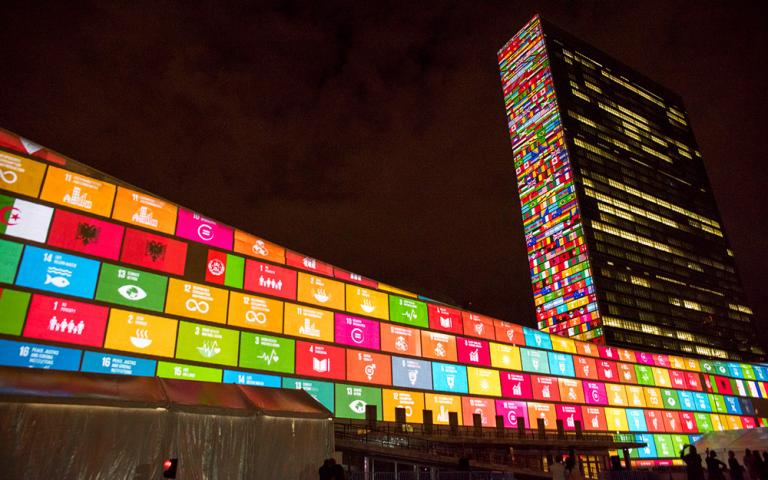
Gospel for Asia shares: The United Nations Building in New York in 2015, displaying the UN’s development goals and the flags of the 193 countries that agreed to them.
The United Nations Building in New York in 2015, displaying the UN’s development goals and the flags of the 193 countries that agreed to them. Photo by Amaral.andre on Wikipedia / CC BY-SA 4.0

This forgotten story needs to be resurrected because it demonstrates the power of intentional intersectoral cooperation between secular and religious health outreaches. It also exemplifies a more holistic redefinition of the meaning of health that has the potential to positively impact disease-ridden environments in the many populations that are generally minimally treated or completely untreated in developing countries. In a day when Western technologically centered medicine, driven by what some in health communities are starting to call the “industrial medical complex,” is beginning to wane in its understanding of the meaning of superior patient-centered care, this model needs to be adapted to what we think of as the more sophisticated treatment approaches in health care.

Our Friends, the Critics (Because Their Criticism Makes Us Think)

Let’s first take a quick look at what critics of faith-based medical outreaches have to say. Instead of delving into the academic literature, which though informative often provides a tedious plod through footnotes and specialized terminology, let’s look at the growing field of “opinion” journalism.

Brian Palmer
Brian Palmer Photo credit nrdc.org.

After the 2014 Ebola outbreak in Liberia, Africa, an article appeared in Slate Magazine by Brian Palmer, a journalist who covers science and medicine for the online magazine. This periodical represents an admittedly liberal perspective, and that bias, though the author attempts to play fair, is shown even in the headline to his report: In Medicine We Trust: Should we worry that so many of the doctors treating Ebola in Africa are missionaries?” Great lead line; it certainly caught the attention of my friends and colleagues who work in medical missions.

Palmer summarizes his basic critique in this paragraph: “There are a few legitimate reasons to question the missionary model, starting with the troubling lack of data in missionary medicine. When I write about medical issues, I usually spend hours scouring PubMed, a research publications database from the National Institutes of Health, for data to support my story. You can’t do that with missionary work, because few organizations produce the kind of rigorous, peer-reviewed data that is required in the age of evidence-based medicine.”

Although PubMed is a worthy venue for medical specialists as well as the generalist writing in the field—with some 5.3 million archived articles on medical and health-related topics—it alone may be a truncated resource for the kind of information that could have more richly framed this article. Interviews with at least a few boots-on-the-ground, living faith-based medical professionals who have given their lives to wrestling with the health care needs in countries far afield from Western medical resources, might also have been a better means of achieving a professional journalistic approach. In addition, there is a whole body of evidence-based research that a superficial treatment such as this did not access.

Gospel for Asia shares about Dr. Bill and Sharon Bieber
Dr. Bill and Sharon Bieber Photo credit Healing Lives.

Sharon Bieber of Medical Ambassadors International responds to the Slate article out of a lifetime of framing health care systems with her husband, Dr. Bill Bieber, in mostly underdeveloped nations in the world. It is important to note the Canadian government awarded these “medical missionary types” the Meritorious Service Medal—an award established by Her Majesty Queen Elizabeth II to be given to extraordinary people who make Canada proud—for their work of establishing the Calgary Urban Project Society. The Calgary Urban Project Society became the model across all Canada for helping those most in need (many of them homeless) by providing health care, education and housing—all this long before the concept of holistic treatment or an integrated approach engaging mind, body and spirit was part of the common literacy of health professionals. This, to be noted, was accomplished by the Biebers while on an extended furlough while their children finished high school—an interregnum before the two headed back to the South China Seas to fulfill their lifetime calling of working with national governments to establish primary health care systems along with improving tertiary systems in the countries where they landed.

Bieber writes, “Author Brian Palmer even queries the reliability of the mission doctors, who work in adverse and under-resourced conditions. The lack of trust seems to be justifiable, he infers, because they rarely publish their accomplishments in the ivory towers of academia! When they explain to patients they are motivated by the love of Jesus rather than financial gain, somehow that is ‘proselytizing.’ Would it be nobler, I wonder, if doctors were to tell them that the danger pay was good or that they desire adventure or fame? These are unproductive and unfounded arguments by critics who clearly have their own axes to grind, and at a time when the world crisis calls for everyone to roll up their sleeves and get to work in solving the problems facing us all.

“Surely the relief and development organizations that are out there in the world can come to the same conclusion on this one thing—everybody is needed in order to fight diseases such as Ebola, HIV/AIDS or tuberculosis; every agency has strengths that will add to the synergy of the whole. Whether faith-based, local and national government or secular NGO, all have been trained in similar techniques and scientific method. Collaboration is what is needed in order for groups that are stronger to support those that are less resourced to achieve a common goal.”
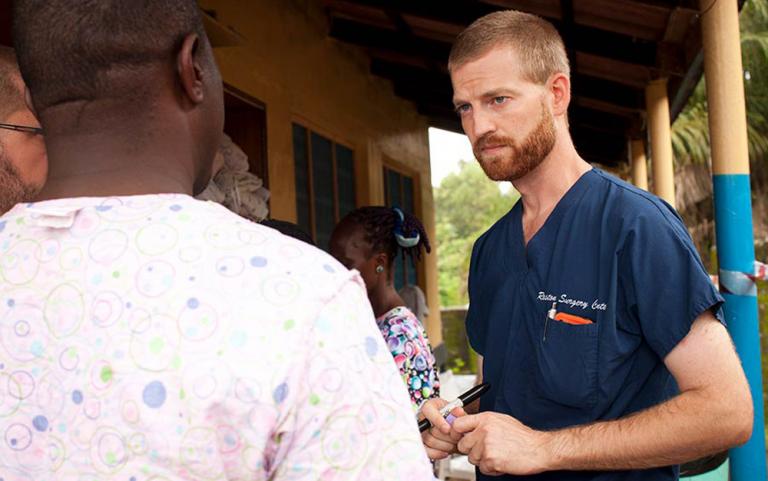
Gospel for Asia founded by Dr. K.P. Yohannan shares about Dr. Kent Brantly contracted Ebola while minstering in Liberia. He recovered and was featured on Time Magazine's cover, representing Ebola fighters—Time's "People of the Year."
Dr. Kent Brantly contracted Ebola while minstering in Liberia. He recovered and was featured on Time Magazine’s cover, representing Ebola fighters—Time’s “People of the Year.” Photo credit Facing Darkness

To be fair, the Slate journalist admits to being conflicted. After listing the flaws of medical mission approaches, Palmer writes, “And yet, truth be told, these valid critiques don’t fully explain my discomfort with missionary medicine. If we had thousands of secular doctors doing exactly the same work, I would probably excuse most of these flaws. ‘They’re doing work no one else will,’ I would say. ‘You can’t expect perfection.’ ”

At least he admits to bias. Knowing my share of medical missionaries, many of whom I consider truly heroic and who are radicalizing the health care systems of the countries in which they serve for the undeniable betterment of those societies, Palmer’s approach seems a tad unprofessional as far as journalism goes. He concludes, “As an atheist, I try to make choices based on evidence and reason. So until we’re finally ready to invest heavily in secular medicine for Africa, I suggest we stand aside and let God do His work.”

“Through partnership with faith organizations and the use of health promotion and disease-prevention sciences, we can form a mighty alliance to build strong, healthy, and productive communities.”

A deeper search in PubMed, driven admittedly by my own bias, led me to the excellent data-informed article utilizing research on the topic from both the scientific, theological and academic sectors by Jeff Levin, titled “Partnerships between the faith-based and medical sectors: Implications for preventive medicine and public health.”

Levin concludes with a quotation that complements his conclusion: “Former U.S. Surgeon General David Satcher, a widely revered public health leader, has made this very point: ‘Through partnership with faith organizations and the use of health promotion and disease-prevention sciences, we can form a mighty alliance to build strong, healthy, and productive communities.’ There is historical precedent for such an alliance, and informed by science and scholarship, it is in our best interest for this to continue and to flourish.”
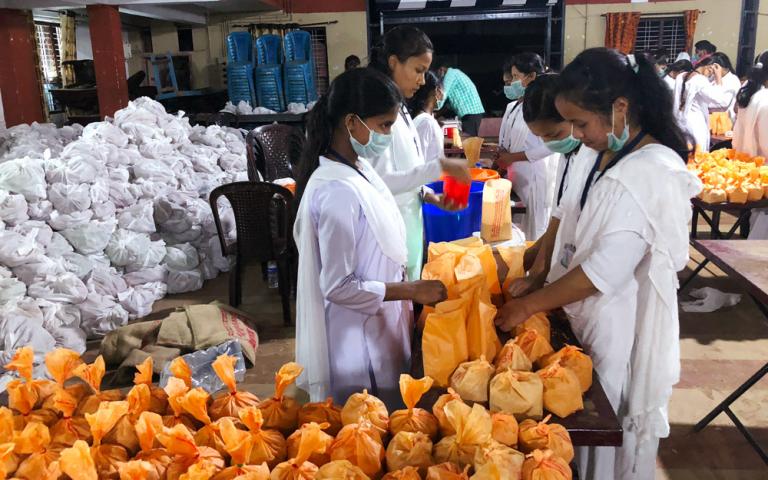
Gospel for Asia-supported workers (in a ministry (founded by Dr. K.p. Yohannan) assisted government relief efforts after the Kerala flooding in August 2018. Here they are assembling packages of food items and other essential supplies to distribute to flood victims.
Gospel for Asia (GFA)-supported workers assisted government relief efforts after the Kerala flooding in August 2018. Here they are assembling packages of food items and other essential supplies to distribute to flood victims.

How many of us in the faith-based sector have wrestled with the theological meaning of health? What is the history of the impact of faith (particularly Christian faith because that is the bias from which I write) on the ongoing movement of medicine in these modern centuries? Why does it matter?

I recently experienced a small snapshot of current industrialized medicine. Last year I underwent a hiatal repair laparoscopic surgery. The best I can ascertain from the Medicare summary notice, which included everything administered the day of the procedure through an overnight stay in the hospital for observation with a release the next day, was the bill.

In addition, I experienced watching a son die at age 41 (Jeremy, the son who accompanied me to Mexico, leaving behind a wife and three small children, then ages 6, 4 and six months), not only from a rare lymphoma that kept him in a superior hospital in Chicago for more than five months but also from the side effects and complications of the aggressive cancer treatments. This all has given me additional perspective on medical approaches.


It Takes Only One Mosquito — to lead to remarkable truths about faith-based organizations and world health: Part 1 | Part 3

2022-09-22T15:00:50+00:00

WILLS POINT, TX – Gospel for Asia (GFA World) founded by Dr. K.P. Yohannan, issues the third part of an extensive Special Report on Poverty: Public Enemy #1 – discussing extreme poverty worldwide, and how poverty reduction and poverty elimination is possible, but not inevitable.

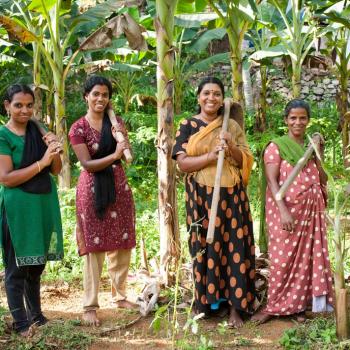
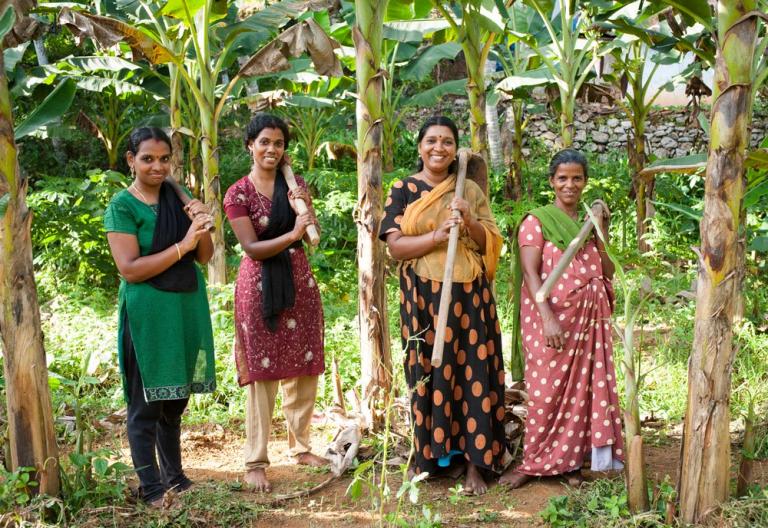
Poverty Reduction: These four women were provided micro-loans. They now work a piece of land together that they are renting with the loan.
These four women were provided micro-loans. They now work a piece of land together that they are renting with the loan.

This is Part 3 of a Three-Part Series on Poverty Reduction & Poverty Alleviation. Go here to read Part 1 and Part 2.

=====

The ‘Good Neighbor’ Phenomenon in Poverty Reduction

One reason microfinance may not always seem to be clearly beneficial is hinted at in a 2013 study of three programs in Namibia. It found the approach “playing a positive role in alleviating poverty amongst its members,” though it also noted that many participants who reported improved living standards said their income still wasn’t enough.

“This shows that income is not the only measurement of living standards,” the report observed. “The increase of members’ income also led to an increase in the number of household members that each member supports … an average member … supports at least three to four household members who depend on him or her for food, clothes and shelter, and, typically, each member supports three family members at school.”

This “good neighbor” phenomenon has been widely observed by those engaged in relief and development work—that as people start to climb out of poverty, they can often find themselves carrying others with them, in effect shortening their own strides to help others. For example, one person employed at a tourist lodge in Ethiopia “can lift up to 10 family members out of poverty,” reported the United Nations’ World Tourism Organization (WTO).

It’s an investment in a business but also in people.

Helping an individual to realize poverty reduction, whether by giving them training or tools or a loan, doesn’t only impact the recipient. It can also be good for those providing the resources, helping them realize they are making a dent in a big problem that might otherwise overwhelm them and keep them from action.

Literacy training helps equip women to succeed in society and experience poverty reduction.

For Corie, a Texas mother of three, providing resources for some of those in need through GFA’s Christmas Gift Catalog has been “a tangible way for my kids to see that Christmas is about more than presents.” They are helping incarnate God’s love through practical gifts that improve the recipients’ quality of life.

Brad Goode, a pastor in Florida, was drawn to making microloans through “the simplicity of the plan and the magnitude of the impact,” helping one young man in Honduras launch a potato chip company and another buy chickens to sell eggs.

“There are times to give handouts, but I think more often a hand up is the better path forward for everybody,” Brad comments. “I think it’s also human nature that if you work for something, you appreciate it more. For folks paying back these loans, there is an intangible pride and commitment that begins to shape the person and not just the outcome of making a few bucks. It’s an investment in a business but also in people.”

Ethical Consumption

Providing income-generating gifts, tools, training or small business loans are all ways of taking direct action to support poverty alleviation, but they are not the only things people in the West can do. We can move beyond being charitable givers to becoming ethical consumers, spending our everyday money in ways that can have an impact on poverty.

The fair trade movement has grown significantly over the past couple of decades. It is now a $9-billion-a-year enterprise, as shoppers buy everything from coffee and chocolate to clothes and gifts from suppliers who seek to help ensure “a living wage and living income for producers and workers.”

Women working on a fair-trade coffee farm. Photo by StumptownCoffee.com

Meanwhile, a growing number of big-name businesses are reviewing their global supply chain practices to ensure they are not supporting sweatshop conditions further down the line. The move is in part an effort to appeal to the rise of “conscientious consumers,” with a 2015 survey finding that 9 in 10 Millennials would switch brands to one associated with a more ethical cause. In another study, researchers discovered that supermarket sales of two coffees rose by 10 percent when they carried a Fair Trade label rather than a generic one.

Playing a part in eradicating poverty isn’t just the right thing for companies to do; it’s also good business.

“The world’s poor are now viewed as the largest untapped market on earth,” says The Borgen Project. “As people transition from barely surviving into being consumers of goods and products, U.S. companies gain new populations to which they can market their products.”

Innovative Startups Help in Poverty Reduction

Another way of investing in poverty alleviation is by supporting innovation startups. Kenyan Anthony Mutua Gofunded the development of his battery-charging shoes, earning an Africa Youth Award. A chip in the soles helps power mobile phones, which have been called “the most effective technological weapon against poverty” for connecting users to banking, health care, and education resources previously inaccessible.

Even taking a vacation can help with poverty alleviation in a small way if it is done thoughtfully, making tourism “a catalyst for positive change,” says the WTO. Because it is labor-intensive, tourism creates a lot of service jobs, which many times are more convenient, less demanding and safer for people living near resorts, according to the organization’s “Poverty Alleviation Through Tourism” report.

If the idea of making a dent in world poverty seems overwhelming, perhaps think instead of just trying to be a good neighbor to someone in difficult circumstances in another part of the world. Among the small steps you might make are these:

Forgo that special cup of coffee for a season and donate the money you save to an organization or charity involved in poverty-alleviation efforts.
Identify one long-term change you could make in your spending to free up money to support the ongoing work among the poor facilitated by Gospel for Asia (GFA) or other groups.
Educate yourself more about the economic, political, cultural and other issues that create and maintain inequality in some parts of the world.
Pray for the hearts of world leaders to be turned to the poor and for them to find the political and economic will to make decisions that undo structural and systematic obstacles to development.
“Adopt” a specific “neighbor nation” God puts on your heart on which to focus your prayers, advocacy and giving.

Small actions like these in the face of massive problems may seem insignificant, but they are not to God. In the story of the sheep and the goats (Matthew 25), Jesus said that anyone who helped someone who was thirsty or hungry or needing clothes was actually helping Him.

An $8 solar lantern won’t end poverty, concedes John Hatch, founder of microfinance lender and poverty reduction group FINCA International. But “it will give an ultra-poor family a real ‘lift,’ ” he says. “Children will be able to study longer. Households will be safer. Expensive kerosene costs can be redirected to other household needs. This lift can create new incentives for an ultra-poor family—to read, to work, to dream.”

Such has been the case for Bhrithi, a young Asian widow with two sons who struggled to get by selling vegetables from a mat at the side of the road. When the local authorities decided to widen the street and evict her, she had to find somewhere else to trade.

Her options were severely limited, until a Gospel for Asia (GFA)-supported pastor in the area decided she should receive a gift from the organization’s Christmas Gift Catalog—a $120 pull cart. That simple piece of equipment has proved to be invaluable.

“With the pull cart, I can travel around and sell onions and potatoes,” said Bhrithi, who was moved by the help she received. “Wherever I find a suitable place, I stand and sell. My earnings have also increased.”

The gift she received was simple, yet it equipped her enough to dramatically change her life. The problem of global poverty reduction is huge, but if we each do our part, we can change the world.


Poverty: Public Enemy #1 — Eliminating Extreme Poverty Worldwide is Possible, But Not Inevitable: Part 1 | Part 2

2022-09-22T21:27:08+00:00

WILLS POINT, TX – Gospel for Asia (GFA), founded by KP Yohannan, issues the first part of an extensive Special Report on extreme poverty worldwide, how poverty alleviation and elimination is possible, but it is not inevitable.

© UNICEF/UN0271230/Tremeau

If the modern world is truly a “global village,” that means everyone on earth is our neighbor—and Jesus was very clear about how we are to treat our neighbors. We have a responsibility to help them out of difficult circumstances.

While issues such as health care, education, the environment, equality for women and protection for endangered children are all major global concerns with their own particular challenges, they are also, in part, fueled by a common force: poverty.

In the United States, $1.90 is mere pocket change—the cost of a serving of wake-up java from your favorite coffee shop. But in other parts of the world, $1.90 represents a bitter cup as the official marker of extreme poverty—the daily income line below which too many struggles to eke out an existence.

Globally, around 736 million people are in this group, many of them children. Lacking adequate housing, hygiene, health care and education because they simply don’t have enough money, they pay a high price: disease, discrimination and, often, early death.

Indeed, poverty might well be viewed as the tip of a Titanic-like iceberg. According to The Borgen Project, poverty’s hidden impacts include:

  • “Almost 3 billion people with no access to toilets, and almost 1 billion lack clean drinking water.
  • “The poorest 20 percent of the world’s children twice as likely as the richest 20 percent to be stunted by poor nutrition and to die before their fifth birthday.
  • “2.7 million newborns worldwide die within their first month of life.
  • 161 million children do not attend primary school.”

With such a far-ranging impact, it is not surprising, then, that world leaders have declared poverty to be public enemy No. 1. Indeed, they have gone so far as to set a goal of eliminating extreme poverty by 2030. “No Poverty”—which would mean just 3 percent of the world’s population still left surviving on less than $1.90 a day—heads the list of the United Nations’ 17 Sustainable Development Goals, adopted in 2015.

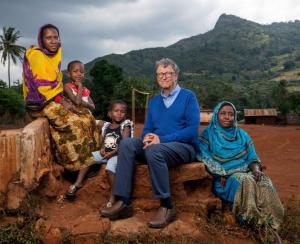
Bill Gates on a recent visit to Tanzania.
Photo by Jonathan Torgovnik for TIME

Lofty as that may seem, it’s not just wishful thinking. Software-billionaire-turned-philanthropist Bill Gates is among those who think the 2030 deadline is doable.

“We are confident that this is not only possible, but that we will see major breakthroughs along the way, which will provide unprecedented opportunities to people in poor countries,” Gates said. “Indeed, we think their lives will improve faster in the next 15 years than at any other time in history—and that their lives will improve more than anyone else’s.”

Gates’ optimism is based on some solid evidence. The good news is that the number of people below the poverty line has dropped significantly over the last three decades.

“Since 1990, nearly 1.1 billion people have lifted themselves out of extreme poverty,” says the World Bank. It notes that “in areas ranging from child survival to primary school enrollment, the improvements to people’s lives have advanced with a momentum that few could have imagined when the World Bank was founded more than 70 years ago.”

The trend is certainly going in the right direction. But that still leaves 1 in 10 of the world’s population—about the equivalent of every person living in Indianapolis—below that coffee-cup-poverty-zone indicator.

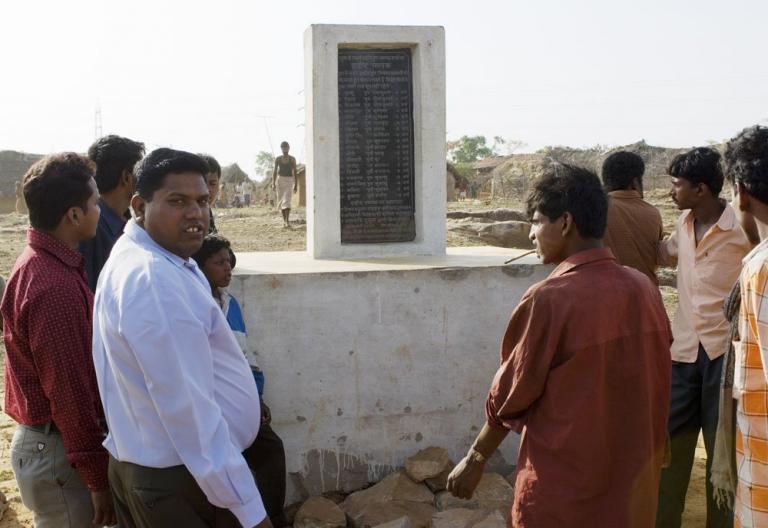
This plaque was erected in memory of 18 village children who died from starvation.

Extreme Poverty: Millions Are Still at Risk

According to the U.S. Agency for International Development, “Progress is heartening, but it is not enough.” Gates himself has cautioned that “while progress is possible, it is not inevitable. Success will require political will, global cooperation, and human ingenuity.”

Like the last stages of a marathon, finishing the task will prove the most difficult part of all. The remaining poorest of the poor will find it more difficult to help up and out of their circumstances because they are in parts of the world where extreme poverty is entrenched in an even more complex tangle of roots. Prejudice and inequality have long kept different groups economically disadvantaged, while natural disasters and wars only add to their problems.

Progress in the fight against global poverty can be tracked at the World Poverty Clock, whose graphics show the rate at which people are rising above the $1.90-a-day desperation line in different countries. Meanwhile, trackers at the Brookings Institution think tank warn that poverty is actually likely to rise in almost 30 countries over the next few years.

…While progress is possible, it is not inevitable. Success will require political will, global cooperation, and human ingenuity.

While the eradication of extreme poverty in parts of the developing world by 2030 is “ambitious, yet achievable,” according to World Bank, it is much less likely to be achieved in what a cautionary World Bank policy paper calls “fragile and conflict-affected countries (FCS)”—those wracked by war and natural disasters. Here, analysts anticipate a “32% poverty rate for fragile states by 2030 given current conditions and trends.”

They warn: “As the difference between the projected poverty rate for the FCS group as a whole and the 3 percent target suggests, most of the countries in the fragile country grouping, or at least enclaves of the poor within them, are at great risk of being ‘left behind’ with respect to the eradication target.”

These “chronically poor” are mainly found in South Asia—where Gospel for Asia (GFA) is widely active—and sub-Saharan Africa.
“Intensified efforts are required to boost the incomes, alleviate the suffering and build the resilience of those individuals still living in extreme poverty,” notes the World Bank soberly.

There may not be a more fitting time to assess what progress has been made in the war on poverty, and what still needs to be done, than now. 2018 marked the 70th anniversary of the signing of the Universal Declaration of Human Rights in Paris.

Excerpts from the

Universal Declaration of Human Rights

“the right to work, to free choice of employment, to just and favorable conditions of work…

“the right to just and favorable remuneration ensuring for himself and his family an existence worthy of human dignity…

“the right to a standard of living adequate for the health and well-being of himself and of his family, including food, clothing, housing and medical care and necessary social services, and the right to security in the event of unemployment, sickness, disability, widowhood, old age or other lack of livelihood in circumstances beyond his control.”

Achieving those goals, in part through eliminating poverty, will come at a price. Leading economist Jeffrey Sachs has calculated that ending extreme poverty worldwide would cost about $175 billion a year. Although that is certainly a hefty figure, it represents less than 1 percent of the combined income of the richest countries in the world—and it is less than a third of the nearly $700 billion spent during the 2017 Christmas holiday season in the United States alone.


Extreme Poverty: Public Enemy #1 — Eliminating Extreme Poverty Worldwide is Possible, But Not Inevitable: Part 2 | Part 3

This Special Report originally appeared on GFA.org.

Learn more about how the simple gift of an income-generating animal can be the turning point for an impoverished family—one their family has likely been desiring for generations, rescuing them from poverty.

Click here, to read more blogs on Patheos from Gospel for Asia.

Learn more about Gospel for Asia: Facebook | YouTube | Instagram | LinkedInSourceWatch | Integrity | Lawsuit Update | 5 Distinctives | 6 Remarkable Facts | 10 Milestones | Media Room | Poverty Solutions | Endorsements | 40th Anniversary | Lawsuit Response |
2022-08-17T14:51:48+00:00

WILLS POINT, TX – Gospel for Asia (GFA) issues an extensive Special Report on illiteracy, the dominant disabler to flourishing for millions around the world, and the miraculous potential of literacy that is able to change the lives of men, women and children for generations.

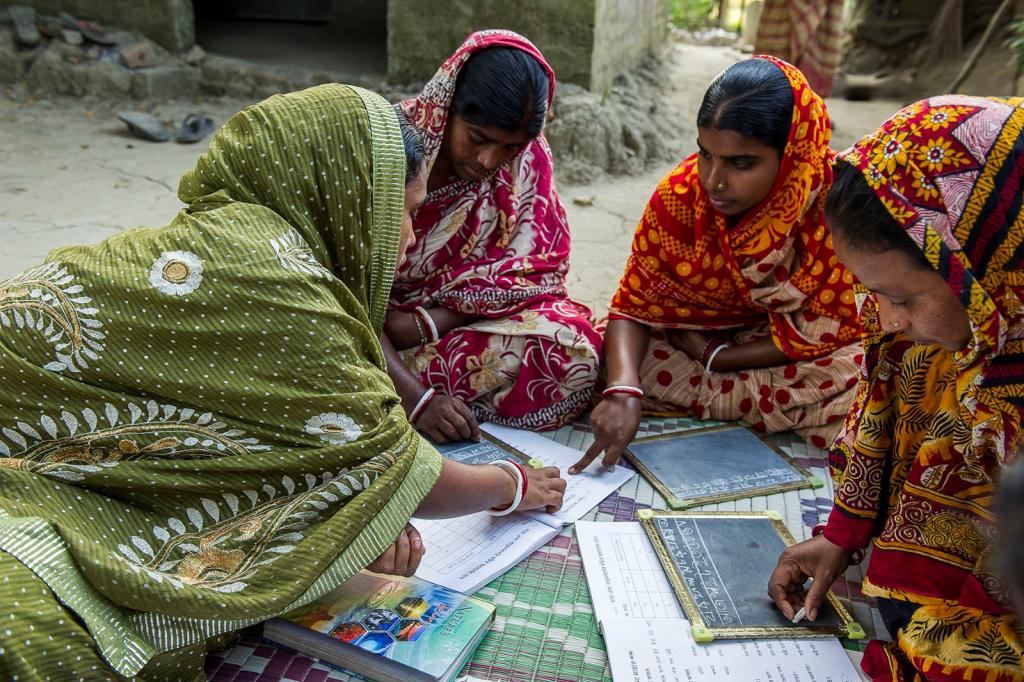
Gospel for Asia issues an extensive Special Report on illiteracy, the dominant disabler to flourishing for millions around the world, and the miraculous potential of literacy that is able to change the lives of men, women and children for generations.
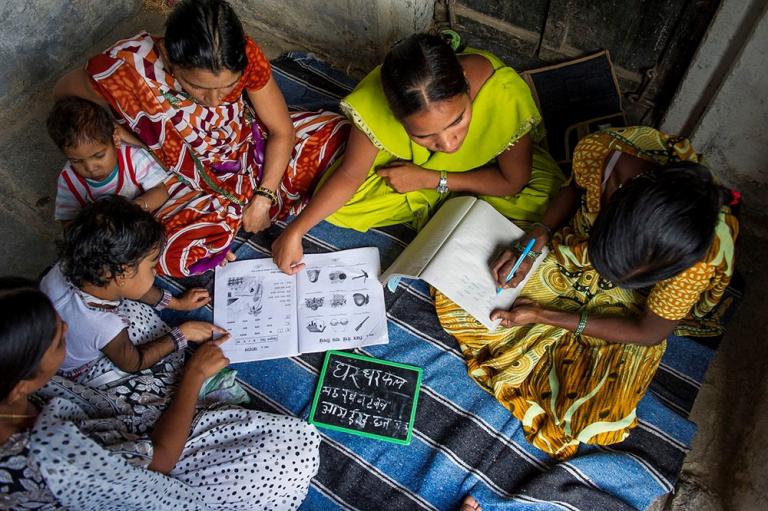
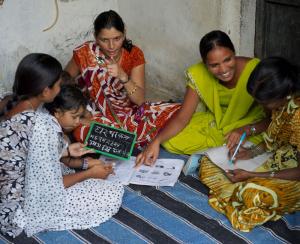
Sarada is teaching three women in a Gospel for Asia (GFA)-supported Women’s Literacy class. All statistical evidence shows that one individual who is given reading and writing skills greatly improves his/her chances of success. Increasing literacy of individuals also greatly enhances the society in which those people live.

Illiteracy in the United States

Perhaps it is easier to examine literacy and illiteracy through the lens of one country, the one many of us know best and consider one of the most literate in the world.

ProLiteracy, a nonprofit that champions the power of literacy to improve the lives of adults and their families, communities and societies in the United States (and around the world), views illiteracy mostly through the lens of those who are foreign-born residents. The Center for Applied Linguistics reports that in 2006, some 13 years ago, there were 37.5 million foreign-born residents, or 12.5 percent of the total U.S. population.

Since that data was collected, there has been a surge in states that aren’t normally considered high foreign population centers such as California, Texas, New York and Florida. The Center for Applied Linguistics also reports that since 2005, some 14 other states experienced a 30 percent greater increase in foreign-born residency.

36 million

adults in the U.S. cannot read, write, or do basic math above a third-grade level

They also state that the ESL (English as Second Language) population in the United States is diverse in terms of country of origin, education and individual language skills. In addition to Mexico and other Latin American countries, a growing number of non-native speakers of English come from China, the Philippines, India, Vietnam, Korea, Eastern Europe and African countries. Of these residents born outside the United States, 68 percent have a high school diploma in their native country or the U.S.

With all this in mind, consider these additional facts on adult literacy in the U.S.:

  • “36 million adults cannot read, write, or do basic math above a third-grade level.
  • “68 percent of programs are struggling with long student waiting lists, and less than 10 percent of adults in need are receiving services.
  • “Children whose parents have low literacy levels have a 72 percent chance of being at the lowest reading levels themselves. These children are more likely to get poor grades, display behavioral problems, have high absentee rates, repeat school years, or drop out.
  • “One in six young adults—more than 1.2 million—drop out of high school every year.
  • “2 million immigrants come to the U.S. each year, and about 50 percent of them lack high-school education and proficient English language skills
  • “Low literacy costs the U.S. $225 billion or more each year in non-productivity in the workforce, crime, and loss of tax revenue due to unemployment.
  • “43 percent of adults with lowest literacy levels live in poverty.
  • “$232 billion a year in health care costs is linked to low adult literacy skills.
  • “75 percent of state prison inmates did not complete high school or can be classified as low literate.”

According to the Barbara Bush Foundation for Family Literacy in the United States, research shows that the single greatest indicator of a child’s future success is the literacy level of his or her parents:

  • “A child from a highly educated family will experience 30 million more words by the age of three than a child from a low-literate home.
  • “Almost half of all children born to a mother lacking a high school diploma are not ready to start kindergarten.
  • “Students who do not read proficiently by the third grade are four times more likely to leave high school without a diploma.”

Literacy Efforts Around the World

The same results are evident in round-the-world data with many organizations working intensively to combat illiteracy. World Vision Ethiopia (WVE), for instance, is celebrating this year’s International Literacy Day with a campaign aimed at halting an alarming global trend: that of children graduating from primary school with reading deficiencies in their own mother tongue. Programs that emphasize reading proficiencies in five core reading skills are being implemented throughout 57 child-sponsorship Area Programs. Consequently, some 4,203 reading camps have been established across the Ethiopian nation. Nearly 1.5 million children are achieving reading and writing literacy in these camps; even more remarkable is that more than 15,000 youth are volunteering at these camps, helping serve not only children but also children’s parents.

Room to Read is a global non profit promoting literacy and girl’s education, which asserts that “when children are educated, they are healthier. Their job opportunities improve. For every year that they stay in school, their earnings increase by 10%. They are more civically engaged and less dependent on social welfare. They are more likely to educate their own children and break the cycle of generational poverty.”

Their ambitious goal is to invest in the lives of at least 15 million children by 2020.

Although challenges of global illiteracy and gender inequality in education and their repercussions are enormous, Room to Read feels they have the tools to eradicate them.

According to their website,

“Children in grade two in our Literacy Program in India, Laos and Nepal can read three times as many words per minute and correctly answer more than twice as many comprehension questions as their peers. More than 4,800 girls have graduated from our Girls’ Education Program, and 78 percent of our 2016 graduates enrolled in tertiary education or found employment within one year post-graduation.”

Book Aid International is a UK based charity that provided nearly 1.3 million books in 2018 to people in 25 countries in Africa, the Middle east, the Caribbean, and others locations around the world. They are focused on addressing illiteracy by getting books to people who need them most though “thriving partnerships with library services and NGO’s who make books available to their communities.”

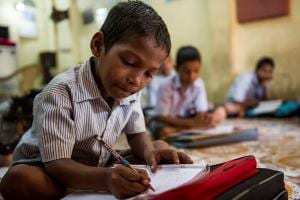
Shetal, an 8 year-old Bridge of Hope student, sits on the floor with his BOH book bag during the morning session. He attends from 9 to noon.

Recognizing that 1 out of 5 people in the world cannot read or write, the World Literacy Foundation is operating in over 80 countries worldwide to lift young people out of poverty through the power of literacy. Two mentionable projects they have in Australia alone include the Indigenous Learning App meant to close the literacy gap between indigenous and non-indigenous children, and the ROOP Project (Reading Out Of Poverty) designed to “enhance literacy skills and reading levels of children from low-income backgrounds. ”In The Enchanted Hour: The Miraculous Power of Reading Aloud in the Age of Distraction, author Meghan Cox Gurdon makes the point: “As we shall see, listening to stories while looking at pictures stimulates children’s deep brain networks, fostering their cognitive development. Further, the companionable experience of shared reading cultivates empathy, dramatically accelerates young children’s language acquisition and vaults them ahead of their peers when they get to school.”

After that premise, who wouldn’t want to read to their children or to their grandchildren or to their neighbor’s neglected kids on the block? But wait, according to Gurdon, there’s more.

“The rewards of early reading are astonishingly meaningful: toddlers who have lots of stories read to them turn into children who are more likely to enjoy strong relationships, sharper focus, and greater emotional resilience and self-mastery. The evidence has become so overwhelming that social scientists now consider read-aloud time one of the most important indicators of a child’s prospect in life.”

All well and good (and let’s admit it, also amazing), but what happens when the adults in a child’s life don’t read to them? What if they don’t read to their children because they can’t read? They can’t read books or newspapers or signs or legal documents or school papers or homework assignments or medical reports. Again: What if they don’t read to their children because they can’t read?

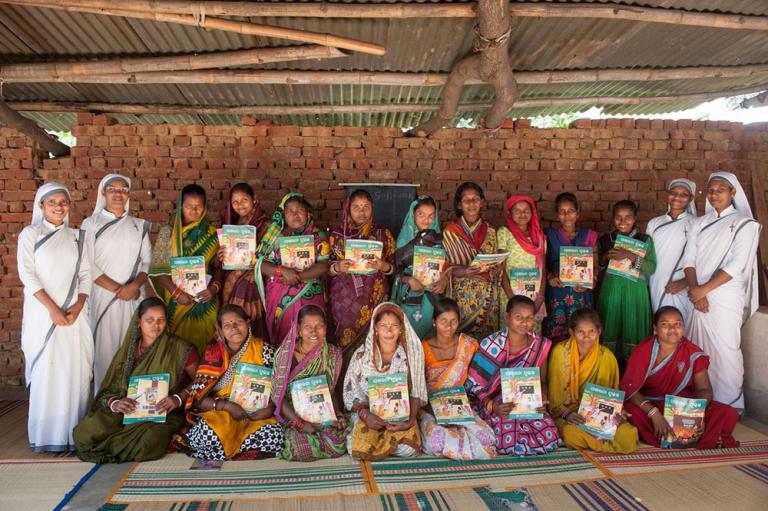
Gospel for Asia (GFA)-supported workers (like the Sisters of Compassion shown above) are helping to solve the literacy gap in Asia. In just one year, they taught 61,880 women how to read and write by providing free literacy classes. Many of those women had never had the opportunity to learn such a valuable skill because their families were either too poor to afford education or didn’t place importance on educating their daughters.

Solving the Literacy Gap

While searching for a significant role to champion while serving as First Lady of the United States, Barbara Bush decided that a whole society could be impacted for the better if enough folk were given the skills of literacy. There is less crime among the literate, more educational advancement and better opportunities for success. She not only started the Foundation for Family Literacy, but she pushed hard for the National Literacy Act, which was passed in 1991 while her husband was president.

Mostly, illiteracy is cured by an army of tutors. The opportunities to volunteer and serve to erase illiteracy (to spread the miracle of reading and writing) are numerous.

61,880

women were taught how to read and write, in one year, by GFA-supported workers

Gospel for Asia (GFA)-supported workers are helping to solve the literacy gap in Asia. In just one year, they taught 61,880 women how to read and write by providing free literacy classes. Many of those women had never had the opportunity to learn such a valuable skill because their families were either too poor to afford education or didn’t place importance on educating their daughters. But now, they—like Mandeepa—have experienced the “great miracle cure,” and their families are thriving because of it.

According to UNICEF, literacy rates have shown a positive trend in recent years, due to the multitude of programs and outreaches around the world to erase one of the root causes—if not the major root cause—of illiteracy, which would be a lack of educational systems.

GFA-supported Bridge of Hope centers put an ax to this root cause by providing impoverished children free educational help. Staff at these centers provide each student with the academic tools they need to excel in their studies. If they see a student struggling in a specific area, they take measures to help them learn and overcome their challenges.

Literacy rates among youth (aged 15 to 24) and adults are the test of an educational system, and the overall trend is positive, thanks to the expansion of educational opportunities,” reports UNICEF. “Globally, the youth literacy rate increased from 83 percent to 91 percent over two decades, while the number of illiterate youth declined from 170 million to 115 million. Regional and gender disparities persist, however. Literacy is lowest in least developed countries and higher among males than females. In the most recent years for which data are available, young women accounted for 59 percent of the total illiterate youth population.”

Personal Encounters with Illiteracy

I am an avid reader. It is nothing for me to go through some 35 books a month. Partly this is because of my writing profession; I am generally finishing a research deadline of some kind. The other part is that I just love to read. Reading has formed my character; exposed me to different kinds of thinking; enthralled me in the adventures of real and imaginary characters; improved my marriage and parenting capabilities; enhanced my housekeeping and gardening skills; and stimulated my intellectual, spiritual and psychological growth.

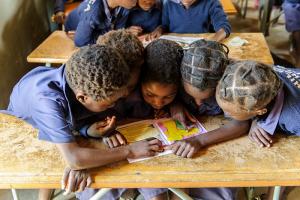
Zambia: Five desk mates share a book during a reading lesson in class. Although challenges of global illiteracy and gender inequality in education and their repercussions are enormous, non-profits like Room to Read feel confident they have the tools to address and eradicate illiteracy. Photo by Jason Mulikita, Room to Read

So in an attempt to have personal encounters with illiteracy, to develop an understanding I admittedly lack, I looked up literacy programs in my area for the purpose of considering what I, a solo person (who loves to read), could do to contribute to raising the literacy level of my hometown region, even if only by one or two individuals. I took a volunteer orientation class, an introductory evening of training to be followed by in-depth literacy tutor training this coming season. My $40 registration fee also bought the substantial workbook Teaching Adults: An ESL Resource Book, which I am reading. This, of course, deals with teaching those who are illiterate in writing and reading English. What gift could be more wonderful than coaching an eager English-language learner in the intricacies of speaking and writing English as a second language?

My husband and I live in the far western suburbs of Chicago. Our town is 52 percent non-white, mostly Hispanic. I can only relate to the immigrant experience of not knowing the language of an adopted country—e.g., not knowing how to read the road signs or the newspapers or the graphics that crawl across a television screen—by the times I have been plunged into a foreign culture overseas. Then I attempt to extrapolate those small and temporary situations into a lifetime of confusion due to the inability to read or write.

Obviously, knowing I would soon be returning home, or having a translator and guide shepherd me through the incomprehensible language and customs of a foreign country, renders these plunges only superficial. Due to our high Spanish-language speaking population, however, I run into literacy issues frequently enough—my own lack of Spanish-speaking facility as well as others’ lack of English comprehension. For instance, the name of the Lyft driver often sent to our door for a trip to the airport is Mariana. She makes sure we know she speaks “only little English.” I inevitably worry that she will take us to the wrong airport, but somehow, through a translation dispatcher system, we have so far been delivered to O’Hare or to Midway when needed.

While searching for a significant role to champion while serving as First Lady of the United States, Barbara Bush decided that a whole society could be impacted for the better if enough folk were given the skills of literacy. There is less crime among the literate, more educational advancement and better opportunities for success.

After my hairstylist’s departure to another state, I determined I would be part of the “new localism”—the grassroots effort of supporting the businesses and shops established by local entrepreneurs. “Oh, Lord,” I prayed. “Help me to find a decent stylist.” I walked into a hair salon in downtown West Chicago. There were five chairs and one person in the shop. “Do you cut hair?” I asked. “Si, si,” the woman responded. “Speak little English. Un pocito.”

“OK, OK,” I said, and signed an inch with my thumb and forefinger. “One inch off. All over.” Which is exactly what she did. She cut my hair one inch long all over my head. Without a doubt, it has been the easiest summer hairdo I have ever had. I wash it. Apply mousse. Then mess my hair up as it dries. No problem. But the experience gave me a baseline to imagine if every day and in every way these gaffes large and small would be part of the agony and effort of living. After time, one might just withdraw, choose silence, stop trying.


Literacy — One of the Great Miracle Cures: Part 1 | Part 3

This Special Report article originally appeared on GFA.org.

Learn more about the Women’s Literacy Program, and how you can help over 250 million women in Asia who are illiterate.

Click here, to read more blogs on Patheos from Gospel for Asia.

Learn more about Gospel for Asia: Facebook | YouTube | Instagram | Sourcewatch | Integrity | Lawsuit Update | 5 Distinctives | 6 Remarkable Facts | Media Room | Poverty Solutions | Endorsements | 40th Anniversary | Lawsuit Response |
2022-08-17T14:56:01+00:00

WILLS POINT, TX – Gospel for Asia (GFA) issues an extensive Special Report on illiteracy, the dominant disabler to flourishing for millions around the world, and the miraculous potential of literacy that is able to change the lives of men, women and children for generations.

Resolving the Limitations Illiteracy Places on the Human Spirit

Few of us who have read all our lives understand the nearly miraculous potential of being able to read and write when illiteracy has been the dominant disabler to flourishing. Illiteracy is more dominant than poverty, more dominant than a chronic physical disability, and more dominant than even an oppressive social system.

We readers have long lost the joy of discovering that the squiggly marks on a page of paper can be interpreted or that the same kinds of marks can be learned and replicated with chalk, ink, pen or pencil. We don’t understand because we read and write and often take for granted the treacherous limitations illiteracy places on the human spirit as well as on human potential.

Perhaps one story from Gospel for Asia (GFA) will help us again remember the wonder of our own unrecognized reading and writing capacities. This is about Mandeepa.

This is Mandeepa. Her widowed mother was too poor to send her to school when she was younger, so she grew up illiterate. After she learned of God’s love as a teenager, she deeply desired to read God’s Word, but she couldn’t read or write.

Due to the early death of her father, Mandeepa and her five other siblings were raised by a struggling mother. None of these six children were able to attend school, and at the age of 13, Mandeepa started to work as a household maid to support her single parent. Eventually, as is frequently the case, a marriage was arranged for Mandeepa, which quickly produced a son and a daughter.

At the age of 16, Mandeepa started attending a local church where the young woman received a Bible of her own—but having never learned to read and write, she, of course, only saw strange markings on the page. Her heart was filled with a longing to read the words and to learn more about the Heavenly Father the book taught about, but this was impossible, and the young woman was disconsolate.

Mandeepa’s husband was also illiterate. Their daughter was fortunate to attend school, but her growing ability to read only pointed out the lack in her mother’s education. How Mandeepa wished she could help her daughter with her schoolwork. This parental lack only increased the woman’s desire to read and write like her children.

Then the Gospel for Asia (GFA)-supported Women’s Fellowship at her church-initiated literacy learning classes.

Mandeepa was now 32 years old, and after a year of study, she could finally read the Bible she had received 16 long years before. One of the first things she did when this “great miracle cure” began to have effect on her, banishing the shame and frustration of ignorance caused by lack of education, was to memorize John 14:15: “If you love Me, keep my commandments.”

Gospel for Asia points out that there are more than 250 million women in Asia today who are illiterate. It’s impossible for them to help their children with schoolwork. In addition, the instructions on medicine bottles, road signs, notices from the government and legal papers are all indecipherable— and this in a society that is increasingly dependent upon the written word. Those who desire to read God’s Word can’t do so. Technology can’t be accessed unless a user is highly literate. One must be able to spell, to read commands, to type letters that form words if the digital world is to be accessed.

Illiteracy is more dominant than poverty,
more dominant than a chronic physical disability,
and more dominant than even an oppressive social system.

Illiteracy is a kind of intellectual limbo, and no matter how naturally intelligent a person might be, the very descriptor “illiterate” indicates inferior mental capability.

Worldwide, entire villages with increasing levels of literacy are making social and economic gains when even just a small percentage of the villagers learn to read and write. Much data (a preponderance of which is examined under the general category of education) gives good cause to make the assumption that learning to read and write is one of the “great miracle cures.”

UNESCO does a thorough job of establishing the difficulty of conducting evidence- based data gathering as to the specific impact of literacy on individuals and communities, but it makes a broad generalization by stating in one article, “The ‘multiplier effect’ of literacy empowers people, enables them to participate fully in society and contributes to improve livelihoods. Literacy is also a driver for sustainable development in that it enables greater participation in the labour market; improved child and family health and nutrition; reduces poverty and expands life opportunities.”

Asia: Manju is teaching several women how to read and write in a literacy class hosted in the women’s house in 2011. Illiteracy is often cured by an army of tutors like this. Opportunities to volunteer and serve to erase illiteracy, and spread the miracle of reading and writing, are numerous.

Why Is Literacy a Great Miracle Cure?

Hopefully, this article will inspire the reader about participating in some way in the joy of giving the gifts of reading and writing to other humans. The outcomes of such literacy initiatives are far beyond the investment of a few hours on the part of a tutor or of a volunteer week or some summer months overseas dedicated to literacy training and teaching. It is well worth considering teaching others how to read and write, or attending discussion groups at the local library where ESL (English as Second Language) learners are expanding their conversational skills, or volunteering with any of a multitude of organizations that welcome short-term teachers who are able to travel overseas. The opportunities for working literacy miracles are many and far-reaching.

Volunteering with NGOs (non-governmental organizations) overseas is, indeed, not only beneficial to individual learners who with literacy skills can obtain higher-paying jobs above menial labor and have the means to educate their own children, but also to whole villages and countries where the literacy aggregate continues to grow, or what has been referred to above as “the multiplier effect.”

250 million

women in Asia today are illiterate

All statistical evidence shows that one individual who is given reading and writing skills greatly improves his/her chances of success. Increasing literacy of individuals also greatly enhances the society in which those people live. A study conducted in Charleston, North Carolina, determined that “illiteracy is a multifaceted social equity and justice problem that results in less job opportunities and low income, often poverty.”

The reporting continues to explain that employers are often careful not to allow low-skilled workers to work more than 30 hours at minimum wage, because hours accrued above this level must provide workers with benefits and paid time off. This limit means poverty or near-poverty for a certain demographic of workers, which then sets in motion the need for community government to provide welfare assistance. The Trident Literary Association of Charleston, South Carolina, notes that food and medical assistance are often necessary when someone lives below the poverty line, especially if children are present:

“Letting our people live in poverty can cost the Charleston community over $15,000 for ONE adult for only ONE year. This does not count the cost of any children each adult may have. When over 86,000 adults in the tri-county area don’t have a high school diploma or a GED, the community could incur costs of up to $1.3 BILLION in public assistance to help those people survive.”

If this is true in a mostly literate community, how does illiteracy impact countries with large demographics of people who can neither read or write? The consensus across the data is that illiteracy interferes with the flourishing of citizens within a community.

The Literacy Foundation, located in Quebec, lists:

Specific negative incomes of illiteracy on both individuals and society. For individuals, the impacts include:

  • “A limited ability to obtain and understand essential information;
  • “An unemployment rate two to four times higher among those with little schooling compared to those with bachelor’s degrees;
  • “Lower income;
  • “Lower-quality jobs;
  • “Precarious financial position;
  • “Little value given to education and reading within the family, often leading to intergenerational transmission of illiteracy;
  • “Low self-esteem, which can lead to isolation;
  • “More workplace accidents, longer recovery times and more misuse of medications due to not understanding health care resources and procedures.”

And for a community whose citizens have a high illiteracy rate, societal impacts include:

  • “Since literacy is essential for individuals and states to be competitive in the new global knowledge economy, many positions remain vacant for lack of adequately trained personnel;
  • “The higher the proportion of adults with low literacy proficiency, the slower the overall long-term GDP growth rate is;
  • “Difficulty understanding societal issues lowers the level of community involvement and civic participation.”

Defining Literacy

Like many topics, the meaning of literacy has nuances: Someone might say they are illiterate about opera, meaning they are uninformed, uninterested or unexposed to this art form. The same implications could be attributed to a person who is “illiterate” about immigration. At its most elemental level, however, to be illiterate means that a person cannot read or write or can only decipher words in a minimal way. Literacy Advance says the definition is even more complex:

“Literacy is the ability to read, write, speak and listen, and use numeracy and technology, at a level that enables people to express and understand ideas and opinions, to make decisions and solve problems, to achieve their goals, and to participate fully in their community and in wider society.”

Illiteracy is most prevalent in developing countries. South Asian, Arab and Sub- Saharan African countries are regions with the highest illiteracy rates at about 40 to 50 percent. East Asia and Latin America have illiteracy rates in the 10–15 percent region, while developed countries have illiteracy rates of a few percent.

Within ethnically homogenous regions, literacy rates can vary widely from country or region to region. This often coincides with the region’s wealth or urbanization, though many factors play a role.

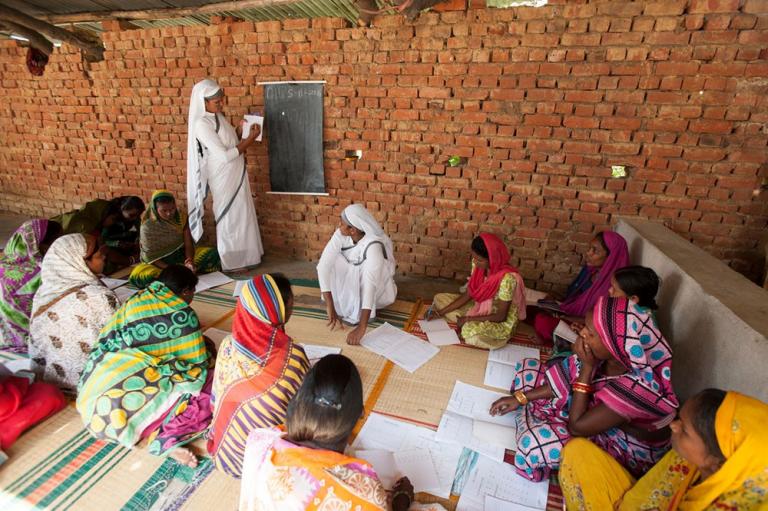
Odisha, India: Thirty-five ladies gather for a Gospel for Asia (GFA)-supported women’s literacy class three days a week. The class takes place Monday through Wednesday. Once they achieve their goal in teaching these ladies how to read and write, the Sisters of Compassion will begin another Adult Literacy Class elsewhere in the neighborhood.

Literacy — One of the Great Miracle Cures: Part 2 | Part 3

This Special Report article originally appeared on GFA.org.

Learn more about the Women’s Literacy Program, and how you can help over 250 million women in Asia who are illiterate.

Click here, to read more blogs on Patheos from Gospel for Asia.

Learn more about Gospel for Asia: Facebook | YouTube | Instagram | Sourcewatch | Integrity | Lawsuit Update | 5 Distinctives | 6 Remarkable Facts | Media Room | Poverty Solutions | Endorsements | 40th Anniversary | Lawsuit Response |
2022-11-26T18:52:27+00:00

WILLS POINT, TX – Gospel for Asia (GFA) Special Report on forced child labor today: Millions of Children Trapped between Extreme Poverty and the Profits of Others

New Developments to End Forced Child Labor

Supply Chain Enforcement

If this special report accomplishes nothing else, even though it is just the tip of the proverbial iceberg, it should make readers aware that every effort to eradicate child labor has failed. That is substantially the reason for the title being “Child Labor: Not Gone but Forgotten.”

Despite consistent failures, new proposals continue to be set forth. The two most recent propose supply chain management solutions.

A number of countries that are major importers, including the United States, have launched campaigns that place the onus on prohibiting the importation of products that have been produced using child labor and all forms of forced labor or debt bondage. The U.S. program is operated under the auspices of the U.S. Immigration and Customs Enforcement (ICE) Homeland Security Investigations (HSI) Forced Labor Program.

The results of the program thus far indicate that in FY 2017, ICE:

  • Spent $12,682,597 investigating cases of international forced child labor.
  • Spent $16,660,000 investigating cases of domestic forced child labor.
  • Made 150 domestic and 66 international arrests related to forced child labor.
  • Obtained 120 domestic and two international indictments related to forced child labor.
  • Obtained 73 domestic and no international convictions related to forced child labor.
  • Seized a total of $626,327 in assets from domestic and international investigations on forced child labor.

You do the math. Is there any better way to spend nearly $30 million to aid the cause of child labor?

Blockchain Enforcement

In an effort to combat forced labor, major corporations, including IBM, Ford and Coca Cola, are advocating the use of the current poster child of rapidly evolving technology: blockchain. It is a potentially effective means of ensuring that the products they market do not include child labor or any kind of forced labor from the beginning to the end of the entire supply chain process.

Blockchain proposes to be a secure and accurate digital ledger for recording assets, how and where they were obtained, and by whom.

Theoretically, companies would refuse to purchase from suppliers at any point in the supply chain who use child labor. All assets, locations and employees would be required to be “tagged” so they could be identified as a legitimate part of the supply chain. Miners like Lukasa and indentured fishermen like James Kofi Annan would not be able to work because they would not be registered in the blockchain.

Products sourced from conflict zones or that were created using child labor would not be able to enter the global market.

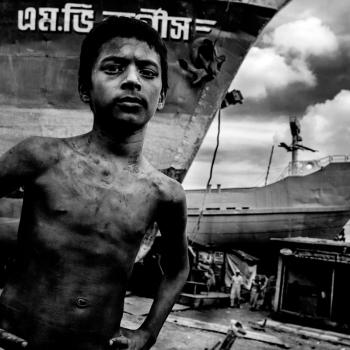
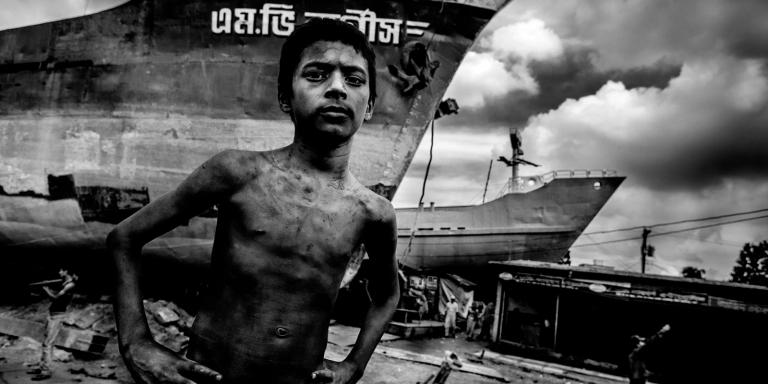
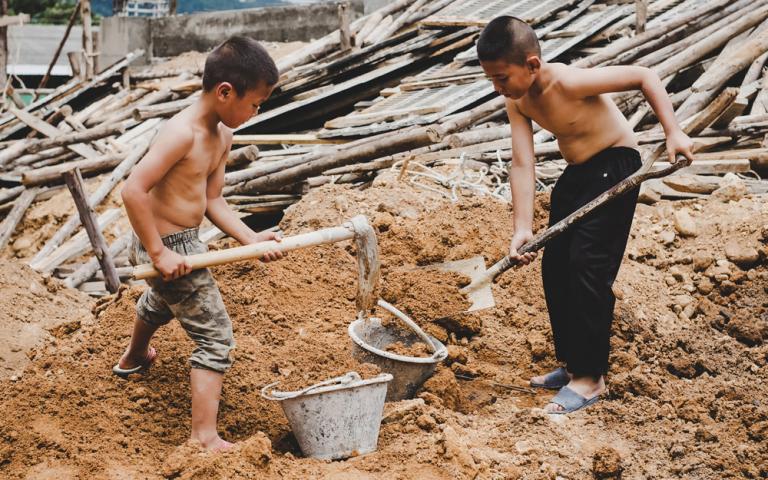
Exhausted and broken, these children carry the weight of the world on their shoulders. Already, more than 152 million children worldwide have exchanged their futures for only a few dollars, and more join them every day. Enslaved in forced labor with no hope of a better future is no way for a child to live. CC BY-NC-ND 3.0 IGO / © ILO/Joseph Fortin

What Can We Do About Child Labor?

The answer to that question will depend upon who answers it. Well-meaning individuals from the philosophical to the practical will take positions on both sides of the argument of whether or not the practice of child labor can be eradicated. Even the philosophical and the practical will be divided in their opinions.

One thing we do know is that nothing has succeeded thus far. That does not bode well for future success.

But this report does not propose the eradication of child labor. Rather, it is intended to draw readers’ attention to its continuing existence. The issue of child labor is a Gordian Knot, the size of which cannot be cut even with the sword of Alexander the Great.

“…Inasmuch as you did it to one of the least of these My brethren, you did it to Me..” —Matthew 25:40

The problem of child labor is inexorably linked to the poverty that enslaves nearly half the world’s entire population. We must take God at His Word; Jesus reminded His disciples that there will always be people living in poverty (see John 12:8). When Jesus referred to the poor, He used a word that specifically describes people who are destitute, helpless and powerless.

Three billion people in the world live on less than the equivalent of $2.50 USD per day. More than 84 percent of those living in Sub-Saharan Africa live on less than $5.50 per day.

3 billion

people live on less than $2.50 USD per day

While various and sundry organizations and institutions attempt to solve the child labor problem, the church’s task remains what it has always been: Be the hands and feet of Jesus to “the least of these” (see Matthew 25:40).

The Lord never called us to eradicate either child labor or poverty. He will do that someday when He returns to earth to rule and reign. In the meantime, we are called to serve.

Ours is not a race to eradicate child labor. It is a journey to provide and care for those who are relegated to the lowest positions in life. Relentlessly ministering to the needs of “the least of these” is visible evidence of the love and grace of God in action.

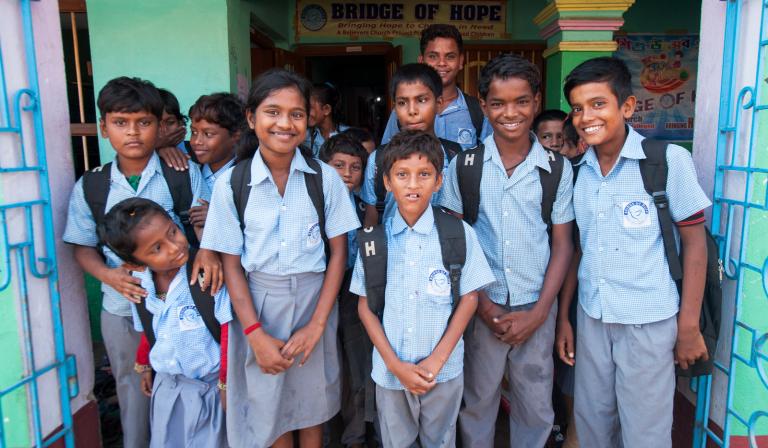
These GFA-supported Bridge of Hope students are getting ready to begin class after breaking for lunch. As children’s lives are transformed in Bridge of Hope, they bring new aspirations and knowledge home with them, and their families benefit as a result. Even beyond this, GFA’s Bridge of Hope program does much to uplift the communities it serves.

God’s Grace in Action at Gospel for Asia

For 40 years, the singular focus of Gospel for Asia (GFA) has been “to take the love of Christ to people who have never heard His name before.”

We must understand that Jesus looked upon people with such compassion that He made the lame to walk again and caused the blind to see. He didn’t just tell them that He loved them; He demonstrated His love in ways that changed their lives.

Representing Christ on earth requires that we demonstrate the same love and compassion that He did while He was here.

We are, from a heavenly perspective, blessed to be able to feed the hungry, tend to the sick and give a cup of cold water to the thirsty in Jesus’ name. These are people who know they have great needs. The Lord has granted us the high honor to love them and to serve them as His representatives. As He came to us as the “express image” of God the Father, so should we reach out to others in the express image of Jesus Christ (see Hebrews 1:3).

Poverty Alleviation

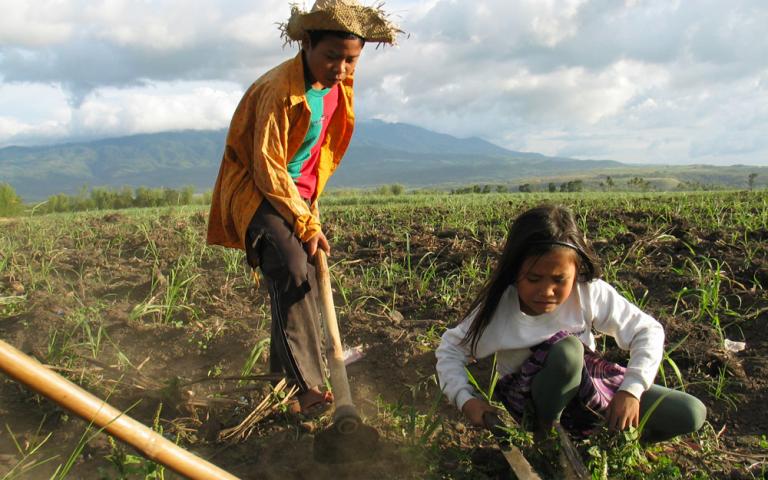
Poverty, as we have shown, is at the root of the child labor problem. Regardless of any other peripheral factors, poverty is always the driving force behind either willing or forced child labor. Therefore, much of Gospel for Asia’s work among the people of South Asia is related to rescuing families from the clutches of poverty.

Literacy and Vocational Education

The inability to read and write is a major hindrance that, unless addressed, becomes a generational curse. Illiterate people lack essential tools needed to rise above a subsistence-level existence. Furthermore, illiteracy leaves people in a position where others can easily take advantage of their situation, including entrapping them and their children in bonded labor.

Gospel for Asia’s field partners host literacy classes and vocational training classes for adults and youth, equipping them with skills that can break them out of the cycle of poverty. Gospel for Asia (GFA)-supported workers guide class members through an understanding of basic entrepreneurial skills to empower them to create a better future for themselves. In addition, gifts such as sewing machines, fishing nets and rickshaws are just a few of the income-generating resources distributed among families who are in dire need of an income.

Farm Animals

Gospel for Asia (GFA) sponsors around the world give generously to provide farm animals for families in rural Asian villages. Chickens, goats, and cattle produce products like eggs, milk and meat, which can be sold for a good price or used to feed the family. Breeding the animals also allows the owners to expand their businesses, continually increasing their incomes to better serve their families.

Jesus Wells

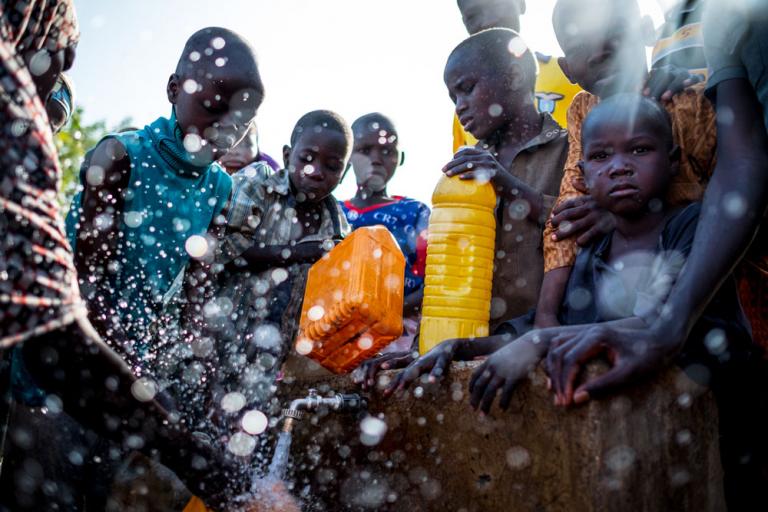
Clean water is taken for granted by Westerners. However, in Africa and South Asia, women and children spend hours fetching water —not from a faucet, but from a ground source several hours away. In some cases, they must make the journey multiple times each day in order to meet their family’s needs.

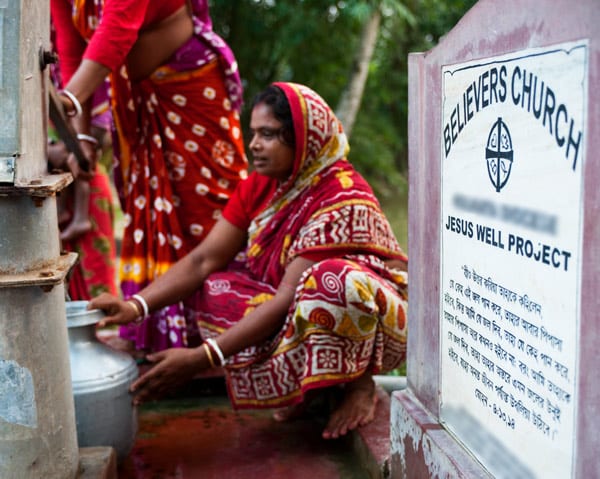
By installing and maintaining Jesus Wells within poverty-stricken villages and communities, Gospel for Asia (GFA) provides a source of free clean water that can supply as many as 300 people with clean water for up to 20 years.

Not only do these people now have clean water, but it is also readily accessible. The women who fetched the water gain up to six hours a day that can now be used to obtain literacy and vocational training or to tend to their homes and children.

Bridge of Hope Centers

Children who formerly had to fetch water are now able to attend school, thereby avoiding the illiteracy and vocational poverty their parents and grandparents had suffered.

Enrollment in Gospel for Asia (GFA)-supported Bridge of Hope centers is offered freely to children whose parents commit to keeping their children in school. The Bridge of Hope Program is a continuation of the school day, in which the children received enhanced and advanced training.

GFA’s Bridge of Hope Program provides backpacks and school supplies, relieving students’ parents of the pressure of those expenses. Children also receive a nutritious meal each day and free health checkups. As they experience holistic growth through the program, students gain a vision for a life away from the cheap labor in brick kilns and factories—and they are equipped to fulfill that vision.

God’s Grace in Action Through You

None of Gospel for Asia’s efforts to free families from poverty and their children from child labor would be possible without people like you. The prayers and financial support of Gospel for Asia (GFA) friends drill wells; open Bridge of Hope centers; pay for literacy classes, vocational training and farm animals; and equip all of the ministries of national missionaries who are sharing Christ’s love through practical ways that change lives both now and for eternity.

We may never end child labor, but we must never forget it or those working to combat it—and we must remain relentless in being the only Jesus some will ever see.


Child Labor: Not Gone, but Forgotten: Part 1 | Part 2

Source: Gospel for Asia Special Report, Child Labor: Not Gone, but Forgotten

Learn more about the children who find themselves discarded, orphaned and abused, and the home and hope that they can be given through agencies like Gospel for Asia.

Click here, to read more blogs on Patheos from Gospel for Asia.

Learn more about Gospel for Asia: Facebook | YouTube | Instagram | Sourcewatch | Integrity | Lawsuit Update | 5 Distinctives | 6 Remarkable Facts | Media Room | Poverty Solutions | Endorsements | 40th Anniversary | Lawsuit Response |
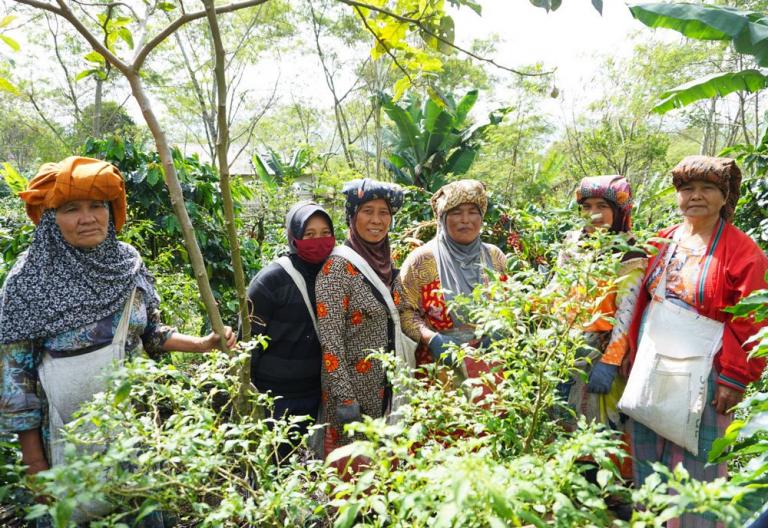
2022-11-26T19:01:18+00:00

WILLS POINT, TX – Gospel for Asia (GFA) issues a Special Report regarding child labor today: Millions of Children Trapped between Extreme Poverty and the Profits of Others

It's important to see child labor's prevalence to gain a realistic perspective on how pervasive it is. We need to understand the definitions of child labor.

In a report written by Lee Tucker, a consultant to Human Rights Watch, about the problem of bonded labor in Asia, a young girl shared,

“My sister is 10 years old. Every morning at 7:00 she goes to the bonded-labor man, and every night at 9:00 she comes home. He treats her badly. He hits her if he thinks she is working slowly, or if she talks to the other children, he yells at her. He comes looking for her if she is sick and cannot go to work. I feel this is very difficult for her.

“I don’t care about school or playing. I don’t care about any of that. All I want is to bring my sister home from the bonded-labor man. For 600 rupees I can bring her home. That is our only chance to get her back.

“We don’t have 600 rupees … we will never have 600 rupees [the equivalent of U.S. $17 at the time of writing].”

Global Overview of Child Labor Today

These girls’ story is heart-breaking.

It is unthinkable that a child would be subject to such mistreatment.

It is deplorable that stories like this are all too common among the most poverty-stricken portions of the world.

It is beyond despicable that an estimated 218 million children as young as 5 years old are employed, and that at least 152 million are in forced child labor, according to basic facts about child labor published by the Child labor Coalition.

The facts also reveal several other startling realities about child labor. Among them:

If the 218 million child laborers constituted a country of their own, it would be the fifth largest country in the world, exceeded in population only by China, India, the United States and Indonesia.

Top ten worst countries for child labor

as listed by the Maplecroft Child labor Index4
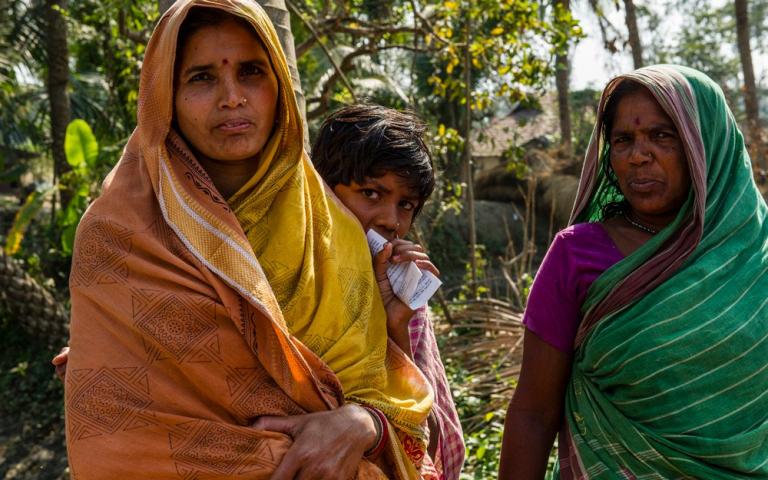
1
BANGLADESH
garment factories, farming, manufacturing

2
CHAD
agriculture, military

3
THE DEMOCRATIC REPUBLIC OF THE CONGO
mining, agriculture, industry, military

4
ETHIOPIA
mining, vending, shoe shining

5
INDIA
mining, agriculture, garment factories

6
LIBERIA
hazardous farming conditions

7
MYANMAR
agriculture, construction, small-scale industry

8
NIGERIA
agriculture, street begging, mining, construction

9
PAKISTAN
agriculture, garbage scavenging, carpet weaving, coal mining, brick kilns

10
SOMALIA
fishing, threshing, construction, hawking, begging

The International Labor Organization (ILO) maintains a limited list of National Child labor Survey Reports, Baseline Survey Reports, Rapid Assessment Reports and Micro-Data Sets for a variety of countries taken over the past 20 years—some as recent as 2018.

Although some participation in child labor can be quantified—such as in Nigeria where more than 15 million children are estimated to be child laborers—one of the overriding problems with looking at the issue from a global or even a national level is that it is generally agreed “that census data is likely to underestimate the scale of child labor.”

In areas where national regulations mandate education for children within certain age ranges, the threat of legal consequences likely deters complete reporting of child labor. Census data typically only includes children living within a family household. Children who are orphaned, or living on the streets may go undetected, even when it is those children who may be in greatest danger of child labor. It is, therefore, expected that the occurrence of child labor is higher than reports reveal.

These young boys, deprived of their childhood and forced into child labor, are working hard on a commercial building structure.

What Is a Good Definition of Child Labor?

It is important to recognize the prevalence of child labor in order to gain a realistic perspective on how pervasive it is. We need to understand the generally accepted definitions of child labor. Only then can we comprehend the often-irreparable physical and emotional damage inflicted on children, both presently and in their future.

Some child labor is innocuous and, in fact, may generally be regarded as positive. The International Labor Organization recognizes that activities such as doing chores around the home, “assisting in a family business or earning pocket money outside school hours and during school holidays” can “contribute to children’s development and… provide them with skills and experience… that prepare them to be productive members of society during their adult life.” Therefore, these activities are not officially considered to be child labor.

Child labor is “work that deprives children of their childhood, their potential and their dignity, and that is harmful to physical and mental development.”

The ILO further defines child labor as “work that deprives children of their childhood, their potential and their dignity, and that is harmful to physical and mental development.”

International law divides child labor into three categories:

The unconditional worst forms of child labor… defined as slavery, trafficking, debt bondage and other forms of forced labor, forced recruitment of children for use in armed conflict, prostitution and pornography, and illicit activities.

“Labor performed by a child who is under the minimum age specified for that kind of work (as defined by national legislation, in accordance with accepted international standards), and that is thus likely to impede the child’s education and full development.
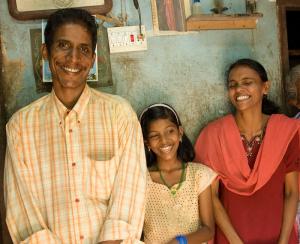
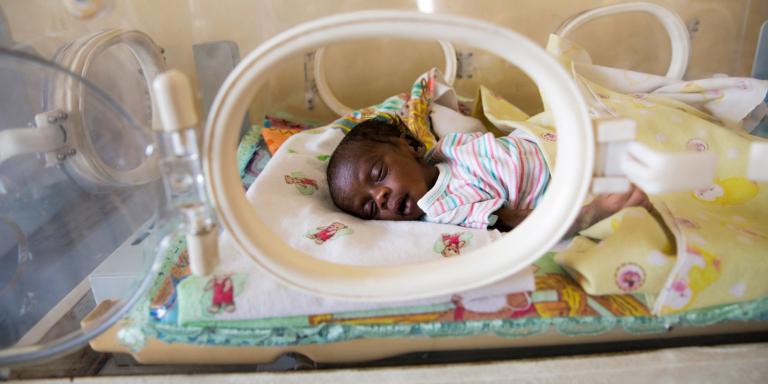
“Labor that jeopardizes the physical, mental or moral well-being of a child, either because of its nature or because of the conditions in which it is carried out, known as ‘hazardous work.’ ”

Notwithstanding a few reasonable exceptions, the ILO Convention Concerning Minimum Age for Admission to Employment (C138) adopted in 1973 states that:

“Each Member which ratifies this Convention shall specify…a minimum age for admission to employment or work within its territory [that] no one under that age shall be admitted to employment or work in any occupation. …The minimum age specified…shall not be less than the age of completion of compulsory schooling and, in any case, shall not be less than 15 years.”

Similarly, ILO Convention 182 adopted in 2000 defines the worst forms of child labor as:

Finally, forced labor is defined by ILO Convention 29 adopted in 1930 as “all work or service exacted from any person under the menace of any penalty and for which the said person has not offered himself voluntarily.”
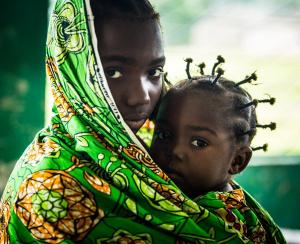
This teenage child soldier endured painful gunshot wounds in battle, after he was pressured to join the militia movement to avoid further torture or arrest. A surge in violent conflict in the Democratic Republic of Congo has forced many people (much like the teenager pictured) from their homes. © UNICEF / Vincent Tremeau

Harmful Effects of Child Labor

Childhood is an essential, formative time of life—one which many child laborers must leave too quickly. Their lives may long bear the physical, emotional and physiological consequences of their early adulthood. Many child laborers, regardless of whether they are considered forced or not, lack the chance of acquiring the knowledge and skills necessary to extract themselves from the poverty they were born or thrust into by circumstances. Many enter adulthood with no means of securing a better life and with few options for jobs, which extends the continuum of generational poverty to their own children.
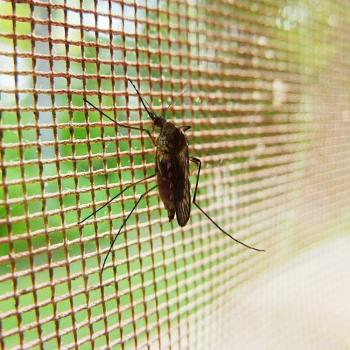
Child laborers are highly susceptible to become involved in dangerous situations that may result in their illness, injury or even death.

If these were the victims of a war, we would be talking a lot about it.

In an article by Voice of America concerning child labor, ILO Director-General, Guy Ryder, said, “Honestly, the annual toll is appalling—2.78 million work-related deaths, 374 million injuries and illnesses. If these were the victims of a war, we would be talking a lot about it. Children and young workers are at greater risk and suffer disproportionately and with longer lasting consequences.”

A World Bank report estimated that 10 percent of all work-related injuries child laborers experience are crushing accidents, amputations and fractures.

Annual Toll of Child Labor:

2.78
million

work related deaths

374
million

injuries and illnesses

World Vision reported the story of Jean, an 8-year-old boy who worked in a mine alongside his mother in the Democratic Republic of the Congo, (DRC) where 40 percent of artisanal mine workers are children. He said he had developed a number of physical problems since working in the mines. Children in the mine are susceptible to falling down shafts, being trapped in collapsed tunnels or drowning. Children working in the mine reported having seen other children die at the site. Two-thirds had developed persistent coughs, while 87 percent had been injured or were suffering from body pain. Some girls reported genital infections from working in waist-deep acidic water.

Mired in Mining

An article in Fortune magazine told how 15-year-old Lukasa rises at 5 a.m. to begin his 12-hour workday. He leaves his family’s mud-brick home in a tiny village in the southern region of the DRC, and he walks two hours to a government-owned mining site. He spends the next eight hours hacking away at rock in a cobalt mine.

He typically hoists a sack of as much as 22 pounds of cobalt up and out of the pit, then carries it on his back for an hour to a trading depot where he sells it to one of the Chinese trading companies who dominate the market in the area.

On a good day, the teenager can earn as much as $9 before making the long walk home.

Cobalt is key to the DRC’s economy—it produces an estimated 65 percent of the world’s cobalt supply—but child labor is rampant in its mining industry. The same Fortune story said, “While it is impossible to know how many underage miners there are, Congolese activists working to end child labor say… there are about 10,000 of them.

A National Bureau of Economic Research on child labor found that “most child labor occurs in countries with extremely low per capita GDP and that per capita GDP (and its square) explains 80 percent of the worldwide cross-country variation in child labor.” The GDP per capita for the DRC was $439 in 2017, in contrast to the GDP per capita for the USA in 2017, which was $59,531.

Photo by Compassion UK

Enslaved in Fishing

“Workers at sea are among the world’s most vulnerable,” according to the U.S. Department of Labor. Various factors, such as working in international waters, produce gaps in applicable laws leaving workers without adequate labor protections in countries like Honduras, Philippines, Bangladesh, Ghana, Haiti, Cambodia, Indonesia and Thailand.

James Kofi Annan lives in Ghana. His story is typical of child laborers trapped in the commercial fishing industry.

“I started my working life early. My parents had 12 children, none of whom were educated. By the time I was six years old, I was the only person my father could control. All the others were older and most of them had already been given away to work. As the youngest, I was the only one still available. My father saw the opportunity and gave me away for fishing work. The way it works is that the person who takes charge of you now has control over you.

I was first trafficked with five other children. Out of the six of us, three lived, and three did not. I saw many children die from either abuse or the rigorous work they were obliged to do.

There, I was forced to work excruciating hours catching fish on Lake Volta. On a daily basis, my day started at 3 a.m. and ended at 8 p.m. It was full of physically demanding work. I was usually fed once a day and would regularly contract painful diseases which were never treated as I was denied access to medical care. If I asked for even the smallest concession from my boss, I was beaten. Despite all my hard work, I was often not allowed to sleep because I had to take care of all the other tasks, such as mending nets and cleaning fish.”

It took James seven years to escape his slavery.

Surrounded by Tobacco

Investigations by Human Rights Watch found consistent, significant risks to children’s health and safety who are working on tobacco farms in Zimbabwe, the United States and Indonesia. The children are exposed to nicotine and toxic pesticides. Every child interviewed described having illnesses with specific symptoms associated with acute nicotine poisoning and pesticide exposure, including nausea, vomiting, loss of appetite, headaches, dizziness, irritation and difficulty breathing.

Ironically, it is still legal in the United States for children as young as 12 to work on tobacco farms, as long as they have parental permission. There are no age limitations for children who work on small, family-owned farms.

A 2018 special series on NPR’s “Here & Now” reported finding children as young as 7 working during the picking season in North Carolina where tobacco farming is regarded as a legacy.

These children labor in Turkey’s cotton fields in hard conditions. During cotton season, they cannot go to school.

Hemmed In by Cotton, Clothing and Chocolate

Cotton is the best-selling fiber in the world, making the cotton market very appealing.

But according to a New Lanark article, “Children & Cotton”, child laborers in cotton fields and factories may work for up to 12 hours a day, seven days a week during the harvest period for less than $1.50 a day. The article further states, “Without the child workers, the landowners wouldn’t manage to harvest all of their crops.” In some countries, including Uzbekistan, Tajikistan, Kyrgyzstan and China, child labor in cotton fields is actually sanctioned by the government.

The beatings were a part of my life.

Bithi is a 15-year-old girl in Bangladesh. She began working in a garment factory in the capital city of Dhaka when she was 12. Her job was sewing pockets for designer blue jeans that will be sold “in affluent countries.”

Sewing blue jeans may not seem like a burdensome task, but it becomes one when her production quota is 60 pockets per hour, every hour, every day she works. That’s 480 pockets over an eight-hour shift. For this, she earns the equivalent of about $1.00 a day.

The Food Empowerment Project investigated the cocoa industry, where the supply chain for major chocolate manufacturers begins. Their findings read:

On average, cocoa farmers earn less than $2 per day, an income below the poverty line. As a result, they often resort to the use of child labor to keep their prices competitive. … Often, traffickers abduct the young children from small villages in neighboring African countries, such as Burkina Faso and Mali, two of the poorest countries in the world. Once they have been taken to the cocoa farms, the children may not see their families for years, if ever. … Some of the children use chainsaws to clear the forests. Other children climb the cocoa trees to cut bean pods using a machete. …

The farm owners using child labor usually provide the children with the cheapest food available, such as corn paste and bananas. In some cases, the children sleep on wooden planks in small windowless buildings with no access to clean water or sanitary bathrooms. … Former cocoa slave Aly Diabate told reporters, ’The beatings were a part of my life. I had seen others who tried to escape. When they tried, they were severely beaten.’”

Children just like this young girl suffer verbal and physical abuse while working up to 16 hours a day at brick factory.

Burdened in Brick Kilns

A special report by Gospel for Asia (GFA) shared the results of an investigation into slave labor by the International Justice Mission (IJM). After IJM workers helped 260 people—including children forced into labor—escape from one brick factory, a father shared how he and his family were tricked into working there.

Instead of receiving the good salary they were promised, his trapped family worked 16 hours a day, seven days a week. Their employer denied them hospital visits for injuries sustained while mixing or forming the bricks. Children caught playing during work hours received a torrent of verbal abuse and beatings with a pipe.

The cost of child bonded labor is paid over a lifetime through the loss of health, education, and opportunities.

According to an 86-page report by ILO, 56 percent of brick makers in Afghanistan are children.

One of those is 11-year-old Sima. She works 13 hours per day, six days a week. At the time of the report, she had already been working in brick kilns for five years. She has never attended school and is illiterate. Sima’s circumstances are typical of children laboring in brick kilns. Many begin working at the age of 5.

The report also explains the physical implication of “manual handling of heavy weights … long working hours with awkward posture [and] monotonous and repetitive work.” Child laborers in brick kilns have a high risk of developing health problems like as musculo-skeletal issues, poor bone development and early-onset arthritis.

The ILO further observed that “the cost of child bonded labor is paid over a lifetime through the loss of health, education, and opportunities.”

These are only a few of the industries in which child labor continues to exist.

Many children have no choice but to work to survive. This child is taking a moment to eat a stick of bamboo while working in the fields in northern Vietnam.

Child Labor: Not Gone, but Forgotten: Part 2 | Part 3

Source: Gospel for Asia Special Report, Child Labor: Not Gone, but Forgotten

Learn more about the children who find themselves discarded, orphaned and abused, and the home and hope that they can be given through agencies like Gospel for Asia.

Click here, to read more blogs on Patheos from Gospel for Asia.

Learn more about Gospel for Asia: Facebook | YouTube | Instagram | Sourcewatch | Integrity | Lawsuit Update | 5 Distinctives | 6 Remarkable Facts | Media Room | Poverty Solutions | Endorsements | 40th Anniversary | Lawsuit Response

2022-06-16T05:38:07+00:00

WILLS POINT, TX – Gospel for Asia (GFA) Part#1 Special Report on the aftermath of acute gender imbalance: Discussing the horrendous reality of 100 million missing women worldwide.

WILLS POINT, TX – Gospel for Asia (GFA) Special Report on the aftermath of acute gender imbalance: Discussing the horrendous reality of 100 million missing women worldwide.

One of the stunning stories from Scripture tells about the uninvited woman who crashed a VIP party at the home of an important religious leader. This is a gal whose bad reputation preceded her—a “woman of the city” reports the account in the book of Luke. Some versions even say that she “was a great sinner.”

Humph, thinks the very important dignitary whose party has been so rudely disrupted by this emotional female basket case. If he [Jesus] was a true prophet, he would know what kind of woman this is, for she is a great sinner.

This is a powerful story of male intervention, protection and advocacy, and in this case, it is Jesus who intervenes for a weeping woman, provides protection and clearly illustrates how to advocate for those wounded and longing for forgiveness.

“Simon,” Jesus asks, “Do you see this woman?”

Do you see this woman? What a question!

Do you see this woman? This is a question that needs to be asked regarding the astonishing demographic figure that is being forced upon our contemporary discussions regarding the status of women in the world today. Indeed, demographers are telling us that there are as many as 100 million women unaccounted for, 100 million missing women in the projections made by statisticians whose job it is to analyze and project the populations of the nations.

Simply stated, the devaluation of women and the often societally approved discrimination against them are creating a global crisis. This article examines this reality and seeks to propose that there are attitudes and actions we can all take to decrease and eventually eliminate this outrageous discrepancy. But first, we have to “see the women.”

These village women are widows, and often endure threats and distress simply because of their social status as a “widow”. What Happened to the Missing Women?
These village women are widows, and often endure threats and distress simply because of their social status as a “widow”.

What Happened to the Missing Women?

My husband, David Mains, tells the story of being in Asia with Dr. KP Yohannan, the founder and director of Gospel for Asia (GFA). They were attending a conference with some 300 men in attendance in an open-air pavilion. Dr. K.P. was preaching on how these men treated their wives, saying something that memory recalls as being to the effect of, “You treat them like servants [by saying], ‘Do this; do that. Take care of me.’ You get angry and yell. Some of you even push them around. But you are not freeing them to be the women God created them to be.”

The power of this exhortation and of the Scriptures verifying his instruction manifested itself in a loud groaning that began to rise out of the group of men sitting on wooden pews.

“At first,” David remembers, “I thought it was a thunderstorm. I had never heard anything like it in my life. Then I realized these men were groaning in repentance and remorse.”

Here you see a family that has been transformed through the love of God. This man used to beat his wife and child, but after listening to KP Yohannan’s words through a GFA-supported radio broadcast, they found God’s love and are living happily in their journey with Christ.
Here you see a family that has been transformed through the love of God. This man used to beat his wife and child, but after listening to KP Yohannan’s words through a Gospel for Asia (GFA)-supported radio broadcast, they found God’s love and are living happily in their journey with Christ.

The devaluation of women in marriage, which those men repented of many years ago, is merely one symptom of what causes the 100-million-missing-women global crisis. If we choose to “see the women,” to study the plight of women worldwide and to pay attention to their distress, we will quickly conclude that women’s lives are threatened from the womb through widowhood.

Indeed, the whole world needs to be groaning in remorse and repentance when we realize that 100 million women who should be alive according to statisticians’ projections are nowhere to be found.

The reasons for this are varied and tragic. Even the numbers vary somewhat. In a 1990 essay published in The New York Review of Books, Nobel Prize-winning economist Amartya Sen claimed there were 100 million missing women. Through the following decade, Sen continued to expand his exploration and discoveries, which were published in many subsequent academic works.

Though estimates of between 90 and 101 million missing women, as well as the various causes for the phenomenon, have been studied, debated and analyzed by demographers and social scientists in the years since Sen’s original announcement, most agree now to the reality that roughly 100 million women, worldwide, are missing.

This number is determined by what is called the sex ratio—a means of measuring the number of males born in a society against the number of women. Generally, the male-female birth ratio is slightly biased toward the masculine sex. Due to some kind of disequilibrium matrix, nature allows for some 105 male births for every 100 female births, on average.

These numbers tell us, quietly, a terrible story of inequality and neglect leading to the excessive mortality of women.

Demographers propose that this is because men are at a higher risk of dying of a variety of causes—violence, accidents, injuries, war casualties—and in time, the sex ratio of a given population for any particular age set begins to equalize. Today, however, when what should be a normal equalized sex ratio is measured in many current populations, particularly in developing countries in Asia, as well as in the Middle East and in parts of Africa, results show a divergence from the norm.

The current sex ratio reveals not a ratio that is beginning to become even between the sexes, but an expanding ratio of men to women of 1.06 (1.06 men per 1 woman), which is far higher than in most countries.

Researcher Amartya Sen concludes: “These numbers tell us, quietly, a terrible story of inequality and neglect leading to the excessive mortality of women.”

Evaluating the Sex-Ratio Disequilibrium

It is here when those of us who care about the state of the world and the suffering and the well-being of the people who inhabit it should begin to groan, loudly and insistently, like a thunderstorm. We need to read the articles that disclose the state of women around the world; we need to do personal research. We need to seek for understanding.

34 million

women and girls are trapped in the sex trade, contributing to the missing women dilemma.

There is now a general consensus as to the reasons why sex ratios are teetering on a wild gender imbalance in various countries of the world. Sex-selective abortions, female infanticide, inadequate health care and nutrition for female offspring, lack of pregnancy and childbirth education, and the now booming sex-slave trade industry all contribute to the missing women dilemma.

In their comprehensive book Half the Sky: Turning Oppression into Opportunity for Women Worldwide, Nicholas Kristof and Sheryl WuDunn report, “Far more women and girls are shipped into brothels each year in the early twenty-first century than African slaves were shipped into slave plantations each year in the eighteenth or nineteenth centuries.”

This horrendous reality is verified by the Foreign Affairs journal, and the above husband-and-wife writing team estimate some 34 million women and girls worldwide are trapped in the sex-slave trade.

This newborn infant from South Sudan lies in an incubator, suffering from sepsis and jaundice and struggling to survive. His mother died giving birth.
This newborn infant from South Sudan lies in an incubator, suffering from sepsis and jaundice and struggling to survive. His mother died giving birth. Photo by Mark Naftalin, UNICEF

Maternal Mortality and Maternal Morbidity

The issue of malnourishment also takes a generational toll. When girls are malnourished—and historically, girls often live on subsistence diets while their brothers receive the family’s available food—they give birth to underweight babies whose bodies are then more susceptible to disease. Malnourished girls become malnourished women, prone to childbirth losses—miscarriages, stillbirths, infant deaths—and multiple pregnancy complications resulting in mortality.

This young girl from the Democratic Republic of Congo brought her younger sister to a health center to have a malnutrition screening, after being driven from their home and community during a violent conflict between the government and anti-government militia.
This young girl from the Democratic Republic of Congo brought her younger sister to a health center to have a malnutrition screening, after being driven from their home and community during a violent conflict between the government and anti-government militia. Photo by Vincent Tremeau, UNICEF

In India, for instance, demographers find that, by and large, the main cause of female deaths is cardiovascular disease—diseases of the heart and blood vessels that can lead to heart attacks or strokes. Medical researchers have discovered a close relationship between low birth weight and eventual cardiovascular diseases at a later age.

Maternal mortality refers to the number of women who die in childbirth. Some 99 percent of women in the world who die giving birth are from poor countries. This is determined by another ratio—the maternal mortality ratio (MMR), the number of maternal deaths for every 100,000 live births. The MMR measures the potential of death per pregnancy. Another ratio measures death probability over a lifetime of multiple pregnancies. The lifetime risk of dying in childbirth is 1,000 times higher in a poor country.

“This should be an international scandal,” Kristof and WuDunn write.

To sketch out this global crisis, Kristof and WuDunn quote some alarming statistics:

  • The highest maternal mortality risk in the world is in the African country of Niger.
    There the lifetime risk of death is 1 in 7.
  • In sub-Saharan Africa, the lifetime risk of death in childbirth is 1 in 22.
  • India is 1 in 70.
  • The United States is 1 in 4,800, a high ratio for a developed and wealthy country.
  • In Italy, the lifetime risk is 1 in 26,000.
  • In Ireland, the chance of dying in childbirth is 1 in 46,000.

Morbidity is different from mortality. Maternal morbidity deals with injuries during childbirth, and they occur even more frequently than maternal mortality. Again, Half the Sky concentrates pages on occurrence of morbidity, particularly fistulas—in this case, rectovaginal fistulas, which are often the result of trauma in childbirth. Here a tear between the vagina and rectum (also caused by rape) is left untreated in places where there is inadequate health care. These women, many now mothers, having successfully delivered an infant, become outcasts in their villages because they cannot control the flow of urine or feces.

“For every woman who dies in childbirth, at least ten suffer significant injuries such as fistulas or serious tearing,” Kristof and WuDunn write. “Unsafe abortions cause the deaths of seventy thousand women annually and cause serious injuries to another 5 million. The economic cost of caring for those 5 million women is estimated to be $750 million annually. And there is evidence that when a woman dies in childbirth, her surviving children are much more likely to die young as well, because they will have no mother caring for them.”

The lifetime risk of dying in childbirth is 1,000 times higher in a poor country.

All these factors are symptoms of one major toxic cause: female discrimination. Simply stated: Women in a cross section of wide-ranging cultures are not valued. In fact, they are actively abused, neglected and abandoned through countless ingrained cultural practices that deem women as inferior to men and ensure they stay in subsistence-like conditions.

The conglomerate of all these causes contributes to the overall demographic reality of 100 million missing women. To repeat Amartya Sen again: “These numbers tell us, quietly, a terrible story of inequality and neglect leading to the excessive mortality of women.”

The Irony of the Skewed Sex Ratio

The irony of the missing-women demographics—enabled by entrenched cultural attitudes and systemic discrimination against the female sex—is that many places in the world with a skewed sex ratio are now experiencing such high female shortages that there are no longer enough women to mate in marriage with the existing male population. Think about that 1.06:1 sex ratio (again, 1.06 men to every 1 woman), and multiply it by the thousands. Imagine what that means. Imagine the implications.

This photo is just one depiction of a once-looming human rights catastrophe. Because of the skewed sex ratio in Asia, many countries are now experiencing such high female shortages that there are no longer enough women to mate in marriage with the existing male population. In 1990, a cultural preference for male children had caused South Korea's sex ratio to be at the world's highest, but after campaigns and restrictions on ultrasounds, the ratio is back to normal.
This photo is just one depiction of a once-looming human rights catastrophe. Because of the skewed sex ratio in Asia, many countries are now experiencing such high female shortages that there are no longer enough women to mate in marriage with the existing male population. In 1990, a cultural preference for male children had caused South Korea’s sex ratio to be at the world’s highest, but after campaigns and restrictions on ultrasounds, the ratio is back to normal.

The Wall Street Journal focused an article on this topic that dealt with South Korea:

“A cultural preference for male children has cost Asia dearly. … Not just a human-rights catastrophe, it is also a looming demographic disaster. With Asian birthrates already plummeting, that means millions of women will never be mothers, and the economic and social impact on some of the world’s largest countries is incalculable.

“For decades, South Korea was Exhibit A in this depressing trend. By 1990, as medical advances made prenatal sex selection routine, the ratio of male-to-female babies soared in South Korea to the world’s highest, at 116.5 males for every 100 females.”

Projections made by the Population Council, a New York City-based research center, indicate that if trends continue, there will be an increase to 150 million missing women by 2035. The world is just sensing the demographic wave that was set into motion years ago. This means that in China, by 2035 there will be as many as 186 single men for every 100 women. In India, by 2060 the sex ratio could curve even higher: 191 men for every 100 women.

A cultural preference for male children [is] not just human-rights catastrophe, it is also a looming demographic disaster.

The governments of both countries have established means and laws to correct this extraordinary deviation. Fetal ultrasound imaging has been restricted (at the least, the reporting of the sex of the child while in utero), and legislation aimed at gender equality, to address gender imbalance has been enacted. China even offers financial incentives to couples with daughters and announced it was abandoning its one-child policy. But demographers warn that even if both countries brought their sex ratios to normal, the damage has been done. Hundreds of millions of Asian men in their 50s will still be unmarried in 2070. In India, the result would be around 15 percent.

Can this rampant and damaging sexism be altered? Remember South Korea, once Exhibit A? Now, partly because of the political insistence of a growing body of educated women, it is beginning to reduce its sex ratio through a variety of national policies. By 2005, the ratio had become 110 males for every 100 female babies. Five years later, the ratio became 107, finally normalizing at the natural level of 105.


Read the rest of Gospel for Asia’s Special Report on 100 Million Missing Women & the Aftermath of Acute Gender Imbalance here: Part 2 | Part 3

Learn more about Gospel for Asia’s programs to combat the Missing Women reality by helping women through Vocational Training, Sewing Machines and Literacy Training.

This Special Report article originally appeared on GFA.org


Read more on the missing women dilemma on gender imbalance and violence against women on Patheos.

Click here, to read more blogs on Patheos from Gospel for Asia.

Go here to know more about Gospel for Asia: Facebook | Sourcewatch | Integrity | Flickr | GFA | Lawsuit

2023-09-13T10:24:35+00:00

WILLS POINT, TX – According to Dr. Seth Barkley, the CEO of Gavi, The Vaccine Alliance, “Malaria is still one of the biggest killers of children worldwide, taking the lives of over 200,000 children each year.”

According to Dr. Seth Barkley, the CEO of Gavi, The Vaccine Alliance, "Malaria is still one of the biggest killers of children worldwide, taking the lives of over 200,000 children each year."

April 25 is World Malaria Day. Because the disease is still widespread in large regions of the globe, Gospel for Asia (GFA) has shared 10 facts to remind us about this life-threatening disease:

1. The Institute of Health Metrics & Evaluation estimates that more than 720,000 people die of malaria each year. This is significantly higher than the World Health Organization’s (WHO) estimate of 438,000.

2. Malaria is still one of the leading causes of child mortality.

3. More than 70 percent of malaria fatalities are children under the age of 5.

4. Ten percent of all child fatalities in 2016 were caused by malaria.

5. Sub-Saharan Africa accounts for 90 percent of all malaria deaths.

6. Countries with the highest malaria death rates currently include:

Country Deaths/100,000
Niger 138.76
Sierra Leone 136.28
Togo 111.32
Mali 99.62
The DRC 99.25
Guinea 97.21
Cameroon 93.98
Benin 88.39
The CAR 84.18

7. A 2015 study published by Nature.com quantifying the most effective means of malaria prevention to date indicated that insecticide-treated mosquito nets provided the most widespread intervention.

a. The report cited treated mosquito nets to be the “largest contributor” to averting malaria at 68 percent of cases.

b. Numerically, treated mosquito nets averted 451 million of 663 million cases.

8. There is a dynamically growing number of children under 5 who sleep under treated mosquito nets in malaria-prone regions.

9. It is estimated that 66.6 percent of children in India sleep under the protection of treated mosquito nets.

10. The malaria virus is becoming increasingly more drug resistant. One doctor specializing in malaria prevention has described drug resistance as “one of the biggest threats we face.”

The BBC reported on April 23 that Dr. Kate O’Brien, director of Immunization and Vaccines at WHO, announced “a large-scale pilot program of what has been called the world’s first malaria vaccine to give partial protection to children has begun in Malawi.”

a. The vaccine is administered in a series of four injections over a period of 21 months.

b. The pilot phase of the trials should be complete by 2023.

The pilot project will end in 2023, but the trials will continue until the vaccine has been proven effective and approved for worldwide distribution.

In the meantime, mosquito nets remain the best prevention against mosquito-borne disease.

Between 2016 and 2018, Gospel for Asia (GFA) distributed more than 1 million mosquito nets to homes throughout Asia. An entire retinue of NGOs and FBOs are working in harmony to provide mosquito nets in countries across the 10/40 Window where the need is the greatest.

To learn more about malaria and the battle to prevent it, read Gospel for Asia’s special report “Fighting Malaria – A Chilling Disease.”

Other recent Missions Box reports on the scourge of malaria include:

Learn how you can help Gospel for Asia to provide mosquito nets – the most effective preventive measure against contracting malaria – to improve life for families across Asia.


Read more on Fighting Against Malaria – A Chilling Disease: Mosquito Netting and Malaria Prevention Combat a Parasitic Genius.

Click here, to read more blogs on Patheos from Gospel for Asia.

Go here to know more about Gospel for Asia: Facebook | Sourcewatch | Integrity | Flickr | GFA | Lawsuit


Sources:

2022-09-10T19:47:36+00:00

WILLS POINT, TX – Gospel for Asia (GFA) Special Report #1 – Discussing the world’s quest for access to pure water that is safe to drink.

Dying of Thirst: The Global Pure Water Crisis (#3 by Gospel for Asia) - KP Yohannan - Gospel for Asia

India: Success and Challenge

In recent decades, India has emerged as a global economic powerhouse. It is now the seventh-largest economy in the world by nominal gross domestic product (GDP)[27] and at least the fourth largest in purchasing power parity.[1] Much of this success stems from the technology field, India’s fastest-growing sector. Information technology, process outsourcing and software services are among the country’s booming industries.

But success is accompanied by great challenges. India is home to about 1.34 billion people and is still growing. Its population, now the world’s second largest,[2] is projected to overtake China’s as early as 2024.[3] This has placed unprecedented stress on the country’s water resources, which are already stretched to meet the needs of a growing population.

In June 2018, the Indian think tank NITI Aayog released a comprehensive report on India’s water status. Among its conclusions:

The booming cities have borne a large portion of India’s water stress. Bangalore, known by some as India’s Silicon Valley, is a good example. The city’s needs were once met by wells that reached 300 feet deep. But now, 400 bore wells must go down as far as 1,500 feet to find water. How long will that suffice? No one knows.

Jesus Well provides safe, pure water to many families - KP Yohannan - Gospel for Asia
In this remote village, a Jesus Well provides safe, pure water to many families. Each Jesus Well serves an average of 300 people for about 20 years, and the wells may be drilled up to 600 feet deep, providing pure water in even the worst droughts.

In the countryside, the challenges are different but just as dire. Agriculture uses some 80 percent of India’s water.[9] When water is unavailable, the farmers feel it immediately. They can quickly lose their livelihoods.

Meanwhile, millions of Indians have no reliable access to water at all.

Much of India is arid or semi-arid. Vast areas receive rain only sporadically from storms brought by the summer monsoons. Many people collect their water from surface sources, which are often contaminated. The daily trek to a local pond is a regular feature of life for many rural Indians. They may walk for hours just to obtain their day’s supply of water. That leaves little time to work productively or improve their lives.

For years, Gospel for Asia (GFA) has been helping to equip national workers to get wells installed in needy communities. They’re called Jesus Wells and are fitted with a plaque sharing Christ’s words to the Samaritan woman:

Whoever drinks of this water will thirst again, but whoever drinks of the water that I shall give him will never thirst. But the water that I shall give him will become in him a fountain of water springing up into everlasting life” (John 4:13–14).

Israel: A Glimpse into the Future - KP Yohannan - Gospel for Asia

Israel: A Glimpse into the Future

While discussions of global water issues typically focus on the problems, it’s also helpful to consider the success stories. One of those is the tiny state of Israel.

After World War I, the territory of Palestine came under the control of the United Kingdom. As the British government was considering what to do with this important strip of land, its economists concluded that the area’s water resources could only support about 2 million people.[10] There were slightly more than 800,000 residents there at the time. But after the modern state of Israel was created in 1948, that number nearly doubled in just three years—and kept climbing.[11] Today, Israel is home to more than 8 million people,[12] with another 2.8 million in the West Bank[13] and 1.8 million in the Gaza Strip.[14]

Clearly, a drastic program was needed to meet the water demands of this booming population. Through the efforts of visionaries such as water engineer Simcha Blass, Israel not only met this challenge but became an exporter of water technology, water-intensive crops—and water itself. The story of that success can serve as a model and inspiration for other countries.

Israel points the way to a future free from water insecurity.
Simcha Blass, an Israeli visionary in the clean water field - KP Yohannan - Gospel for Asia
Simcha Blass, an Israeli visionary in the clean water field. Photo by Ybact on Wikipedia / CC BY-SA 3.0

Israel’s leaders realized that all those new immigrants would need to eat, so food production became an urgent priority. The Negev in the south of Israel was a vast dry desert where few people lived. But Simcha Blass was convinced there was water underground that could be accessed through deep drilling. He was right. That was the beginning of an agricultural boom in one of the world’s most inhospitable environments. Some people saw it as a fulfillment of the prophecy in the book of Isaiah: “The desert and the parched land will be glad; the wilderness will rejoice and blossom” (Isaiah 35:1 niv).

Blass also envisioned pipelines that would stretch from the water-rich north of Israel to the south where water was most needed. Through years of effort, his visions became reality.

Israel’s visionaries then turned their sights to the world’s most abundant water source—the oceans. The idea of processing seawater for drinking and agriculture has long been an elusive dream for people around the world. Israeli scientists experimented with several desalination techniques, most of which proved too costly to be practical. But with perseverance, Israel developed a system which, though still expensive, provides an important supplement to its other water sources. Israel now has several functioning desalination plants on its Mediterranean coast, which provide an astonishing 27 percent of the country’s water.[15] Most importantly, the desalination plants serve as a kind of insurance policy against severe droughts and other disruptions. The ocean, after all, is always there.

Drilling for water in Qumeran Valley, Israel - KP Yohannan - Gospel for Asia
Drilling for water in Qumeran Valley, Israel
Photo by Tamarah on Wikimedia / CC BY-SA 2.5

Reclaimed waste water is another promising source of water for agriculture that Israel has used effectively. The idea of reusing sewage is repulsive to most people, but when water is at a premium, as in Israel, it’s an option that can’t be ignored. The main concern with recycled waste water is that dangerous microbes or other contaminants might remain even after processing. That could endanger anyone exposed to it, as well as the crops treated with it and the groundwater under the crops. Israel addressed this risk with a process that resembles a giant version of the BioSand water filters described earlier.

Israel’s sewage treatment plants were located near some sand dunes, under which there was a known water aquifer. The water engineers began speculating: What if the treated waste water were released into the sand and allowed to percolate down into the groundwater? Would the sand act as an effective filter? It was a risky experiment, but worth trying. After more than a year, the results were in. Yes, the sand made the water clean, safe enough for agricultural use. Today, Israel reuses more than 85 percent of its sewage, which provides 21 percent of its water.[16]

Israel also pioneered the use of drip irrigation, which made it possible to grow abundant crops by using limited water supplies efficiently.

These innovations may seem out of reach for many developing countries. Their implementation would require concerted, long-term effort, and they can be expensive. But they show what is possible. These are things we know can be done—because they have been done. They point the way to a future free from pure water insecurity. And that’s something all people can aspire to.

The Big Picture - KP Yohannan - Gospel for Asia
Internally Displaced People fill containers with water at a tap inside the Dalori camp in Maiduguri, Borno State, Nigeria. Photo by Ashley Gilbertson VII Photo, UNICEF

The Big Picture

The world’s need for pure water has only accelerated with the inexorable growth in population, which could reach another 2 billion by 2050. And by then the demand for water could increase by 30 percent.[17]

The United Nations has appropriately designated March 22 as World Water Day to focus on the global need for pure water. Along with international bodies like the U.N. and the World Health Organization, countless nonprofits and NGOs are addressing the issue. Many of them focus on Africa, which has some of the most severe water problems. But Asia is in urgent need of help too, and even affluent countries are not immune from water emergencies.

Those who deal with the global pure water crisis recognize the critical need for funds to attack the problem. Usually, the people most in need don’t address their own problems because they simply can’t. They don’t have the resources. And they often don’t have the leisure time to think beyond their immediate survival. So outside funds are essential to solving the problem. But that’s not all that’s needed.

Relief organizations that drill wells in poor communities must also think about their long-term maintenance. When the local people haven’t been taught how to care for the wells, over time those wells become useless. In a 2009 report, the International Institute for Environment and Development (IIED) noted that 50,000 such wells in rural Africa had become nonfunctional. The reason was distressingly clear: “The root cause is the water community’s failure to plan for maintenance of the infrastructure in a systematic way …”[18]

Outside organizations came in, installed wells with the best of intentions, and then left. But their work did not endure.

Keeping It Local

Keeping It Local - KP Yohannan - Gospel for Asia
Each Jesus Well provides clean water to an average of 300 people each day.

Gospel for Asia (GFA) knows of the pitfalls that beset many relief efforts. To ensure their work will be sustainable while keeping costs low, Gospel for Asia (GFA)-supported workers employ local people to drill Jesus Wells, and they train local people to maintain the wells. In addition, Jesus Wells are constructed with local components, making them much less expensive than those brought in from outside. Buying materials in bulk saves even more money. Gospel for Asia (GFA)-supported workers can install a complete well for 1,400 USD. By drilling deep, they can reach water that may have been inaccessible before. Villagers can be assured of pure water even through the dry seasons.

Jesus Wells are conveniently located for community access, and the water is always freely available to anyone, regardless of religion, class or background. Each Jesus Well serves an average of 300 people, and the wells are built to last for decades.

Along with providing pure water, Jesus Wells strengthen the local economy and inspire a healthy pride of ownership.

In 2017, Gospel for Asia (GFA) helped install more than 4,600 Jesus Wells in Asian communities. But that’s just a start. With the generous support of donors throughout the world, Gospel for Asia (GFA)-supported workers will continue to help address the global water crisis—one community at a time.

Six Steps to Pure Water Security - KP Yohannan - Gospel for Asia

Six Steps to Pure Water Security

The world’s water problems can seem overwhelming. Some of the solutions are complex, difficult and expensive. But others are simple, easy and cheap. Here’s a short list of things that can make a difference—starting with the easiest and ending with the ones that still await as promises for the future.

  1. Provide BioSand water filters.
    Just one of these portable, inexpensive items can literally save an entire family from a life of sickness and hardship. To deprive vulnerable people of this simple solution would be tragic.
  2. Drill deep wells.
    Not every well will endure through droughts and overuse, but here’s the key to long-term success: Don’t stop when you hit water! Keep drilling. Deep wells will ensure the water keeps flowing through the dry times.
  3. Train local people to maintain the wells.
    What good is a well that’s broken or contaminated? Remember 50,000 wells in Africa alone are sitting unused because of inadequate maintenance. It’s not enough to provide the well. Instilling the knowledge to maintain it over the years is also essential.
  4. Launch water-reclamation programs.
    Sewage may be unpleasant, but it’s also a valuable resource. Properly treated, reclaimed water can revolutionize agriculture almost anywhere in the world.
  5. Develop national water policies.
    Water is a community resource. It can’t be managed effectively with scattered, isolated efforts. Most national governments are grappling with this reality. Some are responding with effective programs. That must happen on a wider scale.
  6. Pursue desalination.
    It’s expensive now. But so are sickness, poverty and death. The ocean is the one water source that will never be depleted. This is a promising avenue for the future.

Dying of Thirst: The Global Water Crisis – The Crucial Quest for Access to Clean Water: Part 1 | Part 2

This Special Report article originally appeared on gfa.org.

Read the Global Clean Water Crisis Report: Finding Solutions to Humanity’s Need for Pure, Safe Water.

Learn more about how to provide clean water to families and villages through Jesus Wells and BioSand Water Filters.

To read more on the global crisis for water on Patheos, go here.

Click here, to read more blogs on Patheos from Gospel for Asia.

Go here to know more about Gospel for Asia: Radio | About | Integrity | Facebook | Lawsuit


Footnotes

For more information about this, click here.

Follow Us!


TAKE THE
Religious Wisdom Quiz

What did the Israelites have to gather twice as much of before Sabbath?

Select your answer to see how you score.


Browse Our Archives