Last updated on: November 12, 2022 at 9:56 am By GFA Staff Writer
WILLS POINT, TX – Gospel for Asia (GFA) – Discussing what national workers do daily to spread God’s love across Asia. “They need to think about what is needed, not what is possible because possible can change. A major problem I see . . . is not having visionary leaders.” —R.D. Thulasiraj, Director of Operations, Aravind Eye Care System
Mr. Thulasirai’s sage observation, although having nothing directly to do with missions, might be worthy of our consideration of what it really means for indigenous, national workers to be supported by Gospel for Asia (GFA) and its generous donors.It is difficult for us to imagine the role of pastors and other national workers in Asia because we have not seen what they have seen, nor have we experienced what they have. One thing is for certain, these pastors and workers do not have the same routine that most Western pastors do.
Gospel for Asia (GFA)-supported pastor Marty grew up in an Asian slum where, as a young boy, he often dug for food in the bottom of dirty garbage bins to avoid starvation. He describes life in the slums as a vicious, generation cycle.
Garbage litters the streets. Dirty drinking water and the absence of simple hygienic practices like hand-washing cause disease rates to soar. Prostitution, sex trafficking, and other crimes hold countless people in bondage with no escape.[1]
Now, Pastor Marty and his family minister to families in the slum where he was raised. One believer in his church said, “He is a great example for us as he represents Jesus. He does what Jesus would have done. Helping the poor and needy and loving people. He is always willing to help people.”
Another Gospel for Asia (GFA)-supported pastor, Kanak, witnessed people in his village drinking from the same pond in which they bathed and washed their livestock and dirty dishes. He’s seen mothers unable to feed their children because they have no source of income. He ministers to children and adults who have no education. He works among people who barely have what they need to survive let alone prosper.
“When I see the condition of [these] people, their poverty, . . . it hurts me. It pains me to see them suffering. I wish I could bring changes in their lives.” —Pastor Kanak [2]
Like Pastor Marty, that’s exactly what he is doing. He spends time with the villagers and becomes acquainted with their struggles, assessing what would help them the most and show them Jesus’ love. These men, and multiple others like them, spend their days considering the needs of the people to whom they are called to serve.
They demonstrate spiritual leadership by “thinking about what is needed.” Because they understand the people’s needs, they are able to discern what they can do to help those individuals, families and villages according to what they need most.
If people need clean water, the pastors may arrange for the installation of Jesus Wells or distribution of BioSand water filters. If the people need education, national workers help establish Bridge of Hope centers for children and literacy classes for adults. If a rural household needs a source of income, they may arrange for the most appropriate farm animals for the individuals in need. In the slums, they may organize vocational classes to train women to generate income to provide for their families.
People with vision are those who see a need and then make every effort to meet that need. Vision in ministry is all about seeing the need, then doing something about it.
Once we see their needs and minister to them, they will already begin to see Christ in us.
To read more about these national workers, click on the their stories below:
Last updated on: April 30, 2021 at 8:05 am By Karen Mains
Wills Point, Texas – Gospel for Asia Special Report (GFA) – Discussing the troubling problem of open defecation and the lack of basic sanitation facilities for millions throughout the world.
2.3 billion worldwide lack basic sanitation facilities and 892 million still defecate in the open, according to World Health Organization.Karen Burton Mains, author
For much of my adult life, it has been my privilege to hang out with the “renegades” of Christian missions, that relief-and-development crowd that rushes to help during natural disasters, struggles to alleviate the suffering and abasement of refugee displacement, and pays concerted attention to the everyday struggles of everyday living in the developing nations of the world.
The first trip I made around the world was at the invitation of Food for the Hungry, and I traveled with Larry Ward, the executive director at the time, and his wife, Lorraine. It was on this trip I became convinced this particular crew of crisis-ready, crisis-solving, crisis-adaptive humans was fueled solely by adrenaline (“When does he sleep?”).
The purpose of the trip was an international field survey with an emphasis on the refugee crisis in the world, which at that time in the 1980’s was the largest since World War II. We started in Hong Kong and ended seven weeks later in Kenya, Africa. My assignment was to observe with fresh eyes and to write about what I had seen.
The book I wrote, The Fragile Curtain, with the help of daily briefings from the U.S. State Department and the excellent international reporting of “The Christian Science Monitor” (as well as some generous coaching from a Pulitzer Prize-winning newspaper reporter) won a Christopher Award, a national prize for works that represent “the highest values of the human spirit.”
Eventually, I brought the accumulated exposure of my world travels—some 55 countries in all—and the learning I had gathered through journalism research and the actualities of dragging through camps and slums to the board table of Medical Ambassadors International (MAI), a global faith-based health organization.
The former international field director of MAI, now working to create a coalition of some 250 mission groups and development organizations implementing the MAI teaching methodology, made a statement I thought about for years:
“I never realized,” he said, “that I would eventually measure the impact of the Gospel by how many toilets had been built in a village.”
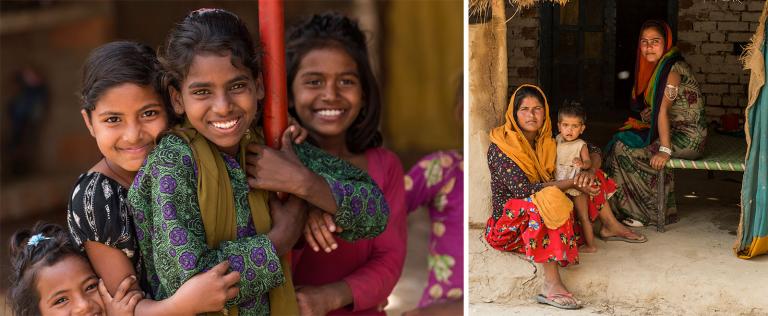
Women and girls are often at risk when open defecation is the only option for relieving themselves. Thankfully, these precious faces can smile because a toilet facility was recently built in their village.
GFA’s Story: Fighting Open Defecation, Helping to Improve Sanitation in Asia
So what does Christianity have to do with the defecation problems of the world?
Gospel for Asia (GFA) is an organization close to the heart of my husband, David Mains, and to myself. We met K.P. Yohannan, GFA’s founder, when it was just an impelling vision in the heart of a young Indian man—one of those divine nudges that simply would not stop pushing at him. Since then, David has traveled to Asia at the invitation of Gospel for Asia (GFA) some eight times; I have visited Asia under their auspices once. We’ve watched as K.P.’s vision grew from a dream to an actuality with numbers beyond anything we could have considered possible.
GFA’s website tells its story, and its story is vast:
In 2016, some 82,000 impoverished children were fed, clothed and schooled;
829 medical camps provided hundreds of people with free medical care and advice;
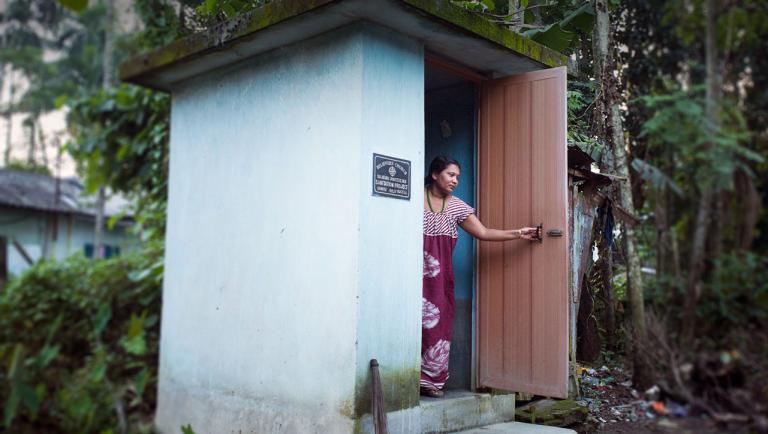
10,512 latrines with dual-tank sanitation systems were constructed.
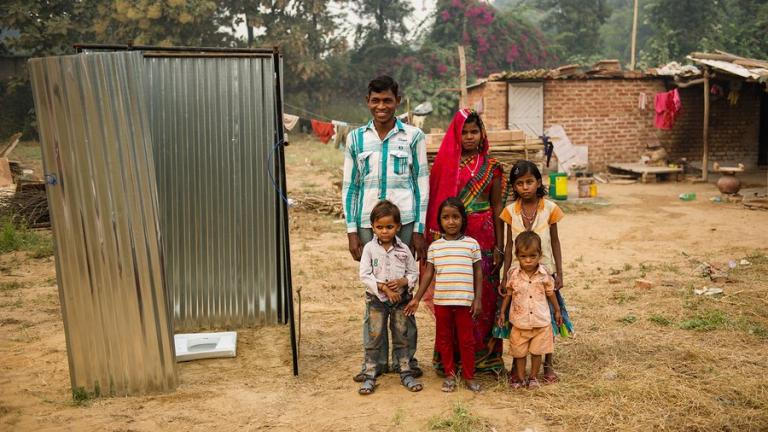
This family stands in front of a latrine or “squatty potty” that was installed by GFA-supported national workers.
Gospel for Asia (GFA) started building latrines in 2012, setting a goal of constructing some 15,000 concrete outhouses by 2016. Potable water, of course, travels hand in hand with sanitation, and in 2016, the ministry’s field partners constructed more than 6,822 “Jesus Wells” and distributed 14,886 BioSand water filters to purify drinking water. Touching vignettes on GFA’s website make the statistics personal.
“This saved the lives of people from illness,” stated one villager—and indeed, toilets, when and if they are used, do just that.
A village elder expressed thanks:
“The church is always concerned about the need of people and works hard for a brilliant life for the community.”
There, indeed, is a thread that runs through Gospel for Asia’s stories of toilets: The pastor of the church in this village or that hamlet seems to be the catalyst for health improvement.
Organizations Tackling the Open Defecation Sanitation Crisis
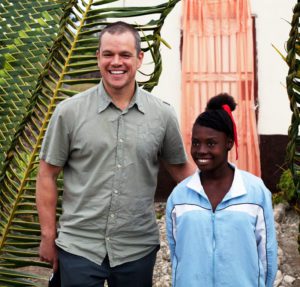
Matt Damon, the founder of Water.org (photo credit Water.org)
Much of the world is in a war against the perils caused by inadequate or non-existent sanitation. People as diverse as Matt Damon, a Hollywood celebrity, award-winning actor and producer/screenwriter; and Narendra Modi, the current prime minister of India, are battling uphill against open defecation (in the sewers, in running streams, by the roadsides, in the fields and the forests, in garbage dumps).
Damon, driven by a desire to make a difference in solving extreme poverty, discovered that water and sanitation were the two basic foundations beneath much of what ails the world. Through his charity, Water.org, he and his business partner, Gary White, are using the microfinance template to provide loans for underserved people to connect to a service utility or to build a latrine for their homes. Some 5.5 million people have been impacted by his approach, and the group estimates they will reach another 2.5 million by the end of 2017.
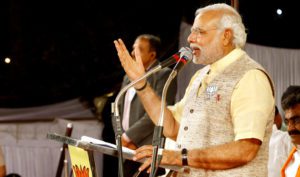
Prime Minister Modi campaigned to end open defecation and build latrines for India. Photo by narendramodiofficial on Flickr / CC BY-SA 2.0
Modi actually campaigned for office with the slogan “Toilets Before Temples.” Using Gandhi’s 150th birthday—October 2, 2019—as a goal, the Indian prime minister declared his intention to end open defecation in the country by that date. A campaign was framed, Swachh Bharat Abhiyan (Clean India Mission), and $40 billion was allotted for building latrines and changing mindsets, while the World Bank contributed loans totaling another $1.5 billion.
Another big player in the sanitation action is the United Nations, which in 2000 established Millennium Development Goals to be achieved by 2015. While many of these goals were reached (some statisticians conclude that world poverty was halved; others, of course, disagree), progress nevertheless was erratic—great success here and there with some signee countries having few or no results.
Whereas, as Matt Damon discovered, improving sanitation along with clean water, undergirds many of the problems included in what is now being reframed by the UN as Sustainable Development Goals, the target to halve the proportion of the population living without access to improved sanitation facilities by 2015 was missed by almost 700 million people.
Saving Lives at Risk from Open Defecation: Part 2 | Part 3
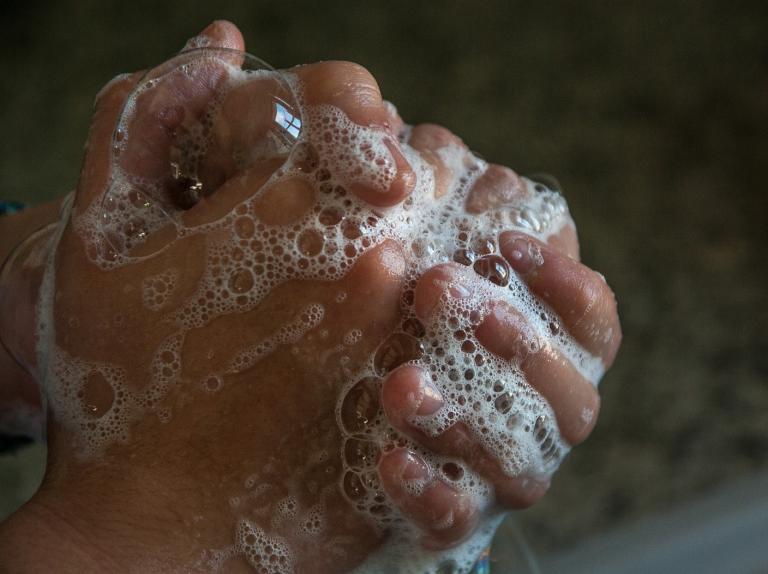
Numerous studies have shown that the simple step of properly handwashing markedly reduces the risk of disease and infection. Unfortunately, many in developing nations around the globe do not know of this life-saving fact.
For this reason, the Global Handwashing Partnership (GHP) established October 15 as Global Handwashing Day. The theme for 2018 is “Clean hands – a recipe for health.” It particularly applies to this year’s emphasis on making handwashing a part of preparing to make or partake of every meal.
When the first Global Handwashing Day was introduced in 2008, the campaign focused on reducing child mortality rates by introducing behavioral changes, including handwashing. It was estimated that the simple act of washing one’s hands adequately with soap could reduce childhood mortality from respiratory disease by 25 percent and from diarrheal diseases by 50 percent.In fact, “Research shows that children living in households exposed to handwashing promotion and soap had half the diarrheal rates of children living in control neighborhoods.”
The World Health Organization recognizes World Hand Hygiene Day each May 5.
The need for each of these days is far greater than we might imagine. It is difficult for us to imagine not washing our hands. It’s just what we do. It was only about 150 years ago that washing one’s hands was not so common anywhere in the world.
It was not until 1846 that anyone recognized the value or virtue of washing one’s hands with soap. Dr. Ignaz Philipp Semmelweis, who held a medical degree with a specialty in midwifery, became concerned about the prevalence of puerperal fever in maternity clinics.
Despite the abundance of incorrect theories of the day, Semmelweis theorized a common link between fetal and maternal childbirth deaths and similar fatal infections in people who had undergone surgery by doctors carrying infectious substances on their hands and surgical instruments.
Semmelweis’ hypothesis-proving experiments, in which his system of hand and instrument washing were used, reduced the puerperal fever mortality rate in his facilities from 12.24 percent to 2.38 percent. Twenty years later, his findings had still not become readily accepted.
Educating people with regard to the dangers of infection caused by dirty hands has dramatically reduced birthing and surgical mortality rates. And washing hands with soap and water has become as much a part of life in developed nations as waking up in the morning. So much so that the occurrence of bacterial disease is minimal in developed countries compared to those that are still emerging.
The task before us now is to educate the people who are living in remote villages and slums who have yet to understand the need for washing one’s hands. Gospel for Asia (GFA), its partners, NGOs, businesses and governments are working together to teach the necessity for handwashing as a matter of good health and hygiene. Together, we can:
Teach people to wash their hands with soap at critical times, especially before eating, cooking or feeding others.
Model good handwashing behavior and remind them to always wash their hands before eating.
Help them to make handwashing part of their family-meal practice.
Help them to establish places to wash your hands in the household, in your community, in schools, workplaces and in health facilities.
Promote effective handwashing behavior change.
Watch this short video (3:47) featuring Dr. Daniel Johnson to learn more about how some of our field partners teach proper handwashing.
This video is shown in thousands of rural villages and urban slums every year to prevent unnecessary disease and infection and improve the health and well-being of the poor and downtrodden.
Last updated on: October 15, 2018 at 5:19 am By GFA Staff Writer
Gospel for Asia (GFA World), Wills Point, Texas – Discussing the life-changing impact of Bridge of Hope centers on the lives of thousands of children.
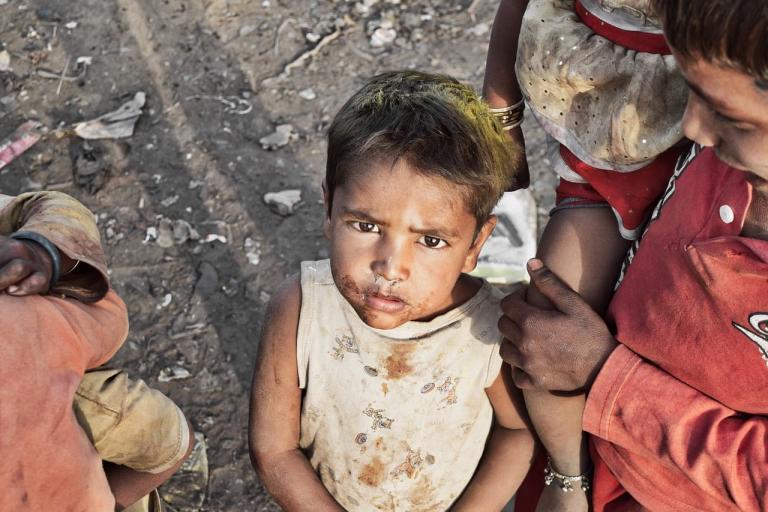
When you are a child of the slums, every day may be a repeat of the last. Life is about staying alive. If you do not scavenge or beg or become entrapped in bonded labor and a pantheon of dismal circumstances, you will not survive to see tomorrow. Even worse, tomorrow holds no promise of anything better than yesterday or today.
Think for a minute what it is like to lay your head down at night in a dirt-floor hut built from scrap materials, perhaps alongside a railroad track, in a garbage dump or near a red-light district. There are no visions of sugar plums dancing in your head with joyful anticipation of what will happen when you awake in the morning.
Millions of children in abject poverty in Asia close their eyes at night, knowing for certain that tomorrow holds no more hope for them than the day that has passed.
Perhaps it is too much to ask that we imagine a situation so desperate. Most of us have not, as the old saying goes, “Been there; done that.” It is far beyond the scope of our own reality. But for these children, it is reality.
When the Lord gave GFA’s founder, Dr. KP Yohannan, the vision to start Bridge of Hope centers, little did he realize that these centers would eventually be leading tens of thousands of children to see that their tomorrows can be filled with hope exactly as our loving God has planned.
For those of us with a Western mindset, we may be inclined to see supporting a child to attend a Bridge of Hope center as “a good cause.” We can become accustomed to having a small sum drawn from our bank account as a token gesture of an “obligation” or commitment.
But for these children, the result of our support is life-changing.
Through our support, these children begin to see that there is hope for tomorrow and the tomorrows that follow—even tomorrow’s tomorrow.
They discover they have potential.
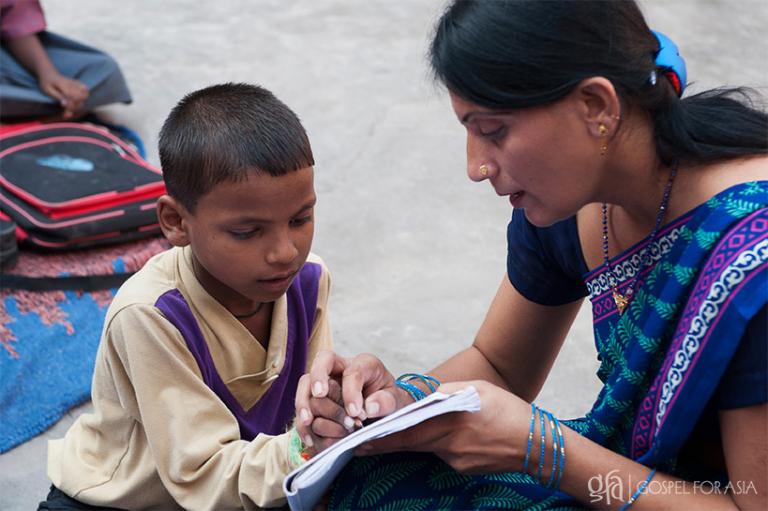
The tutors at Bridge of Hope centers help children to grasp the world of opportunities that exist outside of their previously dismal days and teach them skills essential to stake their claim on a hope for that future.
More than providing an education for the children, Bridge of Hope tutors promote each child’s potential and encourage them to reach the opportunities that will become available to those who apply themselves.
Tutoring, nutritious meals, health care and learning to serve others become regular components of a child’s day. But it is none of those that build the bridge from despair to hope. It is the love and care demonstrated by their tutors and the other Bridge of Hope staff members that make the difference.
One GFA-supported Bridge of Hope tutor explained,
“Besides Bridge of Hope, there is no one at home or school or even in the community where they live who would encourage them to excel in their studies or talents . . . No one is ready to help them. No one is willing to teach them. But these children are [dear] to us.”
When you think of Bridge of Hope, think of a ministry based upon caring for the least of these just, as Jesus does. Whether you’re a center’s director, tutor, cook or a donor, let us each do our part of the ministry with the same objective. Let us be the providers of hope in whatever way the Lord has provided for us to participate.
Let us pray together for the tens of thousands of children who, because of Bridge of Hope, lay their heads down at night with a hope and a dream of a better tomorrow.
Pray for the staff members who are the hands and feet of the work.
Give thanks for the lives we have been able to help thus far and that the Lord would continue in them the good work He has begun.
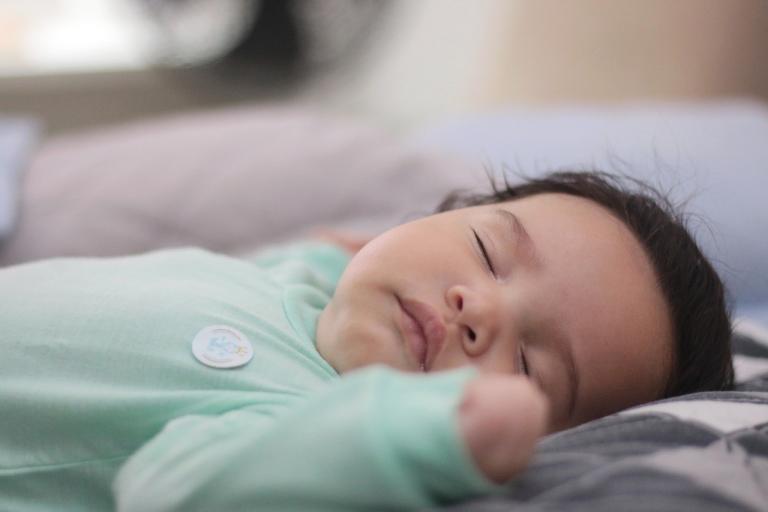
Is there anything in the world more precious than a baby who’s safe and sound in dreamland? Parents do everything they can to protect their children from harm. Unfortunately, some of the most dangerous risks are unavoidable without help. Many exist just because of where a family happens to live.
Malaria is one such risk, and it has no respect for the age, fragility or innocence of a person.
Malaria is no ordinary disease. You’ve heard of it, almost certainly. You probably have a general idea about how it spreads and in which parts of the world it tends to thrive. But do you know what really happens when a person is infected? And are you aware that the world’s first malaria vaccine has only recently entered testing in the field?
It’s an age-old problem that still needs a definitive solution.
How old? According to the Journal of Infectious Disease, Hippocrates, widely regarded as the father of medicine, discussed a disease that many believe was malaria. Modern scientists have also discovered infected mosquitoes preserved in primitive samples of Baltic amber.
It seems to have nearly always been around. But stopping it has been proven to be an insurmountable task. Malaria-preventive medications exist, but a vaccine has been a long and laborious journey. While mosquito netting seems like an ordinary thing, it has the power to save lives by preventing mosquito bites. Netting isn’t new or fancy, but it’s on the front lines of defense, especially in parts of the world where medical care is more difficult to find.
Galatians 6:2 tells us, “Bear one another’s burdens, and so fulfill the law of Christ.” Through the combined efforts of devoted missionaries, the World Health Organization (WHO) and several other globally recognizable organizations and foundations hard at work, we can protect against this terrible disease and cure it when it happens.
Gospel for Asia is involved in the good fight to protect people from malaria. GFA has distributed hundreds of thousands of mosquito nets to people throughout South Asia who could die without them. In 2017 alone, GFA distributed over 300,000 mosquito nets.
What Exactly is Malaria?
Malaria isn’t a bacterial or viral infection; it’s a tiny parasite called plasmodium, which has five known types, according to the Centers for Disease Control (CDC).
Plasmodium vivax
malariae
ovale
falciparum
knowlesi
Of these, P. vivax and P. falciparum are the most common. Of the two, P falciparum is the deadliest form. It’s also the most common in sub-Saharan Africa. P. knowlesi often infects primates, but it can also infect humans, specifically people living and traveling in Southeast Asia.
Each type of malaria has its own nature, but all infections have a similar course. First, they travel to the liver of the infected person, where they pause and multiply. Then they infect the red blood cells, where they multiply and spread.
Depending on the age and health of the infected person, symptoms emerge between one and two weeks after being infected with the parasites. The first symptoms, says WHO, are similar to a bout with the flu: fever, chills, headache and vomiting.
Fortunately, malaria is often curable. However, a cure depends on timely diagnosis, the right medication—and enough of it. Caught early, medication eliminates the parasite. Unchecked, a person infected with the parasites can die.
Without treatment, or without the correct medication for the person, malaria advances by destroying red blood cells and blocking capillaries to vital organs, which can end in organ failure and death.
Malaria preventive medications kill the parasites if they enter the body. Several such medications exist, but not every drug is right for every person. For people traveling where malaria is a problem, they offer reliable protection. But for people living where malaria is always a risk, daily medications aren’t a viable solution.
How Does the Malaria Disease Keep Spreading?
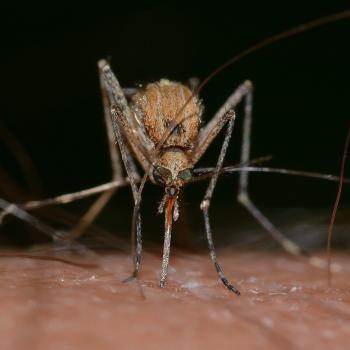
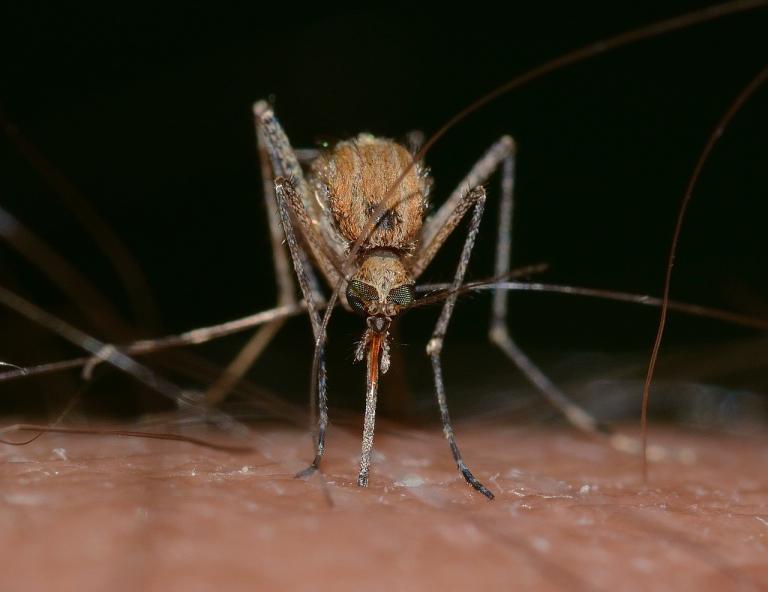
The plasmodium parasite is only transmitted by female mosquitoes of the Anopheles genus. Female Anopheles mosquitoes don’t inherently carry the parasite as part of their biological makeup, so not all of them can infect a person. However, WHO explains that all malaria-carrying mosquitoes that transmit the disease to humans are the female Anopheles.
Anyone who welts up and itches practically at the thought of a mosquito knows these insects are nearly always hungry. They bite humans to find a blood meal, which helps them nourish their eggs. When the right mosquito takes a blood meal from a person with malaria, the parasite enters the insect’s body, where it reproduces. The cycle for that mosquito has then begun.
But mosquitoes don’t bite in the truest sense of the word, and they also do more than extract blood. Infection begins with an injection.
The familiar sting comes from the proboscis, which is the scientific name for a mosquito’s long, multi-prong, needle-like nose. The bite is really a stab, which allows the mosquito to withdraw blood and inject its own saliva. Plasmodium parasites thrive in the saliva of infected female Anopheles mosquitoes.
Once the mosquito extracts malaria parasites from its victim, the parasites reproduce inside the insect’s body. The next time the mosquito needs a blood meal, the stab injects parasites into its new victim while it extracts blood. The more people it bites, the more people it infects, and the more people who carry the malaria parasite to infect more and more female Anopheles mosquitoes.
It’s a vicious, unrelenting cycle.
What Strides are Being Made Toward Malaria Prevention?
With anti-malaria drugs long in existence, people have had protection against the parasites multiplying and attacking the blood and vital organs. Quinine was the only reliable drug known to cure malaria until the 1930s, according to the Nobel Prize website. Several other drugs, such as Chloroquine and the drug combination known as Malarone, have been developed along the way. Prevention has always been elusive.
A physical barrier is one way to protect against the dreaded stab of the infected mosquito, not to mention the frustrating itch of any mosquito bite as well as other annoying insects. Mosquito netting might seem like a rather primitive method, but it works. Not only that, it carries the one-two punch of being effective and inexpensive. Treated with insecticide, netting becomes a bonafide protective barrier. That’s a boon for parts of the world where millions are at risk.
Mosquito netting is a lightweight mesh material with tiny openings. Air can breeze through, but mosquitoes can’t. Babies can sleep safely and soundly. So can their siblings, parents, grandparents and everyone else who has a net.
God calls us throughout the Bible to lend a helping hand to our brothers and sisters in need. Philippians 2:4 reminds us, “Let each of you look not only to his own interests, but also to the interest of others.” That is the way of the missionary. But missionaries aren’t the only ones who can make a difference. Anyone can play a part.
GFA-supported workers distribute mosquito nets, providing effective barriers in villages where the need is greatest. It’s amazing how something so simple can work so well. We have helped distribute hundreds of thousands of nets to communities in need. The work of this ministry wouldn’t have been possible then, and couldn’t be possible now, without many people working together to make it happen.
Nets have been around for many, many years. An effective vaccination, however, hasn’t.
Malaria is one of the most resilient and persistent parasitic infections in the world. Just when incidence of infection begins to show signs of improvement, it surges once again. It tends to favor climates where mosquitoes thrive, which means it’s not confined to any particular region. People throughout Africa, Asia and South America are at a particularly high risk. Some cases have been noted in North America but have generally been attributed to infected travelers returning from abroad.
Until the disease is eradicated, malaria prevention requires all life-saving methods available and all hands on deck. And that includes mosquito netting. For a thorough look at the disease and how we’re fighting malaria worldwide, see our Special Report on this topic.
GFA believes in helping carry the burden of our brothers and sisters around the world. We’re devoted to sharing God’s boundless mercy and love, sometimes in the simplest and most surprising of ways.
What could be simpler than a length of plain, fine mesh fabric? It’s not sophisticated like medications that take years of research and testing. But in some ways, it’s better because the effect is immediate. While people around the world continue to wait for a medical solution to malaria, mosquito nets shield them in the here and now. They work without any unfortunate side-effects, and one inexpensive net can last for years.
Proverbs 19:17 tells us that God sees and remembers our kindness toward the people in need. ‘Whoever is generous to the poor lends to the Lord, and he will repay him for his deed.”
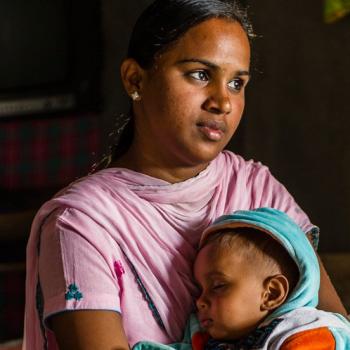
Think about a precious baby living in danger of contracting a life-threatening disease from a mosquito bite. Now imagine protecting the health of that child for about the cost of a fast food meal. If you want, you can do that online by going to this webpage at gfa.org.
=====
Click here, to read more articles on Patheos by Dr. KP Yohannan Metropolitan.
Wills Point, Texas – GFA Special Report (Gospel for Asia) – Discussing why women are targets of abuse and discrimination, and why there is violence against the girl child.
Geeta, a mother of two, lived in the slums and struggled to put food on the table every day with the meager 20 rupees her husband gave her. That amount equaled less than 50 cents at the time.
Geeta is one of many women in Asia who have experienced domestic abuse at the hands of her husband.
In the evening, Geeta’s husband would come home drunk, having spent most of his earnings on alcohol. When she did not meet his expectations for dinner, he’d bring out whatever stick, rod or bat he could find and beat her in his drunken anger.
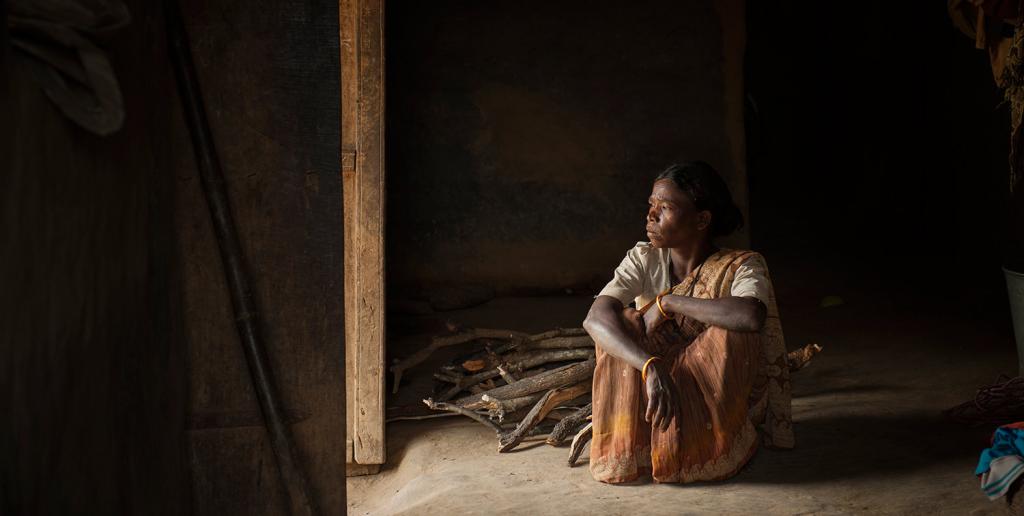
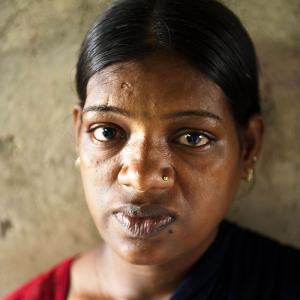
What Geeta endured at the hands of her husband is the story countless women across Asia can share. The circumstances may be different, but the reality is the same. Throughout the centuries, women have silently suffered violence at the hands of their husbands who were supposed to love them, at the hands of their close and distant relatives who were supposed to care for them, and at the hands of strangers who were never supposed to have their hands on them in the first place.
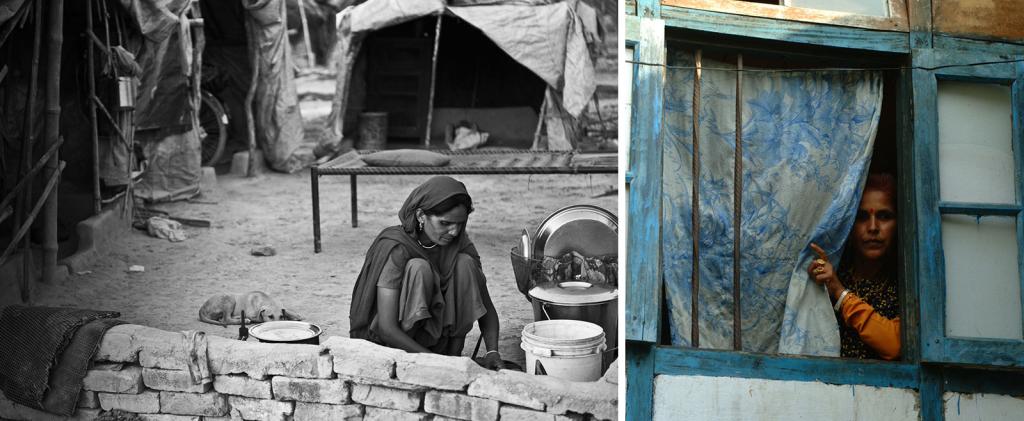
Countless women across Asia have suffered in silence. This gender-based violence can take many forms, from female infanticide and domestic violence to trafficking and honor killings.
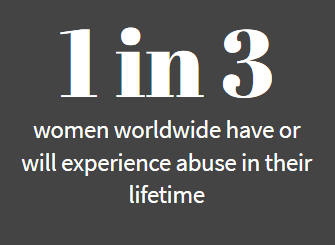
Violence against women stretches from country to country and takes on many forms. It is estimated that 1 in 3 women—globally—have or will experience abuse in their lifetime.
In 1993, the United Nations General Assembly defined violence against women as “any act of gender-based violence that results in, or is likely to result in, physical, sexual or psychological harm or suffering to women, including threats of such acts, coercion or arbitrary deprivation of liberty, whether occurring in public or in private life.”
In 1999, it again reiterated this and established November 25 as International Day for the Elimination of Violence Against Women.
The World Bank released a report in 2014 titled “Violence against Women and Girls: Lessons from South Asia,” which categorized the various types of abuse and discrimination women endure throughout the stages of their lives. Female infanticide, child marriage, dowry violence, domestic violence between spouses and family members, sexual harassment, trafficking and honor killings are only some of the violence reviewed.
Violence against women in South Asia is particularly high. The World Health Organization (WHO) reports that the prevalence of violence against women in this region is at 37.7 percent, compared to “23.2% in high-income countries and 24.6% in the Western Pacific region.”
Gospel for Asia (GFA) field partners see the effects of this violence firsthand as they minister to battered women, abused daughters and neglected widows.
In 2014, Gospel for Asia released a documentary film called “Veil of Tears,” profiling the gender-based violence that millions of women across Asia endure. It introduced us to Maloti, whose in-laws tried to kill her because she was of a lower caste than they; and Suhkwinder, who wanted to commit suicide because of the constant verbal abuse from her in-laws for not giving birth to a son.
These women, including Geeta, reveal the degrees at which a woman’s dignity is at stake—even snatched away.
Maloti experienced discrimination when her in-laws attempted to poison her because she was from a lower caste.
But why are women targets of abuse and discrimination? Why does it seem almost like a requirement for women to silently endure the violence done against them?
Gospel for Asia would like to suggest it begins when people no longer see others as made in the image of God, as “knit from the same cloth,” as fellow human beings and citizens with equal rights and values.
Throughout the countries that make up Asia, women have been regarded as inferior to men. Historical traditions and customs permeate and perpetuate the worldview that females are less than men and should be treated as such. This perception taints the way people look at women and girls. What’s tragic is that this discrimination starts at conception.
Violence Against the Girl Child
Dr. Daniel, director of Gospel for Asia (GFA)-supported medical ministry in Asia
Dr. Daniel, director of Gospel for Asia (GFA)-supported medical ministry in Asia, looked at the newborn bundled in her mother’s lap and knew this baby girl was in danger. She was emaciated. Her eyes sunk in their sockets. She struggled for breath, “as if someone had a stranglehold on her neck,” he said.
She wasn’t going to last long if they didn’t rush her to the hospital. He urged them to go, hurry, take her to the hospital. There wasn’t much he could do at this small medical camp in this rural village. Yet, even if she did make it to the hospital, Dr. Daniel wondered if it was just too late for this precious child.
A little later, he saw the mother again still holding her gravely ill newborn. She and her husband hadn’t gone to the hospital. He couldn’t comprehend why they still lingered; then the truth came out: They didn’t want to save their daughter. To them she was “a burden, another mouth to feed, an expensive dowry payment for a future husband.”
It’s widely known that Asia has a highly disproportionate ratio of men to women. The reason? Son preference.
Sukwinder was rejected by her husband and in-laws because she was only bearing girl babies, and was even pressured to abort her children. This drove her to attempt suicide. The irony is they were persecuting her because of a biological process that, from a medical perspective, she had no control of. The father is the one who contributes the genetic data the determines the sex of a baby.
According to World Bank’s report, “Some degree of son preference is evident in most societies. But son preference so strong as to cause daughter aversion and consequent sex differences in child mortality in excess of what is biologically expected occurs only in a few parts of the world, of which South Asia is a prominent example.”
Mothers and fathers want sons. Sons bring honor to the family. Sons carry on the family name. Sons will provide for the family. Daughters, on the other hand, only result in debt. Parents raise them, spend money on their food and maybe their education only so they can become someone else’s “property” after they marry. Then they require a dowry, an obligatory “gift” from the bride’s family to the groom’s family, which is typically determined by the bride’s soon-to-be in-laws and places the bride’s family at their mercy.
They didn’t want to save their daughter. To them she was “a burden, another mouth to feed, an expensive dowry payment for a future husband.”
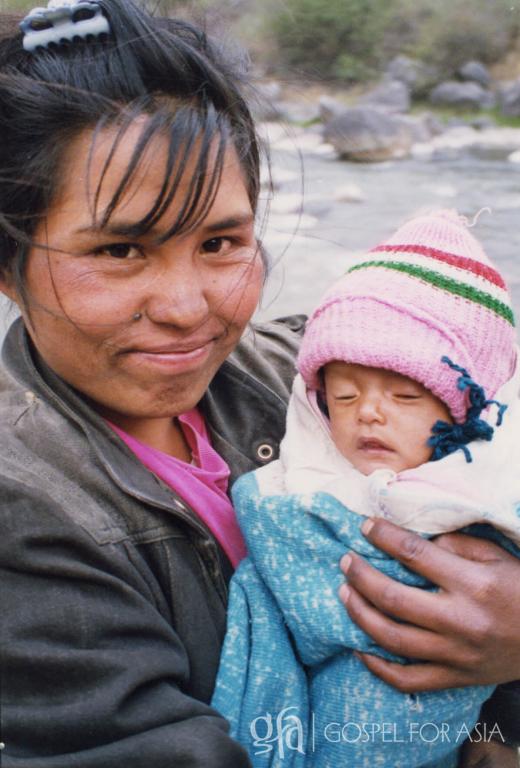
To avoid the “problem” of having a daughter and the impending burdens they bring, many parents will either abort the girl child or neglect them once they’re born, like that mother at the medical camp had done.
Even before they take their first breath, females are denied the basic human right to live.
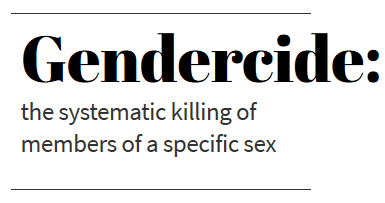
The shocking issue of gendercide was revealed in the 2012 documentary called “It’s a Girl.” As stated on the film’s official website: “In India, China and many other parts of the world today, girls are killed, aborted and abandoned simply because they are girls. The United Nations estimates as many as 200 million girls are missing in the world today because of this so-called ‘gendercide’.”
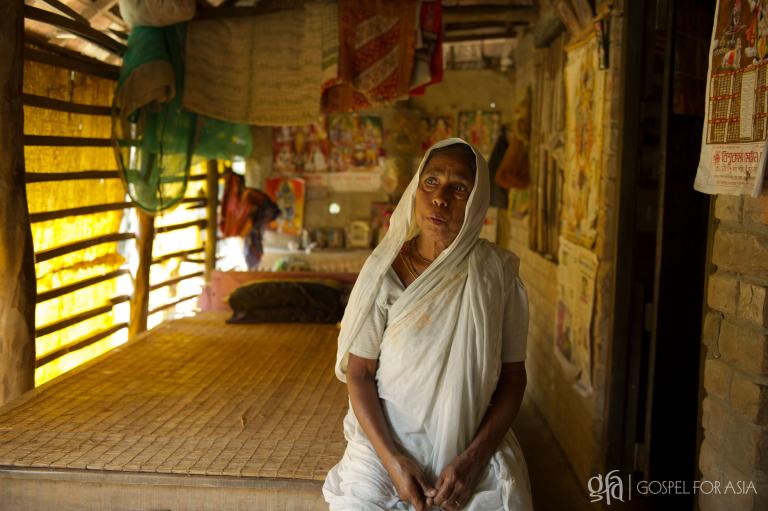
Think about it: 200 million girls and women who should be living and breathing right now, who could have made a contribution to their societies, who could have…changed the world. Yet they no longer exist, murdered even before they had the chance to live, or neglected without a care.
One nation in Asia (India) took a major step in preventing gendercide. In 1994, the government of India enacted the Preconception and Pre-Natal Diagnostic Techniques (Prohibition of Sex Selection) Act to address female feticide and sex-selection—prohibiting, in a word, “gendercide”. The authorities took it a step further in 2011 by condemning the “misuse of pre-natal diagnostic techniques for sex determination of fetuses leading to female foeticide.” Clearly put: Ultrasounds became illegal in India, if they were intended to determine the sex of the baby for the purpose of abortion. For one of the world’s most populous nations, these are great steps to prevent discrimination against women.
The Indian government also enacted various other laws that protect women and their rights, including the Prohibition of Child Marriage Act, the Dowry Prohibition Act and the Sexual Harassment of Women at Workplace (Prevention, Prohibition and Redressal) Act, and many more.
Yet Gospel for Asia field partners still see the horrific results of gendercide: hospital dumpsters holding the dead bodies of newborn baby girls. They’ve seen the disregard—even hatred—some have for their daughters and have shared some of those stories with us.
One is the well-known story of Ruth, whose father despised her for being born a girl. Another is about a couple who threw their newborn baby girl in the hospital dumpster because she looked “abnormal.” And yet another is about a daughter who was called the curse of the family.
In each of these cases, these young girls faced discrimination and mistreatment on the sole basis of being female. The only thing they had done wrong is be born with the wrong anatomy.
Watch Ruth’s story of persevering through abuse and discrimination from her father because she was born a girl.
The infant mortality rate among females in South Asia is 38.3 per 5,000 live births. Compare that to 5.5 for the United States and United Kingdom put together. Oxfam International reported once that “One in six deaths of a female infant in India, Bangladesh, and Pakistan is due to neglect and discrimination.”
The World Bank affirms this: “Much of the observed excess female child mortality is achieved not by outright infanticide or other physical abuse leading to death, but by more indirect forms of violence in the shape of neglect and discrimination resulting in death.”
=====
This Special Report has two more blogs coming — Targets of Abuse Part 2 | Targets of Abuse Part 3
Click here, to read more blogs on Patheos from Gospel for Asia.
Last updated on: October 27, 2019 at 2:37 pm By Karen Mains
This unfortunate widow lost her husband to a tiger attack in Asia.
Wills Point, Texas – GFA (Gospel for Asia) – Use Mother’s Day to Honor Remarkable Moms & Educate Needy Girls
I have this gnawing intuition that Mother’s Day might be utilized as a day to contribute positively and substantively to the plight of women worldwide.
Originally, in fact, Mother’s Day was organized for just such a purpose. Started in 1908 by Anna Jarvis to honor her mother, Ann Reeves Jarvis, the daughter wanted to continue the work her mother had started.
I have this gnawing intuition that Mother’s Day might be utilized as a day to contribute positively and substantively to the plight of women worldwide.
Ann Reeves Jarvis had been a peace activist who cared for wounded soldiers on both sides of the Civil War. She had also created Mother’s Day Work Clubs to address public health issues and to teach local woman how to properly care for their children. In 1868, Ann Reeves Jarvis organized “Mothers’ Friendship Day,” where mothers gathered intentionally with former Union and Confederate soldiers to promote reconciliation.
In 1870, Julia Ward Howe, the abolitionist and suffragette, wrote the “Mother’s Day Proclamation,” which asked mothers to unite together in promoting world peace. Anna Jarvis, the daughter, was appalled by the eventual commercialization of her original idea of Mother’s Day, which Woodrow Wilson proclaimed a national holiday in 1914 by presidential proclamation.
In May of 1968, Coretta Scott King, the wife of Martin Luther King Jr., hosted a march on Mother’s Day in support of underprivileged women and children. Incredibly, she did this one month after her husband, Dr. Martin Luther King, was assassinated in April of that year.
I think we can safely assess that the original intents for Mother’s Day were to honor our individual mothers in some way but to also leverage the day into meaningful altruistic enterprises.
Certainly, there must be a portion of that $23,000,600,000 that retailers wouldn’t mind sharing in order to prevent the swelling demographic of 100,000,000 or so missing women. I wonder if we could possibly redirect our attention (or at least part of it) on this day to honor the remarkable mothers of the world, those who despite untold and unbelievable circumstances have survived.
I get frustrated when I am inconvenienced if the electricity in my house goes out after a storm (and which the electric company soon fixes even if I don’t make a phone call of complaint). I do not have to plod across enemy lines in war-torn territory while balancing a small bundle of possessions on my head, cradling a nursing infant in my arms and dragging two other frightened and weary children by my side. I do not have to cook inside a hut where the smoke fills my lungs and brings on chronic pulmonary distress. These are inconveniences.
I think we can safely assess that the original intents for Mother’s Day were to honor our individual mothers in some way but to also leverage the day into meaningful altruistic enterprises.
Let’s see if we can’t discover ways to honor the truly remarkable moms and mothers of the world—those who scrape gardens out of depleted soil, spend hours a day hauling water, eat whatever meal remains after the men have left the table, find ways to keep clean and to organize their living spaces, put up with abusive mothers-in-law (with whom many are forced to live with), find the energy despite their own disabilities to raise children with love, insist that their daughters as well as their sons attend school to receive at least a modicum of education, and find ways to supplement their subsistence incomes.
There are an estimated 350,000 Protestant churches in the United States. (I know because our ministry used to send direct mail to most of them.) According to the Center for Applied Research in the Apostolate (CARA), there are some 17,156 Catholic parishes in the U.S. Most of these Christian centers have charities and mission outreaches they support. What if these congregations could find a way to honor remarkable moms in need. I can’t help dreaming of the impact a coordinated effortto sustain the mothers of the world—those who are now mothers, those who will be mothers, those who have lost their children and have outlived all or some of their offspring.
A loving mother in India poses for the camera with her newborn baby.
Certainly, these churches understand those rolling commands spoken by the prophet Isaiah centuries ago. He speaks for the Old Testament YAHWEH who expresses displeasure with the Israelites’ pseudo-religion:
“Is this not the fast that I have chosen: To loose the bonds of wickedness, To undo the heavy burdens, To let the oppressed go free, And that you break every yoke?
Is it not to share your bread with the hungry, And that you bring to your house the poor who are cast out; When you see the naked, that you cover him, And not hide from your own flesh?”
—Isaiah 58: 6,7
The irony of the missing-women quandary—enabled by entrenched cultural attitudes and systemic discrimination against the female sex—is that many places in the world with a skewed sex ratio are now experiencing such high female shortages that there are no longer enough women to mate in marriage with the existing male population. Think about that 1:06 sex ratio (l:06 men to every one woman); multiply it into the millions. Can you imagine what that means?
The Wall Street Journal focused an article on this topic that dealt with South Korea:
“A cultural preference for male children has cost Asia dearly . . .
“Not just a human-rights catastrophe, it is also a looming demographic disaster. With Asian birthrates already plummeting, that means millions of women will never be mothers, and the economic and social impact on some of the world’s largest countries is incalculable.
“For decades, South Korea was Exhibit A in this depressing trend. By 1990, as medical advances made prenatal sex selection routine, the ratio of male-to-female babies soared in South Korea to the world’s highest, at 116.5 males for every 100 females.”
Projections made by the Population Council, a New York City-based research center, indicate that there will be an increase to 150 million missing women by 2035.
The world is just sensing the demographic wave that was set into motion years ago. This means that in China, in 2035, there will be as many as 186 single men for every 100 women. By 2060, in India, the sex ratio could curve even higher: 191 men for each 100 women.
The governments of both countries have established means and laws to correct this extraordinary deviation, and some progress is being felt. Fetal ultrasound imaging has been restricted and legislation aimed at gender equality has been enacted. China even offers financial incentives to couples with daughters and announced it was abandoning its one-child policy. But demographers warn that even if both countries brought their sex ratios to normal, the damage has been done. Hundreds of millions of Asian men in their 50s will still be unmarried in 2070. In India, the result is projected to be around 15 percent.
I would suggest we find ways to emphasize the education of girls (our future mothers) in all the countries of the world and particularly in those that are high on the missing-women list.
South Korea, once the Exhibit A in the “depressing trend,” is now—partly because of the political insistence of a growing body of educated women—beginning to reduce its sex ratio through a variety of intentional national policies. By 2005, the ratio had become 110 males for every 100 female babies. Five years later, the ratio became 107, finally normalizing at the natural level of 105.
So, if I, a one-woman bandwagon, were going to organize some sort of national solidarity movement with the remarkable mothers of the world who are surviving circumstances that would have sent me screaming into the bush like a banshee, I would suggest we find ways to emphasize the education of girls (our future mothers) in all the countries of the world and particularly in those that are high on the missing-women list.
Why education when other immediate needs are so great? Education first because it changes the whole trajectory of one child’s life, and when women are educated, it ensures economic advantages for the whole nation.
The World Bank maintains, “The power of girls’ education on national economic growth is undeniable: a 1 percentage point increase in female education raises the average gross domestic product (GDP) by 0.3 percentage points and raises annual GDP growth rates by 0.2 percentage points.”
The World Bank stresses that girls’ education goes beyond getting girls into school. It is also about ensuring that girls learn and feel safe in school. One research study in Haiti indicated that “one in three Haitian women (ages 15–49) has experienced physical and/or sexual violence, and that of women who received money for sex before turning 18 years old, 27 percent reported schools to be the most common location for solicitation.”
The World Bank maintains, “The power of girls’ education on national economic growth is undeniable…”
The fact sheet on girls’ education provided by UNESCO (United Nations Educational, Scientific and Cultural Organization) explains:
Some 31 million girls of primary school age are not in school, 17 million of which are expected to never enter school.
Some 34 million female adolescents are missing secondary schools, which often offer vocational skills that are essential for procuring future jobs.
Two-thirds of the 774 million illiterate people in the world are female.
I love this beautiful story from the archives of Gospel for Asia’s field reports:
One day a cook at a Bridge of Hope center noticed an elderly woman begging on the street. Some 75,000 children from the lowest levels of poverty in Asia are each being sponsored for $35 per month so they can receive education in the Bridge of Hope centers, one meal a day, school supplies and periodic medical checkups.
The cook was distressed because the older woman had a child in tow: a little girl, filthy and ragged. Often adult beggars use children as bait to receive monies, then pocket the funds and do nothing for the child.
“Why are you exploiting this child?” the cook challenged, and to his surprise, the older woman broke into tears and wept.
She wasn’t a professional beggar but the grandmother of the little girl, Daya, who had been abandoned by both her mother and father. Without income and desperate, the grandmother had begun begging at bus stops, train stations and on the streets. With a change of heart, the cook invited the grandmother to enroll Daya in the Gospel for Asia-supported Bridge of Hope center, which was a building wedged between a railway station and a slum, consequently available to children without a future.
A young Southern Indian holds an orphan child, depictive of so many abandoned girls like little Daya, who need a remarkable mom.
The little girl was enrolled in the learning center but was so filthy that other parents complained, and the Bridge of Hope staff did an intensive scrub session to relieve the child of dirt and germs and the same filthy clothes she wore unwashed each day. They introduced her to soap and taught her to use it when she washed. Indeed, Daya’s future hung in the balance. If rejected from the Bridge of Hope center, she would return to the streets as one of the hundreds of thousands of child beggars in Asia. At some point, she would likely join the 20 to 30 million other boys and girls who are exploited as child laborers. Or worse yet, she would be entrapped in prostitution.
So cleaned up and scrubbed, little Daya, 8 years of age, was enrolled in the Bridge of Hope learning center and the same cook who had challenged her grandmother begging on the streets now provides the child (and the other children in the center between the railroad and the slum) one nourishing and well-balanced meal per day.
More than six years later, Daya knows how to use a bar of soup. She wears the beautiful dress the other girls wear: a school uniform. She is doing well at school and wants to become—no surprise—a teacher herself.
This Mother’s Day, you might want to consider inviting your extended family to help sponsor a future, potentially remarkable mom for $35 a month—that’s $420 a year—well within the range of the accumulated income of a American nuclear family. Or perhaps your civic group or your whole church would like to create a “solidarity unit,” a united front of some kind and take on 10 little girls, dirty and hungry, some without even an aging grandmother to look out for them. Think of this as a preventive strike: Sponsor them now before they become part of that tragic 100-million-missing-woman statistic. I’m no mathematician, but 10 multiplied by $420 is $4,200—well within the donor capacities of a church, or a civic group or a neighborhood association or a women’s club.
The millions of children in Asia who are caught in bonded labor are not just numbers or statistics—they are real children.
My sister is 10 years old. Every morning at 7 she goes to the bonded labor man, and every night at 9 she comes home. He treats her badly. He hits her if he thinks she is working slowly, or if she talks to the other children, he yells at her. He comes looking for her if she is sick and cannot go to work. I feel this is very difficult for her. I don’t care about school or playing. I don’t care about any of that. All I want is to bring my sister home from the bonded labor man. For 600 rupees I can bring her home—that is our only chance to get her back. We don’t have 600 rupees…we will never have 600 rupees [the equivalent of U.S. $14].
The GFA website explains: “The millions of children in Asia who are caught in bonded labor are not just numbers or statistics—they are real children. Though nameless and faceless on the streets where they live, each one was created with love and is known by God.
“It is doubtful they’ve ever held a toothbrush or a bar of soap; they’ve probably never eaten an ice-cream cone or cradled a doll. The child laborers of Asia toil in fireworks, carpet and match factories; quarries and coal mines; rice fields, tea plantations and pastures; and even brothels. Because they are exposed to dust, toxic fumes, pesticides and disease, their health is compromised; their bodies are crippled from carrying heavy weights.”
What if our Mother’s Day expenditures had something to do on a grand scale with little Dayas all over the world, who with a helping hand, could become remarkable moms instead of missing mothers?
I have a granddaughter who is 10 years old. Four mornings a week, I pick up Eliana and her brother, Nehemiah, to drive them to school. This is to help their mother who was married to my son who passed away. She is raising three children alone and has a full-time job. Our son, her husband and their father, died five years ago at age 41 of blastic mantel cell lymphoma.
According to the studies on children raised without fathers, they are vulnerable. So we live close, are on-call when babysitters fall through and try to do lots of one-on-ones. I am certain my granddaughter Eliana, age 10, will never have to worry about entering bonded labor or be forced to go begging on the streets. But for so many young girls in Asia, this will be their fate … unless we intervene.
What if our Mother’s Day expenditures had something to do on a grand scale with little Dayas all over the world, who with a helping hand, could become remarkable moms instead of missing mothers?
Eight years ago, I experienced just a taste of the mission field. I walked through grimy slum alleyways to reach a cheerful Bridge of Hope center; I walked along dusty village paths to a place known as “the miracle church” because of the mighty acts of God witnessed there; I pumped the handle of a Jesus Well that was the answer to many prayers; I worshiped alongside believers whose language I didn’t know, but whose God I did know.
Each of those experiences is precious, but the one that stands out most vividly, even years later, is an interaction I had with a missionary whose name I do not know.
I call him the brother from the window.
While in Asia, I visited a place that was familiar to me—not because I had been there before, but because I had prayed for that exact place just months earlier. We had received a report that a group of Gospel for Asia (GFA)-supported missionaries had been attacked and beaten. It was due to some huge misunderstanding with the community, but it resulted in a few brothers being injured. We prayed, and then just three months later, I was standing among some of those same brothers.
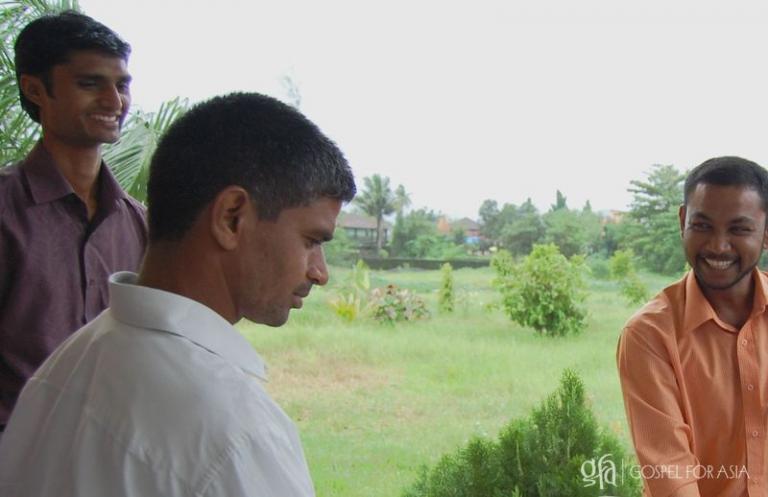
These are just a few of the Gospel for Asia (GFA)-supported brothers whom God is working through to transform lives. “The brother from the window” is pictured far left, in purple.
I heard the testimonies of a few who endured the beating—and they spoke with smiles on their faces. That experience was not something that made them bitter or hardened against those who hurt them. Rather, they overflowed with joy and thanksgiving that they had personal relationships with Jesus and could suffer for His sake.
Although the language and cultural barrier was quite real, I connected more with this place and these brothers than anywhere else I visited. I didn’t want to leave.
But I had to. I did not belong there. It was clear how inefficient I would be ministering in that area. My distractingly pale skin and total dependency on a translator would hinder their ministry more than help it.
As we were driving away from this place that had captured my heart, I remember praying a simple prayer, “Lord, I really don’t want to leave yet. Can’t we stay a bit longer?”
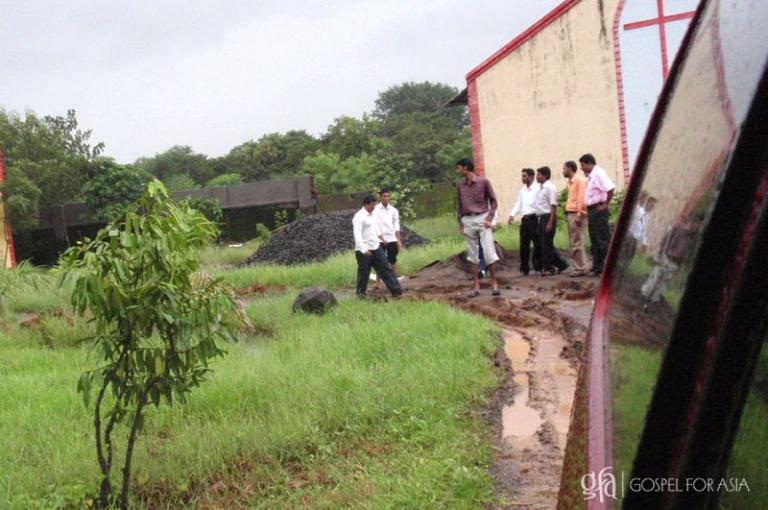
Then our vehicles got stuck in the mud from the recent downpour. Really stuck. My prayer was answered!
I had heard about these national missionaries my entire life. I knew how dedicated they were, how they endured hardship for the sake of their Savior, and how God was working through them so powerfully. In my head, I knew they were just human beings, but they still felt superhuman.
These humble servants of God are just a few of the national missionaries who are enabled to do ministry through Gospel for Asia’s National Missionary Program.
Now I saw these life-long heroes come running out of buildings, rolling up their pant legs and jumping between mud puddles to push our cars out. If you’re like me and have ever helped push a few cars out of the mud, you know how covered you can get as the stuck wheels spin. But I saw these brothers—these missionaries—joyfully laughing as they got muddy and wet from the rain, and I realized these are young men like we have in the States. They like getting muddy sometimes; they are strong; they revel in a challenge; they have a bond of comradery and love to aid those in distress, like this helpless American girl who was in a stuck car!
They got our vehicle free after a few attempts, and we drove a few yards to drier ground. Then I met the brother from the window.
While the other missionaries started heading back to the buildings (to clean up, I imagine), one brother ran up to my vehicle. He poked his head through the open window, looked me in the eyes and said:
“Pray for us. Don’t forget us! Pray for us.”
His words echoed in my mind as we drove away. Pray for us. Don’t forget us. The dots started connecting. I had been in America months earlier and had heard these specific brothers needed prayer, and I prayed. And now I saw the fruit of those prayers. I had been part of sponsoring missionaries through Gospel for Asia for years already, and I had been part of encouraging many other people to sponsor and pray too.
That’s what I was supposed to keep doing, that’s what my role was. Everything I had heard about national missions over the years was confirmed: My role—and many other people’s roles—was to support national missionaries as they did what I couldn’t do in Asia. And one day, probably in heaven, I’ll see the fruit of that too.
I left that precious place knowing that’s what God was telling me to do. Keep praying for these missionaries, and help others remember them too. Don’t forget them.
So I encourage you today: Pray for these men and women, and don’t forget them. And remember how human they are—humans doing extraordinary things for the Lord, by His strength.
What does God want to do through you?
=====
Click here, to read more blogs on Patheos from Gospel for Asia.
Last updated on: November 5, 2019 at 5:08 pm By GFA Staff Writer
Gospel for Asia (GFA) Report, Wills Point, Texas
You know that awkward moment when you’re stopped at a red light, and you can feel the presence right outside your window. You study the road in front of you, trying, unconvincingly, to look casual and nonchalant. Before, when you slowed down for this stop light, you saw the panhandler standing at the corner. You knew you were going to end up idling right next to him. You quickly think to yourself, What do I do? Do you smile and look away? Do you give him money? What are the chances it won’t go straight to the liquor store till? His sign says he has a family. Does he really? Will they see a cent of any money you give him? What about if you give him a gospel tract? Isn’t that really his greatest need: Jesus?
I have often wrestled through these questions and settled on one of the actions above, but never with complete satisfaction that it was the best way to help or exactly what Jesus would have done.
Usually, when Jesus was approached by the needy, disabled or downcast, He met their immediate physical needs, often through healing. But He also fed people, just because they were hungry. In fact, He told us that when we meet the immediate physical needs of people in front of us, we are ministering to Him directly.
“Then the King will say to those on His right hand, ‘Come, you blessed of My Father, inherit the kingdom prepared for you from the foundation of the world: for I was hungry and you gave Me food; I was thirsty and you gave Me drink; I was a stranger and you took Me in; I was naked and you clothed Me; I was sick and you visited Me; I was in prison and you came to Me. Then the righteous will answer Him, saying, ‘Lord, when did we see You hungry and feed You, or thirsty and give You drink? When did we see You a stranger and take You in, or naked and clothe You? Or when did we see You sick, or in prison, and come to You?’ And the King will answer and say to them, ‘Assuredly, I say to you, inasmuch as you did it to one of the least of these My brethren, you did it to Me.’” —Matthew 25:34–40
Our field partners in Asia see the same kind of desperate needs that we read about in the gospels. People affected by leprosy. People without access or means for medical treatment. Families too poor to send their kids to school or even feed them. There are so many natural disasters in rural Asian countries that don’t have the infrastructure to respond.
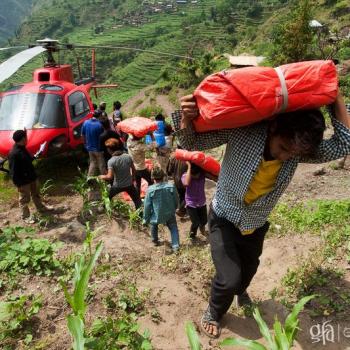
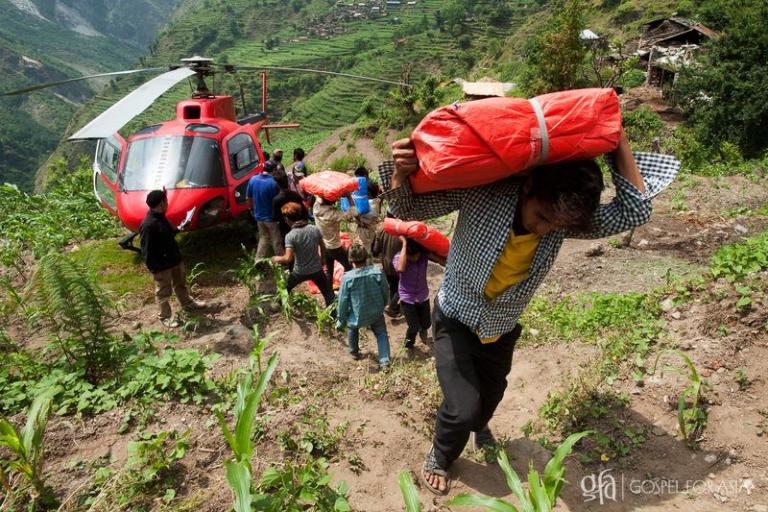
Relief packets, distributed by Gospel for Asia-supported Compassion Services workers, being helicoptered into remote locations in Nepal following the catastrophic earthquakes in 2015.
Gospel for Asia-supported Compassion Services teams are there to meet people’s real-time, immediate needs. Things like medical checkups and flood relief. These are vehicles for people to experience the real love and compassion of Jesus. Jesus sees their need. He sees their plight. He is not deaf to their cries, they reach His throne in heaven.
Compassion Services is where heaven touches earth. Washing a leprosy patient’s wounds gives physical representation to the spiritual reality of God’s cleansing forgiveness. Rebuilding the home of a family who lost everything in an earthquake speaks of an eternal home that cannot be destroyed.
When we reach out to the immediate physical needs of those around us in the name of Jesus, He ministers to them through us. We become the very hands and feet of Jesus on earth.
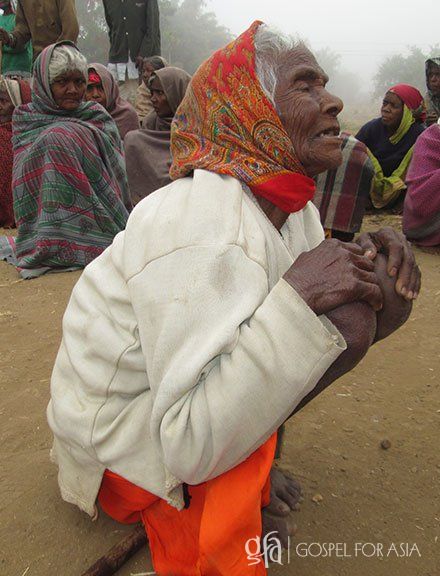
This is Rayna, a 125-year-old woman who received a blanket.
In a tiny farming village in Asia, two Sisters of Compassion met 125-year-old, Rayna, a poor widow who has lived her whole life in this village. The sisters made weekly visits to Rayna to hear her stories culled from 125 years of love and heartache and to pray for her. They noticed the torn and smelly blanket she used for warmth and realized she and her family couldn’t even afford a new blanket, because they used all their income on daily survival. There was no money left for improving their lives. The sisters were able to provide a new, warm blanket for Rayna through a gift distribution.
“During night time, I feel cold because there were no warm clothes in my house, and I struggled a lot,” Rayna said. “I could not afford to buy a blanket to protect me. But thank you very much for giving this blanket.”
Gospel for Asia partners work right in the middle of some of the most difficult plights of human need. Our partners work in 44 leprosy colonies in Asia, where leprosy still has a life-long stigma. As people affected with leprosy are often cast out of society, they gather in groups or “colonies” for safety. Our partners are busy ministering to these outcasts by cleansing their wounds, getting them medical attention, and providing livelihoods, such as goats, through GFA’s Christmas Gift Catalog so they have a sustainable means of living. We even have an onsite cobbler at one of the colonies to provide custom shoes for those with feet too disfigured to wear normal shoes.
Our field partners also work in slums spread across Asia, providing toilets and blankets to those who do not have access to these items of basic human need. We host medical camps in slums, leper colonies and poor rural areas that have no access to any sort of health care. Often in these areas, people’s only resource for medical care are traditional practices that spread more disease than cure.
After the decimating series of earthquakes in Nepal in 2015, coordinated relief efforts came from many Gospel for Asia (GFA)-supported partners in Indian states. Supplies of clothing, food and medicine were assembled to meet immediate needs. Building supplies were collected to help with reconstruction. Even school supplies were provided for thousands of children that lost everything. In times of crisis, when warning is impossible, Gospel for Asia (GFA)-supported Compassion Services are poised to respond immediately and remain for the long haul.
Jesus made time for the needy around Him. Even when He was busy, on His way somewhere, a desperate woman who reached out to Him was not turned away, but healed (Mark 5:21-34). Men would cry out to Him from the side of the road, and Jesus paused to listen and minister to their physical needs (Matthew 20:29-34). Often this led to spiritual transformation as well.
By touching people’s lives by meeting immediate physical needs, the door is open for deeper healing as well.
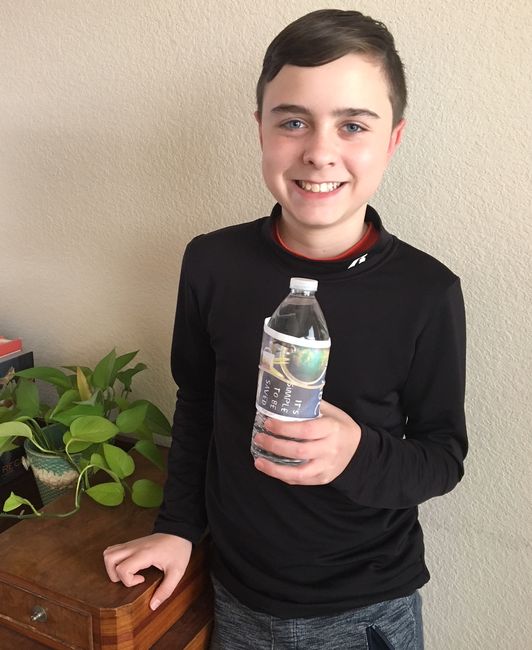
Bottled water and a gospel tract for those standing in 100-degree weather.
You remember the panhandler at the intersection? This is my someone-asking-for-help-while-I’m-busy-on-my-way-somewhere moment. How will I respond? Once I had kids and knew that these four little people were watching my life, I determined to come up with a way to reach out to panhandlers. I was done looking the other way and feeling embarrassed, not knowing what to do. So I put together a plastic bin that sits in my van, right between the two front seats filled with bottles of water. Each water bottle has a gospel tract rubber-banded around the outside. Tucked into the gospel tract is $1. My kids and I pray over the gospel tracts and write a warm note of encouragement before we wrap them around the water bottles. Now that we live in Texas, bottled water is perfect. When we lived in Washington State, it was cans of soup.
There are so many ways that Jesus continues to minister to the needs of people around the world. And He does it through the small and big acts we carry out every day. When we, as the Body of Christ, show up in a recently flooded village where all the crudely constructed homes have been washed away, Jesus is there. When we give a bottled water to someone standing on a street corner in 100-degree weather, Jesus is there. We are the literal hands and feet of Jesus reaching out in our local communities and across the globe, meeting people’s immediate physical and spiritual needs. Being the conduit for heaven to touch earth.
=====
Click here, to read more blogs on Patheos from Gospel for Asia.
Last updated on: December 6, 2019 at 2:04 pm By GFA Staff Writer
If the greatest misunderstanding about leprosy is believing that it is a highly contagious disease, the second is misunderstanding its pain.
In fact, leprosy is highly treatable and curable, and nerve damage can be entirely avoided. Early treatment, in other words, limits leprosy to a minor skin disease. Even in people with advanced stages of leprosy, the likelihood of others contracting the condition is minimal at best.
As to the matter of pain, the nature of the leprosy bacteria is that it seeks primarily the cooler parts of the human body: the skin and the extremities. Once there, it can cause unsightly discolored lesions and nerve damage. The nerve damage compounds the damage by making the injuries, bruises, cuts and sores imperceptible to the victim. That unrecognized damage leads to more sores and, often, the eventual loss of fingers and toes.
Like many other diseases, the longer the disease is untreated, the greater the internal pain. But that is not the worst pain someone infected with leprosy a bears.
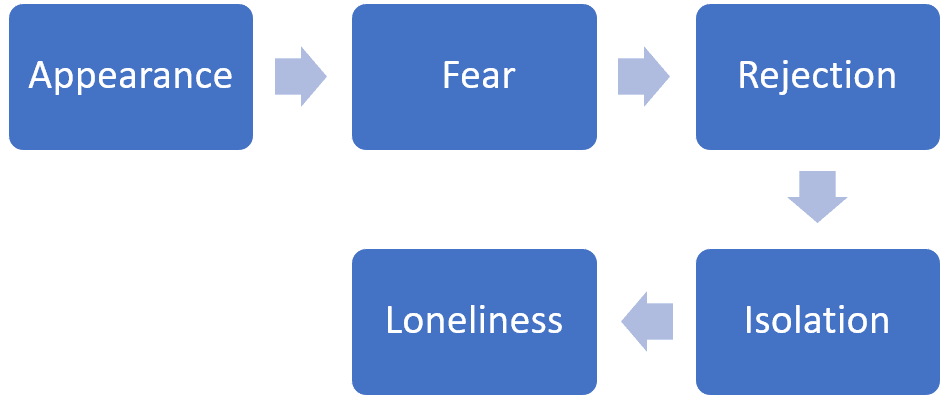
Leprosy, in its various forms and manifestations, has been viewed as an abomination in every culture in which it exists for more than the millennia. The common fear of contagion and the response to the repulsion of the external damage have typically cut off people with leprosy from society to spend the rest of their lives dealing with the pain and misery of rejection, shame and loneliness.
The unrealistic perception of the otherwise healthy population imposes medically irrational isolation on victims of leprosy. The path to the pain of loneliness looks something like this:
Leprosy: The Path to Pain (GFA)
It is part of the human condition to fear the unknown – and to fear that which is not visually appealing. Leprosy presents both conditions. Therefore, the uniformed response is rejection at the family and communal levels.
The scope of rejection, in fact, goes far beyond, as evidenced by the fact that World Leprosy Day is necessary to raise awareness of the disease. Our human nature, left untransformed, doesn’t even want to think about it.
In some developing nations of Africa and Asia, the misunderstanding of leprosy runs deep. Most, but not all, cases of leprosy appear in the poorest of communities, so victims may already be objects of derision living in slums and already isolated from the community at large. But people with leprosy are rejected by their own equally impoverished families and friends.
“While this ancient disease may be largely forgotten in many parts of the world, it’s an everyday reality for many in Asia,” said Dr. KP Yohannan, Gospel for Asia founder.
Left to fend for themselves, they are relegated to leper colonies where they can be amongst “their own,” often without treatment and without apparent hope. This is the pain of leprosy. Life separated from family and former friends. Life where the other residents bear the same “shameful” marks and disease. Life where all you see is the unsightly and loathsome ravages that others don’t want to see. Life in the pain of despair.
Through national missionaries and aid workers, Gospel for Asia (GFA)-supported leprosy ministry provides practical relief services to these victims, including food distribution, medical aid, health and hygiene awareness programs, adult education and tuition centers for children.
The ministry also offers Sunday school and fellowship groups to those forced to live in leprosy colonies, giving sufferers the opportunity to hear about Jesus’ unconditional love for them.
During the week surrounding World Leprosy Day, Gospel for Asia (GFA)-supported missionaries demonstrate Christ’s love through special one-day programs. Beyond their routine care for these leprosy patients, they also clean leprosy colonies and individual patient homes. Doctors will also visit the colonies to provide much-needed medical care. In addition, missionary teams will provide patients with gifts, such as blankets, shoes and goats, which can be used for individual or community income-producing opportunities.”
Prayer Point: Pray that people with leprosy will see the unconditional love of Jesus, as demonstrated to them by GFA-supported national workers.



 In 1993, the
 Think about it: 200 million girls and women who should be living and breathing right now, who could have made a contribution to their societies, who could have…changed the world. Yet they no longer exist, murdered even before they had the chance to live, or neglected without a care.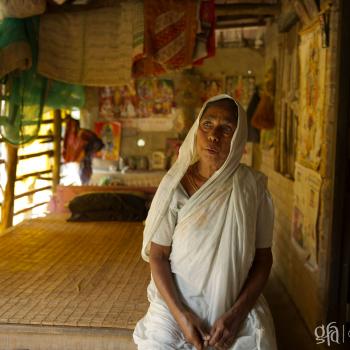









 Ad-Free & Subscriber Log-In