Special Offers
Buddhist
Catholic
Contemplative
Evangelical
General Christian
Hindu
Jewish
Latter-day Saint
Muslim
New Visions
Progressive Christian
Beliefs
Buddhist
Catholic
Contemplative
Evangelical
General Christian
Hindu
Jewish
Latter-day Saint
More Voices
Muslim
New Visions
Pagan
Progressive Christian
Topics
Religion News
Food and Religion
Sports and Religion
Religious Art
Religious Music and Entertainment
Religious Events
History and Religion
Style and Religion
Politics and Religion
Women in Religion
Recreation Outdoors and Religion
Business Finance and Religion
Careers Workplace and Religion
Education and Religion
Family Parenting and Religion
Health Fitness and Religion
Home and Religion
Relationships and Religion
Technology and Religion
Travel and Religion
Columnists
Buddhist Columnists
Business Finance and Religion Columnists
Careers Workplace and Religion Columnists
Catholic Columnists
Contemplative Columnists
Education and Religion Columnists
Evangelists Columnists
Family Parenting and Religion Columnists
General Christian Columnists
Health Fitness and Religion Columnists
Hindu Columnists
History and Religion Columnists
Home and Religion Columnists
Jewish Columnists
More Voices Columnists
Latter Day Columnists
Muslim Columnists
New Visions Columnists
Nonreligious Columnists
Pagan Columnists
Politics and Religion Columnists
Progressive Columnists
Recreation Outdoors and Religion Columnists
Relationships and Religion Columnists
Religion News Columnists
Religious Art Columnists
Religious Events Columnists
Religious Music and Entertainment Columnists
Sports and Religion Columnists
Style and Religion Columnists
Technology and Religion Columnists
Travel and Religion Columnists
Women in Religion Columnists
Resource Library
2026 Calendar
Library of World Religions
The 100 Most Holy Places on Earth
Patheos Answers
Podcasts
Videos
Faith Leaders Database
Anglican Episcopalian
Bahai
Baptist
Buddhism
Christianity
Confucianism
Eastern Orthodoxy
Hinduism
Holiness and Pentecostal
ISKCON
Islam
Judaism
Lutheran
Methodist
The Church of Jesus Christ of Latter-day Saints
New Age
Paganism
Presbytarian and Reformed
Protestantism
Religion Behind the Scenes
Roman Catholic
Scientology
Shia Islam
Sikhism
Sufism
Sunni Islam
Taoism
Zen
See all religions
Research Tools
Comparison Lens
Preacher Resources
Teacher Resources
Video
Podcasts
Thought Readers
Faith In Media Tracker
E-Books and Other Special Offers
God's Cheat Sheet to Finances
Books of the Bible Study series
History of the Bible
7 Day Prayer Challenge for Spouses
A Different Kind of Christian
Jesus is Love
Prayer Devotional
The Saints We Love
FaithChatter Conversation Cards
Newsletters
Special Offers
Ad-Free & Subscriber Log-In
Subscription Support
Trending:
Forgiveness
|
Marriage
|
Afterlife
|
Trump
|
Pentecost
|
Deconstruction
Seasons of Grace
Home
About Seasons of Grace
Favorite Links
Bio
Think This, Not That
Archive Index
Home
Catholic
Archives
Select a Category
#Synod14
Abortion
Abstinence
Abuse
Addiction
Adoption
Advent
Adventure
Advertising
Aging
Agnosticism
All Saints Day
All Souls Day
Amish
Anathema
Angels
Anglican
Animals
Annulment
Annunciation
Apocalypse
Apologetics
Apostles
Apostleship of the Sea
Apparitions
Archangels
Archbishop Cordileone
Archbishop Dolan
Archbishop Vigneron
Archeology
Architecture
Art
Art Buchwald
Ash Wednesday
Assisted Suicide
Astronauts
Atheism
Athletes
Babies
Baptism
Beatification
Beauty
Bible
Biochemistry
Bioethics
Birds
Bishop Lori
Bishops
Blasphemy
Books
Canon Law
Canonization
Capital Punishment
Cardinal Burke
Cardinal Dolan
Cardinal George
Caritas
Catechesis
Catechism of the Catholic Church
Catholic
Catholic Education
Catholic Higher Education
Catholic Social Teaching
Celibacy
Cemeteries
Character
Charity
Chastity
Cheapskate
Christian Unity
Christmas
Churches
Civil Rights
Cloning
Comedy
Communion of Saints
Community Kitchens
Confession
Confirmation
Conscience
Consequences
Consistory
Constitution
Contraception
Conversion
Cooking
Councils of the Church
Creativity
Criminal Justice
Cristero War
Crucifixion
Crystal Cathedral
Culture
Death
Death and Dying
Death Penalty
Department of Health and Human Services
Diaconate
Dictatorship of Relativism
Dignity
Disability
Discrimination
Dissidence
Divorce
Doctors of the Church
Early Church Fathers
Easter
Economics
Ecumenism
Education
Encyclicals
Environmentalism
Episcopal Church
Eucharist
Euthanasia
Evangelism
Evangelists
Evangelization
Evolution
Excuses
Facebook
Faith
Families
Family
Fashion
Fasting
Fatherhood
Federal Government
Feminism
Fiction
Film
First Amendment
First Communion
For Greater Glory
Forgiveness
Free Speech
Friends
Friendship
Gender Discrimination
Germany
Gnosticism
Good Friday
Government
Grace
Greed
Gregorian Calendar
Happiness
Health
Heaven
Heresy
History
Holidays
Holiness
Hollywood
Holy Land
Holy Saturday
Holy Spirit
Holy Week
Holy Year
Home Sweet Home
Homosexuality
Hope
Humanism
Humility
Humor
Imagination
Immaculate Conception
Immigration
Impulsivity
In Vitro Fertilization
Incarnation
Indulgences
Infallibility
Internet
Islam
Italy
Jerusalem
Jesus
Judaism
Justice
Kathleen Sebelius
Labor Movement
LCWR
Lent
Life
Literature
Liturgy
Lourdes
Love
Magi
Marketing
Marriage
Martyrdom
Martyrs
Mary
Mass
Media
Medical Ethics
Mexico
Michigan
Miracles
Missionaries
Modernism
Modesty
Monks
Monothelitism
Motherhood
Movies
Mushrooms
Music
Muslim
Mystery
Mysticism
Mythology
Nativity
Natural Law
Nature
New Evangelization
New Media
New Year
New Year's Resolutions
Nostalgia
Obscenity
Occult
Old Testament
Origen
Orthodox
Orvieto
Pallium
Papacy
Parenting
Patience
Patriarch Bartholomew
Patriotism
Peace
Peace and Justice
Penitence
Pentecost
People
Persecution
Philosophy
Poetry
Political activism
Political Correctness
Politics
Polls
Pop Culture
Pope Benedict XVI
Pope Francis
Pope John Paul II
Pope John XXIII
Pope Paul VI
Pope St. Pius X
Pope Urban VII
Population
Prayer
Preaching
Prejudice
Pride
Priesthood
Pro-Life
Protestantism
Psychology
Purgatory
Queenship of Mary
Racism
Rape
Real Presence
Reconciliation
Reformation
Relics
Religious
Religious Liberty
Reliquary
Renewal
Reproductive Technology
Resurrection
Rights
Romance
Rome
Royalty
Sacraments
Sacred Heart
Saints
Satanism
Science
Science Fiction
Scripture
Seal of Confession
Secularism
Seniors
September 11
Seventy Times Seven
Sexuality
Sharks
Sin
Smoking
Social Communications
Social Justice
Social Networking
Social Sciences
Space Exploration
Spirituality
Sports
St. Luke
St. Patrick's Day
St. Paul
St. Peter
St. Teresa of Avila
Stations of the Cross
Steve Jobs
Superstition
Supreme Court
Symbolism
Synod
Technology
Teen Rebellion
Television
Terrorism
Thankfulness
Thanksgiving
Theology
Think This, Not That
Tobit
Toilets
Toys
Tradition
Traditions
Transplants
Travel
Trinity
Twitter
U.S. Air Force
Uncategorized
United Nations
USCCB
Valentine
Vatican
Vatican Archives
Vatican Blogfest
Virtue
Vocations
Where We Pray
White Heart
Women
World Day of Social Communications
World Meeting of Families
World News
World Youth Day
Worship
Writing
Year of Consecrated Life
Year of Faith
Year of Mercy
Youth
Select a Month
December 2015
November 2015
October 2015
September 2015
August 2015
July 2015
June 2015
May 2015
April 2015
March 2015
February 2015
January 2015
December 2014
November 2014
October 2014
September 2014
August 2014
July 2014
June 2014
May 2014
April 2014
March 2014
February 2014
January 2014
December 2013
November 2013
October 2013
September 2013
August 2013
July 2013
June 2013
May 2013
April 2013
March 2013
February 2013
January 2013
December 2012
November 2012
October 2012
September 2012
August 2012
July 2012
June 2012
May 2012
April 2012
March 2012
February 2012
January 2012
December 2011
November 2011
October 2011
September 2011
August 2011
July 2011
June 2011
May 2011
April 2011
March 2011
February 2011
January 2011
December 2010
November 2010
October 2010
December 2015
December 21, 2015
Parting Is Such Sweet Sorrow…. My Farewell Tribute to Patheos
Patheos, I have loved you. When Elizabeth Scalia first invited me to sit in her...
December 20, 2015
THE O ANTIPHONS and the Beatles: Great Secrets Revealed?
First, I mean no disrespect—but if you are a theologian or a historian or a...
December 19, 2015
LOOKING BACK: Eight Really Big Stories from “Seasons of Grace”
What do readers want in a good Catholic blog? As the year draws to a...
December 16, 2015
He’s Coming! The Great O Antiphons
He’s coming! And as the Church anticipates the coming of the Messiah at Christmas, we...
December 14, 2015
Serena Williams Just Took Feminism Back a Generation
Serena Williams, named Sports Illustrated's 2015 "Sportsperson of the Year," dressed for her cover photo...
December 14, 2015
Common Core Architect: Faithful Catholic Schools Shouldn’t Fear New SAT
For years now, Catholic schools have felt pressured to conform to the Common Core because...
December 13, 2015
I LOVE THE ROSE CANDLE! The Significance of Gaudete Sunday
How often a good idea finds expression in the rich liturgy and tradition of the...
December 12, 2015
Michigan AG Sues Abortion Doc Who Had “Products of Conception” in His Trunk
Dr. Michael Roth, the Michigan abortionist who was busted by police last October with drugs...
December 09, 2015
DEAR MR. DEAR: Pro-Lifers Don’t Kill People. You Don’t Speak for Us.
Robert L. Dear Jr., the shooter who burst into a Colorado Springs Planned Parenthood clinic...
December 08, 2015
Wear the Veil Day: Catholic Young Women Veil in Devotion to the Real Presence
On December 8, the Feast of the Immaculate Conception, many young Catholic women across America...
December 07, 2015
The Christmas Plains: A Sentimental Classic from Joseph Bottum
Joseph Bottum is the kind of storyteller who captures your attention with a straightforward phrase, a wordsmith who tickles...
December 04, 2015
Under the Christmas Tree: Books for Children of All Ages
Each year during Advent, I've tried to offer a list of great books for children:...
December 02, 2015
Disgraced Priest Fr. Edward Belczak Sentenced to Prison
It's a story of sin and deception, forgiveness and remorse. On December 1, Father Edward Belczak,...
November 2015
November 29, 2015
The Miraculous Myrrh-Streaming Icon of St. Anna
We've had an interesting visitor in my hometown of Detroit this week. An icon of...
November 25, 2015
New Book Tells the Story of Mike Huckabee: A Man of the People
When I heard that the Patheos Book Club was featuring Scott Lamb's new authorized biography...
November 24, 2015
SHOCKING: Consecrated Hosts Desecrated in Spanish Art Exhibit
A new low for performance art: In the city of Pamplona, Spain, artist Abel Azcona used consecrated...
November 24, 2015
Ordinariate of the Chair of St. Peter Just Got Its First Bishop
Just announced: Pope Francis has appointed Monsignor Steven J. Lopes to be the first bishop...
November 23, 2015
Football Family’s Faith Inspires, As 5-Year-Old Chad Carr Loses Battle With Cancer
Chad Carr, the five-year-old son of former University of Michigan quarterback Jason Carr and the...
November 22, 2015
A Pencil in God’s Hand: Mother Teresa’s Story Comes to the Big Screen
Anjezë (Agnes) Gonxhe Bojaxhiu was only twelve years old when she first felt the call...
November 21, 2015
HuffPo’s Latest Anti-Catholic Screed Ignores the View of Faithful Catholics
The Huffington Post has sunk to a new low in inviting the director of Dignity,...
November 21, 2015
“A Brotherhood of Crime”: Five Charged in Leaks of Vatican Documents
Three former Vatican officials are among the five people formally charged by the Vatican on November...
November 19, 2015
Cardinal Sarah: Even Pope Can’t Dispense With Laws re. Communion
"The entire Church has always firmly held that one may not receive communion with the...
November 19, 2015
Ben Carson Explains His “Much Ado About Nothing” Comment; Opposes Euthanasia
Pro-life Americans have been concerned this week about a statement by presidential candidate Ben Carson,...
November 18, 2015
A New Welcome Mat for the Year of Mercy
Pope Francis just gave me an idea: I need a new Welcome Mat to kick...
November 17, 2015
Why Catholics (And Everyone Else) Should Stay Away From Horoscopes
“I would like to ask you," said Pope Francis in his Sunday Angelus address, "...but...
November 15, 2015
Devastating Fall Brings Miracle Healing for Annabel Beam
When Annabel Beam was only five years old, she was diagnosed with two painful, life-threatening digestive disorders....
November 15, 2015
Live Now on the BBC: Memorial Service at Notre Dame
If you hurry, you can watch this: Beautiful Notre Dame Cathedral, filled to capacity with...
November 15, 2015
“Much Ado About Nothing”? Ben Carson Just Lost Me Over the Terri Schiavo Case
Perhaps you've noticed: While I haven't endorsed a candidate for the presidency, waiting to give...
November 13, 2015
Just In: Statement from the Holy See on Paris Terrorism
This just out from Salt + Light TV: The Holy See Press Office has released...
November 13, 2015
BREAKING: Supreme Court to Hear New Abortion Case
On Friday, November 13, the U.S. Supreme Court agreed to hear the first new abortion...
1
2
3
4
5
»
Related posts from
Seasons of Grace
Catholic
Flannery's Peacocks: "King of the Birds" Run Amok
Seasons of Grace
Catholic
Happy Birthday, St. Teresa of Avila: Patron of...
Seasons of Grace
Catholic
So You Want to Be a Writer... You...
Seasons of Grace
Catholic
Will the Vatican Establish a Secretariat for Communications?...
Seasons of Grace

 Seasons of Grace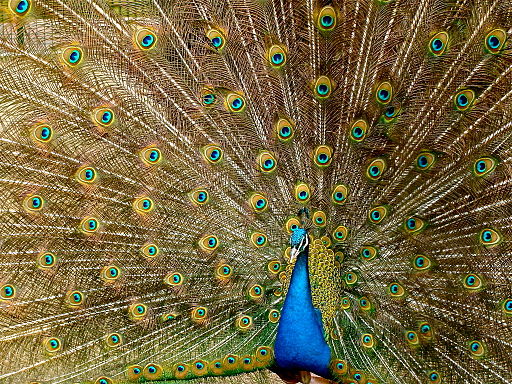




 Ad-Free & Subscriber Log-In