Last updated on: November 12, 2022 at 9:58 am By GFA Staff Writer
WILLS POINT, TX – Gospel for Asia (GFA) – Discussing the life-changing impact of Jesus Wells on families in Asia who lack any access to safe drinking water.
You need to get some water for a family meal so you head for the kitchen sink. It’s almost automatic; you do it every day. Probably several times a day. You turn on the faucet, but you feel “a sinking sensation” when no water pours from the tap.
You panic.
Yes, you panic. What am I going to do? We need water. Your mind races as you subconsciously understand you may not be able to make food for your family if you can’t get water. You wonder how long you will be without water. A call to the utility company frustrates you because you hear a recorded message: “Our operators are busy assisting other customers.”
While you are on hold, you ask your spouse to run to the store to buy some bottled water. After waiting 20 minutes or so, you learn from the water company that a major main has been severely damaged. They say it might take three months to repair it. Everyone in town is affected.
Adding insult to injury, your husband is late returning home. He has visited all the nearby stores in your small town only to discover they had all sold out of bottled water and has confirmed what you already learned after waiting on hold: You weren’t the first family to learn of the crisis.
Crisis: Lack of Water
The local news will report that the crisis is the damaged water main.
The true crisis, however, is that families are withoutwater. And at least for a while, you don’t know where to find water fit for drinking.
You will be facing a crisis that defines everyday life for 163 million people in Asia. That is approximately half the population of the United States.
Many of those people live in rural villages where there are no water-delivery systems and no safe drinking water nearby. And they have no access to the convenience of bottled water.
They live in a constant state of crisis. Every single day. And it’s not just a matter of quenching thirst. Based on reports from the World Economic Forum (WEF), more than 200,000 people in South Asia die every year—547 every day—because of limited access to safe water close to their homes.
Do you think that NGOs and FBOs such as Gospel for Asia resort to hyperbole when they relate the monumental burden that Asian women have to fetch water for their families? The WEF report says, “On an average, a rural woman walks 5 kilometers to 20 kilometers (3–12 miles) a day just to fetch water.”
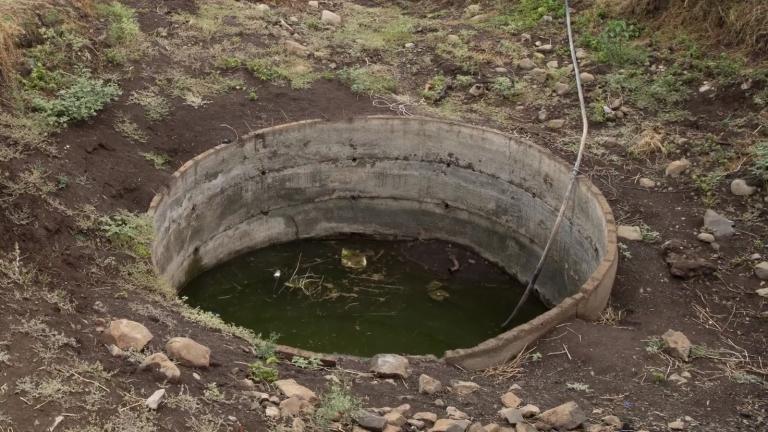
Making matters worse, the water they fetch is either polluted or contaminated or both.
Celebration: The Gift of a Jesus Well
Gospel for Asia recently released a five-minute video that explains the clean water crisis in Asia at the personal level. This video explains the impact of the annual three-month drought season. For many, this season is just the same as any other day of the year.
Two women from the village explain their exhaustion from carrying heavy loads of water over long distances.
Though many people in other parts of the world may get water from taps and have access to a virtually limitless supply, these families have only the supply that the women can carry. Asian families regard water as a precious commodity that must be used—and often reused—sparingly.
When Gospel for Asia-supported workers respond to a village’s need for readily accessible clean water, everyone celebrates.
The villagers become healthier. Children stop missing school, and their fathers stop missing work because they are sick. Vimal, a villager in Asia, explained that his daughter had to help fetch water so she was unable to pass her school exams—yet another portent of the long-term impact of not having access to clean water.
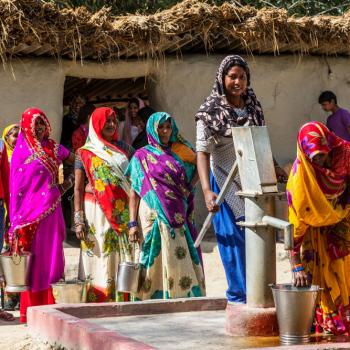
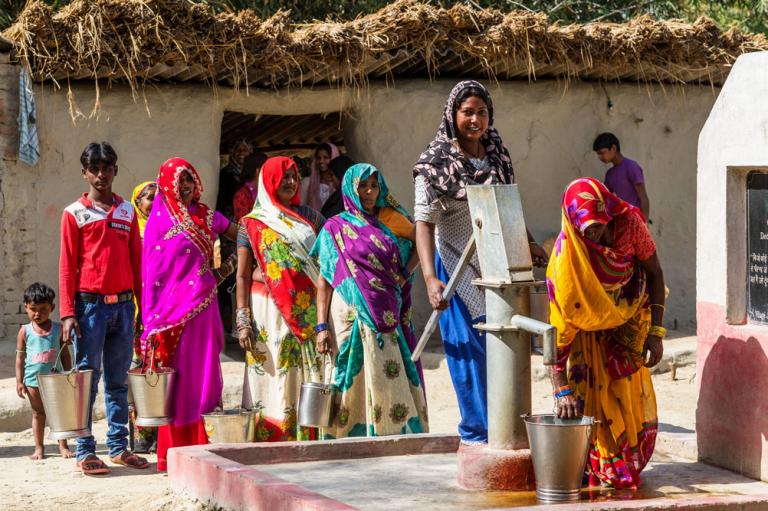
Tens of thousands of Jesus Wells dot rural Asian villages, providing a source of all the clean water they need. The wells are dug and maintained at no cost to the villagers through the financial support of Gospel for Asia (GFA) donors.
Words are inadequate to express the appreciation and the joy of Jesus Well recipients. For the first time in many of their lives, they have access to all the clean water they need near home. If a picture is worth a thousand words, the footage during the last minute of the video is priceless. When you begin to see how grateful these people are, you will want to celebrate with them.
STONEY CREEK, ONTARIO — November 14-20 marked this year’s National Collection Week for Operation Christmas Child (OCC) shoeboxes. St. Cyprian Believers Eastern Church (BEC) was proud to once more serve as an OCC collection centre for Stoney Creek. Also, GFA World Canada celebrated their 38th anniversary on November 19th.
Every year during National Collection Week, churches across Canada partner with Samaritan’s Purse. During this week, gift filled shoeboxes that have been packed as a part of Samaritan’s Purse’s Operation Christmas Child, are gathered at churches serving as collection centres. At the end of the week, the boxes are taken to regional collection centres to be shipped to Calgary, AB. There, they are processed before being sent to needy children around the world.
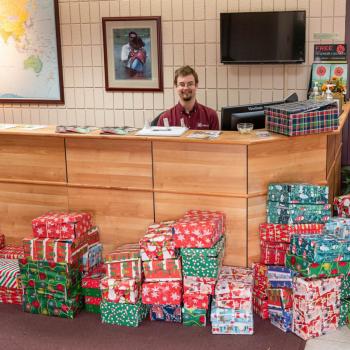
As St. Cyprian BEC shares a building with the Gospel for Asia (GFA World) office, we were proud to work together to serve as an OCC collection centre. This is the fifth year that we have worked with Samaritan’s Purse in this capacity, and we were excited to receive our largest number of boxes yet! Through the generosity of our community, we were able to send over 1050 shoeboxes to be processed and sent to children in need! This is a 30% increase from last year, and a 17% increase from our previous record!
Several local churches brought the boxes they had collected, and many individuals came by as well. The OCC drop-off coordinator expressed his joy in being able to volunteer with Samaritan’s Purse. “It’s wonderful to greet donors while helping with Operation Christmas Child” He said. “People are so often enthusiastic and happy to help these children.” For some, participation in OCC would have been impossible without our drop-off location.
Bringing extra joy to collection week, Gospel for Asia (GFA World) Canada celebrated their 38th year of service on November 19! We praise God for the many different opportunities He has given us to serve. Working with local believers in 18 different countries, we have helped provide 39 million people with safe, clean drinking water. Also, 142,000 children have been helped through our child sponsorship program. And, in 2021 alone, no less than 163,300 families were helped through income-generating or quality-of-life gifts. A staff photo was taken to commemorate the anniversary.
For the last 38 years we have been working with passionate, faithful, and generous people across Canada. With their help, we have assisted local churches in needy areas with the resources they need to share God’s love. Thank you for being a part of it all!
About Gospel for Asia – GFA World
Gospel for Asia(GFA World) is a leading faith-based global mission agency, helping national missionaries bring vital assistance and spiritual hope to millions across the world, especially in Asia and Africa, and sharing the love of God. In GFA World’s latest yearly report, this included thousands of community development projects that benefit downtrodden families and their children, free medical camps conducted in more than 1,200 villages and remote communities, over 4,800 clean water wells drilled, over 12,000 water filters installed, income-generating Christmas gifts for more than 260,000 needy families, and teaching providing hope and encouragement available in 110 languages in 14 nations through radio ministry. GFA World has launched programs in Africa, starting with compassion projects in Rwanda. For all the latest news, visit our Press Room at https://gfanews.org/news/.
Learn more about the GFA World national missionary workers who carry a burning desire for people to know the love of God. Through their prayers, dedication and sacrificial love, thousands of men and women have found new life in Christ.
Last updated on: November 26, 2022 at 7:03 pm By GFA Staff Writer
WILLS POINT, TX – GFA World (Gospel for Asia) founded by K.P. Yohannan, has been the model for numerous charities like GFA World Canada, to help the poor and deprived worldwide, issued this final part of a Special Report on the world’s greatest ‘badge of shame’: Children in Crisis.
Each of their children were suffering and it was all preventable…if only they had clean water. But their nearest source was a contaminated pond and it wasn’t always possible to walk the 3-6 miles to reach safer water, so they drank what was poisoning them. One day though, everything changed.
Kids at Risk of Sexual Exploitation
For millions of children around the world, hunger, thirst and disease are just three of life’s cruel injustices. They are, however, not the vilest or the most horrific.
These three children are safe for now in a loving family in the state of Haryana, India, but millions of other kids around the globe ages 10-17 are at risk of sexual exploitation or enforced prostitution.
A report on child trafficking by UNICEF, the U.N. children’s agency, says:
“Sexual activity is often seen as a private matter, making communities reluctant to act and intervene in cases of sexual exploitation. These attitudes make children more vulnerable to sexual exploitation. Myths, such as the belief that HIV/AIDS can be cured through sex with a virgin, technological advances such as the internet [that] has facilitated child pornography, and sex tourism targeting children, all add to their vulnerability.”[32]
UNICEF’s report highlights the following highly disturbing facts:
Mexico’s social service agency reports more than 16,000 children engage in prostitution, with most of them active in tourist destinations.
In Lithuania, 20-50 percent of prostitutes are believed to be children, some as young as 11. Kids from orphanages and children’s homes are especially at-risk, and 10-12 year-olds have been used to make pornographic movies.
National Geographic tells the harrowing story of “S” in Asia (name withheld) who left home at the age of 12 with a family acquaintance who promised to find her a job in the city. She was sold to a brothel where she was kept as a sex slave for two years before the police freed her and sent her to a shelter. Six months later, “S” met a woman who promised to take her back home to her family—but sold her to another brothel instead.[34]
The young and unprotected are easy targets for those who would carry out unspeakable atrocities against them.
The shameful catalog of sexual abuse against unprotected girls is a global disgrace.[35]
According to the Korea Future Initiative (KFI), North Korean girls who escape across the border to China are forced to stay “invisible” and often end up in brothels and the cybersex trade. “Girls as young as 9 are forced to perform graphic sex acts and are sexually assaulted in front of webcams, which are live-streamed to a paying global audience,” says KFI.[36]
In Haiti, many young girls enter into “survival prostitution” because they have no other way to feed themselves.
A church leader in Haiti explained to me: “Let’s say that a girl does not eat for a day. She’s hungry but she will survive. However, the next day, she has nothing to eat. Now, she has gone two days without food. A married man asks her, ‘Can I take you to a restaurant?’ She will not say ‘no.’ The next day, he offers to buy her clothes… a nice dress. Do you think she will say ‘no’? Before long, she is his mistress. She has become dependent on him for food and clothing. This happens all the time in Haiti.
“Many girls practice prostitution in our cities and even in our churches. Their parents encourage them because they are desperate for food, so they encourage their 15-year-old daughters to have sex to bring in money. It’s a desperation trade: ‘You help me, and I will have sex with you.’”
In Haiti, these child sex workers are known as “Degaje.“ In the local Creole language, the term refers to sex workers in survival mode. Their families are known as “Brase,” also a reference to being in a state of survival. Hence, Haitians talk about “Degaje” from “Brase” families.
In nations around the globe, poverty also leads to child marriages, with men frequently marrying girls under the age of 13. According to a report by Gospel for Asia (GFA World), there are as many as 650 million “child brides” in the world today, including adult women who married in childhood.[37]In 2020, a startling report by CBS News stated that one in every five children in the world is married.[38]
“Globally, millions of girls—a number so vast as to defy comprehension—are trapped in a web of exploitation,” said Yohannan. “Girls living in areas of political instability, conflict, or oppression are especially vulnerable to forced marriage and sex slavery.”
In 2014, the kidnapping of 200 schoolgirls in Nigeria by Boko Haram terrorists grabbed the news headlines, but globally the ongoing, rampant abuse of girls continues largely under the radar:
In Bangladesh, a survey of 375 sex workers revealed nearly half of them were child brides, married as young as 11, and trafficked into prostitution.
In China, sex-selective abortions resulted in a national shortage of women, fueling demand for child brides and sex workers.[39]
In the U.S., more than 200,000 minors were married between 2000 and 2015. Most were girls and more than 80 percent were married to an adult, CBS News reported.[40]
In Southeast Asia, 13-year-old Min Min searches for precious stones at a quarry. In 2020, at least 160 people were killed by a mudslide at a jade mine in the region where he lives. “We risk our lives for these stones,” Min Min said. “A man died last night … I saw it with my own eyes.”[42]
Facing neglect and physical abuse, these children are known as “rest avek,” translated “stay with,” and are treated essentially as slaves, expected to rise early each day to do the most menial chores.
Real-life Cinderellas
These real-life Cinderellas don’t have the opportunity to attend school, so they have virtually no chance of escaping their situation.
Bhil boy works in the brick making factory alongside other adults and children.
“Haitians dream of escape,” one Haitian man in the capital Port-au-Prince told me. “If you look at Haitian paintings, many of them depict the ocean. The ocean represents escape… liberty. For Haitians, the outside world is paradise; Haiti is hell.”
But for Haiti’s “rest avek” children and millions more trapped in exploitive labor around the world, there is no escape.
In Asia, nine-year-old Lakshmi worked in a factory as a cigarette roller. But it’s her 10-year-old sister she’s most worried about.
“Every morning at 7 a.m. she goes to the bonded labor man, and every night at 9 p.m. she comes home,” Lakshmi said. “He treats her badly. He hits her if he thinks she’s working slowly, or, if she talks to the other children, he yells at her. He comes looking for her if she’s sick and can’t go to work.”
“I don’t care about school or playing. I don’t care about any of that. All I want is to bring my sister home. For 600 rupees [about $8] I can bring her home—that is our only chance to get her back. We don’t have 600 rupees … we will never have 600 rupees.”[43]
A better life seems like a far-fetched dream to children like Lakshmi and her sister in Asia. At the root of their despair is grinding poverty.
Working with community leaders, solutions like basic health care, food, clean water and educational and community service opportunities help break the cycle of generational poverty.
Two young impoverished children in Karnataka, India convey the wonderful beauty found in every child, no matter their station in life.
Our world bears a great “badge of shame” for its appalling neglect of and cruel injustice toward children in every nation, on every continent. But there’s an opportunity for redemption—and each of us can do our part.
In Kampala’s Kisenyi slum, one lonely street boy about 10 years old caught my attention as he sat in the dirt, wearing only torn rags. His leg was badly injured, split open, and flies had gathered on the gaping wound. He was inhaling fuel from a plastic bottle to dull the pain. As I crouched beside him, he told me he’d been run over by a car. The driver hadn’t bothered to stop. Maybe God put me on this earth for this very moment? It was, perhaps, the first time someone had actually cared about this boy, the first time he’d experienced God’s love through another human being. It was an honor to clean and bandage his wound. At that moment, God broke my heart for the suffering children of this world. But He did more than that—He showed me that every child reveals His beauty, even when they’re dressed in filthy rags and lying in the gutter.
Gospel for Asia (GFA World) is a leading faith-based global mission agency, helping national workers bring vital assistance and spiritual hope to millions across the world, especially in Asia and Africa, and sharing the love of God. In GFA World’s latest yearly report, this included thousands of community development projects that benefit downtrodden families and their children, free medical camps conducted in more than 1,200 villages and remote communities, over 4,800 clean water wells drilled, over 12,000 water filters installed, income-generating Christmas gifts for more than 260,000 needy families, and teaching providing hope and encouragement available in 110 languages in 14 nations through radio ministry. GFA World has launched programs in Africa, starting with compassion projects in Rwanda. For all the latest news, visit our Press Room at https://gfanews.org/news.
Read the rest of Gospel for Asia’s Special Report: Children in Crisis — World’s Greatest ‘Badge of Shame’ —Part 1, Part 2
Learn more about the GFA World Bridge of Hope program and how you can make an incredible difference in the lives of children, bringing hope to their lives and their families, transforming communities.
Learn how to provide a chance for children without sponsors. When you give to help unsponsored children, you help supplement the lack of resources when children in Asia don’t have the sponsors they need to stay in a Bridge of Hope center.
WILLS POINT, TX – GFA World (Gospel for Asia) founded by K.P. Yohannan, has been the model for numerous charities like GFA World Canada, to assist the poor and deprived worldwide, issued this first part of a Special Report on the unstoppable compassion force of national missionary workers.
Compassion Sweeps ‘Forgotten Islands’
In what are known as the “forgotten islands” of South Asia, remote outposts dotted along the shoreline of the Indian Ocean, villagers still use oxen as a mode of transportation and wash themselves, their dirty clothes and their dishes in the same stagnant ponds they drink from.
Ritesh and his national missionaries are constantly on the move to show the love of Jesus to the “forgotten islands” in South Asia, to which they sail on boats, walking several miles a day, then riding on bicycles.
“It is not we who have been doing ministry, but it is God who has been doing ministry through us,” said group leader Taj, whose team earned the trust of hundreds of villagers as they prayed for the sick and showed these “hidden” people the love of God.
Their hands-on compassion and care has built strong bonds.
“You are my son,” one elderly widow told a member of the team. “You are my mother,” the young missionary replied.
When Gospel for Asia (GFA World) launched its child sponsorship program on several of the islands, the impact on children who’d never before had the chance to go to school before was staggering, resulting in a new birth of hope and purpose.
But Taj and his team weren’t done yet. “I began to pray that we may have enough resources of water,” Taj said.
Jesus Wells meet practical needs in communities for safe, clean drinking water, and in doing so, convey the love Jesus has for the people in these villages.
The answer to his prayers came: Teams drilled new Jesus Wells, bringing clean water for the first time to thousands of islanders who had only tasted water from filthy ponds, which were contaminated and often caused children to fall sick and even die.
In just two years, the commitment and perseverance of Taj and his team brought new hope and good news to dozens of islands, showering the love of God on everyone they met—including the boat drivers who ferried them from place to place.
Such perseverance is a hallmark of faith-filled national workers who have a deep interest in the well-being and health of their fellow countrymen, propelling them to great lengths to share the wholeness and inner peace they’ve discovered themselves.
As a child, Pastor Marty often dug through garbage to fill his empty stomach. Now he is living in the same slum he grew up in, showing the love of Jesus by meeting practical needs of people who are going through the same struggles he went through.
A Native of the Slums Brings Hope
Marty, an indigenous pastor, has dedicated many years to transforming life for the children in the sprawling South Asia slum he was born in. He recalls digging through the garbage as a boy, desperate to find scraps to relieve his hunger. When his alcoholic father died, Marty, who was still only a boy, became his family’s provider.
Every morning Pastor Marty goes on a neighborhood prayer walk, interacting with residents, praying over the community (shown above) and asking for help in showing the love of Jesus in practical ways. It is only through the power of prayer and tangible help that these communities in South Asia can be transformed.
Having experienced the pain, struggles and addictions that plague children every day in the slums, Marty’s eyes tear up as he describes his heartache for children wallowing in extreme poverty, sifting through the trash without hope—like he once did. That’s why he and his wife, Prina, are so passionate about serving the slum dwellers.
“Most of these children’s parents are my friends. We went to school together,” Marty said. “But most of them dropped out. … They started indulging [in] wrong things. … Some of them are even dead. So I started thinking about their children. Why [don’t] we do something for their children?”
Every morning, Marty goes on a neighborhood “prayer walk.” He prays for each individual by name, and the people in the slum—who embrace him as one of their own—recognize there’s something different about him, something almost heavenly.
“[He] is a great example for us,” says one of his neighbors. “He does what Jesus would have done. Helping the poor and needy and also loving people … He is always willing to help people. … He knows the situation… He understands better than anyone else.”
After serving his neighbors in the slum for 15 years, Marty’s perseverance has turned gray skies into blue. He’s launched two child sponsorship initiatives, turning others’ despair into hope and his own tears into joy.
“Ever since my childhood, the pain and difficult situations and poverty—all those things,” Marty says, “when I look back, [they] were … to make me strong and to trust and [have] faith in [God].”
“Pastor Marty … grew up in [this slum] and now is back serving with his family.” says GFA World’s Yohannan. “Serving here is not easy. … Pastor Marty and many other [national workers] are faithfully serving in the slums.”
Across Asia, thousands upon thousands of national missionaries toil and labor every day, trekking miles on foot—often barefoot in extreme heat or cold—to bring hope and good news to their own people who struggle to see any purpose in their lives or reason to go on living.
With a heavy-duty bicycle like this one, two women missionaries can visit many more ladies than they could on foot, travelling from one village to another, meeting practical needs for personal help, hope and encouragement.
Inspired by Jesus’ love for the poor, these workers press on. Even in the face of hunger, disease, dangerous journeys and other hardships, they refuse to give up.
To reach the remotest villages that are too far to reach by walking, national workers turn to pedal power.
In 2020, amidst the pandemic, hundreds of trained workers on bicycles—a compassion crew on wheels—ventured to remote villages across Asia. Working in conjunction with local authorities within pandemic restrictions, with the heart of Christ they provided help for people in desperate need.
Before the pandemic took hold, bicycles were already helping workers to make the most of their time. Rainer saw how he could help even more people, and he prayed for two years for a bicycle so he could encourage and help a cluster of villages nine miles from his home. Months passed with no sign of a bicycle, but Rainer refused to give up hope. Eventually, he got news that he would receive a bicycle, which was provided through generous donations of people in the West. Rainer cried tears of joy. Today, he rides to 10 villages too far away to visit on foot. His bicycle has even become the local “ambulance,” transporting sick villagers to the nearest clinic. In short, Rainer and his bicycle have been a blessing beyond all expectations.
Because of a bicycle Gospel for Asia (GFA) national worker Rainer has been able to travel to various communities and their churches to show the love of Christ by encouraging the believers, meeting practical needs within the villages for food, clean drinking water and health care, and to support other national workers present in those neighborhoods.
National & Non-National: A Beautiful Partnership
Rainer’s story is a wonderful example of how missions-minded people all around the world can link their lives with the lives of national workers on the frontlines, bringing hope into places they could never go. By supporting and sponsoring a national missionary—perhaps by purchasing a bicycle for them, providing monthly financial support, or committing to pray for them—a beautiful partnership is formed, blessing everyone involved.
The unstoppable, never-give-up attitude of national workers like Rainer is a soul-searching challenge to all who desire to bring hope and love to their neighbors in their own communities, wherever they live—a challenge presented in Yohannan’s new book, aptly titled Never Give Up.
“A day will come when all your family, friends, responsibilities, possessions, degrees, popularity, all of it will be gone,” Yohannan writes. “It’s just going to be you and Christ and nothing else. Let the decisions you make today be ones that will reflect well in the light of that moment.”
“Let me ask you, when was the last time you actively went out of your way to show the love of Christ to someone, and then to talk to them about His love for them?”
“Do you sense a growing ache for those who do not know the love of Christ?”
“Do you feel a deeper burden to care for the suffering and needy… widows and orphans as He did?”
“The choice not to give up is mine. It is also yours.”
As we ponder how to personally convey God’s love in word and deed to those within our spheres of influence, we can also partner with a national missionary who is dedicated to being an unstoppable force for compassion in areas of the world we could never reach on our own. Our prayers and financial support of their commitment to bring practical help and hope to people desperately in need is one way we can never give up in the effort to share good news to a world in need of Christ’s love.
If this special report has touched your heart and you would like to help national workers show Jesus’ love by meeting practical needs, then make a generous one time or monthly gift to support a national missionary in Asia or Africa.
GFA World (Gospel for Asia) is a leading faith-based global mission agency, helping national workers bring vital assistance and spiritual hope to millions across the world, especially in Asia and Africa, and sharing the love of God. In GFA World’s latest yearly report, this included thousands of community development projects that benefit downtrodden families and their children, free medical camps conducted in more than 1,200 villages and remote communities, over 4,800 clean water wells drilled, over 12,000 water filters installed, income-generating Christmas gifts for more than 260,000 needy families, and teaching providing hope and encouragement available in 110 languages in 14 nations through radio ministry. GFA World has launched programs in Africa, starting with compassion projects in Rwanda. For all the latest news, visit our Press Room at https://press.gfa.org/news.
Learn more by reading this Special Report from Gospel for Asia on the Lord’s work in 2020 through GFA and the partnerships worldwide while following Him in His work in 16 nations, including Sri Lanka, Bangladesh and Nepal.
Last updated on: September 28, 2023 at 10:48 pm By GFA Staff Writer
WILLS POINT, TX – GFA World (Gospel for Asia) founded by K.P. Yohannan, has been the model for numerous charities like GFA World Canada, reveals in a new report: National missionaries — those working in their own countries — are the “new pioneers” of the 21st century, and they’re proving to be an “unstoppable compassion force,” a new report reveals.“More and more, local missionaries are driving ministry projects in their own countries and transforming their own communities,” said K.P. Yohannan (Metropolitan Yohan), founder of global mission organization Gospel for Asia (GFA World).According to GFA World’s new report, National Workers: Unstoppable Compassion Force, (www.gfa.org/press/workers) there’s a natural progression toward “indigenous” workers who understand their own culture, language, and neighbors far better than foreign missionaries.
In 2021, there were 430,000 foreign “expat” mission workers overseas, compared with 13.2 million national missionaries serving on their home soil, the report says.
National workers also serve in their own countries at far less expense — and with fewer restrictions — than expat Western workers who often incur costs associated with emergency medical insurance, security, and immigration, as well as safety restrictions on movement, says Gospel for Asia (GFA World).
It can cost between $50,000-$120,000 a year to support an American family in a developing nation — an annual sum that could help support 50 national workers.
“National workers live at the same level as the local people,” Yohannan said, “working alongside them, living among them in the villages and slums, dressing the same, speaking the same language, eating the same food, drinking from the same well.”
Today, 80% of the world’s countries are either completely closed or severely restricted to foreigners doing any form of religious work — Afghanistan being one example.
GFA World’s national workers run projects in more than 12,000 parishes — or local churches — across Asia. And the organization is expanding into Africa as well.
In South Asia, mission worker Rainer prayed for two years for a bicycle so he could encourage and help a cluster of villages nine miles from his home. Now his bicycle has become the local “ambulance,” transporting sick villagers to the nearest clinic.
GFA World’s Sisters of Compassion — teams of specialized women missionaries who serve in leprosy colonies — are uniquely trained in care and counseling. Geeta and her local co-workers clean the wounds of leprosy patients and wash their deformed feet.
“We do all this because of the love of God,” Geeta said.
About Gospel for Asia – now GFA World
Gospel for Asia (GFA World) is a leading faith-based global mission agency, helping national missionaries bring vital assistance and spiritual hope to millions across the world, especially in Asia and Africa, and sharing the love of God. In GFA World’s latest yearly report, this included thousands of community development projects that benefit downtrodden families and their children, free medical camps conducted in more than 1,200 villages and remote communities, over 4,800 clean water wells drilled, over 12,000 water filters installed, income-generating Christmas gifts for more than 260,000 needy families, and teaching providing hope and encouragement available in 110 languages in 14 nations through radio ministry. GFA World has launched programs in Africa, starting with compassion projects in Rwanda. For all the latest news, visit our Press Room at https://gfanews.org/news/.
Learn more about GFA World Compassion Services – comprised of four areas of ministry: slum ministry, leprosy ministry, medical ministry and disaster relief. Through these ministries, GFA missionary workers are relieving the burdened, rescuing the endangered and revealing God’s compassion to the people of Asia.
Last updated on: September 11, 2021 at 4:30 am By GFA Staff Writer
WILLS POINT, TX – GFA World (Gospel for Asia) founded by K.P. Yohannan, whose heart to love and help the poor has inspired numerous charities like GFA World Canada, to serve the deprived and downcast worldwide, issued this first part of a Special Report update on Taking the Toilet Challenge, where resolving Open Defecation continues to confound the world.
In a previous special report entitled “Fight Against Open Defecation Continues,” we discussed the need for a caring response from the world to the problem of open defecation (OD) —a worldwide health crisis. In this report, I highlight ongoing long-term progress, while also contrasting the continuing challenges this issue presents to much of the developing world.
Why are Bill and Melinda Gates Spending $200 Million on Toilets?
Prof. Ravi V. Bellamkonda, “Advancing technologies for public health…” Photo by Duke University, Pratt School of Engineering
In regard to government funding and foundation grants, the $4.5 million awarded to Duke University last November represented a modest sum. Still, the stipend for Duke’s Center for Water, Sanitation, Hygiene and Infectious Disease (WaSH-AID) represented another small step in reducing open defecation by furthering testing of “reinvented toilets” and other hygienic technologies in the world’s neediest areas.
“We are grateful for the Bill & Melinda Gates Foundation’s investment in our (center) to lead collaboration with experts at Duke, across the industry and around the world to address this critical societal challenge,” said Ravi V. Bellamkonda, dean of the university’s school of engineering. “Advancing technologies for public health is particularly germane to control the spread of preventable diseases, and in this case also a fundamental human right—dignity.”1
Symbolically, the award came on the eve of the tenth anniversary of the foundation’s “Reinvent the Toilet” challenge, which asked researchers to devise toilets that can sanitize human waste with no water, electricity, sewer or septic system. The waste treatment goals include cleaning the waste and reclaiming water to safe drinking standards and harvesting nutrients for other uses. That can be a game-changer for those living without sanitation.
Duke’s WaSH-AID team focuses on the development of onsite waste treatment solutions to meet the needs of resource-constrained environments in many disadvantaged communities around the world, but also in parts of the United States, including North Carolina. Photo by Duke University, Center for WaSH-AID
About halfway into this initiative, one inventor produced a system called the Omni Processor. Although technically not a toilet, the Omni is an off-the-grid fecal sludge treatment plant that outputs purified water and may one day also produce electricity. A working prototype has been operating in Dakar, Senegal, in Africa, for a few years, with the latest version licensed to companies in countries including the U.S. and China.2 Project director Brian Arbogast believes the technology will eventually influence sanitation in the developed world, such as green buildings, septic systems and off-the-grid cabins.
After spending a day at the foundation’s office in early 2019, a Business Insider reporter waxed enthusiastically about the toilet technology and other initiatives addressing such problems as extreme poverty, child mortality and malaria: “Hearing about their work was inspiring and gave me hope for the future …” wrote Julie Bort. “And the reason is simple. These people are taking on some of the world’s hairiest, most complex and seemingly intractable problems. And they are winning.”3
Some of the best solutions for communities in need of low-cost sanitation are just simple outdoor toilets like these built by Gospel for Asia (GFA World) to serve this entire snake charmer village in Uttar Pradesh.
A Formidable Problem: High-Tech or Low-Tech Solutions?
Not everyone is as impressed with the foundation’s efforts. Two years after the initiative’s unveiling, an environmental engineer whose business focuses on developing low-cost toilets said communities that desperately need sanitation will be unable to afford the advanced technology promoted by the initiatives.
We “should be investing more in low-tech rather than high-tech toilets,” said Jason Kass, founder of Toilets for People. “But high-tech solutions and research projects are sexier and more eye-catching, so they are more interesting for universities.”4
The fact that in its first seven years the Gates Foundation invested $200 million in the toilet challenge demonstrates the formidable nature of ending open defecation. Yet it is a battle that must be waged.
Open defecation(OD)
is a disease-producing practice that contaminates drinking water and spreads diseases such as cholera, dysentery and diarrhea, which is particularly fatal among children. The incidence of such disease can disrupt young people’s education. In addition, females who engage in open defecation are more vulnerable to sexual violence.
The problem has generated widespread responses, such as India’s five-year-long Swachh Barat Abhiyan (“Clean India”) campaign that installed 110 million latrines by October 2019, with accompanying claims of success by Prime Minister Narenda Modi.
One of the NGOs helping PM Modi in this campaign is GFA World, which has worked tirelessly to help install over 32,000 toilets to date in some of the most remote and difficult-to-reach locations across South Asia..
In 2015, Chinese President Xi Jinping declared a “Toilet Revolution,” calling on local governments to improve sanitation in hopes of attracting more tourism since a bad “toilet landscape” had harmed the Asian giant’s image.5
Open defecation is still a problem in Nigeria where over 46 million people defecate in the open and over 120 million people do not have a decent toilet. Photo by WaterAid Nigeria, Twitter
Not coincidentally, in November 2018 the city of Beijing played host to the “Reinvented Toilet Expo,” which Gates projects could create a $6billion-a-year market by 2030. Kinya Seto, the president of Japanese exhibitor LIXIL, said innovative companies have a golden opportunity to do well by doing good: “We can help jump-start a new era of sanitation for the 21st century by developing solutions that can leapfrog today’s existing infrastructure, functioning anywhere and everywhere.”6
The latest nation to attack open defecation is Nigeria, where fewer than half the households have their own toilet. In 2016, the government launched an action plan aiming to end the practice by 2025 by providing equitable access to water, sanitation and hygiene services, and strengthening community approaches. However, three years later the government had failed to release funding for the initiative. In November 2018, with parts of the country facing high levels of water-borne diseases, President Muhammadu Buhari declared a state of emergency.7
In Dimbroko, Cote d’Ivoire, Habitat for Humanity implemented a community-led pilot project to end open defecation. Habitat successfully worked with the government, private sector and community representatives to create sanitation facilities and promote proper hygiene practices. Photo by Habitat for Humanity, Ending Open Defecation in Cote d’Ivoire
Safe, sanitary outdoor toilets typically cost around $540, to build in Asia, and benefit multiple families in remote, impoverished communities. You can help provide one for a needy village, by donating a portion of the construction costs through Gospel for Asia (GFA World).
Gospel for Asia (GFA World) is a leading faith-based global mission agency, helping national workers bring vital assistance and spiritual hope to millions across the world, especially in Asia and Africa, and sharing the love of God. In GFA World’s latest yearly report, this included thousands of community development projects that benefit downtrodden families and their children, free medical camps conducted in more than 1,200 villages and remote communities, over 4,800 clean water wells drilled, over 12,000 water filters installed, income-generating Christmas gifts for more than 260,000 needy families, and teaching providing hope and encouragement available in 110 languages in 14 nations through radio ministry. GFA World expects to launch programs in numerous African nations, starting with compassion projects in Rwanda. For all the latest news, visit our Press Room at https://press.gfa.org/news.
WILLS POINT, TX – Gospel for Asia (GFA World) founded by KP Yohannan, which inspired numerous charities like Gospel for Asia Canada, to assist the poor and deprived worldwide, issued this Special Report on the ongoing fight against open defecation, using outdoor toilets to improve sanitation.
What Do the World’s Sanitation Problems Have to Do with Us?
For those of us with indoor flush toilets—and clean ones at that—with sewer lines that carry waste to treatment facilities, and who live in places where waterborne and airborne bacteria are not a hazard, our response to this crisis is probably, So what? We don’t say this out loud, but like so many other dire extremes jockeying for our attention, it doesn’t really touch our lives.
However, in a majority of places, America is starting to suffer from failing infrastructure. Most of us think of that in terms of roads and bridges needing repair or major overhauling, a transportation issue. Yet infrastructure means water service, too.
Just two years ago, reporters from the Chicago Tribune conducted an exposé of the high bills being charged for water in underserved metro area neighborhoods. Maywood residents in a western suburb paid one of the region’s highest water rates, because older pipes allow major seepage. Of the 946 millions of gallons that Maywood bought from neighboring Melrose Park in 2016, some 367 million gallons, or 38.7 percent, never made it to taps. That cost residents in an already cash-strapped population nearly $1.7 million more than residents paid in other towns of similar size. And the poor are tapped for a disproportionate share of the bill.
What if I had to stand in line to use a communal latrine where flies buzzed, the floor was filthy, someone had evacuated due to acute diarrhea, and no one wanted to clean the mess? Now we’re getting closer.
Water problems may be closer than we think. In a 2012 article for a Yale University publication, reporter Cheryl Colopy—author of Dirty, Sacred Rivers: Confronting South Asia’sWater Crisis—warned: “In the United States, sewage treatment has not been a problem for the past half-century, but it could become one again as infrastructure ages and fails—especially if there is a lack of government money to replace it. In addition, certain regions of the U.S. are expected to experience water shortages as temperatures rise. New, water-saving, decentralized toilet technologies may need to be adopted not only in places like South Asia, but also in parts of the industrialized world.”
Indeed, we may be thinking more about sanitation issues in the near future. And, the burgeoning technologies used to solve defecation problems and to discover clean water solutions in the developing world may be solutions we will also seek not far down the road.
Women are prone to assault, disease runs rampant, and lives are at risk: all a result of using the bathroom outdoors.
What If You Didn’t Have a Toilet?
So I remind myself of toilet scenarios I do know about, then extrapolate some personal situations. Our home, in which we have lived for 40 years, has a septic system. During that time, we have suffered power outages amid extreme storms, meaning no water could be pumped from our underground well; this disabled our showers, faucets and toilets. I used to store plastic bottles of water so when things went black we could still brush our teeth, dress by candlelight and—get this—flush our toilets. If the power did not come back on for a couple days, frozen food thawed and excess detritus threatened to overflow the toilet basin.
So I extrapolate: What if this happened all the time? What if sewer lines broke, got clogged and backed up regularly? What if I lived in poverty, with no plumbers, no money and no electric company to call to fix this? What if I had to stand in line to use a communal latrine where flies buzzed, the floor was filthy, someone had evacuated due to acute diarrhea, and no one wanted to clean the mess? Now we’re getting closer.
A well-cleaned squat toilet in Asia.
In refugee camps overseas, my travel companions and I held ridiculous discussions about who had invented squat toilets: men or women? Someone shot a photo of me holding a rickety latrine toilet door upright while a woman coworker trusted me to guard her privacy while she did her business. We may laugh, but for most of the world this situation is not a laughing matter. Smelling an overflowing latrine from 20 feet away might persuade even a Westerner to think similarly, even if only metaphorically. In truth, I don’t like the few outhouses I’ve been forced to use in the States, nor many of the spooky national park public facilities. If I can help it, I certainly avoid portable potties at public events.
When Your Septic Tank Problems Bring Embarrassment
My last attempt at toilet empathy. About 10 years after we moved to West Chicago, Illinois, our neighbor knocked on the door and apologized for complaining about the standing stinking water seeping into his property.
“I think you may be having trouble with your septic system,” he reported, a bit embarrassed.
I called two septic companies. One said I needed to have the whole septic field replaced; cost: $10,000. The other service man diagnosed another problem but with a similar estimate. Then I went to the DuPage County Health Department and asked what septic firms they would recommend. I called Black Gold, whose reps complained about the septic map drawn by the company that laid our field—that was now leaking.
“Would the health department let us get away with a layout like this?” he asked his partner. They both obviously thought the field plan had been rendered by some septic idiot. Sure enough, after spending about 45 minutes prodding our three-quarters-of-an-acre lot with long poles, they said: “Lady, you don’t need no new septic field. The lines of what’s there ain’t connected to the tank.” Their fee: $3,000. I made a garden from areas torn up by their repairs.
Vile, brown liquid that some in Asia count on as their water source.
So what if I lived somewhere that permanently seeped smelly, vile, germ-ridden, brown liquid? What if the river at the back of the land was a running sewer, and my grandchildren couldn’t romp and splash in it? What if the fields were filled not only with animal feces but the excreta of some 300 neighbors?
You can come up with your own empathy-building stories.
Prime Minister Modi and his teams are sold on community-led initiatives, and so should they be. Change works best when a whole population is committed to seeing it happen.
Community development often works best when it is exactly that: an idea that grows out of the mind of a local visionary, capable of strategic thinking but with compassion for those nearby—his or her neighbors. And when a whole community becomes involved in “cleaning up its act,” few powers on earth can withstand such initiative.
Now what’s interesting about Gospel for Asia’s stories surrounding sanitation is that it is the local pastor in the village, who out of concern and knowing that open defecation has deadly disease-breeding potential, exercises compassion to love his neighbors through his concern about the availability of latrines.
This is an excerpt from a Gospel for Asia (GFA) story that appeared on last year’s World Toilet Day. It concerns a family in one community forced to use the open fields to defecate because they had no other proper place.
Malak, before being touched by Christ’s love, had been an alcoholic. After reading the entire Bible from start to finish, Malak was transformed and abandoned the bottle. Some years later, he met Jaki, and they were married.Eventually, the couple were blessed with two children. It seemed as if all was right for Malak and his family. However, a singular problem arose: The family had no toilet. The nearest place to relieve themselves was a little less than a mile away. During extreme weather, the family was forced to stay indoors, rendering those facilities useless. Going outside in the open was degrading and unhygienic, and at nighttime it was dangerous—who knew what kind of wild animals lurked about?
However, Malak and his family prayed, and their requests did not go unanswered. During a GFA Christmas gift distribution, they received a complete sanitation facility. They no longer had to trek half a mile just to use the bathroom or use the outdoors in fear.
What an extraordinary example of love in practical action.
“Love the Lord your God with all your heart and mind and strength. And love your neighbor as yourself.” —Luke 10:27
For women like this tea estate laborer, having no outdoor toilet facility could mean risking assault as they go out into an open field in the dark.
“It’s not safe to send our people, our children, our wives or our daughters to the tea garden at night to use the toilet,” Iniyavan said.
Iniyavan made only 2,400 rupees a month, which was equivalent to about $37 (USD) a month. He wasn’t able to save enough money to construct a toilet.
Open defecation means there’s the risk of disease as families continually return to communal waste grounds
GFA-supported Compassion Services teams construct outdoor toilets, also known as sanitation facilities, for people who, like Iniyavan, do not have the means to do so on their own.
“Now, since I have this toilet built in my house, I don’t have to worry. My family and I don’t have to go to the tea garden for toilet, and it is very safe here,” Iniyavan said.
On the Brink of Innovations, Change in Sanitation
Toilet technology is on the edge of remarkable, cost-effective, ecologically friendly frontiers. They’re becoming self-cleaning and solar-powered. A solar-powered toilet that converts waste into charcoal can then be used as fertilizer. An indoor toilet that works like a garden composter, spinning the contents and reducing odor and the number of dangerous pathogens. Portable rickshaw toilets. A community bio-digester toilet designed to convert human waste into gases and manure. Once ideas begin flourishing, there is no limit to what can happen.
Granted, Prime Minister Modi’s ODF csampaign may take a little longer to succeed. But the hardest pull of any new effort is at the beginning. Once new ideas start rolling, they gather steam. Some new toilet technologies may become catalysts as well. In addition, there are hundreds of international organizations working on sanitation solutions. They understand that one size does not fit all the variables that make up the particulars in this vast discussion, but added all together, it is a prohibitive association with evidence of remarkable dedication.
And when a whole community becomes involved in “cleaning up its act,” there are few powers on earth that can withstand such initiative.
A Canadian doctor, one of those “creative renegades” unhappy with the condition of the world who I have come to admire and love, was appointed as a provincial health officer in the highlands of Papua, New Guinea. During an aerial survey, he and his team discovered one distinctly cleaner and healthier village. Far below lay the evidence of what turned out to be a pastor with basic health training who had taught his people those lessons; the difference could be seen from the air. Inspired, they searched for a more integral way of ministering and soon began using a community health evangelism methodology, which had been developed in Africa.
Sometimes we get lost in the details on the ground. We need to stand back, take deep breaths and find some way to gather broader assessments—an aerial view. Progress is being made; it’s just a little harder in some places than in others. I’m proud that Gospel for Asia is one of the players.
Shout Out to Toilets!
Christianity has everything to do with sanitation. We serve a God who is expecting us to help restore the world He created to its original design. That is a world, among many other things, without rampaging diseases. One day, Scripture promises, it will be a world without death and suffering. So in this interim, let’s hear a shout out for all the toilets in the world!
For only $540, you will help reduce the risk of common diseases by providing a family with an outdoor toilet.
About Gospel for Asia
Gospel for Asia (GFA World) is a leading faith-based mission agency, helping national workers bring vital assistance and spiritual hope to millions across Asia, especially to those who have yet to hear about the love of God. In GFA’s latest yearly report, this included more than 70,000 sponsored children, free medical camps conducted in more than 1,200 villages and remote communities, over 4,800 clean water wells drilled, over 12,000 water filters installed, income-generating Christmas gifts for more than 260,000 needy families, and spiritual teaching available in 110 languages in 14 nations through radio ministry. For all the latest news, visit our Press Room at https://press.gfa.org/news.
Read the rest of Gospel for Asia’s Special Report: Fight Against Open Defecation Continues – Using Outdoor Toilets to Improve Sanitation —Part 1
Learn more by reading these Special Reports from Gospel for Asia:
WILLS POINT, TX – Gospel for Asia (GFA World) founded by KP Yohannan, which inspired numerous charities like Gospel for Asia Canada, to assist the poor and deprived worldwide, issued this Special Report on the ongoing fight against open defecation, and how using outdoor toilets helps to improve sanitation.
Karen Burton Mains, author
Since I first wrote about open defecation a few years ago, efforts to combat the problem have gathered momentum. A report compiled by the United Nations Children’s Fund (UNICEF) and the World Health Organization (WHO) in June shows the percentage of people practicing open defecation declined from 21 percent (1.3 billion) in 2000 to 9 percent (673 million) by 2017.
While this is encouraging news, there is much more to be done. The United Nations (UN) says “some 2.2 billion people around the world do not have safely-managed drinking water, while 4.2 billion go without safe sanitation services and three billion lack basic handwashing facilities.”
“Mere access is not enough,” said Kelly Ann Naylor, UNICEF’s associate director of water, sanitation and hygiene. “If the water isn’t clean, isn’t safe to drink or is far away, and if toilet access is unsafe or limited, then we’re not delivering for the world’s children.”
In addition to the UN, this multi-faceted effort includes governments, non-governmental organizations and various Christian and non-Christian charities. All have launched initiatives that include long-term goals for ending this threat to the world’s health. The UN’s global sustainable development goals include ensuring that everyone has a safe toilet and that open defecation ends by 2030.
Children in Cote d’Ivoire investigate their community’s newly improved toilets, one of the UNOCI’s “quick impact projects” (QIPS) which supported the rehabilitation of schools and toilets in Abidjan. UN Photo/Patricia Esteve
People using the bathroom outdoors with no toilet nearby nor sanitary treatment of their discharge has fueled disease, created serious health problems and endangered female safety by exposing them to possible rape or other abuse. Then there is the particularly stomach-turning incident from July 2018, when a 3-year-old South African boy drowned in a pit latrine—a type of crude toilet that collects feces in a hole in the ground. Four years earlier in the same province, a 5-year-old boy drowned in a school toilet.
Such horror stories help explain the need for “World Toilet Day,” which falls every year on November 19. Inaugurated in 2013, the UN-sponsored observance urges member states to encourage behavioral changes and implement policies to increase access to sanitation among the poor. Despite progress in recent years, the situation is serious, as shown by the June UN report.
GFA World supporters get the opportunity to visit an outdoor toilet installed by Believers Eastern Church for the benefit of multiple families in this neighborhood around Lucknow, Uttar Pradesh. During 2019, 5,428 toilets like these were installed by GFA across South Asia to help improve the sanitation challenges in many developing communities.
Hanging Out with “Renegades”
For much of my adult life, I have hung out with the “renegades” of Christian missions. Namely, the relief-and-development crowd that rushes to help during natural disasters, struggles to alleviate the suffering and abasement of refugee displacement, and pays concerted attention to the struggles of people in developing nations. My first trip around the world came at the invitation of Food for the Hungry; I traveled with Larry Ward, the executive director at the time, and his wife, Lorraine.
The purpose of the trip was an international field survey with an emphasis on the world’s refugee crisis, which in the l980s was the largest since World War II. We started in Hong Kong and ended seven weeks later in Kenya, Africa. My assignment was to observe with fresh eyes and write about what I had seen. I wrote my book, The Fragile Curtain, with the help of daily briefings from the U.S. State Department and the excellent international reporting of The Christian Science Monitor (and some generous coaching from a Pulitzer Prize-winning newspaper reporter). It won a Christopher Award, a national prize for works that represent “the highest values of the human spirit.”
“I never realized,” he said, “that I would eventually measure the impact of the Gospel by how many toilets had been built in a village.”
Eventually, I brought the accumulated exposure of my world travels—some 55 countries in all—and the learning I had gathered through research and dragging through camps and slums to the board of Medical Ambassadors International (MAI), a global faith-based health organization.
Women and girls are often at risk when open defecation is the only option for relieving themselves. Thankfully, these precious faces can smile because a toilet facility was recently built in their village.
GFA’s Story, Helping to Improve Sanitation in Asia
As I mentioned earlier, Christianity has a vital role in ending these problems. One of the organizations involved is Gospel for Asia (GFA), long close to my heart and that of my husband, David Mains. We met K.P. Yohannan, GFA’s founder, when the ministry was a mere vision in the heart of a young Indian man. It was a divine nudge that would not let up. Since then, David has traveled to Asia at the invitation of Gospel for Asia (GFA) eight times; I have visited once. We’ve watched as K.P.’s vision grew from a dream to reality, with numbers beyond anything we could have considered possible.
GFA’s website tells its vast story: In 2018 the ministry fed, clothed and schooled some 70,000 impoverished children, operated 1,128 free medical camps and constructed 6,431 toilets with dual-tank sanitation systems.
This family stands in front of a latrine or “squatty potty” that was installed by GFA-supported national workers.
Gospel for Asia (GFA) started building latrines in 2012, setting a goal of constructing some 15,000 concrete outhouses by 2016. It long ago surpassed that mark. Figures for 2016 alone: 10,512 toilets installed, with another 6,364 following in 2017, and another 6,431 in 2018. Potable water, of course, travels hand in hand with sanitation. In 2018, the ministry’s field partners constructed 4,712 Jesus Wells and distributed 11,451 BioSand water filters to purify drinking water. Touching vignettes on GFA’s website make the statistics personal.
“Our family is blessed both physically and spiritually,” said one villager in Asia. “We are free from problems and sickness.…It is because of the people who have spent their money to drill a Jesus Well in my place.”
“This saved the lives of people from illness,” said another—and indeed, toilets, when and if they are used, do just that.
There, indeed, is a thread that runs through Gospel for Asia’s stories of toilets: The pastor of the church in this village or that hamlet seems to be the catalyst for health improvements.
Organizations Tackling the Sanitation Crisis
Matt Damon, the founder of Water.org (photo credit Water.org)
Much of the world is in a war against the perils caused by inadequate or non-existent sanitation. People as diverse as Matt Damon, a Hollywood celebrity, award-winning actor and producer/screenwriter, and India’s Prime Minister Narendra Modi are battling uphill against open defecation (in the sewers, in running streams, by the roadsides, in the fields and the forests, on garbage dumps, etc.).
Damon, driven by a desire to make a difference in solving extreme poverty, discovered that water and sanitation were the two basic foundations beneath much of what ails the world. Through his charity, Water.org, he and his business partner, Gary White, use microfinance loans to help underserved people connect to a service utility or build a home latrine. By 2020, more than 30 million people in 17 countries have been affected by this approach.
Prime Minister Modi campaigned to end open defecation and build latrines for India. Photo by narendramodiofficial on Flickr / CC BY-SA 2.0
During his campaign for office in 2014, Modi spoke of “Toilets Before Temples.” His party’s Swachh Bharat Abhiyan (Clean India Mission) campaign has undoubtedly made progress, thanks in part to the $28 billion (U.S.) originally allocated, plus World Bank loans totaling another $1.5 billion.
After a Reuters News Service story last May portrayed the government as using overly optimistic results about the initiative, India’s Ministry of Drinking Water and Sanitation issued a release, saying its program had “succeeded in lifting more than 550 million people out of open defecation in a short period of less than 5 years.” His re-election last year may be partly due to the progress of the initiative he organized to curtail the practice.
Talking Openly About Open Defecation
Another key dilemma in this discussion—open defecation, hardly a dinner-table topic or a missions committee agenda item—is that accessibility to toilets does not always indicate usage. Changing habits is mostly a matter of changing mindsets in the face of deeply entrenched beliefs.
Some 1.5 million people die globally each year from polluted water diseases alone.
Elizabeth Royte, in a comprehensive August 2017 National Geographic magazine article, reported visiting Parameswaran Iyer, India’s secretary of drinking water and sanitation, in 2016. A hand-numbered sign on his wall tracked progress.
“You see that?” he asked. “One hundred thousand is the number of villages that are ODF today.” (ODF is the acronym for open defecation free.)
Royte, a sanitation expert traveling widely and reporting extensively, noted that Modi aimed to build more than 100 million new toilets in rural areas alone by 2019. But she added that “deep-seated attitudes may present an even bigger barrier to improving sanitation than a lack of pipes and pits.”
Echoing that observation, on World Toilet Day in 2018, The Washington Post reported: “Although increasing the number of toilets and improving their quality is important, the larger challenge is how to ensure that they actually will be used. … In our survey of 810 households in Delhi’s slums, where private toilet ownership is rare, we found that many people do not regularly use nearby public toilets, known as community toilet complexes, built specifically for slum dwellers.”
Facing the Facts about India Toilets
That being said, let’s look at data regarding the state of toilets and open defecation in Asia. Then let’s examine what development organizations, sanitation technologies and mission groups, namely Gospel for Asia, are attempting to help Asia become ODF.
Although Modi has emphasized improved sanitation, it’s worthwhile to note that India struggled with these issues even before winning independence from Great Britain in 1947. In fact, Gandhi insisted, “Sanitation is more important than temples.” Now, due to population growth, a conundrum exists: While the percentage practicing open defecation has dropped substantively, birth rates are creating an environment where more people live in geographic locations where fecal exposure is increasing, not decreasing.
37%
of the urban population—some 157 million urban dwellers—lacked a safe and private toilet, according to UK-based charity WaterAid in November 2016.
Even sewers are no guarantors of healthiness: In the capital city of Delhi, pipes are corroded; they ooze waste; and nearly a third of the booming city isn’t connected to underground lines. Many latrines flush into open drains.
700,000
—4 percent—of this urban population still defecated outdoors.
56%
only of the sewers are safely managed.
Just 1 gram of feces can contain:
100 million viruses
1 million bacteria
1 thousand parasitic cysts
These can be absorbed through cuts in the flesh, the porous nature of skin itself, or by drinking unsafe water and eating contaminated foods. Flies carry disease from roadsides and open fields.
Health figures are consequently staggering.
2,195 children
worldwide die from diarrhea each day, with the disease the second-leading cause of death for children under 5, according to the Centers for Disease Control. The chronically distressed digestive system doesn’t absorb nutrients or medicines well. Underweight mothers give birth to underweight babies.
149 million
children worldwide under the age of 5 are affected by stunting, according to the World Health Organization in 2018. And all of the above and much, much more could be cured and eliminated by the installation and use of proper sanitation systems in slums, hamlets, rural villages and large cities across India.
For only $540, you will help reduce the risk of common diseases by providing a family with an outdoor toilet.
About Gospel for Asia
Gospel for Asia (GFA World) is a leading faith-based mission agency, helping national workers bring vital assistance and spiritual hope to millions across Asia, especially to those who have yet to hear about the love of God. In GFA’s latest yearly report, this included more than 70,000 sponsored children, free medical camps conducted in more than 1,200 villages and remote communities, over 4,800 clean water wells drilled, over 12,000 water filters installed, income-generating Christmas gifts for more than 260,000 needy families, and spiritual teaching available in 110 languages in 14 nations through radio ministry. For all the latest news, visit our Press Room at https://press.gfa.org/news.
Read the rest of Gospel for Asia’s Special Report: Fight Against Open Defecation Continues – Using Outdoor Toilets to Improve Sanitation —Part 2
Learn more by reading these Special Reports from Gospel for Asia:
Last updated on: November 25, 2021 at 6:25 pm By GFA Staff Writer
WILLS POINT, TX – Gospel for Asia (GFA World) founded by K.P. Yohannan, has been the model for numerous charities like Gospel for Asia Canada – Discussing villages gripped by poverty, the severe water shortage, water borne diseases, and a Gospel for Asia Jesus Well that provides hope.
In the heat of midsummer, Gospel for Asia pastor Madhukar traveled to a neighboring village where some members of his church resided. He wanted to visit fellow believers and connect with other villagers. However, when Pastor Madhukar arrived, he realized the Lord had much more for him to do than just meet new people and make conversation.
A Thirsty Village
Deep in Asia, there was a small riverside village whose inhabitants followed the traditional religious teachings and worked as farmers. The village was very poor, and there was a severe water shortage, which forced residents to obtain their drinking water from nearby ponds, lakes and rivers. Because this water was contaminated, many of the villagers had become sick from drinking the water they collected. They knew very well that they needed fresh water, but they could find none.
“If it’s possible, please help us to get it,” the villagers responded with hope.
After years of relying on contaminated lakes, ponds and rivers for drinking water, villagers enjoy their new Jesus Well, which provides clean water for the entire village.
A Well of Living Water
Pastor Madhukar soon received permission to install a Jesus Well. When it was completed, the local people rejoiced in how the Lord provided for their most basic need.
Having enjoyed the bounty that flows from the well, some villagers experienced the abundant love and provision of God, and eagerly invite Pastor Madhukar to pray for them whenever he visits.
*Names of people and places may have been changed for privacy and security reasons. Images are Gospel for Asia stock photos used for representation purposes and are not the actual person/location, unless otherwise noted.
Last updated on: September 11, 2022 at 8:31 am By GFA Staff Writer
WILLS POINT, TX – Gospel for Asia (GFA World and affiliates like Gospel for Asia Canada) founded by Dr. K.P. Yohannan – Discussing Suhana, a victim of child marriage, the desperate need for clean water, extreme poverty, illiteracy, and the Gospel for Asia provided Jesus Well that brought stability and hope for a future.
Nine-year-old Suhana stood in her bridal dress, her childish face masked under heavy kohl eye liner, and the red powder on her forehead signaling her entrance into the adult rite of marriage. Her young husband, closer to adulthood than herself, placed a floral garland around her neck. After the ceremony, Suhana moved to her husband’s village, where another newcomer had arrived just a couple years before her—a Jesus Well.
Harmful Customs Sustained by Need to Survive
Suhana
Suhana’s people lived in rural forests, mountains and valleys where they practiced the same traditional way of life for thousands of years. Predominantly farmers, they cultivated their land to produce rice, vegetables and cotton, which were their main economic resources.
The goal for these farmers was simple and straightforward: survive. But there were many obstacles to overcome. Ponds, which irrigated the fields and provided water for households, dried up during the summer and were reduced to mud holes. Sometimes the area experienced droughts so severe entire villages had to relocate, leaving behind anything they could not carry and becoming poorer in the process.
The need for clean water is not unique to Suhana’s people; it is an urgent issue for 783 million people worldwide.
The lack of fundamental needs, such as water, traps many communities into a life dedicated to obtaining basic necessities. Initiating community development projects, like drilling wells or educating children, are unattainable luxuries for many families. The effects of poverty are especially strong on young girls, who are not seen as able to contribute to the family’s survival—and are subsequently married off at a very young age, making them the in-law’s responsibility to support.
783 million people worldwide don’t have clean water
Open sources of water quickly become polluted when hundreds of families use them for everything from washing clothes and watering animals to cooking and bathing.
Suhana established herself in her new community and joined the other wives in daily visits to the well. She balanced water jugs on her head as she carried back clean water for cooking the family meals.
When the Jesus Well came, everyone rejoiced in the immediate benefits, but the long-term benefits had not yet been imagined.
Suhana visits with a neighbor while she gives her cow a drink of water at the Jesus Well. This well, located a stone’s throw from Suhana’s home, was constructed shortly before she arrived in the village as a young wife.
Consistent Water a Stabilizing Influence
Within a year of becoming a wife, Suhana became a mother, and then quickly had two more children in the next few years. She worked hard on her daily household chores and earned extra income doing manual labor at construction sites working with bricks, sand and cement. Her husband worked as a painter, and they both cultivated their land to feed their growing family.
The Jesus Well assisted Suhana in almost every task, from watering her crops and animals to washing dishes and cooking food. Since the Jesus Well was nearby, Suhana did not have to spend extra time hauling water back and forth from a distant water source.
With their basic needs taken care of, Suhana could send her children to school rather than to the fields or to earn money as daily laborers.
The Jesus Well blessed more than just Suhana’s family. People from all over the village came to the Jesus Well every day. During summer droughts, the Jesus Well faithfully poured out clean, pure water, attracting people from other villages whose water supplies had dried up. Even with the additional burden of more people drawing water, the Jesus Well flowed continually, giving life to Suhana’s community and many others.
Suhana uses water from the Jesus Well for almost all of her household tasks, like preparing a meal for her family. The Jesus Well has eliminated the water crisis in Suhana’s village and brought stability to the residents’ daily life.
“This Jesus Well water is more than sufficient for the entire village and also for some neighboring villages,” shares Suhana. “It never dries up during summer, whereas many other water sources dry up. The more we draw water out of this well, the cleaner and purer the water comes out. Everybody comes here and takes water every day, and good water keeps coming out of this well. Everybody is satisfied with the water.”
Village Steadily Transforms
As years went by, Suhana’s children grew and so did the community’s dependence on the Jesus Well. With a reliable source of pure water, children weren’t as sick and missed fewer school days. People could grow their crops and did not have to leave their homes looking for water, and children didn’t need to help their parents earn money.
Eventually, a girls’ school was built nearby, and the daughters of the village attended school instead of preparing for marriage at a young age. Each day on their breaks, students would come to the Jesus Well for drinks and to play and laugh in the cool water.
Suhana and the Jesus Well have lived in this village for almost 20 years now. They have both become part of the fabric of the community.
A local Gospel for Asia (GFA) pastor, whose church building is located next to the Jesus Well, shared the impact this gift has made in the community.
“I feel very happy to know that this is one of the first Jesus Wells…” — the local pastor
“I feel very happy to know that this is one of the first Jesus Wells,” the pastor said. “It’s not easy to have a well maintained for this many years; because anybody can install a well, but maintaining it for almost [20] years, where it still gives clean and good drinking water, it is not easy. That makes me very proud and happy, and I am so glad that this well is [by] our church.”
The Jesus Well has brought stability and health to this village and surrounding villages, serving hundreds of families, including Suhana’s, whose children now have the option of continuing their education and no longer have to give up their dreams in exchange for the daily struggle to survive.
Over its 20-year life, this Jesus Well has served hundreds of people thousands of gallons of pure clean water.
Each person that comes to well is presented with the Scripture declaring Christ as the Living Water: “Jesus answered and said to her: ‘Whoever drinks of this water will thirst again, but whoever drinks of the water that I shall give him will never thirst. But the water that I shall give him will become in him a fountain of water springing up into everlasting life.”—John 4:13–14
You can help bring relief to an entire community through a gift towards a Jesus Well, establishing a legacy of God’s love and goodness for hundreds of people.
Jesus Wells are a wise investment and we keep the costs low too. For only $45, you can provide clean water for up to nine people for around 20 years. See more ways to provide clean water »
*Names of people and places may have been changed for privacy and security reasons. Images are Gospel for Asia stock photos used for representation purposes and are not the actual person/location, unless otherwise noted.


 Every year during National Collection Week, churches across Canada partner with Samaritan’s Purse. During this week, gift filled shoeboxes that have been packed as a part of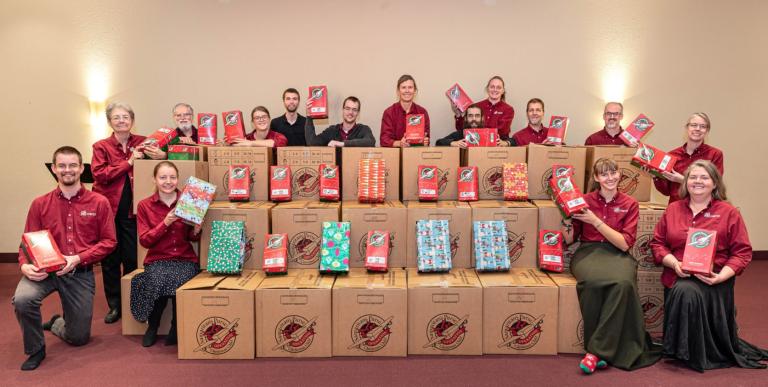
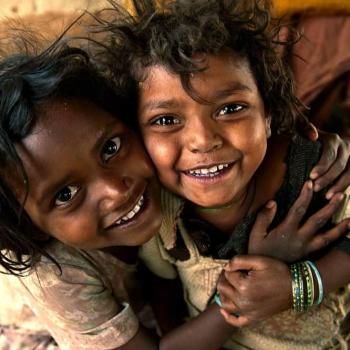
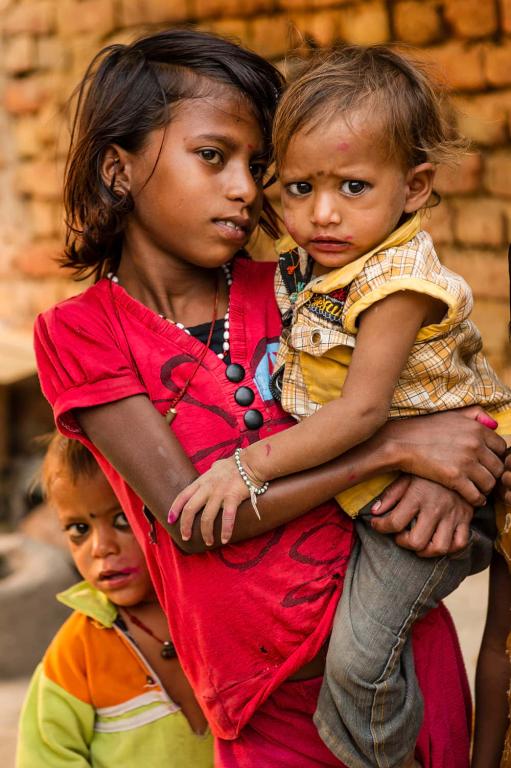
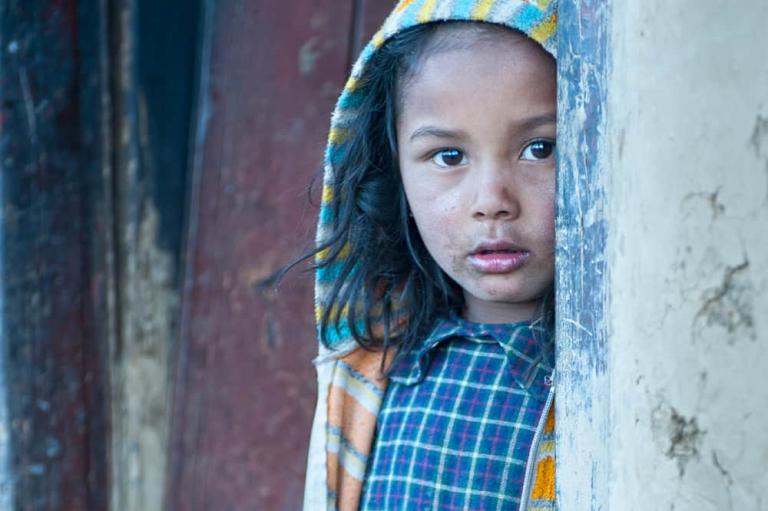
 “Many girls practice prostitution in our cities and even in our churches. Their parents encourage them because they are desperate for food, so they encourage their 15-year-old daughters to have sex to bring in money. It’s a desperation trade: ‘You help me, and I will have sex with you.’”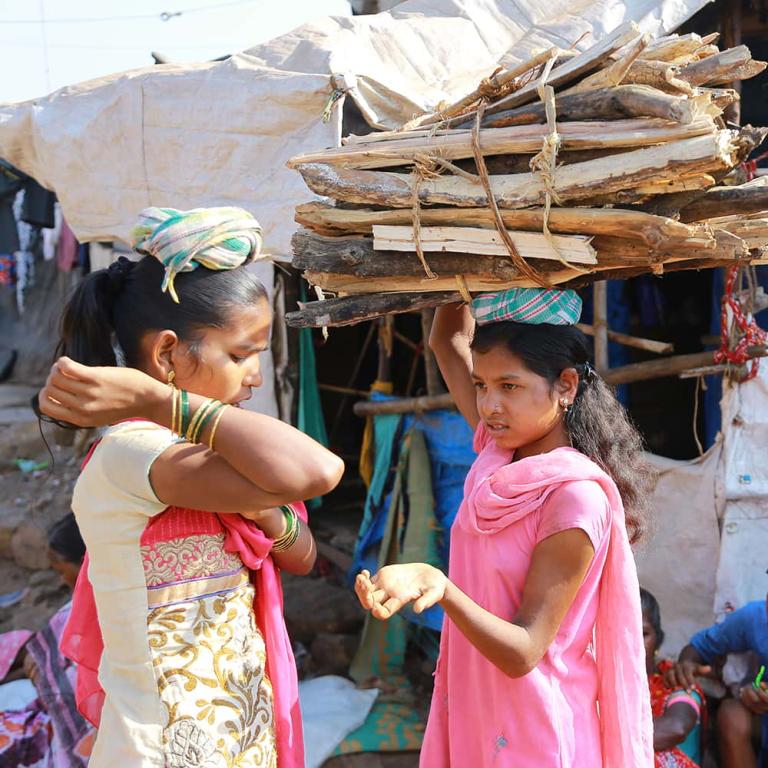
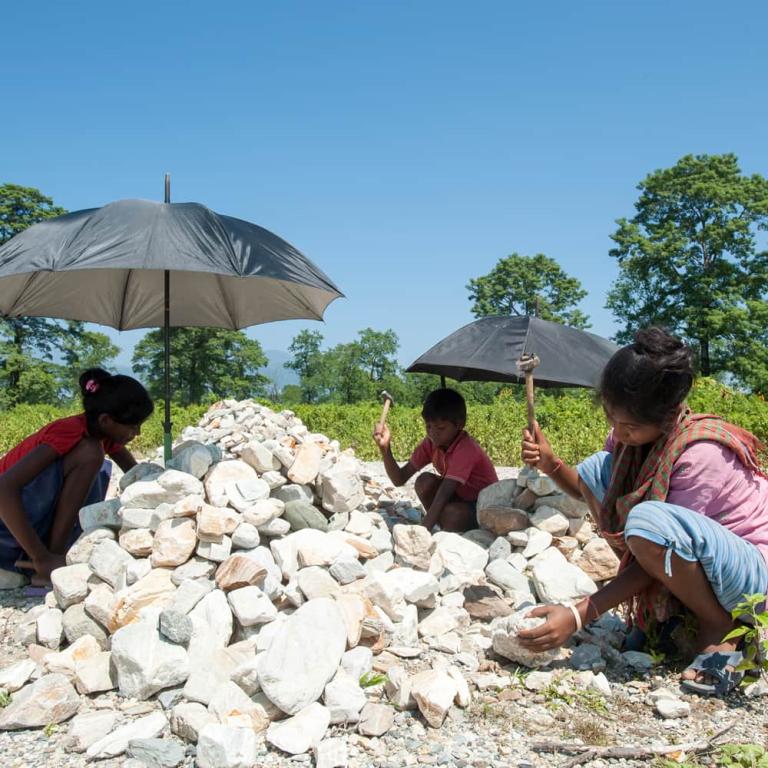
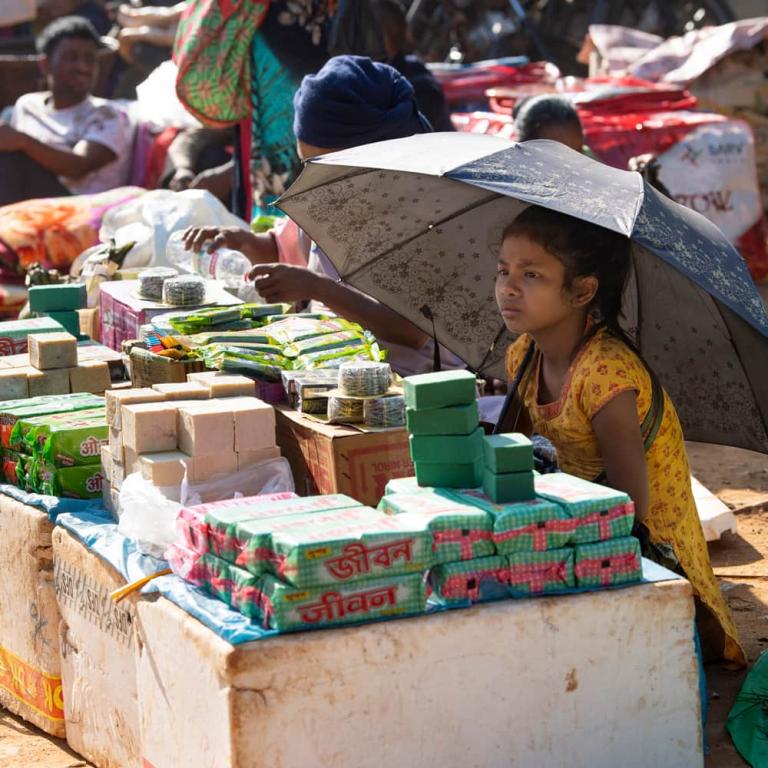
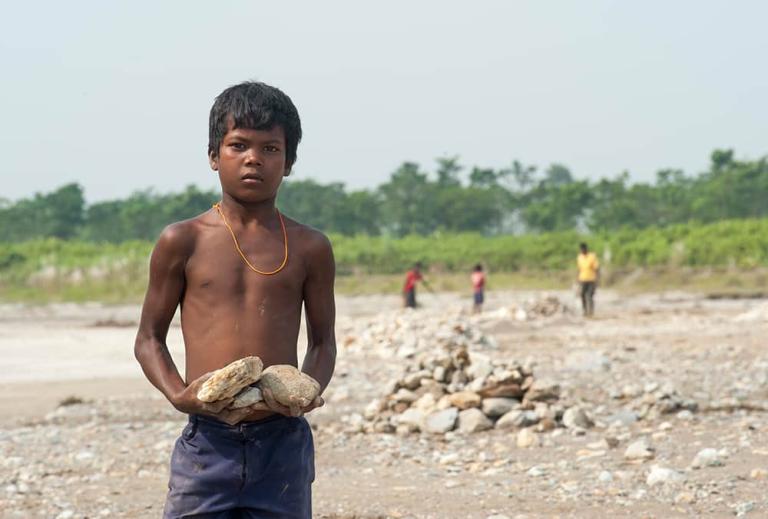
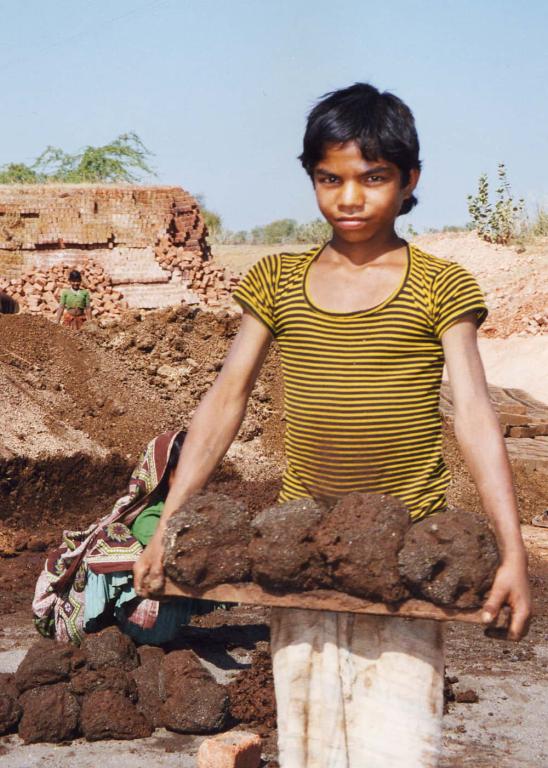
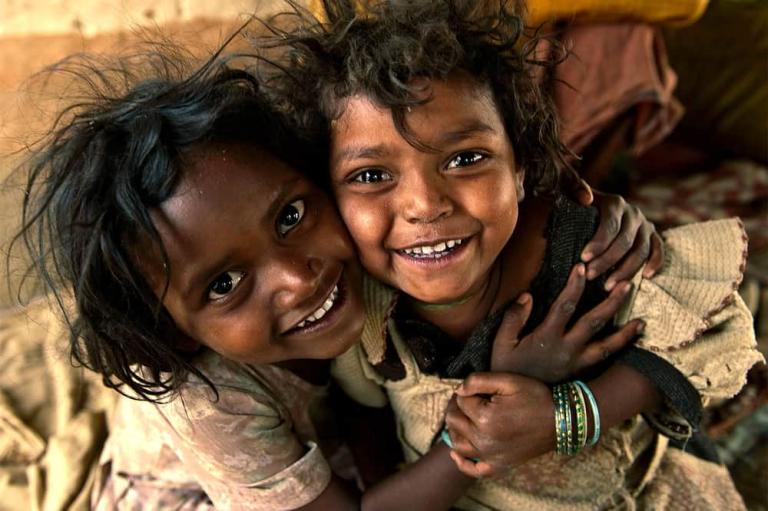
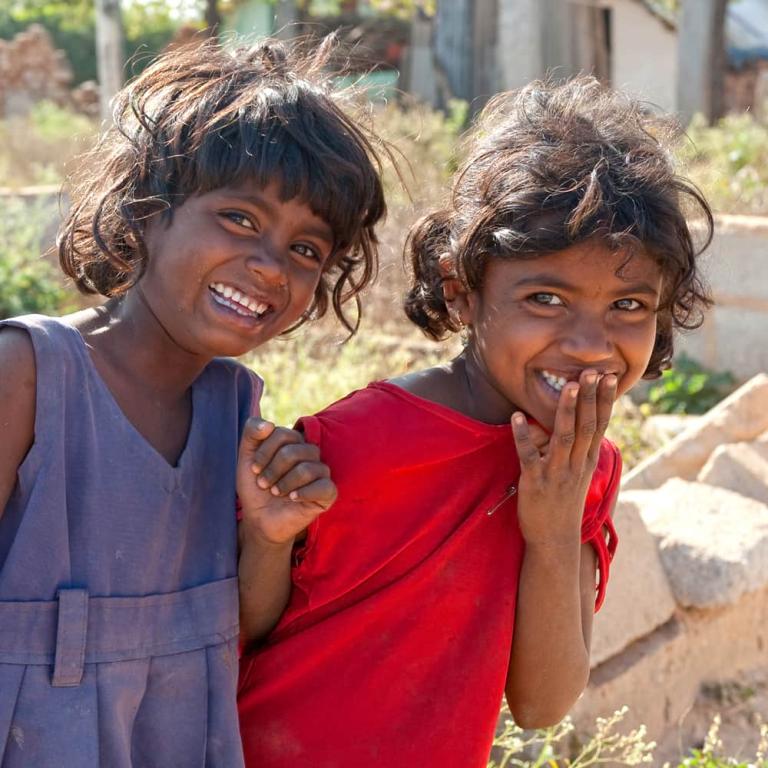
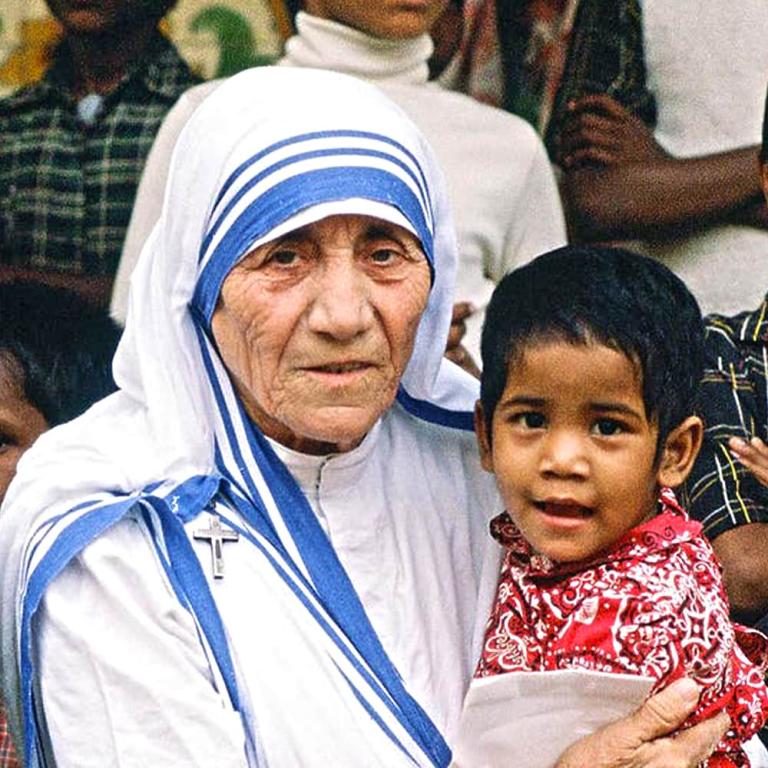
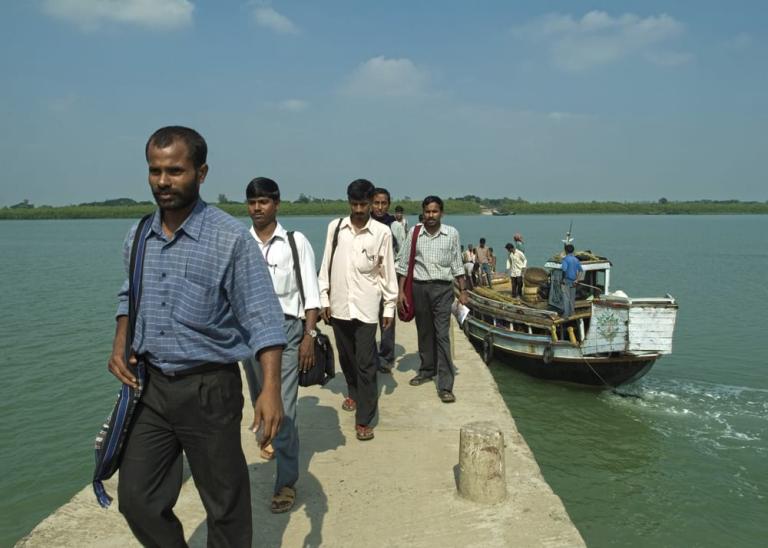
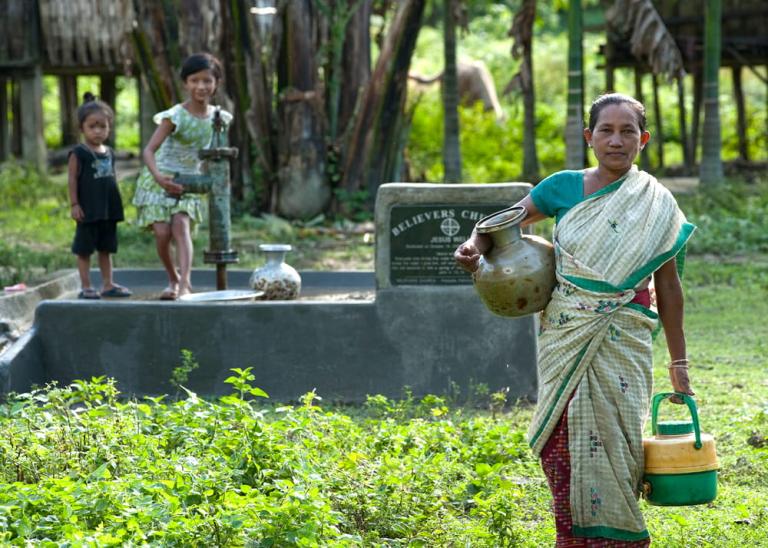
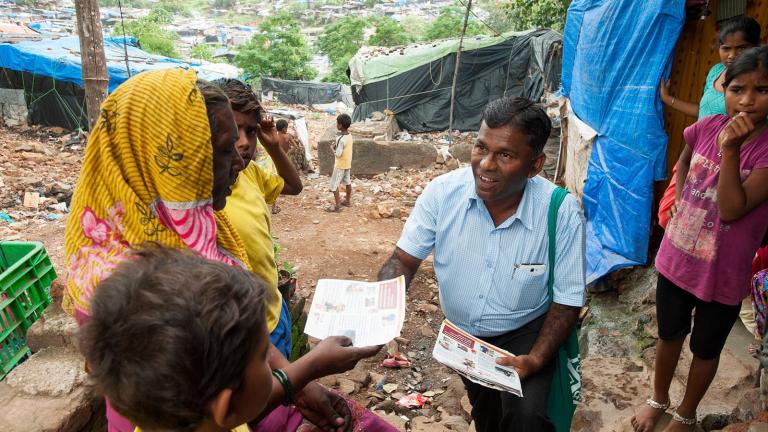
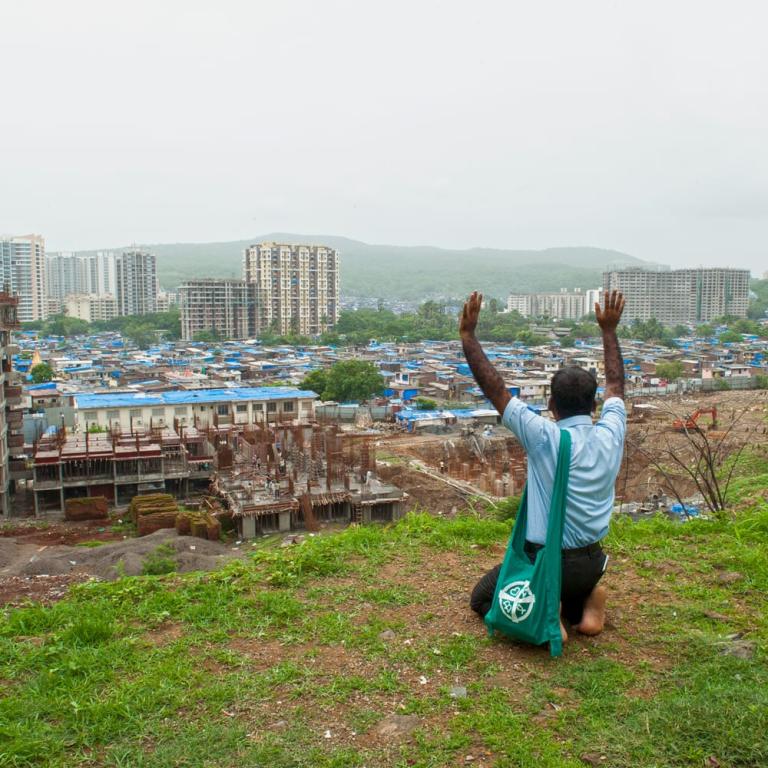
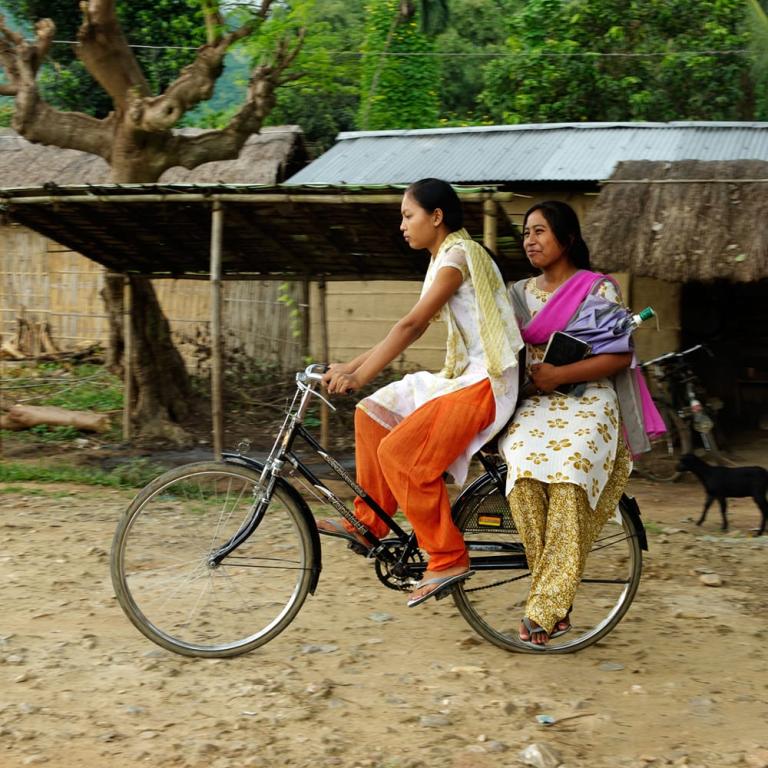
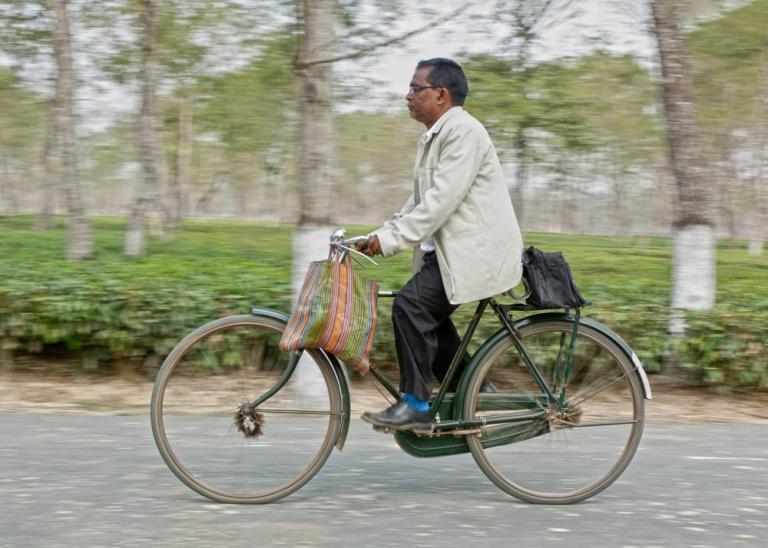
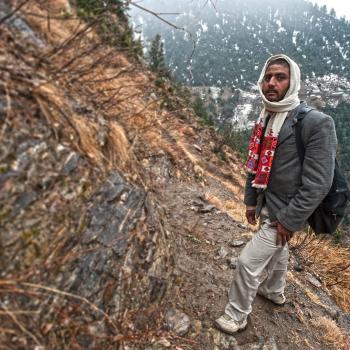
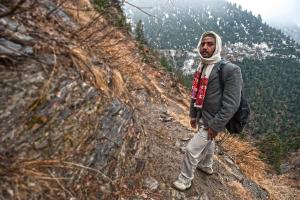
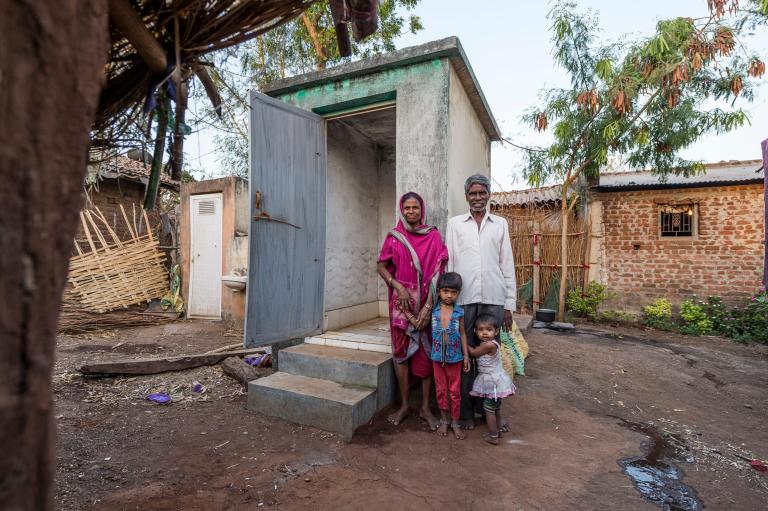
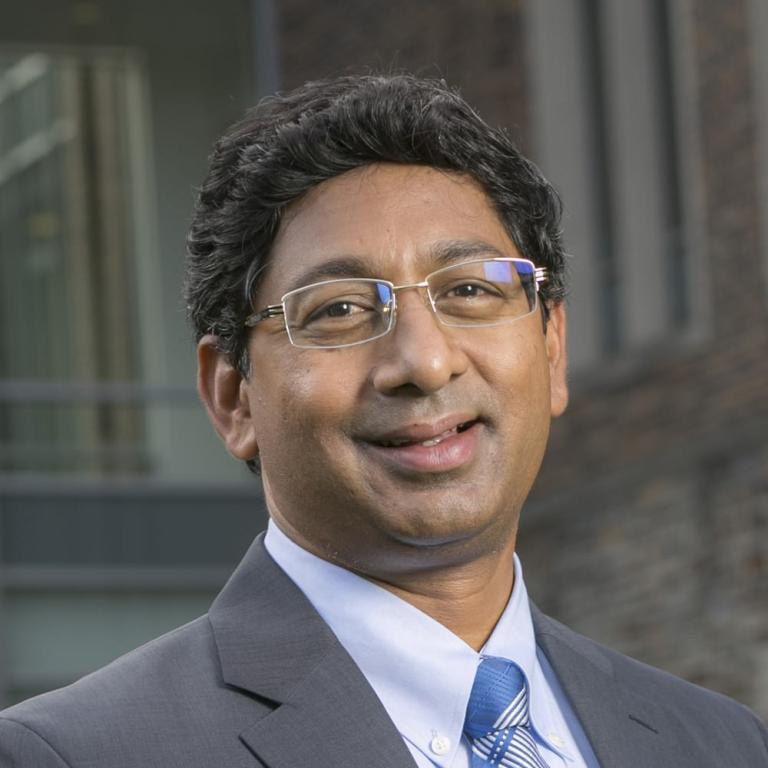
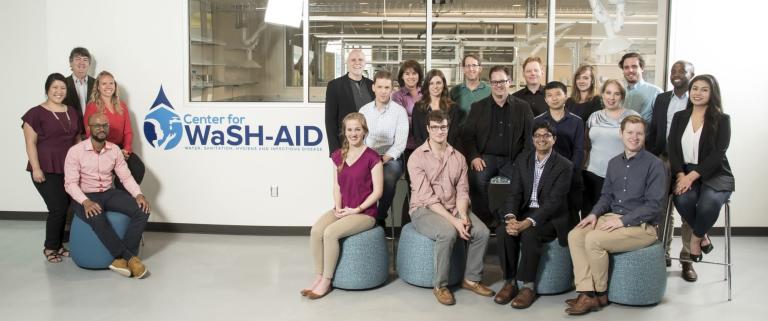
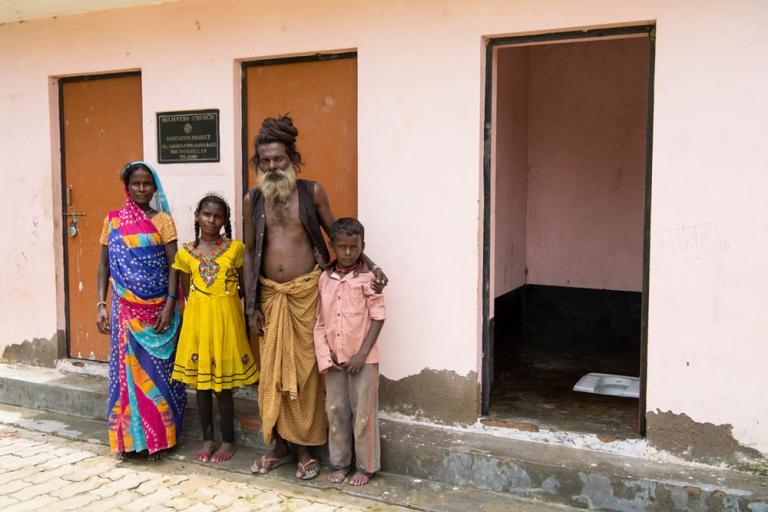
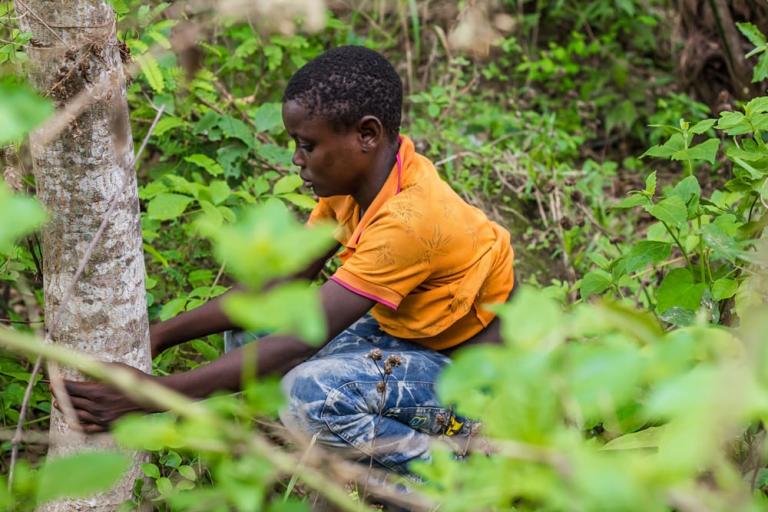
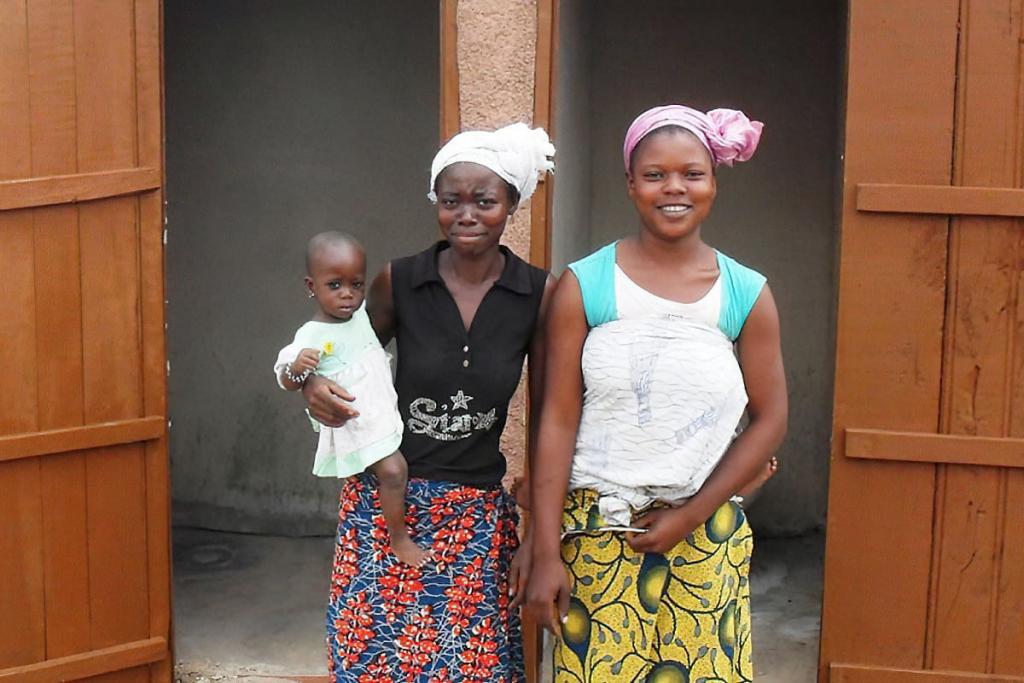
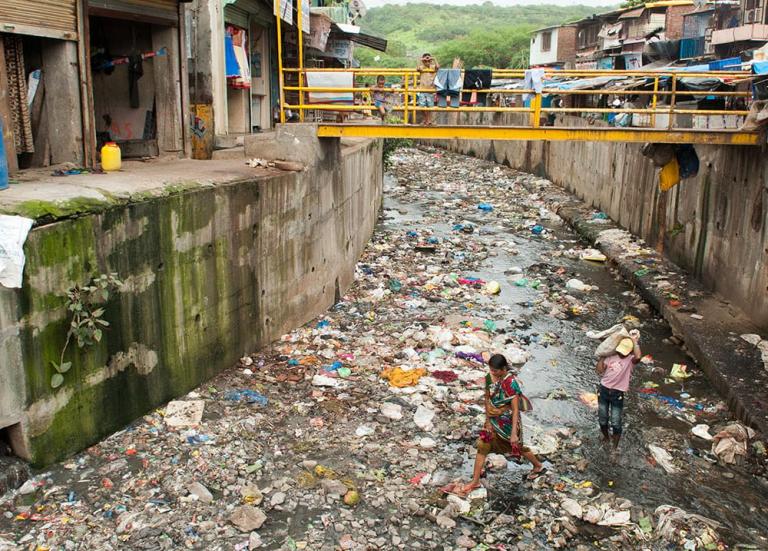
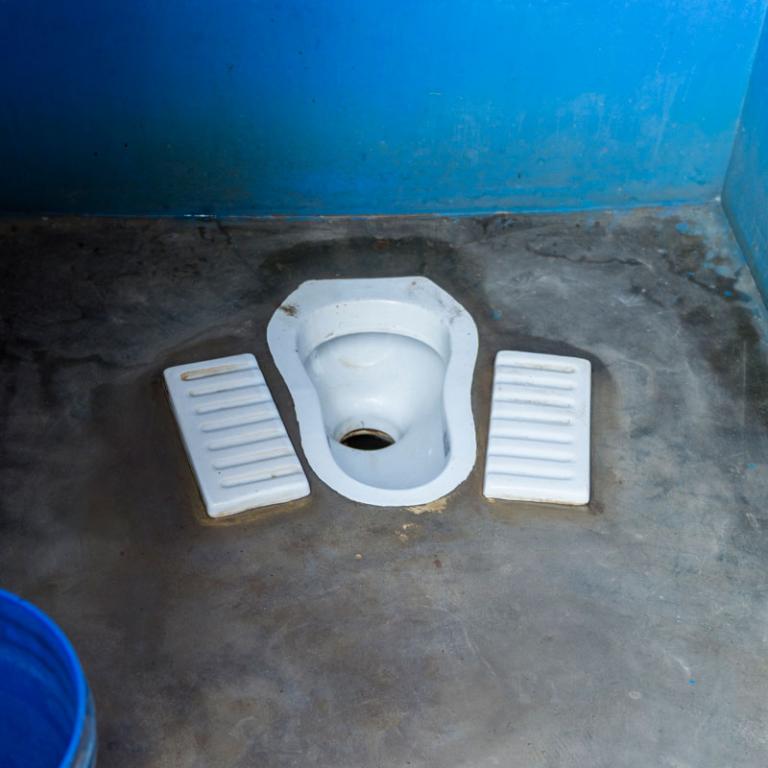
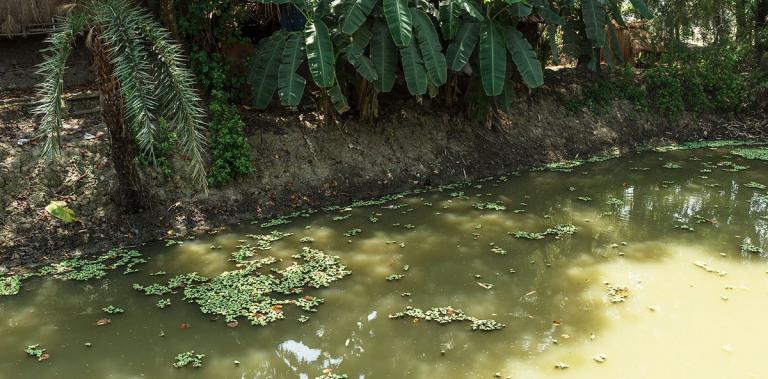
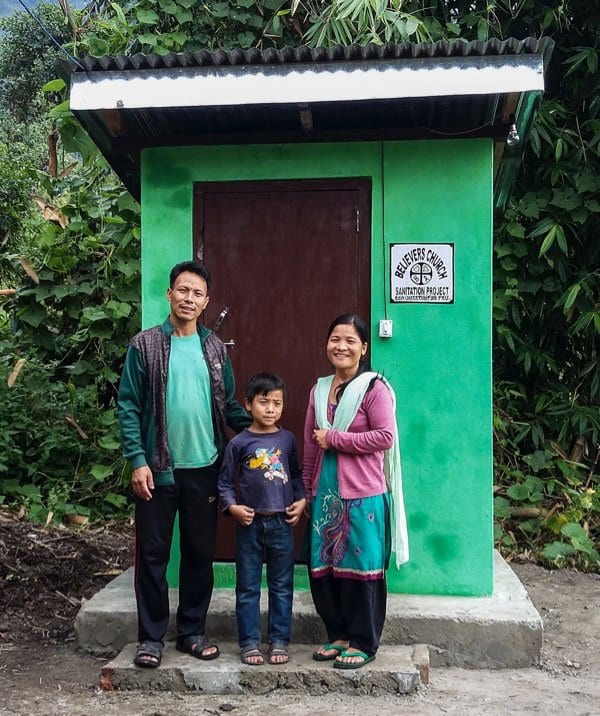

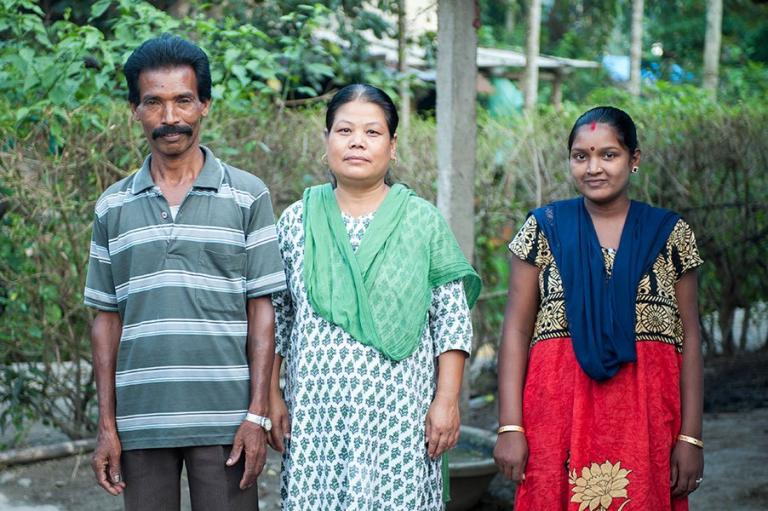
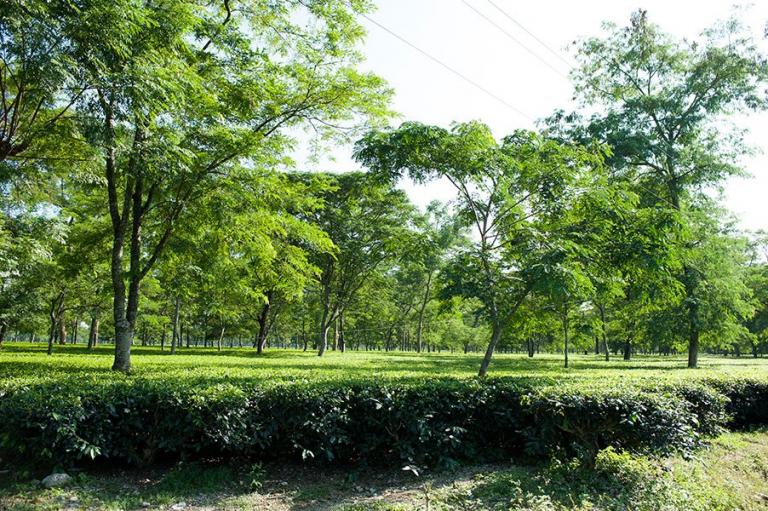
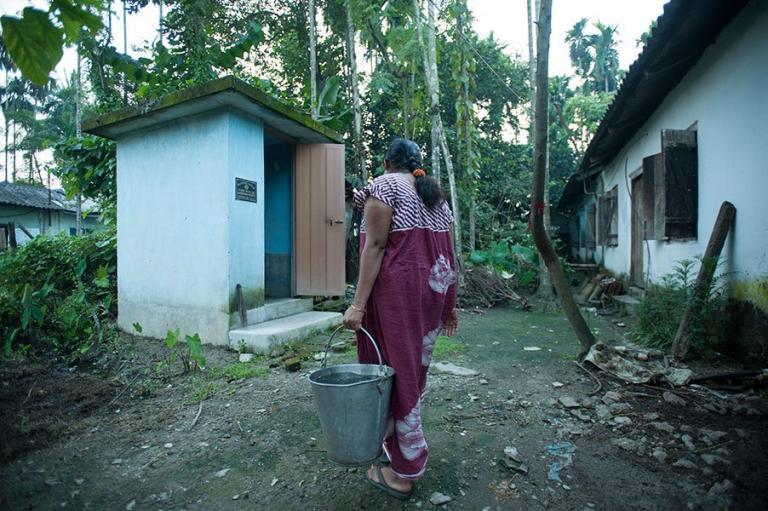
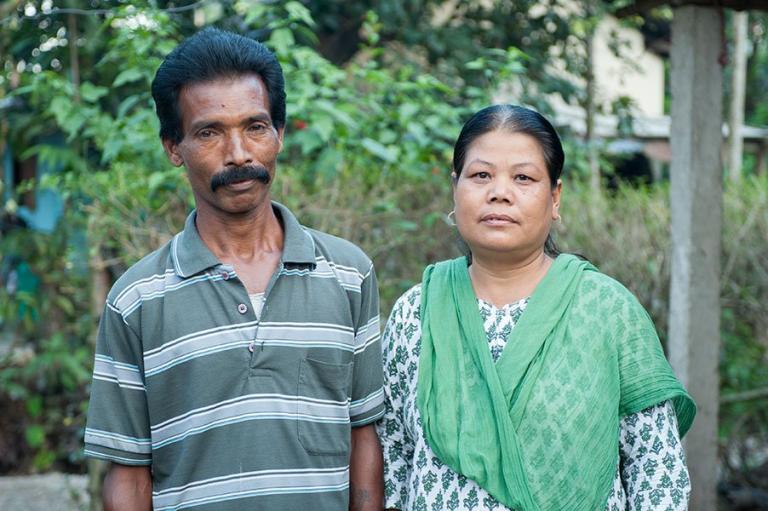
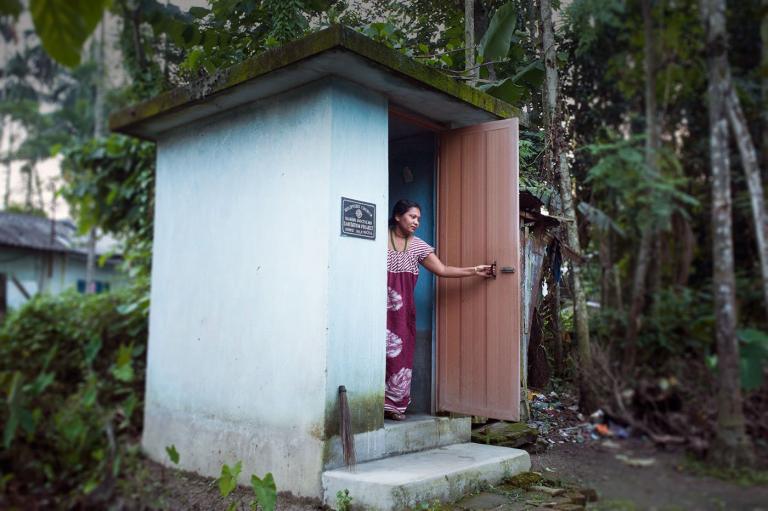

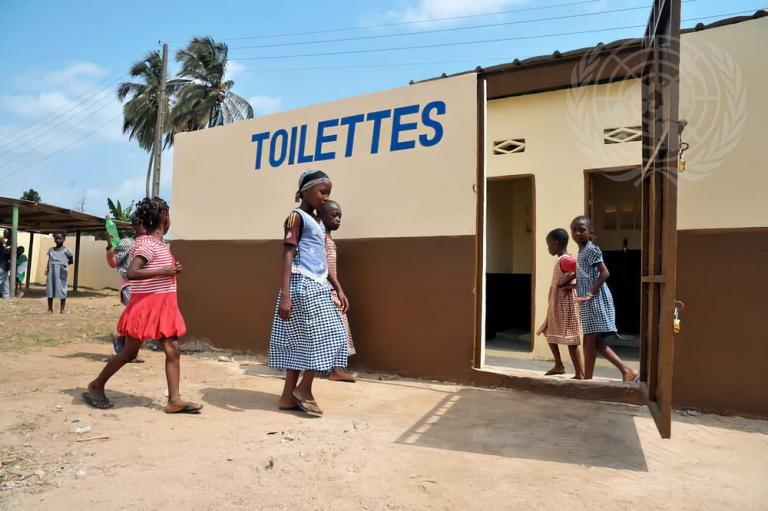
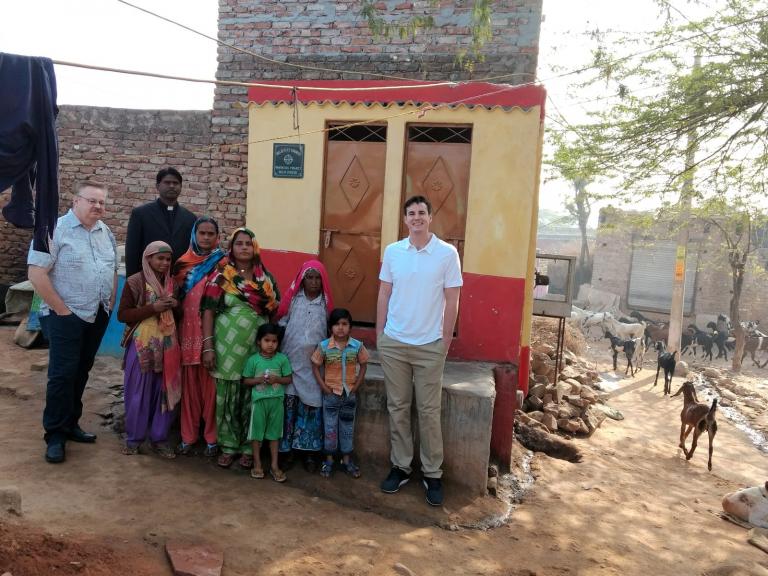
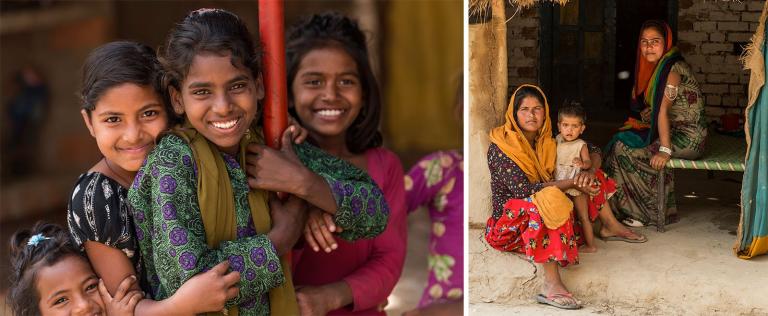
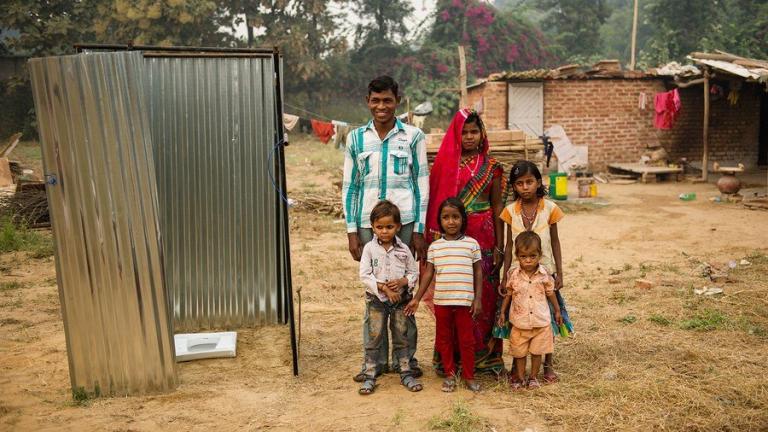
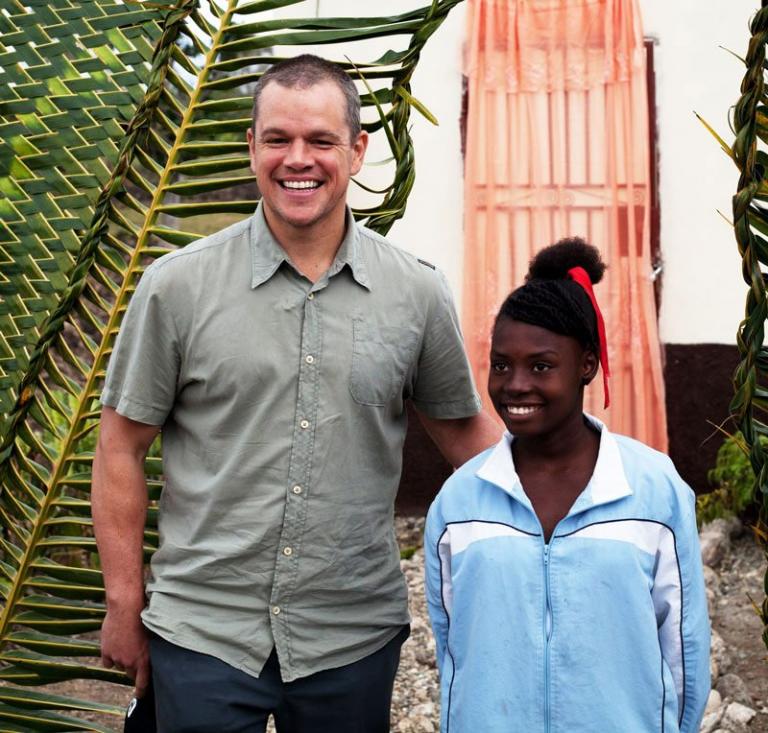
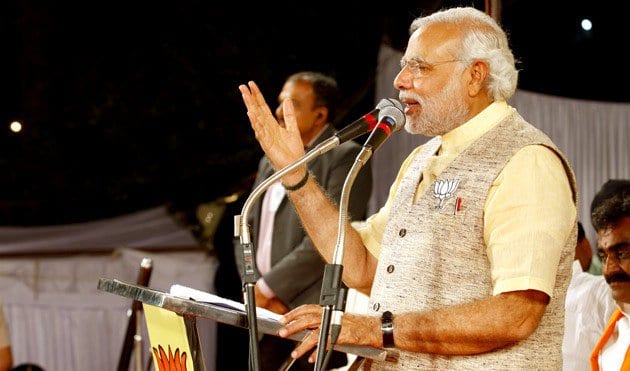
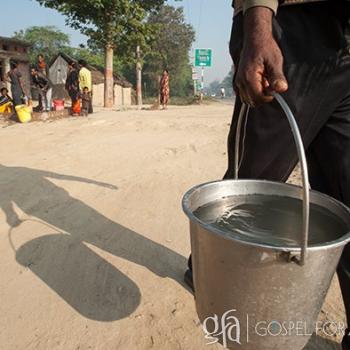
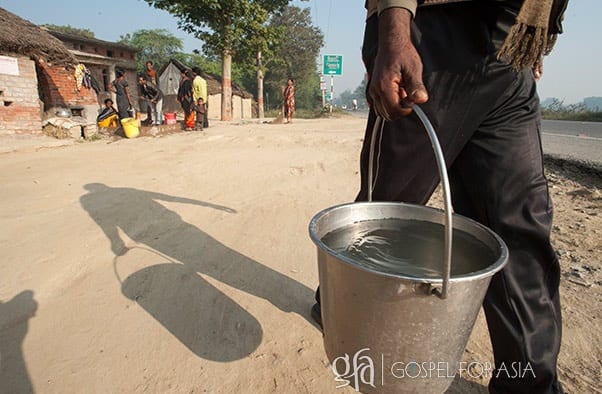
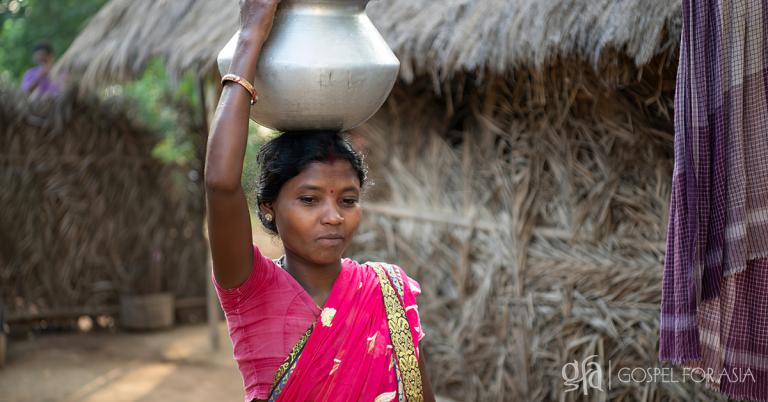
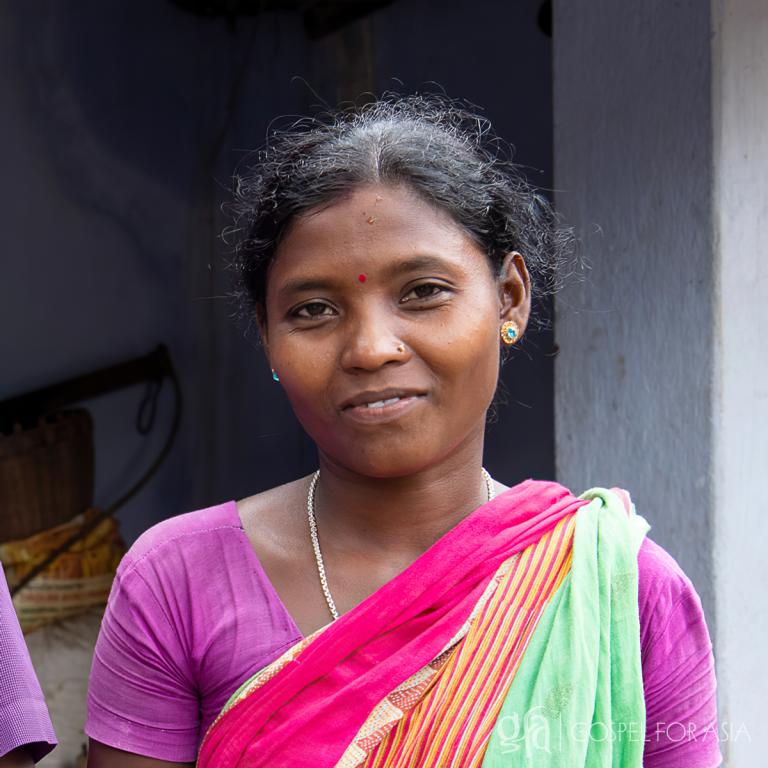
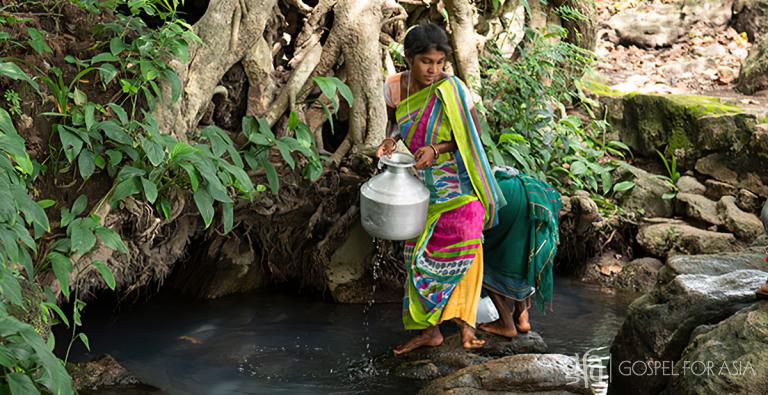
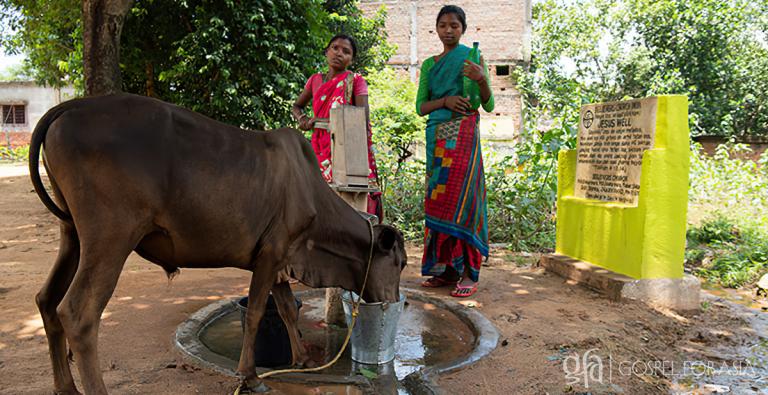
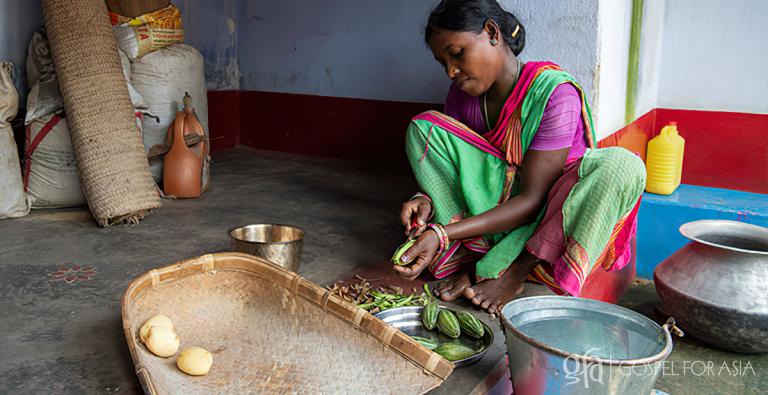
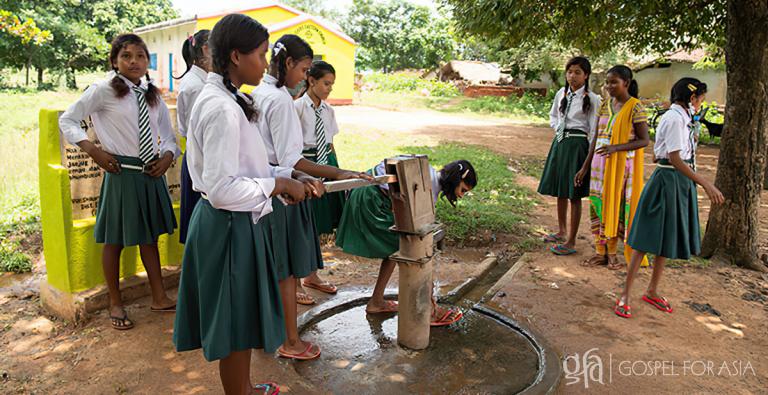









 Ad-Free & Subscriber Log-In